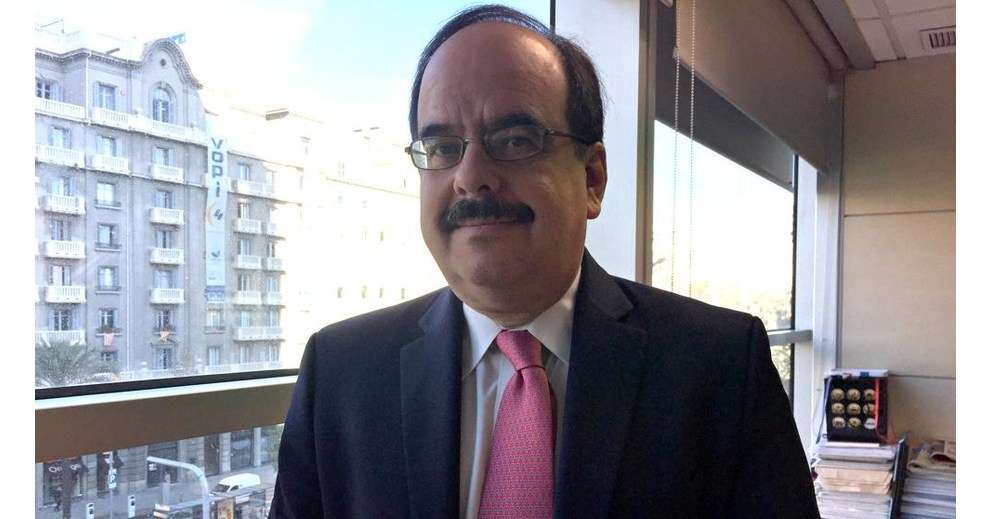
Ambassador Alberto M. Fernandez (PRNewsfoto/Broadcasting Board of Governors)
إمبريالية الدولة المُدمَّرة السفير ألبرتو م. فرنانديز/ميمري/01 تشرين الثاني 2026 (ترجمة من الإنكليزية بواسطة الذكاء الإصطناعي)
Ruined State’ Imperialism Amb. Alberto M. Fernandez/MEMRI/November 01/2026
It was the great economist Adam Smith who remarked, in answer to a statement that American Independence will ruin the British Empire, that “be assured, my young friend, that there is a great deal of ruin in a nation.” The British Empire would, of course, reach its apogee long after America achieved its independence in 1783.
Empires have come and gone and yet in this 21st century, we have an interesting phenomenon: “ruined” states – by many social, economic and political measures – that while being in a state of internal catastrophe, including hunger and famine, not only endure but are so ordered and directed as to be able to project real power on the international stage despite their ruined condition.
Three obvious candidates come to mind: Cuba, North Korea, and Yemen. North Korea is a nuclear power. Houthi-ruled Yemen has a fearsome missile capacity and not only repeatedly strikes its larger and wealthier neighbor Saudi Arabia, but has been able to absorb retaliation from both the United States and Israel. Cuba is a hungry and destitute economic basket case and yet is able to project power through both its intelligence service and through an informal global network of proxies, activists, and propagandists.
All three are examples of ideological regimes triumphing over a nation. These regimes are, in narrow ways, quite efficient and capable, but the wellbeing of the people is not the primary concern. These countries have essentially allowed their own populations, most of them, to go to hell and yet fierce repression keeps the regime in place while scarce resources are channeled to maximizing their external power. Yemen and Cuba could not survive without foreign help, either in the form of international assistance or remittances.[1] North Korea experienced a famine that may have claimed millions of lives and yet a decade later, it had nuclear weapons, intercontinental ballistic missiles, and a large chemical weapons cache.[2]
All three are ramshackle, destitute powers and yet powers they are, able to threaten neighbors and influence policy decisions by larger, richer powers. The Russia-Ukraine War has been a windfall for the regime of Kim Jong Un, as the arms factories and soldiers of the regime have secured it billions in hard currency, food, and advanced technology. One estimate is that North Korean factories now provide up to 40 percent of Russia’s artillery consumption.[3]
The game is a cynical, high-stakes one and yet can be wildly successful. Having been propped up by the Soviet Union for more than two decades, Cuba was then able to latch on to the wealth of Venezuela, one of the world’s largest oil exporters, for a further quarter century until the American snatching of Venezuelan dictator Nicolas Maduro in January 2026 cut off the gravy train. Cuba is conservatively estimated to have secured about $63.8 billion from Venezuela under Hugo Chavez and Maduro, most of it in the form of petroleum that was resold on the international market.[4]
While the Houthis have been, and continue to be, propped up by Iran, they have also diversified and have gone into the smuggling and terrorist supporting business in the Horn of Africa.[5] Unverified rumors – vehemently denied by Saudi Arabia – say that the Kingdom essentially bribed the Houthis to stay out of the war until recently, paying “protection money” in the form of cash support for Houthi salaries. The story being that this was a result of Omani mediation between the two sides.[6] If this was ever actually true, it is no longer the case since the Houthis decided to reignite their war with Saudi Arabia in early October 2026.
Although all three cases seem like successes, they tend to be unstable. The Houthis were able to take power initially because of infighting with the ruling regime in Yemen. Cuba benefited from allies coming to power in a wealthy country (other Cuban allies like Nicaragua or Bolivia didn’t have much cash to give). North Korea has benefited from Russia’s inability to triumph over Ukraine in that long and bloody war. Circumstances could have gone another way and future changes could find them destitute. That is what has now happened to the Cuban regime this year.[7] But cynicism, single-minded ruthlessness and aggressive predatory action taken at the right moment have prolonged the life and the power of all three regimes. One hopes that their good fortune will finally be running out.
And while these three miserable, nightmarish regimes may seem to be unique cases, cautionary tales, we should not think that they are that unusual. These are extreme cases but other countries – long used to power and wealth – could wind up in similar situations. One thinks of Russia or of Iran, both of which have some very real power to do mischief on the international stage (and are blessed with oil wealth) but that are also showing signs of great internal strain. And lest we in the West get too arrogant, Western nations like France and the United Kingdom, very wealthy democratic countries, nuclear powers, and UN Security Council members, heavy hitters on the international stage, are also showing the stress of maintaining their power as economic and governance crises hollow them out from within.[8] It is hard to keep states supplied with both guns and healthcare these days.[9]
Adam Smith was right; there is indeed a lot of ruin in a nation. Something that Americans need to keep in mind as they see decline and crisis elsewhere. We are not immune from imperial overreach and ruin is only a series of very bad decisions away from arriving at the doorstep of the strongest nations.
*Amb. Alberto M. Fernandez is Vice President of MEMRI.
[1] Merip.org/2026/09/remittances-at-risk-sanctions-war-and-informal-finance-in-yemen, September 16, 2026.
[2] Hrnk.org/documentations/is-there-a-famine-in-north-korea/, June 17, 2025.
[3] Atlanticcouncil.org/dispatches/north-korea-may-be-the-biggest-winner-of-russias-war-in-ukraine/, October 23, 2026.
[4] Cibercuba.com/noticias/2026-03-19-u1-e208574-s27061-nid323520-63-mil-millones-dolares-gigantesco-flujo-dinero, March 18, 2026.
[5] Gnet-research.org/2025/05/14/cash-flow-breaking-down-the-houthis-multibillion-dollar-financial-networks/, May 14, 2025.
[6] Israelhayom.com/2026/03/29/saudi-payments-houthi-war-entry-irgc-yemen/, March 29, 2026.
[7] Theatlantic.com/magazine/2026/12/post-revolutionary-cuba-society-religion/689018/, October 26, 2026.
[8] Washingtonexaminer.com/in_focus/4780162/uk-keeps-calm-carries-on-toward-french-style-disaster/?srsltid=AYCX9vIym2sXfk4VQyU7snDUvQ_DOgdlsBxrZJpXQeYO7dwK6xGQuMDz, October 29, 2026.
[9] Brookings.edu/articles/europes-difficult-trade-off-between-military-and-welfare-spending-the-italian-case/, September 2, 2025.
تحليل: إمبريالية «الدولة المُدمَّرة» السفير ألبرتو م. فرنانديز/ميمري/01 تشرين الثاني 2026 (ترجمة من الإنكليزية بواسطة الذكاء الإصطناعي)
كان الاقتصادي الكبير آدم سميث هو من علّق، ردًّا على قولٍ إن استقلال أمريكا سيُدمّر الإمبراطورية البريطانية، قائلاً: «كن مطمئنًا يا صديقي الشاب، إن في الأمة قدرًا كبيرًا من الدمار». وقد بلغت الإمبراطورية البريطانية، بالطبع، ذروتها بعد وقت طويل من نيل أمريكا استقلالها عام 1783.
لقد جاءت إمبراطوريات وذهبت، ومع ذلك نشهد في هذا القرن الحادي والعشرين ظاهرة مثيرة للاهتمام: دول «مُدمَّرة» — وفق العديد من المقاييس الاجتماعية والاقتصادية والسياسية — وهي في حالة كارثة داخلية تشمل الجوع والمجاعة، لكنها لا تصمد فحسب، بل تُنظَّم وتُوجَّه بحيث تستطيع أن تُسقِط قوة حقيقية على المسرح الدولي رغم حالتها المُدمَّرة.
ثلاثة مرشحين واضحين يتبادرون إلى الذهن: كوبا، وكوريا الشمالية، واليمن. كوريا الشمالية قوة نووية. واليمن الذي يحكمه الحوثيون يمتلك قدرة صاروخية مرعبة، ولا يكتفي بضرب جاره الأكبر والأغنى السعودية مرارًا، بل استطاع أن يمتصّ ردود الفعل من الولايات المتحدة وإسرائيل معًا. أما كوبا فهي حالة اقتصادية جائعة ومفلسة، ومع ذلك تستطيع أن تُسقِط قوتها عبر جهازها الاستخباراتي وعبر شبكة غير رسمية عالمية من الوكلاء والناشطين والدعاة.
الثلاثة أمثلة على أنظمة أيديولوجية تنتصر على الأمة. هذه الأنظمة، بطرق ضيقة، كفؤة وقادرة جدًا، لكن رفاهية الشعب ليست همّها الأساسي. لقد سمحت هذه الدول أساسًا لمعظم سكانها بأن يذهبوا إلى الجحيم، بينما يُبقي القمع الشديد النظام في مكانه، وتُوجَّه الموارد الشحيحة لتعظيم قوتها الخارجية. لا يستطيع اليمن وكوبا البقاء من دون مساعدة أجنبية، سواء على شكل مساعدات دولية أو تحويلات مالية.[1] وقد عاشت كوريا الشمالية مجاعة ربما حصدت أرواح ملايين، ومع ذلك امتلكت بعد عقد من الزمن أسلحة نووية وصواريخ باليستية عابرة للقارات ومخزونًا كبيرًا من الأسلحة الكيميائية.[2]
الثلاثة قوى متهالكة ومفلسة، لكنها قوى فعلًا، قادرة على تهديد جيرانها والتأثير في قرارات سياسات قوى أكبر وأغنى. وقد كانت حرب روسيا-أوكرانيا غنيمة لنظام كيم جونغ أون، إذ أمّنت له مصانع الأسلحة وجنود النظام مليارات من العملة الصعبة والغذاء والتكنولوجيا المتقدمة. ويقدّر أحد التقديرات أن مصانع كوريا الشمالية توفر الآن ما يصل إلى 40 بالمئة من استهلاك روسيا من المدفعية.[3]
اللعبة ساخرة وذات رهانات عالية، ومع ذلك يمكن أن تكون ناجحة بشكل مذهل. بعد أن ظلت كوبا مدعومة من الاتحاد السوفييتي لأكثر من عقدين، تمكنت من التشبث بثروة فنزويلا، إحدى أكبر مصدّري النفط في العالم، ربع قرن إضافي، حتى أوقفت الولايات المتحدة قطار المساعدات باعتقال الدكتاتور الفنزويلي نيكولاس مادورو في يناير 2026. ويُقدَّر بشكل محافظ أن كوبا حصلت على نحو 63.8 مليار دولار من فنزويلا في عهدي هوغو تشافيز ومادورو، معظمها على شكل نفط أُعيد بيعه في السوق الدولية.[4]
أما الحوثيون فقد ظلوا، وما زالوا، مدعومين من إيران، لكنهم نوّعوا أيضًا ودخلوا في أعمال التهريب ودعم الإرهاب في القرن الأفريقي.[5] وتقول شائعات غير مؤكدة — تنفيها السعودية بشدة — إن المملكة كانت ترشي الحوثيين فعليًا ليبقوا خارج الحرب حتى وقت قريب، دافعة «أموال حماية» على شكل دعم نقدي لرواتب الحوثيين. والقصة أن ذلك كان نتيجة وساطة عُمانية بين الطرفين.[6] وإن كان ذلك صحيحًا يومًا ما، فهو لم يعد كذلك منذ قرر الحوثيون إشعال حربهم مع السعودية من جديد في أوائل أكتوبر 2026.
ورغم أن الحالات الثلاث تبدو ناجحة، فإنها تميل إلى أن تكون غير مستقرة. استطاع الحوثيون الاستيلاء على السلطة في البداية بسبب الاقتتال الداخلي في النظام الحاكم في اليمن. واستفادت كوبا من وصول حلفاء إلى السلطة في بلد غني (أما حلفاؤها الآخرون مثل نيكاراغوا أو بوليفيا فلم يكن لديهم الكثير من المال ليمنحوه). واستفادت كوريا الشمالية من عجز روسيا عن الانتصار على أوكرانيا في تلك الحرب الطويلة والدموية. كان من الممكن أن تسير الظروف في اتجاه آخر، وقد تجد التغييرات المستقبلية هذه الأنظمة مفلسة. وهذا ما حدث الآن لنظام كوبا هذا العام.[7] لكن السخرية والوحشية أحادية التركيز والعمل الافتراسي العدواني في اللحظة المناسبة أطالت عمر وقوة الأنظمة الثلاثة. ويأمل المرء أن تكون حظوظها الطيبة قد بدأت تنفد أخيرًا.
ومع أن هذه الأنظمة الثلاثة البائسة والكابوسية قد تبدو حالات فريدة ودروسًا تحذيرية، فلا ينبغي أن نظن أنها غير عادية إلى هذا الحد. إنها حالات متطرفة، لكن بلدانًا أخرى — اعتادت على القوة والثروة طويلًا — قد تنتهي إلى أوضاع مشابهة. يخطر في البال روسيا أو إيران، وكلاهما يمتلك قدرة حقيقية على إثارة الشغب على المسرح الدولي (وكلاهما مبارك بثروة نفطية)، لكنهما يظهران أيضًا علامات توتر داخلي كبير. وحتى لا نصبح متكبرين في الغرب، فإن دولًا غربية مثل فرنسا والمملكة المتحدة — دول ديمقراطية غنية جدًا، وقوى نووية، وأعضاء دائمين في مجلس الأمن، ولاعبين كبار على المسرح الدولي — تظهر أيضًا ضغط الحفاظ على قوتها مع أن الأزمات الاقتصادية والحوكمة تفرغها من الداخل.[8] من الصعب هذه الأيام أن تُزوَّد الدول بالبنادق والرعاية الصحية معًا.[9]
كان آدم سميث على حق؛ إن في الأمة قدرًا كبيرًا من الدمار فعلًا. وهذا أمر يحتاج الأمريكيون إلى أن يضعوه في أذهانهم وهم يرون الانحدار والأزمات في أماكن أخرى. فنحن لسنا محصنين من الإفراط الإمبراطوري، والدمار ليس سوى سلسلة من القرارات السيئة جدًا تفصلنا عن وصوله إلى عتبة أقوى الأمم.
*السفير ألبرتو م. فرنانديز نائب رئيس ميمري.