



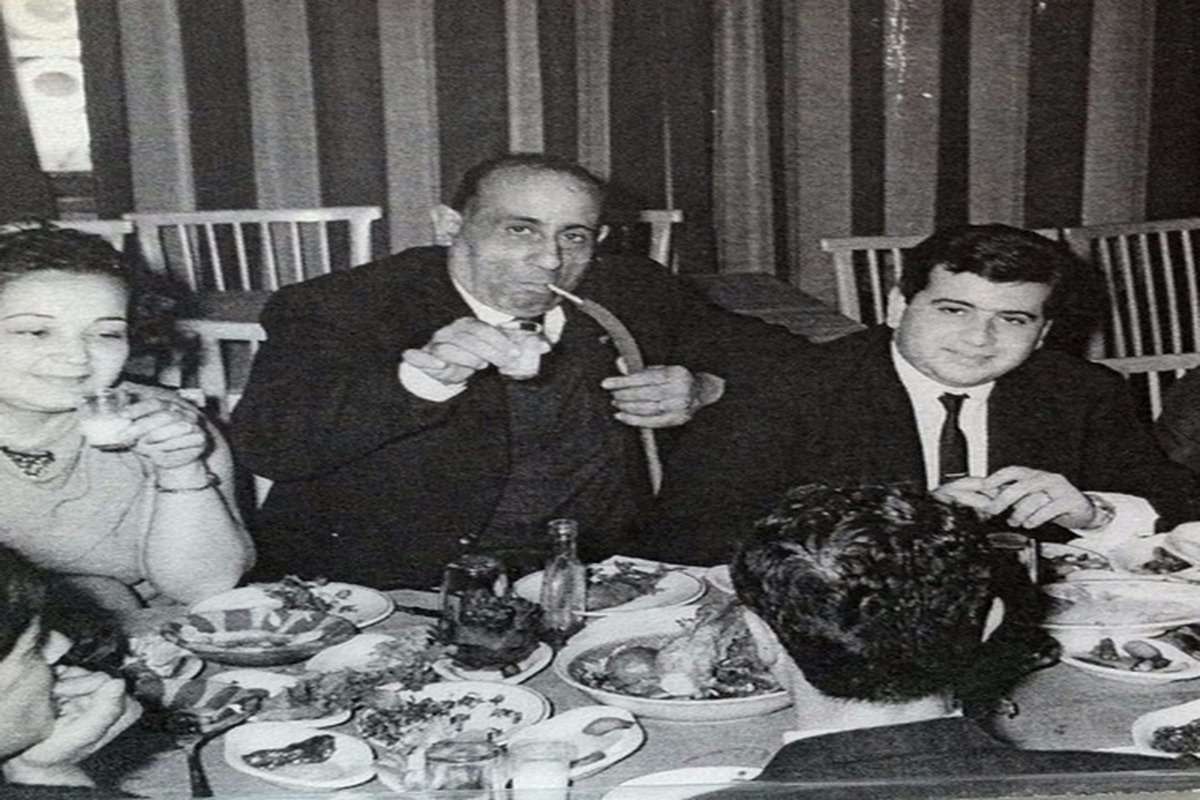
Picture enclosed/From left: my Teta (grandmother), Tiqva ʿObadiya, and my Jiddo (grandfather), Menaḥem ʿObadiya, at a restaurant with friends.
إسحاق شوا: رسالة حب إلى لبنان من يهودي لبناني
نقلاً عن موقع ناو لبنان/26 آب/أغسطس 2026
(ترجمة الذكاء الإصطناعي من الإنكليزية)
Isaac Choua: A Love Letter to Lebanon from a Lebanese Jew
Now Lebanon/August 26/2026
On the hundredth year of the Maghen Abraham synagogue of Beirut
Our destinies are intertwined. Though I was born in Brooklyn because the Lebanese Civil War drove my family from Lebanon in the 1970s, my heart belongs to Lebanon. My connection is more than heritage; it is a living memory passed down through my family. Our roots run deep, from Deir El Qamar to Beirut. Even without setting foot on your soil, I, like many Lebanese abroad, know the ache of el-ghorbe, and cherish the nostalgia of what you were and what you could be. The Lebanon I hold dear is painted with my parents’ memories, filled with joy, community, and traditions. It is the Lebanon of falafel with ṭourmos after school, sunlit beaches, and the cool breezes of ʿAley’s mountains. Through their stories, I have walked the Souks al-Franj and el-Nouriyé in Beirut, breathed in the spices of the markets, and heard the laughter of families gathering for meals. These recollections reflect a yearning for a Lebanon where diverse communities lived side by side, respecting and celebrating each other’s differences. That yearning is rooted in a shared history spanning thousands of years.
Our connection transcends nostalgia. It is anchored in a shared heritage that predates today’s conflicts. The ties between the Jewish people and Lebanon are ancient and sacred. Lebanon’s cedars helped construct the First Temple in Jerusalem, and Hebrew and Phoenician share the linguistic inheritance of the ancient Canaanite world. Our sages even remembered the ancient Hebrew script by the curious name ketav Libona’ah, and the Psalms place the cedars of Lebanon among the “trees of the Lord.”
My family’s roots are in Deir El Qamar, where my ancestors prayed in a synagogue established in 1638, in the time of Fakhr ad-Dīn Maʿan II, and where Jews lived alongside Druze, Maronites, and others. In the 1840s, amid conflict, my family moved to Beirut. My great-great-grandfather, Ḥakham Musa Choua, became a notable figure in the Jewish community, a successful merchant known as “le Dirani” for his roots in Deir El Qamar. My great-aunt, Dr. Évelyne Choua, was a beacon of care who served the community’s Biqqur Ḥolim, its society for the care of the sick, and ensured hospital beds were available for all, regardless of faith. Their lives reflected the values of coexistence and service that my family carried with it.
When my family came down from Deir El Qamar to Beirut, they arrived in a city whose Jewish life was rising toward its fullest flowering, and its crown was the synagogue of Maghen Abraham.
This month marks one hundred years since Maghen Abraham was inaugurated in Wadi Abu Jamil on August 25, 1926, in the quarter we lovingly called the Valley of the Jews. The photographs from that first day show a hall hung with garlands and packed wall to wall, the whole community pressed in to watch its doors swing open. The joy was such that the community asked, in its own newspaper, that the day be kept and its memory renewed through the years.
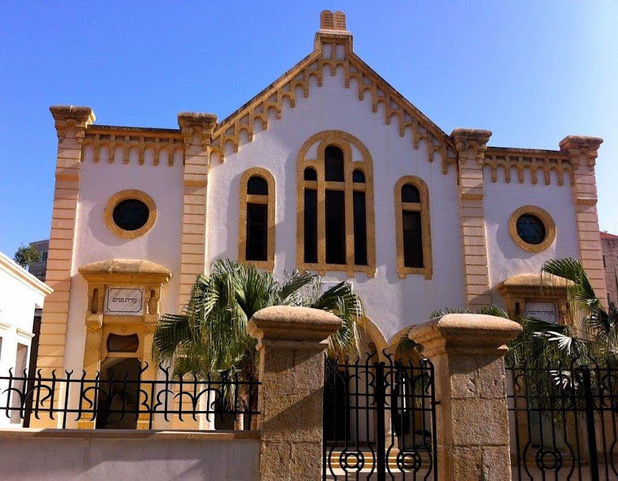
Outside the locked gates of the Maghen Abraham Synagogue in Beirut.
They named it Maghen Abraham, the Shield of Abraham, invoking a patriarch whose name, Abraham or Ibrahim, belongs to the sacred memory of this entire region. It was never only a house of prayer. Around it stood a school, a clinic, a mikveh (1), and a house of study, and the neighbors who came to watch it rise were Druze and Maronite, Sunni and Shiʿa, for in that valley this was simply what a Beirut street was made of.
I know every entrance and every corner of Maghen Abraham, and I have never once stood inside it.
To love a place you have never seen is a strange thing, and I have carried it all my life.
Today the synagogue has been lovingly restored, stone by stone, after years in which it stood roofless and filled with rubble. It is beautiful and it is empty. There is no regular minyan (2) to gather there for prayer, nor a rabbi to lead it, and so its survival, more than its use, is the gift it offers now.
Yet its name is never silent. “Shield of Abraham” is the seal of the first blessing of the ʿAmidah (3), recited three times each day, and this very morning, in Paris and Montreal and São Paulo, in the corner of Brooklyn where so much of Jewish Beirut came to rest, and in a dozen cities besides, someone sealed that blessing with the very words above its locked door in Wadi Abu Jamil.
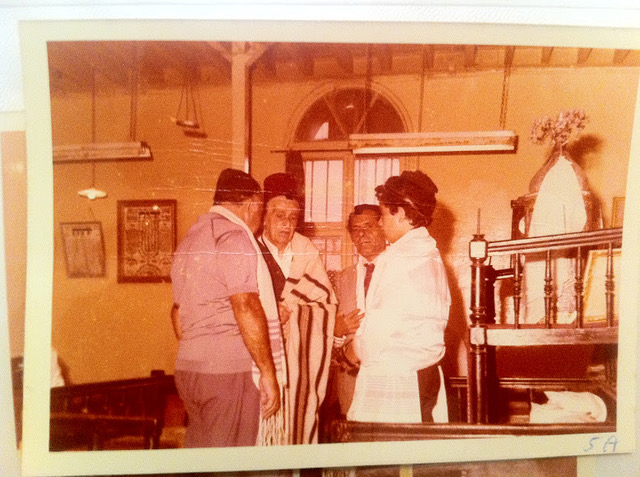
From left: my Jiddo (grandfather), Clément Choua; Ḥakham Ibrahim Kattan; Faraj, the kenis shamash (synagogue beadle); and my Dod (uncle), Mousa Choua, at his Libis Tefillim, his first donning of tefillin for his Bar Miṣva, in ʿAley, Lebanon, where our family spent its summers.
The valley may have emptied, but the blessing was never kept within its walls.
This is the Lebanon I carry with me, a place where our histories intertwine, where ancient synagogues and cedar forests speak to a legacy that belongs to all of us. It is a Lebanon I long to see, a land that feels like home even from afar.
Today, my heart aches for a Lebanon that has too often been made a battlefield, a land of shared history turned into a theater for wars its people never chose. For fifty years now, from the civil war that scattered my own family to the conflicts that still scar the south, Lebanon has paid with its towns and its children for the ambitions of factions and forces that have placed themselves above the country itself.
I have never confused Lebanon with those who have taken it hostage. The Lebanon I love is not the property of any faction or any gun. It belongs to its people. My hope, my prayer, is that Lebanon can reclaim its sovereignty so that its destiny belongs to the state and its people, and to no faction or force above them.
And I dream of a Lebanon that rediscovers its own oldest roots, where the ties among its communities bind them more strongly than any force that would divide them. Our shared history reminds us that coexistence is not foreign to us; it is part of our history. From the friendship of King Solomon and King Hiram to the everyday life once shared among Jews, Druze, Christians, and Muslims on a single Beirut street, we have long known another way.
Let us draw from that past to build a better future. I envision a Lebanon where all its people, regardless of faith, can thrive in peace, a Lebanon that honors its diverse heritage and welcomes home the children it lost.
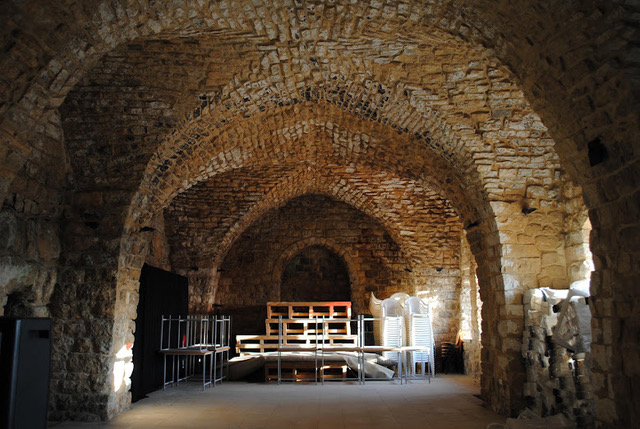
Inside the synagogue of Deir El Qamar, where my ancestors prayed.
Ya Libnan, my love for you is as enduring as the cedars that stand tall in your forests. I dream of walking your streets, of standing at last inside Maghen Abraham on a morning when its benches are full again, and of feeling the connection passed down through generations. I pray for the day I can finally come home to a Lebanon reflecting the values of coexistence, respect, and peace that my family cherished.
This is my love letter, a plea to remember our shared past and strive for a future where we stand side by side as neighbors, friends, and family. As the Song of Songs says, “The beams of our house are cedars.” (4) May those beams stand strong once again, supporting a home built on peace, unity, and shared dreams.
With love,
Isaac Choua
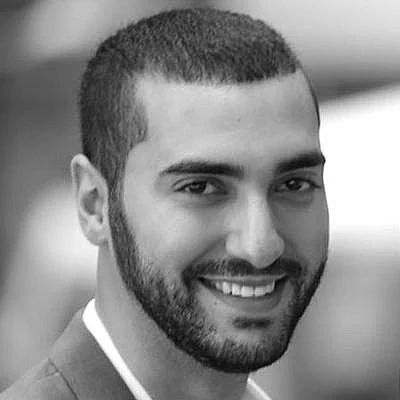
Rabbi Isaac Choua is a writer of Lebanese Jewish descent, his family from Deir El Qamar and Beirut.
The views in this story reflect those of the author alone and do not necessarily reflect the beliefs of NOW.
Endnotes
(1) Mikveh: Jewish ritual bath used for ritual purification in accordance with Jewish law.
(2) Minyan: the quorum of ten Jewish adults traditionally required for certain communal prayers and religious rituals in Judaism.
(3) ʿAmidah (standing prayer), is the central prayer of the Jewish liturgy, traditionally recited while standing and consisting of a series of blessings addressed to God.
(4) Song of Songs 1:17
-

إسحاق شوا: رسالة حب إلى لبنان من يهودي لبناني
نقلاً عن موقع ناو لبنان/26 آب/أغسطس 2026
(ترجمة الذكاء الإصطناعي من الإنكليزية)في الذكرى المئوية لكنيس ماغين أبراهام في بيروت
مصائرنا متشابكة. وعلى الرغم من أنني وُلدت في بروكلين لأن الحرب الأهلية اللبنانية دفعت عائلتي إلى مغادرة لبنان في سبعينيات القرن الماضي، فإن قلبي ينتمي إلى لبنان. إن ارتباطي به هو أكثر من مجرد إرث عائلي؛ إنه ذاكرة حية تناقلتها عائلتي عبر الأجيال. جذورنا ضاربة في العمق، من دير القمر إلى بيروت. وحتى من دون أن تطأ قدماي أرضك، فأنا، مثل كثير من اللبنانيين في الاغتراب، أعرف وجع الغربة، وأعتز بالحنين إلى ما كنتِ عليه وما يمكن أن تكونيه.
إن لبنان الذي أحمله عزيزًا في قلبي مرسوم بذكريات والديّ، مفعم بالفرح، وروح الجماعة، والتقاليد. إنه لبنان الفلافل مع الترمس بعد المدرسة، والشواطئ المغمورة بأشعة الشمس، ونسمات جبال عاليه المنعشة. ومن خلال قصصهما، سرتُ في أسواق الفرنج والنورية في بيروت، واستنشقتُ عبق التوابل في الأسواق، وسمعتُ ضحكات العائلات وهي تجتمع حول الموائد. وتعكس هذه الذكريات توقًا إلى لبنان كانت فيه المجتمعات المتنوعة تعيش جنبًا إلى جنب، تحترم اختلافاتها وتحتفي بها. وهذا التوق متجذر في تاريخ مشترك يمتد لآلاف السنين.
إن ارتباطنا يتجاوز الحنين إلى الماضي. فهو مرتكز على تراث مشترك يسبق الصراعات القائمة اليوم. إن الروابط بين الشعب اليهودي ولبنان قديمة ومقدسة. فقد ساهم أرز لبنان في بناء الهيكل الأول في أورشليم، كما تتشارك اللغتان العبرية والفينيقية الإرث اللغوي للعالم الكنعاني القديم. وقد حفظ حكماؤنا حتى الخط العبري القديم تحت اسمٍ غريب هو «كتاف ليبوناعاه»، كما تضع المزامير أرز لبنان بين «أشجار الرب».
تعود جذور عائلتي إلى دير القمر، حيث كان أسلافي يصلّون في كنيس أُسس عام 1638، في عهد الأمير فخر الدين المعني الثاني، وحيث عاش اليهود إلى جانب الدروز والموارنة وغيرهم. وفي أربعينيات القرن التاسع عشر، وفي خضم الصراعات، انتقلت عائلتي إلى بيروت. وقد أصبح جدّ جدّ والدي، الحاخام موسى شوعا، شخصية بارزة في المجتمع اليهودي، وتاجرًا ناجحًا عُرف بلقب «الدرّاني» نسبة إلى جذوره في دير القمر. أما عمتي الكبرى، الدكتورة إيفلين شوعا، فكانت منارة للعطاء، خدمت جمعية «بيقور حوليم» التابعة للجماعة، وهي جمعية لرعاية المرضى، وعملت على تأمين أسرّة المستشفيات للجميع بغض النظر عن انتمائهم الديني. وقد جسدت حياتهما قيم التعايش والخدمة التي حملتها عائلتي معها عبر الأجيال.
عندما انتقلت عائلتي من دير القمر إلى بيروت، وصلت إلى مدينة كانت الحياة اليهودية فيها تتجه نحو أزهى مراحل ازدهارها، وكان تاجها كنيس ماغين أبراهام.
يصادف هذا الشهر مرور مئة عام على تدشين كنيس ماغين أبراهام في وادي أبو جميل في 25 آب/أغسطس 1926، في الحي الذي كنا نسميه بمحبة «وادي اليهود». وتُظهر الصور الملتقطة في ذلك اليوم الأول قاعة مزينة بالأكاليل ومكتظة بالحضور من الجدران إلى الجدران، وقد احتشد أفراد الجماعة لمشاهدة أبوابه وهي تُفتح. وكان الفرح عظيمًا إلى درجة أن الجماعة طلبت، عبر صحيفتها الخاصة، أن يُحفظ هذا اليوم وأن تُجدد ذكراه عبر السنين.
وقد أطلقوا عليه اسم «ماغين أبراهام»، أي «درع إبراهيم»، استحضارًا لاسم البطريرك إبراهيم، أو أبراهام، الذي ينتمي إلى الذاكرة المقدسة لهذه المنطقة بأسرها. ولم يكن مجرد بيت للصلاة. فقد قامت حوله مدرسة، وعيادة، وميكفاه (1)، وبيت للدراسة، وكان الجيران الذين حضروا لمشاهدة بنائه من الدروز والموارنة والسنّة والشيعة، لأن هذا كان ببساطة ما تتكوّن منه شوارع بيروت في ذلك الوادي.
أنا أعرف كل مدخل وكل زاوية في ماغين أبراهام، ومع ذلك لم أقف يومًا واحدًا داخله.
إن أن تحب مكانًا لم تره قط هو أمر غريب، وقد حملت هذا الشعور معي طوال حياتي.
واليوم، أُعيد ترميم الكنيس بعناية وحب، حجرًا فوق حجر، بعد سنوات ظل فيها بلا سقف ومملوءًا بالأنقاض. إنه جميل، لكنه فارغ. فلا يوجد فيه مينيان (2) منتظم يجتمع للصلاة، ولا حاخام يقوده، ولذلك فإن بقاءه، أكثر من استخدامه، هو الهدية التي يقدمها اليوم.
ومع ذلك فإن اسمه لا يصمت أبدًا. فـ«درع إبراهيم» هي خاتمة البركة الأولى في صلاة العميداه (3)، التي تُتلى ثلاث مرات كل يوم. وفي هذا الصباح نفسه، في باريس ومونتريال وساو باولو، وفي ذلك الركن من بروكلين الذي استقر فيه الكثير من يهود بيروت، وفي عشرات المدن الأخرى، ختم أحدهم تلك البركة بالكلمات نفسها المنقوشة فوق بابه المغلق في وادي أبو جميل.
قد يكون الوادي قد فرغ من سكانه، لكن البركة لم تُحبس يومًا داخل جدرانه.
هذا هو لبنان الذي أحمله معي، مكان تتشابك فيه تواريخنا، حيث تتحدث الكنس القديمة وغابات الأرز عن إرث يخصنا جميعًا. إنه لبنان الذي أتوق إلى رؤيته، أرض تبدو لي وطنًا حتى من بعيد.
واليوم يعتصر الألم قلبي على لبنان الذي جرى، في كثير من الأحيان، تحويله إلى ساحة معركة، وعلى أرض ذات تاريخ مشترك تحولت إلى مسرح لحروب لم يخترها شعبها يومًا. فمنذ خمسين عامًا، من الحرب الأهلية التي شتّتت عائلتي إلى النزاعات التي ما زالت تترك ندوبها في الجنوب، دفع لبنان من بلداته وأطفاله ثمن طموحات فصائل وقوى وضعت نفسها فوق الوطن نفسه.
ولم أخلط يومًا بين لبنان وبين أولئك الذين اتخذوه رهينة. فلبنان الذي أحبه ليس ملكًا لأي فصيل أو لأي سلاح. إنه ملك لشعبه. وأملي، وصلاتي، أن يستعيد لبنان سيادته بحيث يكون مصيره بيد الدولة وشعبها، لا بيد أي فصيل أو قوة تعلو عليهما.
وأحلم بلبنان يعيد اكتشاف أقدم جذوره، حيث تكون الروابط بين مكوناته أقوى من أي قوة تسعى إلى تفريقها. إن تاريخنا المشترك يذكرنا بأن التعايش ليس أمرًا غريبًا عنا؛ بل هو جزء من تاريخنا. فمن صداقة الملك سليمان والملك حيرام إلى الحياة اليومية التي كان يتقاسمها اليهود والدروز والمسيحيون والمسلمون في شارع واحد من شوارع بيروت، عرفنا منذ زمن طويل طريقًا آخر.
فلنستمد من ذلك الماضي ما يساعدنا على بناء مستقبل أفضل. إنني أتصور لبنانًا يستطيع فيه جميع أبنائه، بغض النظر عن معتقداتهم الدينية، أن يزدهروا في سلام؛ لبنانًا يكرّم تراثه المتنوع ويرحب بعودة أبنائه الذين فقدهم.
يا لبنان، إن حبي لك ثابت بقدر ثبات أرزك الشامخ في غاباتك. أحلم بأن أسير في شوارعك، وأن أقف أخيرًا داخل ماغين أبراهام في صباح تمتلئ فيه مقاعده من جديد، وأن أشعر بذلك الرابط الذي انتقل عبر الأجيال. وأصلي من أجل اليوم الذي أستطيع فيه أخيرًا أن أعود إلى وطن يعكس قيم التعايش والاحترام والسلام التي اعتزت بها عائلتي.
هذه هي رسالة حبي، وندائي لكي نتذكر ماضينا المشترك ونسعى إلى مستقبل نقف فيه جنبًا إلى جنب كجيران وأصدقاء وعائلة واحدة. وكما جاء في نشيد الأنشاد: «جوائز بيتنا أرز» (4). فليثبت هذا الأرز من جديد، حاملًا بيتًا يقوم على السلام والوحدة والأحلام المشتركة.
بمحبة،
إسحاق شوا*الحاخام إسحاق شوا كاتب من أصول يهودية لبنانية، تعود جذور عائلته إلى دير القمر وبيروت.
هوامش
(1) الميكفاه (Mikveh): حمّام طقسي يهودي يُستخدم للتطهير الطقسي وفقًا للشريعة اليهودية.
(2) المينيان (Minyan): النصاب المؤلف تقليديًا من عشرة يهود بالغين، وهو مطلوب لأداء بعض الصلوات الجماعية والطقوس الدينية في اليهودية.
(3) العميداه (ʿAmidah): الصلاة المركزية في الطقوس اليهودية، وتُتلى تقليديًا وقوفًا، وتتألف من سلسلة بركات موجهة إلى الله.
(4) نشيد الأنشاد 1:17.