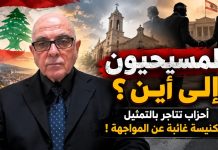
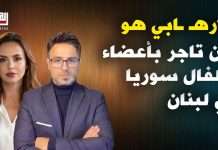
رابط فيديو ونص مقابلة مع توم حرب، مدير التحالف الأميركي الشرق أوسطي/قائد الجيش والمجلس العسكري الجيش متواطئين مع حزب الله..مطلوب اقالتهم ومحاكمتهم/تحرير لبنان حالياً هو إسرائيلي كون مصالح البلدين متلاقية على الخلاص من حزب الله والإحتلال الإيراني/الانسحاب الإسرائيلي مرتبط بتنفيذ لبنان التزاماته الأمنية والعسكرية/انفاق حزب الله في المختارة وكسروان وجبيل وكل لبنان/Interview with Tom Harb
رابط فيديو ونص مقابلة مع توم حرب، مدير التحالف الأميركي الشرق أوسطي/قائد الجيش والمجلس العسكري الجيش متواطئين مع حزب الله..مطلوب اقالتهم ومحاكمتهم/تحرير لبنان حالياً هو إسرائيلي كون مصالح البلدين متلاقية على الخلاص من حزب الله والإحتلال الإيراني/الانسحاب الإسرائيلي مرتبط، بتنفيذ لبنان التزاماته الأمنية والعسكرية/انفاق حزب الله في المختارة وكسروان وجبيل وكل لبنان/
أجرى المقابلة الإعلامي وليد عبود من صوت كل لبنان 26 آب/2026
مقدمة
تناولت هذه المقابلة ضمن برنامج “الحكي يوصل” مع الأستاذ توم حرب، مدير التحالف الأميركي الشرق أوسطي، التطورات السياسية والعسكرية المرتبطة بالوضع في جنوب لبنان، والمفاوضات الجارية بين لبنان وإسرائيل برعاية أميركية ودولية. كما تطرقت إلى ملف سلاح حزب الله، ودور الجيش اللبناني، ومواقف الإدارة الأميركية، وانعكاسات التحركات الدبلوماسية اللبنانية في روما وواشنطن، إضافة إلى قراءة لمستقبل العلاقات اللبنانية ـ الإسرائيلية ولعدد من الشخصيات اللبنانية والإقليمية.
الخلاصة
تمحورت المقابلة حول قناعة توم حرب بأن مستقبل لبنان الأمني والسياسي مرتبط بحسم ملف سلاح حزب الله، وأن المجتمع الدولي، وخصوصاً الولايات المتحدة، لن يقدم دعماً فعلياً للبنان قبل تنفيذ إصلاحات أمنية وسيادية جذرية. كما ركزت المقابلة على انتقاد أداء المؤسسة العسكرية اللبنانية، والدعوة إلى دور دولي أكثر حزماً في الجنوب، وربط أي انسحاب إسرائيلي أو تسوية سياسية شاملة بتنفيذ الدولة اللبنانية التزاماتها الأمنية والعسكرية.
أبرز المواضيع التي تناولتها المقابلة
مفاوضات روما وواشنطن ومستقبل الجنوب
اعتبر توم حرب أن جوهر المفاوضات الحالية يتمحور حول تنفيذ التفاهمات التي تم التوصل إليها سابقاً بشأن نزع سلاح حزب الله وانتشار الجيش اللبناني.
رأى أن الانسحاب الإسرائيلي مرتبط، وفق وجهة نظره، بتنفيذ الدولة اللبنانية التزاماتها الأمنية والعسكرية أولاً.
ملف سلاح حزب الله
شدد على أن المجتمع الدولي والولايات المتحدة يعتبران أن مشكلة حزب الله أصبحت مشكلة لبنانية داخلية أكثر منها مشكلة إسرائيلية.
دعا إلى تفكيك البنية العسكرية والتنظيمية للحزب على كامل الأراضي اللبنانية وليس فقط جنوب الليطاني.
انتقادات حادة لقيادة الجيش اللبناني
وجه انتقادات شديدة لقيادة الجيش والمجلس العسكري.
اتهم القيادة العسكرية بعدم تنفيذ قرارات السلطة السياسية المتعلقة بسلاح حزب الله.
تحدث عن وجود أزمة ثقة بين بعض الدوائر الأميركية وقيادة الجيش اللبناني.
العلاقة بين الرئاسة وقيادة الجيش
أشار إلى وجود تباعد متزايد بين رئيس الجمهورية جوزيف عون وقيادة الجيش.
توقع احتمال حصول تغييرات داخل المؤسسة العسكرية نتيجة الضغوط الدولية والتطورات السياسية.
دور الولايات المتحدة وإدارة ترامب
أكد أن إدارة الرئيس دونالد ترامب تسعى إلى إحداث تغيير جذري في الوضع اللبناني.
رأى أن أي مساعدات أميركية أو دولية مستقبلية ستكون مرتبطة بإجراءات لبنانية ملموسة تجاه سلاح حزب الله والإصلاحات الأمنية.
الطرح المتعلق بالقوات الدولية والفصل السابع
دعا إلى نشر قوة دولية تحت الفصل السابع من ميثاق الأمم المتحدة إذا تعذر على الدولة اللبنانية تنفيذ التزاماتها.
اعتبر أن هذا الخيار قد يكون الطريق الأسرع لتفكيك البنية العسكرية لحزب الله.
قضية تلة علي الطاهر والأنفاق
ناقش المزاعم المتعلقة بوجود منشآت وأنفاق عسكرية واسعة تحت تلة علي الطاهر وقلعة الشقيف ومناطق أخرى.
قال إن هذه المعلومات طُرحت خلال اجتماعات ومفاوضات روما، داعياً إلى تحقيقات ومساءلات رسمية لكشف حقيقتها.
الوضع السوري والدور التركي
تحدث عن مخاوف مرتبطة بالتحركات التركية في سوريا وشمال لبنان.
اعتبر أن التفاهمات الأميركية والإسرائيلية والسورية تهدف إلى الحد من التوسع التركي في المنطقة.
ملف السفير الإيراني في لبنان
انتقد بشدة قرار السماح للسفير الإيراني بالبقاء في لبنان.
اعتبر أن الدولة اللبنانية أظهرت ضعفاً في التعاطي مع هذا الملف.
تقييم الشخصيات السياسية اللبنانية
جوزيف عون
رأى أن أداءه شهد تراجعاً بعد بداية واعدة، لكنه عاد مؤخراً إلى التشدد بعد زيارته واشنطن.
نواف سلام
وصفه بأنه صاحب نوايا إيجابية ويحاول العمل لمصلحة لبنان، لكنه يواجه عراقيل من مؤسسات أخرى في الدولة.
رودولف هيكل
اعتبر أن تغييره أو استقالته قد يكونان ضروريين لإحداث تغيير داخل المؤسسة العسكرية.
تقييم شخصيات إقليمية
نعيم قاسم
اعتبر أن تأثيره السياسي والشعبي محدود مقارنة بسلفه حسن نصرالله.
بنيامين نتنياهو
وصفه بأنه نجح في إدارة المواجهات العسكرية على مختلف الجبهات بعد أحداث 7 أكتوبر.
اعتبر أن العقيدة الأمنية الإسرائيلية ستستمر بغض النظر عن نتائج الانتخابات.
مجتبى خامنئي
قال إنه لا يملك معلومات مؤكدة بشأن وضعه الحالي أو دوره الفعلي داخل النظام الإيراني.
Video Link and Transcript of an Interview with Tom Harb, Director of the Middle East American Coalition/The Army Commander and the Military Council Are Complicit with Hezbollah… They Must Be Dismissed and Prosecuted /Lebanon’s Liberation Today Is Being Advanced by Israel Because the Interests of Both Countries Converge on Eliminating Hezbollah and Ending the Iranian Occupation/Israeli Withdrawal Is Linked to Lebanon Fulfilling Its Security and Military Obligations / Hezbollah Tunnels in Mukhtara, Keserwan, Jbeil, and Across Lebanon
Interview Conducted by Journalist Walid Abboud on Sawt Kul Lubnan (Voice of All Lebanon) August 26, 2026
Note/Transcription, editing, summarization, headings, and English translation by Elias Bejjani with complete editorial freedom.
Introduction
This interview, conducted on the program “Al-Haki Youssal” (“The Message Gets Through”) with Tom Harb, Director of the Middle East American Coalition, focused on the political and military developments related to the situation in South Lebanon and the ongoing negotiations between Lebanon and Israel under American and international sponsorship. The discussion also addressed Hezbollah’s weapons, the role of the Lebanese Army, the position of the U.S. administration, the implications of Lebanese diplomatic efforts in Rome and Washington, the future of Lebanese-Israeli relations, and assessments of several Lebanese and regional political figures.
Summary
The interview centered on Tom Harb’s conviction that Lebanon’s political and security future depends on resolving the Hezbollah weapons issue. He argued that the international community, particularly the United States, will not provide meaningful support to Lebanon before the implementation of fundamental security and sovereignty reforms. The discussion also focused on criticism of the Lebanese military establishment, calls for a more decisive international role in South Lebanon, and the view that any Israeli withdrawal or comprehensive political settlement must be linked to Lebanon’s fulfillment of its security and military obligations.
Main Topics Discussed in the Interview Rome and Washington Negotiations and the Future of South Lebanon
Tom Harb argued that the essence of the current negotiations revolves around implementing previously reached understandings concerning Hezbollah’s disarmament and the deployment of the Lebanese Army. He maintained that Israeli withdrawal is contingent upon the Lebanese state first fulfilling its security and military commitments.
The Hezbollah Weapons File
He emphasized that the international community and the United States now view Hezbollah as primarily a Lebanese domestic problem rather than an Israeli one. He called for dismantling the organization’s military and institutional infrastructure throughout Lebanon, not only south of the Litani River.
Sharp Criticism of the Lebanese Army Leadership
Harb directed strong criticism toward the Army Command and the Military Council. He accused the military leadership of failing to implement political decisions related to Hezbollah’s weapons and spoke of a growing crisis of confidence between certain American circles and the Lebanese Army leadership.
Relations Between the Presidency and the Army Leadership
He suggested that an increasing gap has emerged between President Joseph Aoun and the Army Command. He predicted the possibility of changes within the military institution as a result of international pressure and political developments.
The United States and the Trump Administration
Harb asserted that President Donald Trump’s administration is seeking a fundamental transformation of Lebanon’s situation. He argued that future American and international assistance will be tied to concrete Lebanese measures regarding Hezbollah’s weapons and security reforms.
International Forces and Chapter VII
He called for the deployment of an international force under Chapter VII of the United Nations Charter if the Lebanese state proves unable to fulfill its obligations. In his view, this could be the fastest path toward dismantling Hezbollah’s military structure.
The Ali Al-Taher Hill and Tunnel Allegations
Harb discussed allegations concerning extensive military facilities and tunnel networks beneath Ali Al-Taher Hill, Beaufort Castle (Qalaat Al-Shaqif), and other locations. He stated that these issues were raised during meetings and negotiations in Rome and called for official investigations and accountability measures to determine the facts.
The Syrian Situation and the Turkish Role
He expressed concerns regarding Turkish activities in Syria and northern Lebanon. He argued that American, Israeli, and Syrian understandings are aimed at limiting Turkish expansion in the region.
The Iranian Ambassador in Lebanon
Harb strongly criticized the decision to allow the Iranian ambassador to remain in Lebanon, arguing that the Lebanese state displayed weakness in handling the matter.
Assessment of Lebanese Political Figures
Joseph Aoun: Harb stated that Aoun’s performance declined after a promising start, although he believes the president has recently adopted a firmer position following his visit to Washington.
Nawaf Salam: He described Salam as well-intentioned and genuinely trying to serve Lebanon’s interests but facing obstacles from other state institutions.
Rodolphe Haykal:Harb suggested that Haykal’s replacement or resignation may be necessary to bring about meaningful change within the military establishment.
Assessment of Regional Figures
Naim Qassem: Harb argued that Qassem’s political and popular influence is limited compared to that of his predecessor, Hassan Nasrallah.
Benjamin Netanyahu: He described Netanyahu as having successfully managed military confrontations on multiple fronts following the October 7 events. Harb maintained that Israel’s national security doctrine will continue regardless of election outcomes.
Mojtaba Khamenei: Harb stated that he possesses no confirmed information regarding Mojtaba Khamenei’s current status or his actual role within the Iranian regime.