Hezbollah’s Tunnels in Keserwan, Jbeil, and Al-Mukhtara: The Narrative and the Evidence?
Fatima Houhou/Akhbarakum – Akhbarana/August 10/2026
(Translated from Arabic)
أنفاق الحزب في كسروان وجبيل والمختارة .. الرواية والدليل؟
فاطمة حوحو/موقع أخباركم – أخبارنا/10 آب/2026
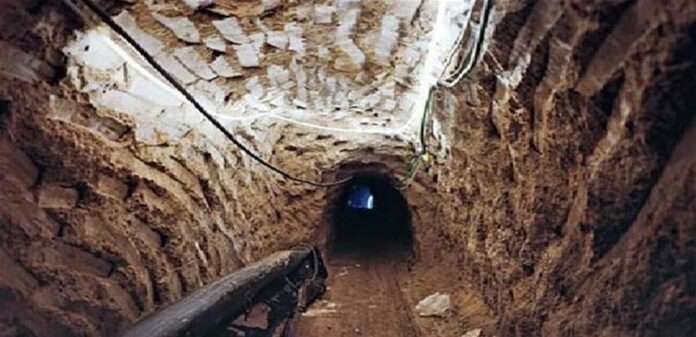
لم تكن عبارة شارل جبور عن أنفاق حزب الله في كسروان وجبيل وصولًا إلى المختارة مجرد تعليق آخر في السجال اللبناني المفتوح. ما أعطاها هذه المرة وزنًا مختلفًا هو أنها لم تُقدَّم باعتبارها معلومة إسرائيلية متداولة، بل باعتبارها خلاصة معلومات حصل عليها الصحافي أنطوني مرشاق من محضر جلسة تفاوض بين لبنان وإسرائيل، نقلًا عن مصادر أميركية. وإذا كانت هذه الرواية دقيقة، فنحن أمام مسألة تتجاوز الجنوب والحدود والمواجهة مع إسرائيل، لتصل إلى سؤال مختلف تمامًا يتعلق بطبيعة البنية العسكرية الموجودة داخل لبنان نفسه.
المشكلة أن المعلومة، رغم خطورتها، لا تزال بلا وثيقة منشورة يمكن العودة إليها. لا نملك محضر جلسة التفاوض، ولا نعرف طبيعة المصدر الأميركي الذي نُقلت عنه، ولا نملك حتى الآن خرائط أو صورًا أو تقارير مستقلة تسمح بالقول إن شبكة أنفاق متصلة تمتد من جنوب الليطاني إلى كسروان وجبيل والمختارة موجودة بالفعل. وهذا التفصيل ليس ثانويًا، لأن المسافة بين معلومة أمنية يجري تداولها وبين حقيقة يمكن البناء عليها سياسيًا وعسكريًا مسافة كبيرة.
لكن المسألة لا تبدأ اليوم. ففي عام 2024 ظهرت روايات إسرائيلية عن وجود منشآت وأنفاق تابعة لحزب الله في مناطق من جبيل وكسروان، وسارع الجيش اللبناني إلى نفي ما وصفه بادعاءات تتعلق بوجود مواقع صاروخية وشبكة أنفاق في تلك المناطق. في المقابل، ظهرت في الإعلام اللبناني روايات أخرى تحدثت عن منشآت وطرق ومواقع تحت الأرض في الجرود، مع اختلاف واضح في تفسير طبيعتها وما إذا كانت ذات طابع عسكري أم مرتبطة بمشاريع مدنية. وهكذا بقيت القضية معلقة بين رواية تنفي ورواية تتهم، من دون أن يصل النقاش اللبناني إلى نتيجة تسمح له بالانتقال من الكلام إلى الدليل.
الجديد الآن ليس فقط إعادة الحديث عن الأنفاق، بل المصدر الذي يُقال إن المعلومة جاءت منه. فحين يُقال إن معلومات عن هذه المنشآت وردت في محضر تفاوض، نقلاً عن مصادر أميركية، يصبح السؤال الأول ليس: هل نصدق أم لا نصدق؟ بل: ما هو هذا المحضر؟ ومن شارك في الجلسة؟ وما الذي ورد فيه تحديدًا؟ وهل الحديث عن أنفاق عسكرية متصلة، أم عن منشآت منفصلة موزعة في مناطق مختلفة؟ وهل كلمة «تمتد» تعني الامتداد الجغرافي لشبكة واحدة، أم أن المقصود وجود بنية تحت الأرض في أكثر من منطقة؟
هذه الأسئلة مهمة لأن العبارة المتداولة تضع كسروان وجبيل والمختارة في خط واحد، وكأننا أمام شبكة واحدة تمتد عبر الجغرافيا اللبنانية. وإذا كان هذا هو المقصود فعلًا، فإن الأمر سيكون مختلفًا جذريًا عن الأنفاق التي عرفها اللبنانيون في الجنوب. أما إذا كان الحديث عن منشآت متفرقة، فإن استخدام كلمة «تمتد» قد يعطي للقارئ انطباعًا أكبر بكثير من حقيقة المعلومة.
ثمة سؤال آخر أكثر إلحاحًا يتعلق بالدولة نفسها. إذا كانت جهة أجنبية تمتلك خرائط كاملة لهذه المنشآت، كما يوحي الكلام المتداول، فهل حصلت الدولة اللبنانية عليها؟ وإذا لم تحصل عليها، فلماذا؟ وإذا كانت حصلت عليها، فما الذي قامت به؟ وهل تستطيع الدولة أصلًا أن تتحقق من المعلومات الواردة إليها بصورة مستقلة؟
هذه ليست أسئلة نظرية. فالدولة التي يُطلب منها اليوم أن تكشف أنفاقًا وتفجرها تحتاج قبل كل شيء إلى أن تعرف أين توجد، وما طبيعتها، ومن يستخدمها، وما إذا كان تفجيرها في مناطق مأهولة أو جبلية يمكن أن يؤدي إلى أخطار أخرى. لذلك فإن الدعوة إلى التفجير الفوري، قبل امتلاك المعلومات والتحقق منها، قد تكون أسهل سياسيًا من عملية الكشف نفسها، لكنها ليست بالضرورة أكثر مسؤولية.
وفي المقابل، لا يجوز أن يتحول غياب الدليل المنشور إلى نفي قاطع. فطبيعة العمل السري تجعل من الطبيعي ألا تكون الخرائط والمعلومات الاستخبارية متاحة للرأي العام. لكن هذا لا يعفي من يطرح معلومة بهذا الحجم من تقديم ما يستطيع تقديمه من قرائن، ولا يعفي الدولة من التعامل معها بجدية والتحقق منها.
ربما تكون القضية الأهم التي كشفتها هذه القصة هي أننا، في لبنان، نعيش مرة أخرى أمام معلومات أمنية بالغة الخطورة تصل إلى الناس من خارج المؤسسات الرسمية. صحافي ينقل عن مصادر، وسياسي ينقل عن صحافي، ووسائل إعلام تعيد النقل، ثم يتحول الكلام بعد ساعات إلى «حقيقة» في النقاش العام. وفي النهاية لا يعود أحد يعرف أين تنتهي المعلومة وأين يبدأ الاستنتاج.
لهذا فإن المطلوب ليس تصديق الرواية ولا إسقاطها. المطلوب أن نعرف.
أن نعرف هل توجد بالفعل منشآت عسكرية لحزب الله في كسروان وجبيل والشوف، وما طبيعتها، ومتى أنشئت، وما الغاية منها، وهل هي مستقلة عن شبكة الجنوب أم جزء من منظومة أوسع. وأن نعرف، قبل ذلك كله، ما الذي قاله محضر جلسة التفاوض الذي يستند إليه هذا الكلام.
فإذا كانت الخرائط موجودة، فليكن السؤال: لماذا لا تصل إلى الدولة اللبنانية؟ وإذا كانت الدولة تملكها، فليكن السؤال: ماذا فعلت بها؟ وإذا لم تكن هناك خرائط أصلًا، فمن أين جاءت الرواية؟
Hezbollah’s Tunnels in Keserwan, Jbeil, and Al-Mukhtara: The Narrative and the Evidence?
Fatima Houhou/Akhbarakum – Akhbarana/August 10/2026
(Translated from Arabic)
Charles Jabbour’s remark regarding Hezbollah’s tunnels stretching from Keserwan and Jbeil all the way to Al-Mukhtara was not merely another passing comment in Lebanon’s open-ended political polemic. What gave it a different weight this time is that it was not presented as circulating Israeli intelligence, but rather as the summation of information obtained by journalist Anthony Mershak from the minutes of a negotiation session between Lebanon and Israel, citing American sources. If this account is accurate, we are confronting an issue that transcends the south, the borders, and the confrontation with Israel, raising an entirely different question concerning the nature of the military infrastructure embedded within Lebanon itself.
The problem is that the information, despite its gravity, remains devoid of any published document that can be referenced. We do not possess the minutes of the negotiation session, we do not know the nature of the American source cited, and we still lack maps, photographs, or independent reports that would allow us to assert that a connected network of tunnels extending from south of the Litani to Keserwan, Jbeil, and Al-Mukhtara actually exists. This detail is far from secondary, because the gap between a piece of security intelligence being circulated and a verified reality upon which political and military action can be built is vast.
Yet, this issue did not begin today. In 2024, Israeli narratives emerged alleging the existence of Hezbollah facilities and tunnels in parts of Jbeil and Keserwan, prompting the Lebanese Army to swiftly deny what it described as claims regarding the presence of rocket sites and tunnel networks in those areas. Conversely, other accounts surfaced in the Lebanese media detailing underground facilities, roads, and sites in the mountainous hinterlands (the juroud), with a sharp divergence in interpreting their nature and whether they served military purposes or were tied to civilian projects. Thus, the issue remained suspended between a narrative of denial and a narrative of accusation, without the Lebanese debate reaching a conclusion that would allow it to transition from rhetoric to evidence.
What is new now is not only the resurgence of talk about tunnels, but the source from which the information reportedly originates. When it is claimed that details regarding these facilities appeared in a negotiation transcript, relayed via American sources, the primary question becomes not whether to believe it or not, but: What is this transcript? Who participated in the session? What specifically was stated? Does the talk refer to interconnected military tunnels or separate, distributed facilities across various regions? And does the word “extends” imply the geographical continuity of a single network, or the existence of underground infrastructure across multiple distinct areas?
These questions are vital because the circulating phrase places Keserwan, Jbeil, and Al-Mukhtara on a single line, as if we are dealing with a unified network stretching across Lebanese geography. If this is indeed what is meant, the situation would differ radically from the tunnels familiar to the Lebanese in the south. If, however, the reference is to scattered facilities, using the word “extends” might create an impression in the reader’s mind far exceeding the actual reality of the information.
Another, more pressing question relates to the state itself. If a foreign entity possesses complete maps of these facilities, as the circulating discourse suggests, has the Lebanese state received them? If it has not, why? If it has received them, what action has it taken? And is the state even capable of independently verifying the information handed to it?
These are not theoretical questions. A state that is asked today to uncover tunnels and dismantle them must, above all else, know where they are located, what their nature is, who uses them, and whether demolishing them in populated or mountainous regions could trigger secondary hazards. Consequently, calls for immediate demolition prior to acquiring and verifying information may be politically easier than the actual process of detection, but they are not necessarily the most responsible course of action.
Conversely, the absence of published evidence must not translate into an absolute denial. The nature of clandestine operations makes it natural for maps and intelligence data to remain outside the public domain. However, this does not exempt those who introduce information of this magnitude from providing whatever corroborating clues they can muster, nor does it absolve the state from treating the matter seriously and verifying it.
Perhaps the most significant issue exposed by this episode is that, in Lebanon, we find ourselves once again confronting high-stakes security information reaching the public from outside official institutions. A journalist cites sources, a politician cites the journalist, media outlets rebroadcast the claim, and within hours the discourse hardens into “fact” within the public debate. In the end, no one can distinguish where the raw information ends and the speculation begins. Therefore, the objective is neither to blindly believe the narrative nor to dismiss it. The objective is to know.
To know whether Hezbollah military facilities truly exist in Keserwan, Jbeil, and the Chouf; what their nature, date of establishment, and purpose are; and whether they are independent of the southern network or part of a broader system. And above all else, to know what was stated in the negotiation session transcript upon which these claims rely.
If the maps exist, the question must be: Why have they not reached the Lebanese state? If the state possesses them, the question must be: What has it done with them? And if no maps exist in the first place, where did the narrative originate?