بيان صادر عن لقاء اللبنانيين الشيعة/الترهيب ليس جواباً على الأسئلة المطروحة
17 حزيران/2026
Statement Issued by the Lebanese Shiites Gathering: Intimidation Is Not an Answer to the Questions Raised
June 17, 2026
Don’t let the narrative become a grave for the truth… “The expansion of Shiite cemeteries is not an achievement”
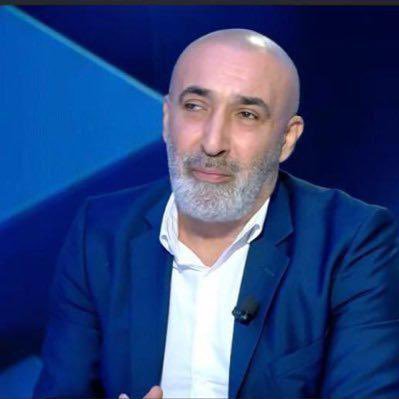
Mohammad Al-Amin/Facebook/June 17, 2026
لا تجعلوا السردية قبراً للحقيقة …”اتساع المقابر الشيعية ليس إنجازاً”
محمد الأمين/فايسبوك/17 حزيران/2026
من حق ابناء الطائفة الشيعية أن يسألوا القوى “الثنائي المسلح” التي حكمته لعقود: ماذا كانت حصيلة مشروعكم؟ وما الذي تركتموه للناس بعد كل هذه السنوات من الشعارات والتضحيات والوعود؟
في الحالة الشيعية، يزداد هذا السؤال إلحاحاً. فمنذ عقود، جرى تقديم مشروع الجمهورية الإسلامية في إيران بوصفه مشروعاً للحماية والكرامة والقوة والانتصار. لكن بعد كل هذه السنوات، ماذا يرى الناس حولهم؟ هل يرون دولة أقوى؟ هل يرون اقتصاداً مزدهراً؟ هل يرون مؤسسات أكثر قدرة على خدمة المواطنين؟ هل يرون شباباً يتمسكون بأرضهم ومستقبلهم؟ أم أنهم يرون قرى مدمرة، وأسراً مفجوعة، وموجات هجرة متزايدة، ومقابر تتسع عاماً بعد عام؟
لا يمكن لأي خطاب سياسي أن يلغي حقيقة أن المجتمعات تُقاس بقدرتها على إنتاج الحياة،أما حين يصبح الموت حدثاً يومياً، وحين تتحول الخسائر البشرية إلى أرقام اعتيادية في نشرات الأخبار والخطب الحماسية ، فإن المجتمع يكون قد دخل دائرة خطيرة من التطبيع مع المأساة.
لقد دفعت الطائفة الشيعية في لبنان أثماناً بشرية هائلة خلال العقود الماضية. آلاف الشبان فقدوا حياتهم في حروب وصراعات متلاحقة، وعشرات الآلاف من العائلات عاشت تجربة الفقد والخوف والتهجير. ومع كل جولة جديدة، يُطلب من الناس المزيد من الصبر والمزيد من التضحيات، فيما تتراجع شروط الحياة الكريمة وتتفاقم الأزمات الاقتصادية والاجتماعية.
المشكلة لا تكمن فقط في حجم الخسائر، بل في تحويل هذه الخسائر إلى جزء من خطاب سياسي يعتبر أن استمرار النزيف دليل قوة، وأن كثرة الضحايا دليل صواب. والحقيقة أن أي مشروع يحتاج باستمرار إلى دماء أبنائه كي يبرر وجوده هو مشروع مطالب بالمراجعة والمحاسبة، لا بالمزيد من التقديس.
إن اتساع المقابر الشيعية ليس انتصاراً لأحد. إنه شهادة مؤلمة على كلفة الخيارات التي فُرضت على الناس أو قُدمت لهم على أنها قدر لا مفر منه. وهو يطرح سؤالاً أخلاقياً وسياسياً أساسياً: ألم يحن الوقت للبحث عن مشروع يحمي حياة الناس بدل استهلاكها؟
إن الوفاء الحقيقي للذين رحلوا لا يكون بتكرار الأسباب التي أدت إلى رحيلهم، بل بمنع تكرار المأساة.
في الخلاصة، يتحمل “الثنائي المسلح” المسؤولية الرئيسية عن هذا المسار نتيجة القرارات السياسية والأمنية والعسكرية التي اتخذها خارج إطار الدولة ومؤسساتها، وما ترتب عليها من تداعيات بشرية واجتماعية جسيمة أثرت في المجتمع على نطاق واسع.
غير أن المسؤولية لا تقتصر على صناع القرار فحسب، بل تمتد أيضاً إلى حالة الصمت الشعبي العام التي أسهمت في ترسيخ هذا الواقع وقبوله من دون مساءلة فعلية أو محاسبة جادة.
إن استمرار هذا الصمت، في ظل غياب مراجعة موضوعية وشاملة، يبقي احتمال تكرار التجربة قائماً، ويؤخر فرص تصحيح المسار والحد
من استمرار التدهور.
Don’t let the narrative become a grave for the truth… “The expansion of Shiite cemeteries is not an achievement”
Mohammad Al-Amin/Facebook/June 17, 2026
The Shiite community has the right to ask the “armed duo” that ruled them for decades: What has been the outcome of your project? What have you left for the people after all these years of slogans, sacrifices, and promises?
In the Shiite case, this question is becoming increasingly urgent. For decades, the Islamic Republic project in Iran was presented as a project of protection, dignity, strength, and victory. But after all these years, what do people see around them? Do they see a stronger state? Do they see a thriving economy? Do they see institutions more capable of serving citizens? Do they see young people clinging to their land and their future? Or do they see destroyed villages, grieving families, increasing waves of emigration, and cemeteries that expand year after year?
No political discourse can negate the fact that societies are measured by their capacity to produce life. When death becomes a daily occurrence, and when human losses are reduced to mere statistics in news reports and impassioned speeches, society enters a dangerous cycle of normalization with tragedy.
The Shiites community in Lebanon has paid an enormous human price over the past decades. Thousands of young men have lost their lives in successive wars and conflicts, and tens of thousands of families have endured loss, fear, and displacement. With each new round of violence, people are asked for more patience and more sacrifices, while the conditions for a dignified life deteriorate and economic and social crises worsen.
The problem lies not only in the scale of the losses, but also in the transformation of these losses into part of a political discourse that considers the continued bloodshed a sign of strength and the large number of victims a proof of righteousness. The truth is that any project that constantly needs the blood of its own people to justify its existence is a project that demands review and accountability, not further sanctification.
The expansion of Shia cemeteries is not a victory for anyone. It is a painful testament to the cost of choices imposed on people or presented to them as an inevitable fate. It raises a fundamental ethical and political question: Isn’t it time to seek a project that protects people’s lives instead of consuming them?
True loyalty to those who have passed away lies not in repeating the reasons that led to their deaths, but in preventing the tragedy from recurring.
In conclusion, the “armed duo” bears primary responsibility for this trajectory due to the political, security, and military decisions it made outside the framework of the state and its institutions, and the resulting grave human and social repercussions that have affected society on a broad scale.
However, responsibility is not limited to decision-makers alone, but also extends to the general public’s silence, which has contributed to entrenching this reality and accepting it without any real accountability or serious reckoning.
(Google translation from Arabic)
بيان صادر عن لقاء اللبنانيين الشيعة/الترهيب ليس جواباً على الأسئلة المطروحة
17 حزيران/2026
يتابع لقاء اللبنانيين الشيعة تصاعد التهديدات وحملات الترهيب التي تستهدف المعارضين والمعارضات الشيعة بسبب مواقفهم السياسية وممارستهم حقهم الطبيعي في النقد وإبداء الرأي. إن حرية التعبير حق يكفله الدستور، ولا يجوز تحويل الاختلاف في الرأي إلى ذريعة للتخوين أو التحريض أو التهديد.
إنّ اللجوء إلى الترهيب ومحاولات إسكات الأصوات الحرة لا يشكل جواباً على الأسئلة المطروحة، ولا معالجةً للأخطاء المرتكبة، بل يعكس عجزاً عن تقبّل الرأي الآخر ومواجهة الحقائق بمسؤولية وشجاعة. ومن هنا، ندعو مطلقي هذه التهديدات إلى الكف الفوري عن هذه الممارسات، والانشغال بمراجعة السياسات والخيارات التي أوصلت البلاد والطائفة الشيعية إلى ما هي عليه، بدل السعي إلى إخضاع المجتمع لمنطق الخوف وإسكات كل صوت حر ومستقل. كما نطالب الدولة اللبنانية بتحمل مسؤولياتها الكاملة في حماية جميع المواطنين، واتخاذ الإجراءات القانونية اللازمة بحق كل من يحرّض على العنف أو يمارس التهديد والاعتداء، وضمان حق اللبنانيين، ومن بينهم أبناء الطائفة الشيعية، في التعبير الحر عن آرائهم ومواقفهم من دون خوف أو ترهيب.
Statement Issued by the Lebanese Shiites Gathering: Intimidation Is Not an Answer to the Questions Raised
June 17, 2026
The Lebanese Shiites Gathering continues to monitor the escalating threats and intimidation campaigns targeting Shia opposition figures for their political stances and their exercise of their natural right to criticize and express their opinions. Freedom of expression is a constitutionally guaranteed right, and differences of opinion should not be used as a pretext for accusations of treason, incitement, or threats. Resorting to intimidation and attempts to silence free voices do not constitute an answer to the questions raised, nor do they rectify past mistakes. Rather, they reflect an inability to accept differing opinions and to confront the facts responsibly and courageously. Therefore, we call on those issuing these threats to immediately cease these practices and instead focus on reviewing the policies and choices that have brought the country and the Shiites community to their current state, rather than attempting to subject society to the logic of fear and silence every free and independent voice. We also demand that the Lebanese state assume its full responsibilities in protecting all citizens, and take the necessary legal measures against anyone who incites violence or practices threats and aggression, and guarantee the right of the Lebanese, including members of the Shiite community, to freely express their opinions and positions without fear or intimidation.
(Google translation from Arabic)