نهاية قريبة وغير سهلة لحرب المراوغة بين أميركا وإيران
ألبرتو م. فرنانديز/ موقع ناشيونال كاثوليك ريجستر/26 أيار 2026
(ترجمة من الإنكليزية بواسطة مواقع ترجمة الكترونية)
An Uneasy End to an Elusive War with Iran Draws Near
Alberto M. Fernandez/National Catholic Register/May 26, 2026
ANALYSIS: Even as both sides trade threats and boasts, the United States and Iran appear closer to a negotiated end to their 39-day conflict.
It was a textbook case in media manipulation. On Saturday, May 23, information began to filter on Middle East media platforms that the United States and Iran had basically concluded an agreement to end their 39-day war, a conflict that has, more or less, been in abeyance since a shaky ceasefire was declared on April 8.
The initial news was of an agreement, a Memorandum of Understanding, highly favorable to Iran that would continue with a 60-day ceasefire to negotiate remaining disagreements, including on Iran’s nuclear program. Pro-Iranian sources and critics of the Trump administration worldwide gloated that Iran would not only receive billions of dollars in frozen funds but also much-sought sanctions relief.
An Iranian Foreign Ministry spokesman posted a picture on Twitter of a third-century rock relief carving at Naqsh-e-Rostam showing a victorious Iranian king, Shapur I, humiliating the Roman Empire, with the Emperor Valerian, the only Roman ruler ever taken as a prisoner of war, in A.D. 260, kneeling in submission. The clear implication was that President Trump, “the emperor,” had come to terms. “In the Roman mind, Rome was the undisputed center of the world. Yet the Iranians shattered that illusion.”
After taking a beating on social media, the White House began to push back, speaking on background that the MOU commits Iran to not having nuclear weapons and to surrendering its enriched uranium. “Unlike past agreements where America paid Iran upfront and hoped they’d comply, this MOU is structured so Iran gets nothing until they deliver. That’s the difference between a dealmaker and a hostage payer.” President Trump himself on May 24 added that “the deal with Iran will either be a great and meaningful one or there will be no deal.” A later Trump message on Truth Social raised the possibility of a return to war.
What are we to make of this mutual, continuous bluster? It seems clear that, despite the rhetoric, there is some sort of agreement on 90-95% of the issues. Those that remain are some of the most contentious.
President Trump is, almost simultaneously, signaling a warm peace with Iran (something that would seem to go against a basic premise of the regime, enmity towards America), or a draconian one where Iran takes several significant actions and then is rewarded, or a return to war. The Iranian regime’s messaging is even more triumphant and blustering than that of Trump.
This is not so surprising given that the regime was struggling to survive even before the war. The U.S. president and his party can lose an election; the Iranian regime faces a restive population, a new (and probably more radical) leadership, and regional enemies that will try to make sure that Iran’s seemingly temporary advantage in closing the Strait of Hormuz is not repeated. But the rhetoric on both sides seems to make an agreement more elusive. Pope Leo XIV might have been referring to our current situation when, in Magnifica Humanitas, he warns that “communication networks, fragmented information environments and algorithms that reward conflict can magnify polarization and resentment, increase propaganda and make shared discernment more difficult.” There is a lot of noise on a possible peace accord right now, and most of it is unhelpful and deceptive.
The Americans have signaled that it may take several days to iron out some of the last kinks in the MOU given the slow Iranian decision-making process. Hajj season, the Islamic pilgrimage to Mecca, ends this week and pilgrims have to leave Saudi Arabia no later than May 30. If there is more conflict, that could be when it happens, after the Hajj.
A return to outright war by the Americans seems unlikely. Our Arab regional partners want the war to end. There are tremendous global inflationary and energy supply pressures still building which threaten to wreck the international economy. Americans are divided on the war and unhappy with inflation. Some advanced ammunition is supposedly in short supply. At best, there could be a short, destructive spike of new air strikes and a continued naval blockade. Many experts don’t expect such an action to substantially change the situation, at least not quickly.
What is clear is that the Iranian regime survives this conflict more or less intact. Whether in the long run it is weakened internally or not will only be apparent months later. The Iranian regime’s own internal pressures and contradiction have certainly not been solved or ameliorated by this war. It will still have to decide whether it can afford to continue along the expensive path of constant aggression against its neighbors at the expense of the well-being of its own unhappy people. How much, or even if, this conflict has weakened the U.S.’s military or political standing in the world is also not clear. It seems that it has, but how much and to what end will only be clearer over time. Past American supposed debacles have turned out to be far less severe and dramatic than believed at the time. But this Iran War could quite possibly be the very last of the large direct American military interventions in the Middle East, which stretched across several administrations from 1991 to 2026. That is something that many Americans, and even many supporters of the current administration, would actually like to see.
*Alberto M. Fernandez is a former U.S. diplomat and a contributor at EWTN News.
نهاية قريبة وغير سهلة لحرب المراوغة بين أميركا وإيران
ألبرتو م. فرنانديز/ موقع ناشيونال كاثوليك ريجستر/26 أيار 2026
(ترجمة من الإنكليزية بواسطة مواقع ترجمة الكترونية)
تحليل: حتى في الوقت الذي يتبادل فيه الجانبان التهديدات والمفاخرة، تبدو الولايات المتحدة وإيران أقرب إلى نهاية تفاوضية لصراعهما الذي دام 39 يومًا.
لقد كانت هذه حالة نموذجية في التلاعب الإعلامي. ففي يوم السبت، 23 مايو، بدأت المعلومات تتسرب عبر المنصات الإعلامية في الشرق الأوسط تفيد بأن الولايات المتحدة وإيران قد أبرمتا مبدئيًا اتفاقًا لإنهاء حربهما المستمرة منذ 39 يومًا، وهو صراع كان في حالة ركود إلى حد ما منذ إعلان وقف هش لإطلاق النار في 8 أبريل.
وكانت الأنباء الأولية تتحدث عن اتفاق، أو مذكرة تفاهم، مواتية للغاية لإيران، تقضي بالاستمرار في وقف إطلاق النار لمدة 60 يومًا للتفاوض بشأن الخلافات المتبقية، بما في ذلك برنامج إيران النووي. وشمتت المصادر الموالية لإيران والمنتقدون لإدارة ترامب في جميع أنحاء العالم، زاعمين أن إيران لن تحصل على مليارات الدولارات من الأموال المجمدة فحسب، بل ستحصل أيضًا على تخفيف للعقوبات التي طالما سعت إليه.
ونشر متحدث باسم وزارة الخارجية الإيرانية صورة على تويتر لمنحوتة صخرية بارزة تعود للقرن الثالث الميلادي في “نقش رستم”، تظهر ملكًا إيرانيًا منتصرًا، هو شابور الأول، وهو يذل الإمبراطورية الرومانية، حيث يظهر الإمبراطور فاليريان -وهو الحاكم الروماني الوحيد الذي وقع أسير حرب على الإطلاق في عام 260 م- جاثيًا على ركبتيه في حالة خضوع. وكان المغزى الواضح هو أن الرئيس ترامب، “الإمبراطور”، قد رضح للشروط. وجاء في التعليق: “في العقلية الرومانية، كانت روما هي مركز العالم بلا منازع. ومع ذلك، حطم الإيرانيون هذا الوهم”.
وبعد تعرضه لانتقادات لاذعة على وسائل التواصل الاجتماعي، بدأ البيت الأبيض في الرد والدفاع، متحدثًا في تصريحات غير رسمية (بصفتها خلفية معلوماتية) بأن مذكرة التفاهم تلزم إيران بعدم امتلاك أسلحة نووية والتخلي عن اليورانيوم المخصب لديها. وأضاف: “على عكس الاتفاقيات السابقة حيث كانت أمريكا تدفع لإيران مقدمًا وتأمل أن تمتثل، فإن مذكرة التفاهم هذه مهيكلة بحيث لا تحصل إيران على شيء حتى توفي بالتزاماتها. هذا هو الفارق بين صانع صفقات ودافع فدية”. وأضاف الرئيس ترامب نفسه في 24 مايو أن “الاتفاق مع إيران إما أن يكون عظيمًا وهادفًا أو لن يكون هناك اتفاق على الإطلاق”. وأثارت رسالة لاحقة لترامب على منصة “تروث سوشيال” احتمال العودة إلى الحرب.
ما الذي يجب أن نفهمه من هذا التباهي المتبادل والمستمر؟ يبدو من الواضح أنه على الرغم من الخطاب التصعيدي، فإن هناك نوعًا من الاتفاق على 90-95% من القضايا. أما القضايا المتبقية فهي من بين أكثر القضايا إثارة للجدل.
فالرئيس ترامب يرسل، في الوقت نفسه تقريبًا، إشارات تدل على سلام دافئ مع إيران (وهو أمر يبدو أنه يتعارض مع Premise (المنطلق الأساسي) للنظام، وهو العداء لأمريكا)، أو سلام صارم تتخذ فيه إيران عدة إجراءات هامة ثم تُكافأ بعد ذلك، أو العودة إلى الحرب. أما خطاب النظام الإيراني فهو أكثر تبجحًا ومفاخرة من خطاب ترامب.
وليس هذا بالأمر المستغرب بالنظر إلى أن النظام كان يكافح من أجل البقاء حتى قبل الحرب. فالرئيس الأمريكي وحزبه يمكن أن يخسرا الانتخابات؛ أما النظام الإيراني فيواجه شعبًا مضطربًا، وقيادة جديدة (وربما أكثر راديكالية)، وأعداء إقليميين سيحاولون ضمان عدم تكرار الميزة المؤقتة التي حققتها إيران على ما يبدو في إغلاق مضيق هرمز. لكن الخطاب على الجانبين يبدو أنه يجعل الاتفاق أكثر مراوغة وصعوبة. وربما كان البابا ليو الرابع عشر يشير إلى وضعنا الحالي عندما حذر في رسالته “Magnifica Humanitas” من أن “شبكات الاتصال، وبيئات المعلومات المجزأة، والخوارزميات التي تكافئ الصراع يمكن أن تضخم الاستقطاب والاستياء، وتزيد من البروباغندا (البروباغندا السياسية)، وتجعل التمييز المشترك أكثر صعوبة”. هناك الكثير من الضجيج حول اتفاق سلام محتمل في الوقت الحالي، ومعظمه غير مفيد ومضلل.
وقد أشار الأمريكيون إلى أن الأمر قد يستغرق عدة أيام لتسوية بعض العقبات الأخيرة في مذكرة التفاهم نظرًا لبطء عملية صنع القرار الإيرانية. وينتهي موسم الحج، وهو الرحلة الإسلامية المقدسة إلى مكة، هذا الأسبوع، ويتعين على الحجاج مغادرة المملكة العربية السعودية في موعد لا يتجاوز 30 مايو. وإذا كان هناك المزيد من الصراع، فقد يحدث ذلك بعد انتهاء الحج.
يبدو أن عودة الأمريكيين إلى حرب شاملة أمر غير مرجح. فشركاؤنا الإقليميون العرب يريدون إنهاء الحرب. وهناك ضغوط تضخمية هائلة وضغوط على إمدادات الطاقة العالمية لا تزال تتصاعد وتستمر في التراكم، مما يهدد بتدمير الاقتصاد الدولي. والأمريكيون منقسمون بشأن الحرب وغير راضين عن التضخم. ويُعتقد أن هناك نقصًا في بعض الذخائر المتقدمة. وفي أفضل الأحوال، قد تكون هناك طفرة قصيرة ومدمرة من الضربات الجوية الجديدة واستمرار الحصار البحري. ولا يتوقع العديد من الخبراء أن يؤدي مثل هذا الإجراء إلى تغيير الوضع بشكل جوهري، على الأقل ليس سريعًا.
ما هو واضح هو أن النظام الإيراني ينجو من هذا الصراع سليمًا إلى حد ما. وسواء كان سيضعف داخليًا على المدى الطويل أم لا، فإن ذلك لن يظهر إلا بعد مرور أشهر. إن الضغوط والتناقضات الداخلية للنظام الإيراني نفسه لم تُحل أو تُخفف بالتأكيد بسبب هذه الحرب. وسيتعين عليه لاحقًا أن يقرر ما إذا كان بإمكانه الاستمرار في المسار المكلف المتمثل في العدوان المستمر ضد جيرانه على حساب رفاهية شعبه غير السعيد. كما أنه ليس من الواضح أيضًا مدى إضعاف هذا الصراع للمكانة العسكرية أو السياسية للولايات المتحدة في العالم، أو إن كان قد أضعفها أصلاً. يبدو أنه قد فعل ذلك، ولكن مدى هذا الضعف وإلى أي غاية لن يتضح إلا بمرور الوقت. فقد تبين أن الإخفاقات الأمريكية المفترضة في الماضي كانت أقل خطورة وإثارة بكثير مما كان يُعتقد في ذلك الوقت. ولكن من المحتمل جدًا أن تكون حرب إيران هذه هي آخر التدخلات العسكرية الأمريكية المباشرة الكبيرة في الشرق الأوسط، والتي امتدت عبر عدة إدارات من عام 1991 إلى عام 2026. وهذا أمر يود العديد من الأمريكيين، وحتى العديد من مؤيدي الإدارة الحالية، رؤيته بالفعل.
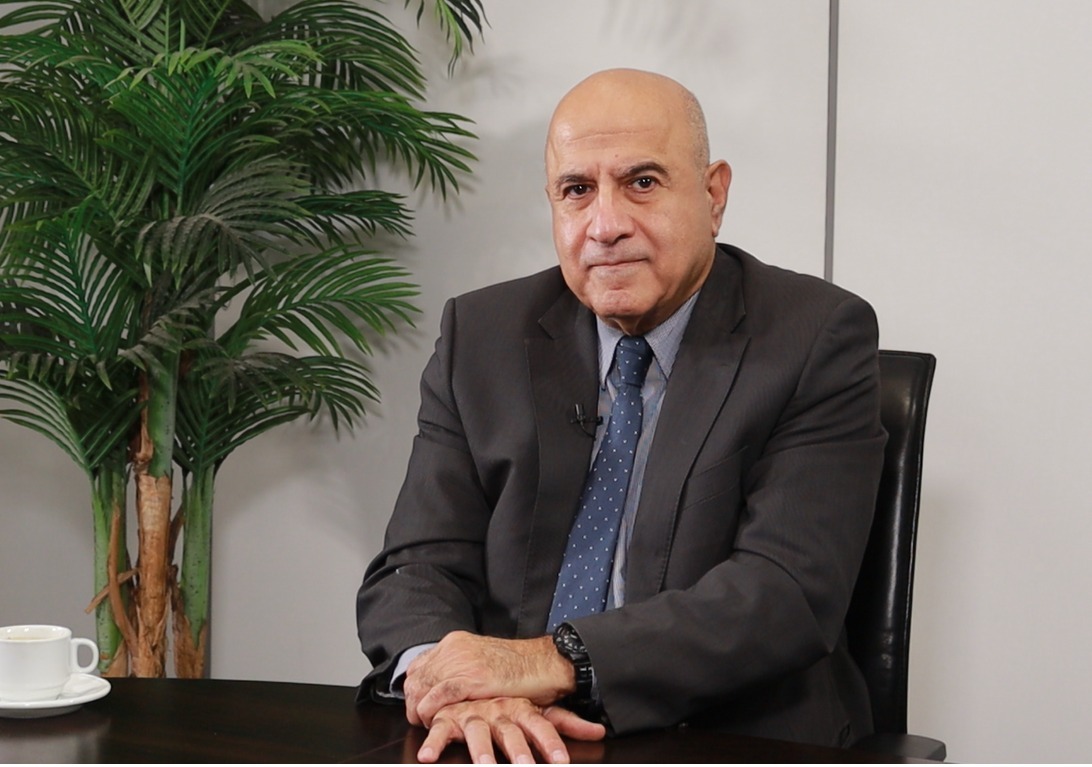
ألبرتو م. فرنانديز هو دبلوماسي أمريكي سابق ومساهم في شبكة “إي ووت تين” (EWTN) الإخبارية.