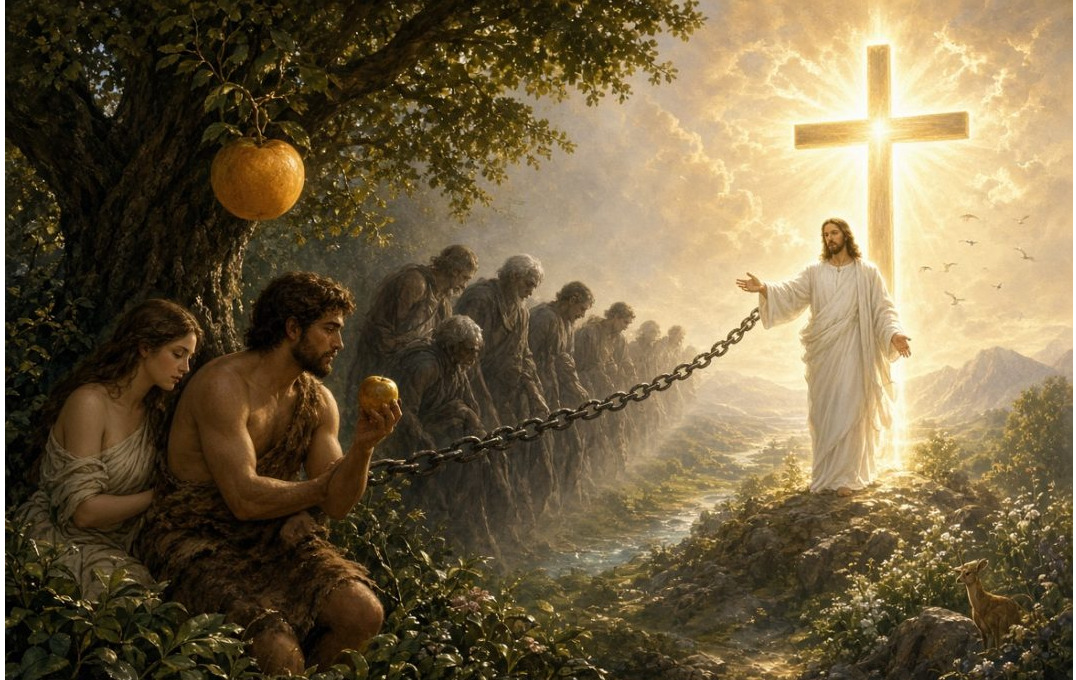
السؤال: لماذا أواجه عواقب خطية آدم وأنا لم آكل من شجرة التفاح المحرمة في الجنة؟
نقلا عن موقع GotQuestions.org
14 تشرين الثاني/2026
(ترجمة من الإنكليزية بواسطة الذكاء الإصطناعي)
Question: Why do I face the consequences of Adam’s sin when I did not eat the fruit?
GotQuestions.org/November 13/2026
Answer: The Bible says, “Sin entered the world through one man, and death through sin, and in this way death came to all men, because all sinned” (Romans 5:12). It was through Adam that sin entered the world. When Adam sinned, he immediately died spiritually—his relationship with God was broken—and he also began dying physically—his body began the process of growing old and dying. From that point on, every person born has inherited Adam’s sin nature and suffered the same consequences of spiritual and physical death.
We are born physically alive but spiritually dead. This is why Jesus told Nicodemus, “You must be born again” (John 3:7). Physical birth provides us with a sinful human nature; spiritual rebirth provides us with a new nature, “created to be like God in true righteousness and holiness” (Ephesians 4:24).
It may not seem fair to be saddled with Adam’s sin nature, but it’s eminently consistent with other aspects of human propagation. We inherit some physical characteristics such as eye color from our parents, and we also inherit some of their spiritual characteristics. Why should the passing on of spiritual traits be any different from the transmission of physical traits? We may complain about having brown eyes when we wanted blue, but our eye color is simply a matter of genetics. In the same way, having a sin nature is a matter of “spiritual genetics”; it’s a natural part of life.
However, the Bible says we are sinners by deed as well as by nature. We are sinners twice over: we sin because we are sinners (Adam’s choice), and we are sinners because we sin (our choice). “All have sinned and fall short of the glory of God” (Romans 3:23). We are more than potential sinners; we are practicing sinners. “Each one is tempted when, by his own evil desire, he is dragged away” (James 1:14). A driver sees the speed limit sign; he exceeds the limit; he gets a ticket. He can’t blame Adam for that.
“I did not eat the fruit.” True, but Scripture says that we, individually and as a human race, were all represented by Adam. “In Adam all die” (1 Corinthians 15:22). A diplomat speaking at the United Nations may do or say things that many of his countrymen disapprove of, but he is still the diplomat—he is the officially recognized representative of that country.
The theological principle of a man representing his descendants is called “federal headship.” Adam was the first created human being. He stood at the “head” of the human race. He was placed in the garden to act not only for himself but for all his progeny. Every person ever born was already “in Adam,” represented by him. The concept of federal headship is clearly taught elsewhere in Scripture: “One might even say that Levi himself, who receives tithes, paid tithes through Abraham, for he was still in the loins of his ancestor when Melchizedek met him” (Hebrews 7:9-10, ESV). Levi was born several centuries after Abraham lived, yet Levi paid tithes to Melchizedek “through Abraham.” Abraham was the federal head of the Jewish people, and his actions represented the future twelve tribes and the Levitical priesthood.
“I did not eat the fruit.” True, but all sin has consequences beyond the initial wrongdoing. “No man is an island, entire of itself,” John Donne famously wrote. This truth can be applied spiritually. David’s sin with Bathsheba affected David, of course, but it also had a ripple effect that affected Uriah, David’s unborn child, the rest of David’s family, the whole nation, and even Israel’s enemies (2 Samuel 12:9-14). Sin always has undesirable effects on those around us. The ripples of Adam’s momentous sin are still being felt.
“I did not eat the fruit.” True, you were not physically present in the actual Garden of Eden with the juice of forbidden fruit staining the corners of your guilty mouth. But the Bible seems to indicate that, if you had been there instead of Adam, you’d have done the same thing he did. The apple, as they say, doesn’t fall far from the tree.
Whether or not we think it’s “fair” to have Adam’s sin imputed to us doesn’t really matter. God says that we have inherited Adam’s sinful nature, and who are we to argue with God? Besides, we are sinners in our own right. Our own sin probably makes Adam look like a puritan in comparison.
Here’s the good news: God loves sinners. In fact, He has acted to overcome our sin nature by sending Jesus to pay for our sins and offer us His righteousness (1 Peter 2:24). Jesus took the death that was our penalty upon Himself, “so that in him we might become the righteousness of God” (2 Corinthians 5:21). Note the words “in him.” We who were once in Adam can now be in Christ by faith. Christ is our new Head, and “in Christ all will be made alive” (1 Corinthians 15:22).
السؤال: لماذا أواجه عواقب خطية آدم وأنا لم آكل من شجرة التفاح المحرمة في الجنة؟
نقلا عن موقع GotQuestions.org
14 تشرين الثاني/2026
(ترجمة من الإنكليزية بواسطة الذكاء الإصطناعي)
الجواب
يقول الكتاب المقدس: «بِإِنْسَانٍ وَاحِدٍ دَخَلَتِ ٱلْخَطِيَّةُ إِلَى ٱلْعَالَمِ، وَبِٱلْخَطِيَّةِ ٱلْمَوْتُ، وَهَكَذَا ٱجْتَازَ ٱلْمَوْتُ إِلَى جَمِيعِ ٱلنَّاسِ، إِذْ أَخْطَأَ ٱلْجَمِيع» (رومية 5: 12). دخلت الخطية العالم من خلال آدم. عندما أخطأ آدم، مات روحيًا على الفور – انكسرت علاقته بالله – وبدأ أيضًا يموت جسديًا – بدأ جسده عملية التقدم في السن والموت. من تلك النقطة فصاعدًا، ورث كل شخص طبيعة آدم الخاطئة وعانى من نفس نتائج الموت الروحي والجسدي.
نحن نولد أحياء بالجسد ولكننا أموات روحيًا. لهذا قال يسوع لنيقوديموس: «يَنْبَغِي أَنْ تُولَدُوا مِنْ فَوْقُ» (يوحنا 3: 7). تمنحنا الولادة الجسدية طبيعة بشرية خاطئة. وتعطينا الولادة الروحية طبيعة جديدة «ٱلْإِنْسَانَ ٱلْجَدِيدَ ٱلْمَخْلُوقَ بِحَسَبِ ٱللهِ فِي ٱلْبِرِّ وَقَدَاسَةِ ٱلْحَقِّ» (أفسس 4: 24).
قد لا يبدو من العدل أن نحمل طبيعة آدم الخاطئة، لكن هذا متسق مع الجوانب الأخرى للتكاثر البشري. نحن نرث بعض الخصائص الجسدية مثل لون العين من والدينا، ونرث أيضًا بعضًا من صفاتهم الروحية. لماذا نتوقع أن يكون نقل الصفات الروحية مختلفًا عن نقل السمات الجسدية؟ قد نشكو من كون عيوننا بنية في حين نريد أن يكون لونها أزرق، لكن لون عيوننا هو ببساطة مسألة وراثية. وبنفس الطريقة، فإن امتلاك طبيعة الخطية هو مسألة «وراثة روحية». إنه جزء طبيعي من الحياة.
ومع ذلك، يقول الكتاب المقدس أننا خطاة بالفعل كما أننا خطاة بالطبيعة. نحن خطاة من جهتين: نحن نخطئ لأننا خطاة (اختيار آدم)، ونحن خطاة لأننا نخطئ (اختيارنا). «ٱلْجَمِيعُ أَخْطَأُوا وَأَعْوَزَهُمْ مَجْدُ ٱللهِ» (رومية 3: 23). نحن أكثر من مجرد خطاة محتملين. نحن نمارس الخطية. «كُلَّ وَاحِدٍ يُجَرَّبُ إِذَا ٱنْجَذَبَ وَٱنْخَدَعَ مِنْ شَهْوَتِهِ» (يعقوب 1: 14). يرى السائق لافتة حد السرعة؛ ويتجاوز الحد. فيحصل على مخالفة. ولا يستطيع أن يلوم آدم على ذلك.
أنا لم آكل الثمر». صحيح، لكن الكتاب المقدس يقول أننا، كأفراد وكجنس بشري، جميعنا ممثلين في آدم. «فِي آدَمَ يَمُوتُ ٱلْجَمِيعُ» (كورنثوس الأولى 15: 22). الدبلوماسي الذي يتحدث في الأمم المتحدة قد يفعل أو يقول أشياء لا يوافق عليها العديد من مواطنيه، لكنه الدبلوماسي – إنه الممثل المعترف به رسميًا لذلك البلد.المبدأ اللاهوتي لكون الشخص يمثل ذريته يسمى «رئاسة اتحادية». كان آدم أول إنسان مخلوق. كان هو «رأس» الجنس البشري. تم وضعه في جنة عدن ليس فقط من أجل نفسه ولكن من أجل جميع نسله. كل شخص وُلِد كان بالفعل «في آدم»، وكان آدم يمثله. يُدرس مفهوم الرئاسة الاتحادية بوضوح في مكان آخر في الكتاب المقدس: «لَاوِي أَيْضًا ٱلْآخِذَ ٱلْأَعْشَارَ قَدْ عُشِّرَ بِإِبْرَاهِيمَ. لِأَنَّهُ كَانَ بَعْدُ فِي صُلْبِ أَبِيهِ حِينَ ٱسْتَقْبَلَهُ مَلْكِي صَادَقَ» (عبرانيين 7: 9-10). وُلد لاوي بعد عدة قرون من حياة إبراهيم، ومع ذلك دفع لاوي العشور لملكي صادق «من خلال إبراهيم». كان إبراهيم الرئيس الاتحادي للشعب اليهودي، وكانت أفعاله تمثل الأسباط الاثني عشر المستقبلية وكهنوت اللاويين.
أنا لم آكل الثمر». صحيح، لكن كل الخطايا لها عواقب تتجاوز الخطأ الأولي. كتب جون دون مقولته الشهيرة: «لا يوجد إنسان بمثابة جزيرة منعزلة بذاتها». يمكن تطبيق هذه الحقيقة روحيًا. أثرت خطية داود مع بثشبع على داود بالطبع، ولكن اتسع تأثيرها ليصل إلى أوريا، وطفل داود الذي لم يولد بعد، وبقية عائلة داود، والأمة بأكملها، وحتى أعداء بنو إسرائيل (صموئيل الثاني 12: 9-14). للخطية دائمًا آثار غير مرغوب فيها على من حولنا. لا تزال تموجات خطية آدم العظيمة محسوسة.
«أنا لم آكل الثمر». صحيح أنك لم تكن موجودًا فعليًا في جنة عدن الفعلية ولم يلطخ عصير الفاكهة المحرمة زوايا فمك المذنب. ولكن يبدو أن الكتاب المقدس يشير إلى أنك لو كنت هناك بدلاً من آدم، لفعلت الشيء نفسه الذي فعله. فالتفاحة، كما يقولون، لا تسقط بعيدًا عن الشجرة.
سواء كنا نعتقد أنه من «العدل» أن تُنسب إلينا خطية آدم، أم لا، فهذا لا يهم حقًا. يقول الله أننا ورثنا طبيعة آدم الخاطئة، فمن نحن لنجادل الله؟ علاوة على ذلك، نحن أنفسنا خطاة. وربما تجعل خطايانا آدم يبدو بريئًا بالمقارنة.
ولكن، هذه هي الأخبار السارة: يحب الله الخطاة. في الواقع، لقد عمل على التغلب على طبيعتنا الخاطئة بإرسال يسوع ليدفع ثمن خطايانا ويقدم لنا بره (بطرس الأولى 2: 24). أخذ يسوع الموت الذي كان عقابنا على نفسه، «لِنَصِيرَ نَحْنُ بِرَّ ٱللهِ فِيهِ» (كورنثوس الثانية 5: 21). لاحظ كلمة «فيه». نحن الذين كنا ذات مرة في آدم يمكننا الآن، بالإيمان، أن نكون في المسيح. المسيح هو رأسنا الجديد، و«فِي ٱلْمَسِيحِ سَيُحْيَا ٱلْجَمِيعُ» (كورنثوس الأولى 15: 22).