An appeal from the Christian border villages to the Council of Catholic Patriarchs: Help us
Markazia/November 09/2026 (Translated by AI from Arabic)
نداء من القرى المسيحية الحدودية لمجلس البطاركة الكاثوليك: ساعدونا
المركزية/09 تشرين الثاني/2026
وجهت القرى المسيحية الحدودية الخمس جنوبًا الى مجلس البطاركة والاساقفة الكاثوليك المنعقد في بكركي صرخة ونداء عاجلًا من أجل الصمود والعودة الآمنة والكريمة جاء فيه: أصحاب الغبطة البطاركة الكلّيي الطوبى، أصحاب السيادة المطارنة السامي احترامهم، قدس الآباء العامّين والإقليميّين الجزيلي الاحترام، حضرة الرئيسات العامّات والإقليميّات الجزيلات الاحترام، بعد التماس بركتكم وصلاتكم، من أقصى الجنوب اللبناني، من رميش وعين إبل ودبل والقوزح وعلما الشعب، نرفع إليكم صرخة أهلٍ متجذّرين في أرضهم، متمسّكين بإيمانهم وهويتهم، رغم ما يعيشونه من خوف وحصار وتهجير ودمار وظروف إنسانية ومعيشية قاسية، حاملين في قلوبهم رجاءً بأن تبقى قراهم حيّة بأبنائها، وألّا يتحوّل النزوح إلى اقتلاع دائم”.
اضاف النداء:” نكتب إليكم من قرى لم تعد تسأل عمّا يخبّئه المستقبل فحسب، بل عمّا إذا كان لها مستقبل. ففي هذه الأرض التي تشهد كنائسها وأجراسها على قرون من الإيمان والتجذّر، يعيش أهلنا بين قلق البقاء وخشية الرحيل، بعدما أصبح الصمود تحدّيًا يوميًا لتأمين أبسط مقوّمات الحياة، من الغذاء والدواء إلى التعليم والعمل والعلاج وحرية التنقّل. لقد دفعت قرانا أثمانًا باهظة نتيجة الحروب والاعتداءات المتعاقبة، وقدّمت شهداء وضحايا من أبنائها، ولا سيّما في علما الشعب ودبل وعين إبل، والقليعة، وغيرها من القرى فضلًا عن الجرحى والمصابين والعائلات التي فقدت أحباءها ومنازلها ومصادر رزقها. وإذ ننحني إجلالًا أمام ذكرى الذين سقطوا، ونتضامن مع عائلاتهم ومع جميع المتضرّرين، نؤكّد أنّ تضحياتهم وآلام أهلنا يجب ألّا تذهب سدى، وأن يكون الوفاء لهم بالعمل من أجل حماية الأحياء، وصون كرامتهم، وضمان مستقبل آمن لأبنائهم. إنّ المحافظة على الحضور المسيحي التاريخي في قرى الجنوب ليست قضية تخصّ المسيحيين وحدهم، بل مسؤولية وطنية تتصل بالحفاظ على تنوّع لبنان ووحدته وهويته، وعلى حقّ جميع أبنائه في العيش بحرية وكرامة وأمان في أرضهم. ونؤكّد، انطلاقًا من إيماننا المسيحي ورسالتنا الإنسانية، أنّنا دعاة سلام ولسنا أهل حروب، وأنّ أهل الجنوب، الذين عانوا طويلًا ويلات النزاعات والاعتداءات والتهجير، لم يعودوا يحتملون مزيدًا من الخوف والدمار وفقدان الأرواح. ومن حقّهم، كما من حقّ جميع اللبنانيين، أن يعيشوا في سلام عادل ودائم، في ظلّ دولة تحمي أبناءها وتصون سيادتها وتضمن أمنهم وحقوقهم”.
تابع:” إنّ أهلنا الذين بقوا في قراهم لا يطلبون امتيازات، بل حقّهم الطبيعي في الحياة والأمان، وألّا يتحوّل تمسّكهم بأرضهم إلى عقوبة. أمّا الذين اضطرّوا إلى النزوح، فلا يطلبون سوى العودة الآمنة والكريمة إلى منازلهم، مع تأمين مقوّمات العيش الكريم لهم إلى حين توافر ظروف عودتهم. انطلاقًا من ثقتنا برسالة الكنيسة وحضورها إلى جانب أبنائها، نتوجّه إليكم، بما تمثّلونه من مرجعية روحية وكنسية وإنسانية، مناشدين إيّاكم مواصلة جهودكم واتصالاتكم مع الدولة اللبنانية والكرسي الرسولي والجهات الدولية والمؤسسات الإنسانية المعنية، من أجل تحقيق المطالب الآتية:
1. ضمان حرية التنقّل الآمن لأهالي القرى الحدودية
العمل مع السلطات اللبنانية المختصّة والجهات الدولية المعنية على تأمين الطرقات والممرّات الآمنة لأهالي القرى الحدودية، ولا سيّما رميش وعين إبل ودبل، بما يتيح لهم التنقّل من قراهم وإليها، والوصول إلى المستشفيات والمؤسسات التربوية والأسواق، وتلبية حاجاتهم الأساسية والعودة إلى منازلهم بأمان.1فلا يجوز أن يتحوّل الخروج من القرية لتلقّي العلاج أو تأمين لقمة العيش إلى رحلة خطر، ولا أن يصبح الطريق إلى البيت طريقًا بلا عودة.2٢. إعادة تفعيل الزيارات الأسبوعية لأهالي علما الشعب
2 . العمل على إعادة تنظيم الزيارات الأسبوعية الآمنة لأهالي علما الشعب إلى بلدتهم، بالتنسيق مع السلطات اللبنانية والجهات الدولية المختصّة، وبالتعاون مع رابطة كاريتاس لبنان والمؤسسات الإنسانية المعنية. وتهدف هذه الزيارات، متى سمحت الظروف الأمنية، إلى تمكين الأهالي من تفقّد منازلهم وممتلكاتهم وأراضيهم، وأخذ حاجاتهم الشخصية، والمحافظة على صلتهم ببلدتهم، ولو لساعتين أو ثلاث ساعات أسبوعيًا، بانتظار توافر الظروف الملائمة لعودتهم الدائمة.
3. تأمين العودة الآمنة والكريمة للنازحين
مواصلة المساعي لدى الجهات اللبنانية والدولية المختصّة لتأمين العودة الآمنة والطوعية والكريمة لأهالي علما الشعب والقوزح وسائر القرى الحدودية التي اضطرّ سكانها إلى مغادرة منازلهم. وفي هذا الإطار، نناشدكم إيلاء اهتمام خاص لأبناء يارون والقوزح وعلما الشعب، الذين توزّعوا على مناطق لبنانية مختلفة، فيما يقيم قسم منهم في رميش وعين إبل ودبل. كما نرجو المساهمة في تأمين مساكن لائقة أو بدلات إيجار ومساعدات معيشية للعائلات المهجّرة إلى حين عودتها، كي لا يتحوّل النزوح المؤقّت إلى واقع دائم يفقد القرى أبناءها ومستقبلها.
4. تأمين مقوّمات الصمود واستمرار الحياة
دعم الأهالي في قراهم من خلال المساهمة في تأمين الخدمات الأساسية، ولا سيّما المياه والكهرباء والمحروقات والمواد الغذائية والأدوية والاتصالات. كما نناشدكم دعم المدارس والمؤسسات التربوية وضمان استمراريتها، والمساهمة في تسديد الأقساط المدرسية والجامعية عن العائلات المتعثّرة، ومساعدة الذين فقدوا أعمالهم ومصادر رزقهم نتيجة الظروف الأمنية والاقتصادية. ونرجو إيلاء اهتمام خاص للمزارعين وأصحاب المؤسسات الصغيرة والحرفيين، من خلال برامج دعم اقتصادي وإنمائي تساعدهم على استعادة نشاطهم، وتؤمّن للعائلات أسباب العيش الكريم. فالصمود لا يتحقّق بالمساعدات الطارئة وحدها، بل بتوفير الظروف التي تتيح للإنسان العمل وتربية أبنائه وبناء مستقبله في أرضه.
5. تأمين التعويضات العادلة للمتضرّرين
العمل مع الدولة اللبنانية والجهات المعنية والمؤسسات المانحة على إجراء مسح شامل وموثّق للأضرار، ووضع آلية عادلة وشفّافة للتعويض على عائلات الشهداء والضحايا المدنيين والجرحى، وأصحاب المنازل والمؤسسات المتضرّرة أو المدمّرة، وكذلك مزارعي التبغ وأصحاب الأراضي الزراعية وبساتين الزيتون والمصالح التجارية التي طالها الدمار. كما نرجو دعم جهود إعادة الإعمار وترميم المنازل وتأهيل البنى التحتية، بما يساعد الأهالي على استعادة حياتهم ومصادر رزقهم. ونشدّد على ضرورة ألّا تُترك عائلات الشهداء والضحايا والجرحى وحدها في مواجهة الأعباء الإنسانية والاجتماعية والاقتصادية الناجمة عن الحرب، بل أن تحظى بالرعاية والمساندة اللائقتين.
6. دعم تفعيل مستشفى عين إبل وتعزيز الخدمات الصحية
نرحّب باتفاقية التعاون التي وقّعتها وزارة الصحة العامة والجيش اللبناني، ممثّلًا بالطبابة العسكرية، ورابطة كاريتاس لبنان، في ٣٠ تشرين الأول ٢٠٢٦، لضمّ مركز الرعاية الصحية الأولية القائم في مستشفى عين إبل إلى الشبكة الوطنية للرعاية الصحية الأولية. ونثمّن هذه الخطوة التي تسهم في توفير الأدوية واللقاحات والمستلزمات الطبية وتعزيز الرعاية الصحية لأهالي المنطقة. ونناشدكم مساندة الجهات المعنية في تنفيذ الاتفاقية، وحشد الدعم لدى المؤسسات الكنسية والجهات المانحة لوضع خطّة مرحلية لتفعيل مستشفى عين إبل، ولا سيّما تشغيل قسم الطوارئ على مدار الساعة، واستكمال تجهيز غرف العمليات ووحدة العناية المركّزة والمختبر الطبي، وتأمين الطواقم الطبية والتمريضية والفنّية اللازمة. كما نرجو المساهمة في تأمين التغطية الاستشفائية لأبناء القرى الحدودية والعائلات المهجّرة المقيمة فيها، ودعم خدمات الإسعاف والنقل الطبي الطارئ. فلا يجوز أن تبقى حياة مريض أو مصاب في حالة حرجة رهنًا بفتح طريق أو تسيير قافلة.
7. تعزيز خدمات الطوارئ والإسعاف والدفاع المدني في بلدة رميش
دعم المركز الطبي العسكري المدني «مركز اللواء الشهيد فرنسوا الحاج» في بلدة رميش، من خلال توفير التجهيزات الطبية والأدوية والمستلزمات الضرورية لتعزيز قدرته على تلبية الحاجات الصحية للأهالي. كما نناشدكم المساهمة في تجهيز مركز الدفاع المدني في رميش بالآليات والمعدّات اللازمة للاستجابة السريعة لحالات الطوارئ والحرائق وعمليات الإنقاذ، بما يضمن خدمة أهالي القرى الثلاث: رميش وعين إبل ودبل.
8. حماية الكنائس والمواقع الدينية والتراثية
العمل على حماية الكنائس والمواقع الدينية والتراثية في القرى الحدودية، وصونها من التدمير والتعدّيات، باعتبارها جزءًا أصيلًا من الذاكرة الروحية والتاريخية للمنطقة، وشاهدًا على إيمان أبنائها وتجذّرهم في أرضهم. ونلفت بصورة خاصة إلى أهمية حماية كنيسة القوزح، لما تمثّله من رمز لإيمان أهل البلدة وتاريخ حضورهم فيها. وفي هذا الإطار، يتوجّه أهالي القوزح بالشكر والتقدير إلى الآباء اليسوعيين الذين ساهموا في إعادة إعمار بلدتهم بين الحربين، ويناشدونهم مواصلة الاهتمام بهذا الإرث الروحي والتاريخي بعد عودتهم، بالتعاون مع المرجعيات الكنسية المعنية.
9. تعزيز التنسيق الكنسي والإنساني لمواكبة أوضاع القرى الحدودية
نناشد مجلس البطاركة والأساقفة الكاثوليك في لبنان العمل على تأسيس لجنة فاعلة تنبثق عن المجلس، بالتعاون والتنسيق مع السفير البابوي في لبنان، وتضمّ ممثّلين عن الأبرشيات والرهبانيات والمؤسسات الكنسية المعنية ورابطة كاريتاس لبنان، تتولّى متابعة أوضاع القرى الحدودية واحتياجات أبنائها، والسهر على تنفيذ المطالب الواردة في هذا النداء. وتُعنى هذه اللجنة بتحديد الأولويات الإنسانية والصحية والتربوية والاجتماعية والإنمائية، وتنسيق المبادرات والمساعدات، ومتابعة المشاريع بالتعاون مع السلطات اللبنانية والجهات المانحة، بما يضمن استمرارية العمل وفاعليته وتجنّب ازدواجية الجهود. في هذا السياق، نثمّن الجهود الإنسانية والدبلوماسية التي يبذلها السفير البابوي في لبنان، سيادة المطران باولو بورجيا، والجهود الرعوية والإنسانية التي يبذلها صاحبا السيادة المطران شربل عبد الله والمطران جورج إسكندر، وسائر مطارنة لبنان والانتشار، إلى جانب المنظّمات الإغاثية المحلية والدولية، دعمًا لأهالي الجنوب ومساندةً لهم في محنتهم.
10. مواجهة تداعيات انتهاء مهمة “اليونيفيل” وضمان أمن القرى الحدودية
في ظلّ القرار المتعلّق بإنهاء مهمة قوّة الأمم المتحدة المؤقّتة في لبنان (اليونيفيل)، وما قد يترتّب على انسحابها من تداعيات أمنية وإنسانية واقتصادية واجتماعية، نعبّر عن قلقنا العميق حيال مستقبل القرى الحدودية وسلامة سكانها، ولا سيّما أنّ هذه القوّات أدّت، طوال عقود، دورًا مهمًّا في مراقبة الأوضاع الأمنية، والمساهمة في الحدّ من التوتّرات، وتسهيل بعض المبادرات الإنسانية، فضلًا عن مساهماتها في الحياة الاجتماعية والاقتصادية للمنطقة. وإنّ انتهاء هذه المهمة، في ظلّ استمرار التوتّرات والاعتداءات والمخاطر الأمنية، يثير مخاوف جدّية من نشوء فراغ قد ينعكس سلبًا على أمن الأهالي وحرية تنقّلهم وحياتهم اليومية، ويزيد من هشاشة الأوضاع الاقتصادية والاجتماعية في القرى الحدودية. لذلك، نناشدكم تكثيف المساعي لدى الدولة اللبنانية والكرسي الرسولي والأمم المتحدة والمجتمع الدولي، من أجل ضمان عدم نشوء أي فراغ أمني أو إنساني نتيجة انتهاء مهمة اليونيفيل، والعمل على وضع ترتيبات وضمانات واضحة وفاعلة لحماية المدنيين وممتلكاتهم، وتأمين استمرارية الخدمات والمساعدات الإنسانية. ونشدّد على أهمية معالجة التداعيات الاقتصادية والاجتماعية المحتملة لانسحاب القوّات الدولية، ولا سيّما ما يتعلّق بفرص العمل والحركة التجارية والخدمات والمبادرات التي استفادت منها القرى الحدودية طوال سنوات وجود هذه القوّات. إنّ أهلنا الذين صمدوا في أرضهم وسط الحروب والمخاطر لا يجوز أن يجدوا أنفسهم أمام مرحلة جديدة من القلق والمجهول. ومن حقّهم الحصول على ضمانات فعلية تحمي حياتهم وأمنهم ومستقبلهم”.
ختم:” إنّ الصمود لا يُقاس بعدد البيوت التي بقيت مأهولة، بل بقدرة أهلها على العيش فيها بكرامة، وتعليم أبنائهم، وتأمين رزقهم وعلاجهم، والتطلّع إلى مستقبل آمن. إنّنا لا نخشى فقط أن نخسر البيت والحجر، بل أن نخسر القرى التي حفظت أسماء أجدادنا وذكراهم، والكنائس التي عمّدت أطفالنا، والحقول التي شهدت تعب أهلنا وكدّهم على مدى أجيال. نخشى أن يأتي يوم تبقى فيه الكنائس قائمة من دون مصلّين، والبيوت واقفة من دون أهل، فتتحوّل قرانا إلى أسماء على الخريطة بعدما كانت أرضًا نابضة بالحياة والإيمان والرجاء. إنّ أهل الجنوب المسيحيين لم يكونوا يومًا عابري سبيل في هذه الأرض، بل هم من نسيجها وتاريخها ومستقبلها وبقاؤهم فيها ليس تحدّيًا لأحد، بل شهادة على أنّ لبنان لا يقوم إلّا بجميع أبنائه، وأنّ تنوّعه هو مصدر غناه ورسالته. لقد صمد أهلنا طويلًا، لكن من المجحف أن يصبح الصمود قدرًا من العزلة والنسيان، أو أن يُطلب من الناس البقاء متجذّرين في أرضهم ثم يُتركوا وحدهم يواجهون الخوف والحاجة والمجهول. إنّنا لا نطلب من الكنيسة أن تحلّ مكان الدولة، بل أن تواصل رسالتها كما عهدناها: صوتًا لمن بات صوتهم خافتًا، وسندًا لمن يخشى أن يُترك وحيدًا، وجسرًا يحمل الرجاء إلى القلوب المتألّمة. ومن هنا، ومع انعقاد الدورة العادية التاسعة والخمسين لمجلس البطاركة والأساقفة الكاثوليك في لبنان، نرجو منكم إيلاء أوضاع القرى الحدودية اهتمامًا خاصًا، وتبنّي هذا النداء ومطالبه، والعمل على وضع آلية كنسية فاعلة لمتابعة تنفيذها، وتضمين البيان الختامي للدورة موقفًا واضحًا يؤكّد حقّ الأهالي في البقاء الآمن في أرضهم، وحقّ المهجّرين في العودة الكريمة إلى قراهم ومنازلهم. إنّنا لا نريد أن تتحوّل قرانا إلى ذكرى، ولا أن يصبح أهلها غرباء عن أرضهم. ساعدونا كي تبقى الأجراس تقرع، والكنائس عامرة بالمؤمنين، والبيوت مضاءة بأهلها، والأرض حيّة بأبنائها. ساعدونا كي لا يكون الصمود مجرّد انتظار للمجهول، بل خيارًا الحياة، قائمًا على الأمن والكرامة والعمل والرجاء. إنّنا نضع هذه الصرخة بين أيديكم، واثقين بأنّ الكنيسة التي رافقت أبناءها في زمن المحن ستبقى إلى جانبهم، ومقدّرين ما تبذلونه من جهود روحية وإنسانية ووطنية. نسأل الله، بشفاعة سيّدتنا مريم العذراء، ملكة السلام، أن يحفظ أهلنا وقرانا ووطننا، وأن يمنح لبنان سلامًا عادلًا ودائمًا، ويحوّل الخوف إلى طمأنينة، والنزوح إلى عودة، والألم إلى رجاء، وأن تبقى أرض الجنوب أرض لقاء وحياة وسلام لجميع أبنائها. تفضّلوا بقبول أسمى آيات الاحترام والتقدير والامتنان”.
رؤساء البلديات الموقّعون على النداء: رئيس بلدية رميش حنّا العميل ، رئيس بلدية دبل عقل نذّاف ، رئيس بلدية عين إبل أيوب خريش ، رئيس بلدية علما الشعب شادي صباح ورئيس بلدية القوزح شربل رزق.
An appeal from the Christian border villages to the Council of Catholic Patriarchs: Help us
Markazia/November 09/2026 (Translated by AI from Arabic)
The five Christian border villages in the south addressed to the Council of Catholic Patriarchs and Bishops meeting in Bkerke an urgent cry and appeal for steadfastness and for a safe and dignified return, which read:
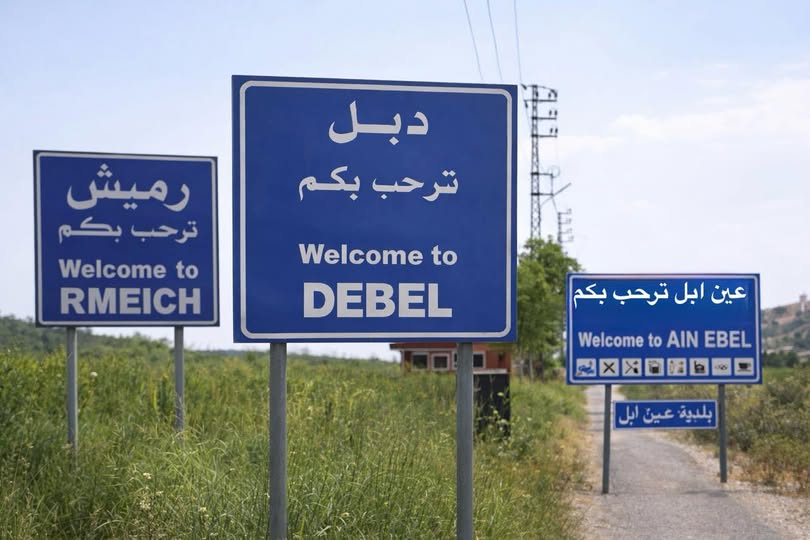
“Your Beatitudes the Most Blessed Patriarchs, Your Excellencies the Bishops most worthy of respect, the Reverend General and Regional Fathers most worthy of respect, the Reverend General and Regional Mothers Superior most worthy of respect, after seeking your blessing and prayers, from the farthest south of Lebanon, from Rmeish and Ain Ebel and Debel and Al-Qouzah and Alma Al-Shaab, we raise to you the cry of a people rooted in their land, holding fast to their faith and identity, despite what they are living through of fear, siege, displacement, destruction and harsh humanitarian and living conditions, carrying in their hearts the hope that their villages will remain alive with their people, and that displacement will not turn into permanent uprooting.”
The appeal added: “We write to you from villages that no longer ask only what the future holds, but whether they have a future. For in this land whose churches and bells bear witness to centuries of faith and rootedness, our people live between anxiety about staying and fear of leaving, after steadfastness has become a daily challenge to secure the simplest necessities of life, from food and medicine to education, work, treatment and freedom of movement. Our villages have paid heavy prices as a result of successive wars and aggressions, and have offered martyrs and victims from among their people, particularly in Alma Al-Shaab and Debel and Ain Ebel, and Al-Qlayaa, and other villages, in addition to the wounded and injured and families who have lost their loved ones, their homes and their sources of livelihood. And as we bow in reverence before the memory of those who fell, and stand in solidarity with their families and with all those affected, we affirm that their sacrifices and the suffering of our people must not go in vain, and that loyalty to them must be through working to protect the living, preserve their dignity, and guarantee a safe future for their children. Preserving the historic Christian presence in the villages of the south is not an issue that concerns Christians alone, but a national responsibility connected to preserving Lebanon’s diversity, unity and identity, and to the right of all its people to live in freedom, dignity and safety in their land. And we affirm, based on our Christian faith and our humanitarian mission, that we are advocates of peace and not people of war, and that the people of the south, who have long suffered the horrors of conflicts, aggressions and displacement, can no longer bear more fear, destruction and loss of life. And it is their right, as it is the right of all Lebanese, to live in a just and lasting peace, under a state that protects its people, preserves its sovereignty and guarantees their security and rights.”
It continued: “Our people who remained in their villages do not ask for privileges, but their natural right to life and safety, and that their attachment to their land does not turn into a punishment. As for those who were forced to flee, they ask only for a safe and dignified return to their homes, with the provision of the necessities of dignified living for them until conditions for their return are available. Based on our trust in the mission of the Church and its presence alongside its people, we turn to you, with what you represent as a spiritual, ecclesial and humanitarian authority, appealing to you to continue your efforts and contacts with the Lebanese State and the Holy See and the international bodies and humanitarian institutions concerned, in order to achieve the following demands:
1. Guaranteeing freedom of safe movement for the residents of the border villages
Working with the competent Lebanese authorities and the relevant international bodies to secure safe roads and passages for the residents of the border villages, particularly Rmeish and Ain Ebel and Debel, allowing them to move to and from their villages, and to reach hospitals, educational institutions and markets, and to meet their basic needs and return to their homes safely. It is not permissible for leaving the village to receive treatment or to secure a livelihood to turn into a dangerous journey, nor for the road home to become a road of no return.
2. Reactivating weekly visits for the residents of Alma Al-Shaab
Working to reorganize safe weekly visits for the residents of Alma Al-Shaab to their town, in coordination with the Lebanese authorities and the competent international bodies, and in cooperation with Caritas Lebanon and the humanitarian institutions concerned. These visits, when security conditions allow, aim to enable residents to check on their homes, properties and lands, take their personal needs, and maintain their connection to their town, even for two or three hours weekly, pending the availability of conditions suitable for their permanent return.
3. Securing a safe and dignified return for the displaced
Continuing efforts with the competent Lebanese and international bodies to secure a safe, voluntary and dignified return for the residents of Alma Al-Shaab and Al-Qouzah and other border villages whose inhabitants were forced to leave their homes. In this context, we appeal to you to pay special attention to the people of Yaroun and Al-Qouzah and Alma Al-Shaab, who have been scattered across different Lebanese regions, while a section of them reside in Rmeish and Ain Ebel and Debel. We also hope for contribution to securing decent housing or rent allowances and living assistance for displaced families until their return, so that temporary displacement does not turn into a permanent reality that deprives villages of their people and their future.
4. Securing the necessities of steadfastness and continuation of life
Supporting residents in their villages through contributing to securing basic services, particularly water, electricity, fuel, food, medicines and communications. We also appeal to you to support schools and educational institutions and ensure their continuity, and to contribute to paying school and university tuition for struggling families, and to help those who lost their jobs and sources of livelihood as a result of security and economic conditions. We hope for special attention to farmers and owners of small enterprises and craftsmen, through economic and developmental support programs that help them resume their activity, and secure for families the means of dignified living. For steadfastness is not achieved by emergency aid alone, but by providing the conditions that allow a person to work, raise his children and build his future in his land.
5. Securing fair compensation for those affected
Working with the Lebanese State and the concerned bodies and donor institutions to conduct a comprehensive and documented survey of damages, and to establish a fair and transparent mechanism for compensation for the families of martyrs and civilian victims and the wounded, and owners of damaged or destroyed homes and institutions, as well as tobacco farmers and owners of agricultural lands, olive groves and commercial interests affected by destruction. We also hope for support for reconstruction efforts and restoration of homes and rehabilitation of infrastructure, to help residents regain their lives and sources of livelihood. And we stress the necessity that the families of martyrs, victims and wounded not be left alone in facing the humanitarian, social and economic burdens resulting from the war, but that they receive proper care and support.
6. Supporting the activation of Ain Ebel Hospital and strengthening health services
We welcome the cooperation agreement signed by the Ministry of Public Health and the Lebanese Army, represented by the Military Medical Service, and Caritas Lebanon, on 30 October 2026, to include the existing primary health care center in Ain Ebel Hospital in the National Primary Health Care Network. And we appreciate this step which contributes to providing medicines, vaccines and medical supplies and strengthening health care for the residents of the region. And we appeal to you to support the concerned bodies in implementing the agreement, and to mobilize support from ecclesial institutions and donor bodies to put in place a phased plan to activate Ain Ebel Hospital, particularly operating the emergency department around the clock, completing the equipping of operating rooms and the intensive care unit and medical laboratory, and securing the necessary medical, nursing and technical staff. We also hope for contribution to securing hospital coverage for the people of the border villages and displaced families residing in them, and supporting ambulance services and emergency medical transport. For the life of a sick or critically injured person must not remain dependent on the opening of a road or the dispatching of a convoy.
7. Strengthening emergency, ambulance and civil defense services in the town of Rmeish
Supporting the Civil-Military Medical Center ‘Martyr Major General Francois Hajj Center’ in the town of Rmeish, by providing medical equipment, medicines and necessary supplies to strengthen its capacity to meet the health needs of residents. We also appeal to you to contribute to equipping the Civil Defense Center in Rmeish with the vehicles and equipment necessary for rapid response to emergencies, fires and rescue operations, to ensure service to the residents of the three villages: Rmeish and Ain Ebel and Debel.
8. Protecting churches and religious and heritage sites
Working to protect churches and religious and heritage sites in the border villages, and to preserve them from destruction and encroachments, as they are an authentic part of the spiritual and historical memory of the region, and a witness to the faith of its people and their rootedness in their land. And we draw attention in particular to the importance of protecting the Church of Al-Qouzah, for what it represents as a symbol of the faith of the town’s people and the history of their presence in it. In this context, the people of Al-Qouzah express thanks and appreciation to the Jesuit Fathers who contributed to rebuilding their town between the wars, and appeal to them to continue caring for this spiritual and historical heritage after their return, in cooperation with the concerned ecclesial authorities.
9. Strengthening ecclesial and humanitarian coordination to accompany the situation of the border villages
We appeal to the Council of Catholic Patriarchs and Bishops in Lebanon to work to establish an effective committee emanating from the Council, in cooperation and coordination with the Papal Ambassador in Lebanon, and including representatives of dioceses, religious orders and concerned ecclesial institutions and Caritas Lebanon, to follow up on the situation of the border villages and the needs of their people, and to ensure the implementation of the demands contained in this appeal. This committee would be concerned with identifying humanitarian, health, educational, social and developmental priorities, coordinating initiatives and aid, and following up on projects in cooperation with the Lebanese authorities and donor bodies, to ensure continuity and effectiveness of work and to avoid duplication of efforts. In this context, we appreciate the humanitarian and diplomatic efforts exerted by the Papal Ambassador in Lebanon, His Excellency Bishop Paolo Borgia, and the pastoral and humanitarian efforts exerted by Their Excellencies Bishop Charbel Abdallah and Bishop Georges Iskandar, and other bishops of Lebanon and the diaspora, alongside local and international relief organizations, in support of the people of the south and standing by them in their ordeal.
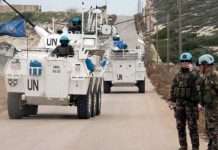
10. Confronting the repercussions of the end of the UNIFIL mission and guaranteeing the security of the border villages
In light of the decision concerning ending the mission of the United Nations Interim Force in Lebanon (UNIFIL), and what may result from its withdrawal in terms of security, humanitarian, economic and social repercussions, we express our deep concern about the future of the border villages and the safety of their residents, particularly since these forces have, over decades, played an important role in monitoring security conditions, contributing to reducing tensions, facilitating some humanitarian initiatives, in addition to their contributions to the social and economic life of the region. And the end of this mission, in light of continued tensions, aggressions and security risks, raises serious fears of a vacuum that may negatively reflect on the security of residents and their freedom of movement and daily life, and increase the fragility of economic and social conditions in the border villages. Therefore, we appeal to you to intensify efforts with the Lebanese State and the Holy See and the United Nations and the international community, to ensure that no security or humanitarian vacuum arises as a result of the end of the UNIFIL mission, and to work to establish clear and effective arrangements and guarantees to protect civilians and their properties, and to secure the continuity of services and humanitarian aid. And we stress the importance of addressing the potential economic and social repercussions of the withdrawal of international forces, particularly with regard to job opportunities, commercial movement, services and initiatives from which the border villages have benefited throughout the years of these forces’ presence. Our people who have stood firm in their land amid wars and dangers must not find themselves facing a new phase of anxiety and the unknown. And it is their right to obtain effective guarantees that protect their lives, security and future.”
It concluded: “Steadfastness is not measured by the number of houses that remained inhabited, but by the ability of their people to live in them with dignity, educate their children, secure their livelihood and treatment, and look forward to a safe future. We do not fear only losing the house and the stone, but losing the villages that preserved the names and memory of our grandfathers, the churches that baptized our children, and the fields that witnessed the toil and labor of our people over generations. We fear that a day will come when the churches remain standing without worshippers, and the houses remain standing without people, and our villages turn into names on the map after having been a land pulsing with life, faith and hope. The Christian people of the south have never been passers-by in this land, but are of its fabric, its history and its future, and their staying in it is not a challenge to anyone, but a testimony that Lebanon stands only with all its people, and that its diversity is the source of its richness and its message. Our people have stood firm for a long time, but it is unjust for steadfastness to become a fate of isolation and oblivion, or for people to be asked to remain rooted in their land and then left alone to face fear, need and the unknown. We do not ask the Church to replace the State, but to continue its mission as we have known it: a voice for those whose voice has become faint, a support for those who fear being left alone, and a bridge carrying hope to suffering hearts. From here, and with the convening of the fifty-ninth ordinary session of the Council of Catholic Patriarchs and Bishops in Lebanon, we hope that you will give special attention to the situation of the border villages, adopt this appeal and its demands, and work to establish an effective ecclesial mechanism to follow up on their implementation, and to include in the closing statement of the session a clear position affirming the right of residents to safe staying in their land, and the right of the displaced to a dignified return to their villages and homes. We do not want our villages to become a memory, nor their people to become strangers to their land. Help us so that the bells continue to ring, the churches remain full of believers, the houses remain lit by their people, and the land remains alive with its people. Help us so that steadfastness is not merely waiting for the unknown, but a choice of life, based on security, dignity, work and hope. We place this cry in your hands, trusting that the Church that accompanied its people in times of trial will remain alongside them, and appreciating the spiritual, humanitarian and national efforts you exert. We ask God, through the intercession of Our Lady the Virgin Mary, Queen of Peace, to preserve our people, our villages and our homeland, and to grant Lebanon a just and lasting peace, and to turn fear into reassurance, displacement into return, and pain into hope, and that the land of the south remains a land of meeting, life and peace for all its people. Please accept our highest expressions of respect, appreciation and gratitude.”
Mayors signing the appeal: Mayor of Rmeish Hanna Al-Amil, Mayor of Debel Akl Naddaf, Mayor of Ain Ebel Ayoub Khraish, Mayor of Alma Al-Shaab Shadi Sabah and Mayor of Al-Qouzah Charbel Rizk.