Palestinians need more negotiators, not arms
By: Camelia Entekhabi-Fard /Asharq Al Awsat
Wednesday, 30 Jul, 2014 .
Not long ago, perhaps less than a decade ago, I was one of those Iranians who viewed the Palestinians as terrorists and opportunists. As somebody who was born and raised in Iran, I can confidently tell you that this view is prevalent; there are many Iranians who viewed, and continue to view, the Palestinians in this way. Tehran is one of the biggest supporters of the Palestinian Hamas movement, and the same goes for Lebanon’s Hezbollah militia, and ultimately it is the Iranian government’s support for such organizations that creates this feeling among the Iranian public. Iran’s state media coverage regarding the Palestinian–Israeli conflict is characterized by propaganda. The Iranian people have not had the opportunity to hear the real story and to view what is happening to the Palestinian people from a moral standpoint. This gives rise to the prevalent view among the Iranian general public of Hamas as an opportunistic group that is coming to Iran for finances and seeking to embroil Tehran into the conflict.
The Iranian public are angered by the regime spending so much money on Hamas and Hezbollah when so many Iranian people themselves are living in poverty. Iranian society respects the principle of helping others, but there are other considerations that must be taken into account. Iran’s international prestige has been severely damaged by the Islamic Republic’s support of these militias, not to mention the sheer amount of money it has lost. I could tell you that when I was living in Iran, I was more sympathetic towards the Israelis than the Palestinians. The same goes for many other Iranians I was in contact with in Tehran during this period. The Iranian public’s knowledge about the Palestinian–Israeli conflict is miniscule; everything the Iranian people know about it comes directly from the regime. This represents Tehran’s interpretation of events, which they put forward to serve their own interests.
However, I ultimately changed my view about the Palestinian–Israeli conflict after I moved from Iran to the US. I studied International Affairs at New York’s Columbia University, and this brought about a change in my assessment of the situation. It’s interesting to see that the prevalent view among intellectual Americans is one of support for the Palestinians and condemnation of Israel. This support doesn’t have anything to do with Hamas or Fatah, but rather it’s a democratic call for Israel to end its occupation of Palestinian territories and abide by the UN Security Council resolution, which calls for Israel to withdraw to the pre-1967 borders. It was in the US that I learnt, and continue to believe, that the Palestinians are not a bunch of terrorists who represent a threat to Israeli peace and stability.
This brings us to the current round of conflict between Israel and Palestine, which has seen more than 1,000 Palestinians killed in the Israeli aggression against Gaza. As I write this op-ed, this conflict is ongoing, with all attempts to reach a lasting ceasefire ending in failure.
I am sure that many people in Iran are heartbroken by the sight of defenseless Palestinian women and children with no place to hide from the Israeli air strikes on Gaza. The one party that seems to be doing everything to bring about a desired ceasefire is US Secretary of State John Kerry, and not the Iranian side, unfortunately.
Speaking in late July, Iranian Supreme Guide Grand Ayatollah Ali Khamenei appeared to call for the West Bank to follow the approach being taken by Hamas in Gaza—namely, to pick up arms and fight Israel. During a speech to university students on July 23, Khamenei said: “Our belief is that the West Bank should be armed like Gaza. Those who love the fate of the Palestinians, if they can do something, this is it. The people there [West Bank] should be armed. The only thing that can uproot the distress of the Palestinians . . .[is] to have the strongest hand. It is to show strength.”
Following Khamenei’s comments, the Iranian, Arab and international media ignited, asking whether it would be better to seek a ceasefire, or fight as Khamenei urged.
Mohammed Reza Shah Pahlavi, the last Shah of Iran, truly sought to help the Palestinian people, and some argue that if he were not ousted by the 1979 Islamic revolution, he would have played a major role in ending this conflict. However the Islamic Republic of Iran has a different regional goal than that of the former Iranian monarchy. There has been no communication between Tehran and Tel Aviv; in fact, Iran and Israel are each other’s greatest enemy. If US President Barack Obama believes so strongly in the diplomatic approach, to the point that he has angered Tel Aviv—one of America’s closest allies—by making up with Iran over the nuclear dossier, then why can’t he enforce peace between Palestine and Israel? On the other hand, Iran has the financial and military resources to continue supporting Hamas and Hezbollah and play the role of spoiler in the Middle East if they so choose. However, how long will they continue to choose to do so?
Edward Said, one of the greatest Palestinian–American intellectuals of our time, focused on the lack of communication between Washington and the Arab world when dealing with the Palestinian Cause. Culture and Resistance: Conversations with Edward W. Said quotes Said as saying that “the absence of initiative” is “our greatest enemy.”
The Palestinians don’t need more arms, they need more negotiators. Communication is the key.
يحفل تاريخ لبنان الحديث بالنماذج التي تُجسد العمالة والطروادية والذمية والانتهازية السياسية والمذهبية والتجارة بالمواقف على حساب مصلحة الوطن وهويته وسيادته واستقلاله وكرامة وحقوق إنسانه. هذه النماذج الحربائية، المجردة من كل ما هو احترام للذات وللقيم وللشرف ولمخافة الله ويوم حسابه الأخير، استثمرت ولا تزال تستثمر في الأزمات والاحتلالات والتدخلات الخارجية على خلفية جحودها وموت ضميرها. مجموعة من الانتهازيين كانت ولا تزال خنجراً مسموماً وسرطانياً في أيدي الإحتلالات، وهي لم تكن يوماً حليفاً حقيقياً لهم، أو مقتنعة بمشاريعهم ومخططاتهم وسياساتهم، بل عميلة وخائنة ونرجسية بهدف كسب المنافع الشخصية والمكاسب الآنية.
فمنذ دخول المنظمات الفلسطينية الإرهابية والعروبية واليسارية إلى لبنان وارتكابها الفظائع ضد اللبنانيين، وسعيها لإقامة وطن فلسطيني بديل لها في لبنان، والتي لا تزال ممارساتها الإجرامية راسخة في ذاكرة اللبنانيين، ومروراً باحتلال نظام الأسد البعثي الجزار والمجرم، ووصولاً إلى احتلال حزب الله الإيراني الحالي للبنان، لم يجد هؤلاء حلفاء حقيقيين بين اللبنانيين، بل اعتمدوا على أدوات محلية من المرتزقة والمنافقين الممتهنين تبديل مواقفهم وولاءاتهم وألوانهم غب الرياح السياسية، وذلك على خلفية مفاهيم الربح والخسارة الذاتية.
في هذا السياق، وبعد الهزيمة المدوّية التي تعرض لها حزب الله الإرهابي والجهادي الفارسي أمام إسرائيل، ومقتل غالبية قادته المجرمين الذين لا يمتّون إلى لبنان بصلة، وبعد سقوط نظام الأسد المجرم وتهاوي نفوذه في المنطقة، وانكشاف إجرامه وسجونه ومسالخه البشرية، بدأت هذه الأدوات اللبنانية من الحكام والسياسيين ورجال الدين والنشطاء السياسيين في لبنان بتغيير مواقفها بشكل فجّ، وكما نقول بالعامية “كوعت 180 درجة” واستبدلت قبعاتها بأخرى دون خجل أو وجل.
بعض نماذج المنافقين الحربائيين
السيد وليد جنبلاط هو المتلون الأول دون منازع في تغيير المواقف والتحالفات والتكويعات، وسجله حافل ولا يضاهيه أحد في هذا المضمار، وهو ملك ساعات التخلي والتجلّي، والجلوس إلى ضفاف الأنهر بانتظار جثث الأعداء.
الوزير الدرزي وئام وهاب هو مثال حي على هذا النفاق. وهاب، الذي كان بوقاً شوارعياً ودركياً إعلامياً لنظام الأسد وحزب الله، والمزايد الأول على محور الممانعة البائد بعدائه لإسرائيل، وصاحب ثقافة “الصرامي”، ظهر مؤخراً بمواقف جديدة تتناقض تماماً مع تاريخه المقاوماتي المسرحي، داعياً الشيعة في لبنان إلى الاعتراف بدولة إسرائيل. إن من يعرف هذا الانتهازي والوصولي الدجال لم يستغرب انقلابه، بل كان يتوقعه.
الوزير السني فيصل كرامي، المجبول بالحقد والكراهية والغباء، يقدم نموذجاً آخر لهذا التلون السياسي والانتهازي. فهو الذي كان حتى الأمس القريب يمدح نظام الأسد وحزب الله، خرج مؤخراً ليهاجم النظام السوري الأسدي مدعياً أنه كان يحارب والده عمر كرامي وعمه رشيد كرامي لسنين. نحك ذاكرة هذا المنافق وذاكرة من هم من ثقافته وخامته الدركية بأن حزب الله تنازل في إحدى التشكيلات الوزارية عن موقع هو من حصة الطائفة الشيعية وأعطاه لفيصل لكرامي بهدف اختراق الطائفة السنية من خلال قادتها. والأستاذ فيصل الذي كان ولا يزال على خلفية الحقد والغباء، يتهم د. سمير جعجع باغتيال عمه رئيس الوزراء رشيد كرامي رغم أنه وكل محيطه يعلمون علم اليقين والإثباتات أن نظام الأسد هو المسؤول الحقيقي عن تلك الجريمة.
الشيخ حسن مرعب هو نموذج آخر لهذه الثقافة الانتهازية، فهو، وبعد أن كان يمدح ويبجل حزب الله ومقاومته الكاذبة، انقلب على الحزب وعلى مواقفه مبرراً انقلابه بحجج واهية وصبيانية، علماً أن هذا الشيخ متهم بتزوير شهاداته الجامعية ومصداقيته صفر مكعب.
وها هو السيد إيلي الفرزلي، رجل نظام الأسد الفاجر، عاد أدراجه إلى لبنان وتنصل من ماضيه الأسدي، مدعياً يوم أمس بأن علاقته وتأييده هما للدولة السورية وليس للنظام.
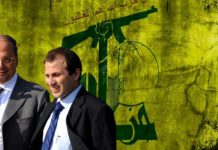
أما الأكثر حقارة وانحطاطاً من النفعيين والإسخريوتيين الذين تزلموا لحزب الله ولنظام الأسد فقد كان ميشال عون وصهره الفاسد جبران باسيل، وكل من لف لفهما من الدجالين والتجار والانتهازيين. عون وصهره ومعهما مجموعة التجار بالوطن والشهداء والهوية والكيان، الذين كانوا انقلبوا على كل مواقفهم وشعاراتهم ووعودهم وعهودهم منذ توقيع اتفاق مار مخايل عام 2006. وقد جسّد الوزير جبران باسيل وعمه الرئيس السابق ميشال عون قمة الانتهازية السياسية، إذ استغلوا حزب الله ونظام الأسد والحكم الملالوي لتحقيق مكاسب شخصية وسياسية، وحصدوا من خلال هذا التحالف المشين مقاعد نيابية ووزارية ومواقع مؤثرة في الدولة اللبنانية. في المقابل، باعوا كل ما هو سيادة واستقلال، واضعين مصلحة لبنان الوطنية على مذبح طموحاتهم الشخصية… وها هم اليوم وبعد هزيمة حزب الله وسقوط نظام الأسد يغيرون بوقاحة وفجور يغيرون جلودهم ويتنكرون لأسيادهم، حزب الله والفرس ونظام الأسد.
إن النفاق السياسي الذي ميّز نهج عون – باسيل لم يتوقف عند هذا الحد، فبعد الهزيمة النكراء التي تعرض لها حزب الله في مواجهة إسرائيل وسقوط غالبية قياداته الإرهابية، بدأ باسيل علناً بالابتعاد عن حليفه السابق، محاولاً إعادة تلميع صورته أمام الشعب اللبناني، وفجأة، بدأ يرفع مجدداً شعارات السيادة والاستقلال، في محاولة بائسة لإعادة استعادة رصيد شعبي فقده بسبب ارتهانه لحزب الله وارتباطه بمشروع إيران التوسعي.
إن هذا التلون السياسي الواضح لحربائية باسيل وعون هو نموذج فاضح للذمية والانتهازية، ويشير إلى استعداد كل من هو من خامتهما العفنة تغيير مواقفهم وألوانهم وحتى جلودهم بما يخدم مصالحهم، حتى ولو كان الثمن تخريب الوطن والتفريط بمبادئه وثوابته ونحر وإذلال واستعباد المواطنين.
*الكاتب ناشط لبناني اغترابي عنوان الكاتب الألكتروني Phoenicia@hotmail.com رابط موقع الكاتب الالكتروني على الإنترنت https://eliasbejjaninews.com