من أرسل أبناءنا إلى طريق الموت؟
العميد الركن المتقاعد طوني أبي سمرا/نداء الوطن/19 أيلول/2026
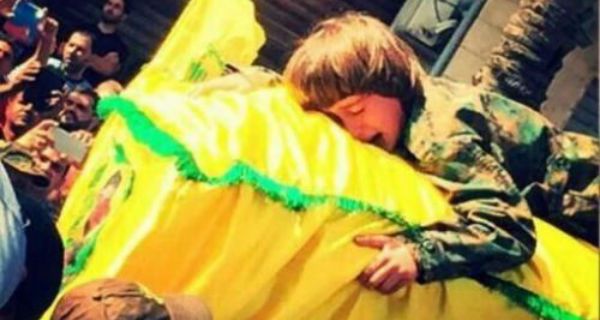
هناك لحظة تتكرر في تاريخ الحروب، حين تنتهي لغة الوعود وتسقط الشعارات أمام النتائج على الأرض، ويصبح السؤال الذي حاول الجميع تأجيله مستحيلا: من يتحمل المسؤولية؟ هذه المقالة موجهة أولا إلى آباء وأمهات وعائلات الذين دفعوا الثمن الأغلى في الحروب التي أطلقها “حزب الله” من دون موافقة الدولة اللبنانية، وفي سياق ارتبط بمحاور ومصالح إيران. هؤلاء يستحقون أن يعرفوا من أرسل أبناءهم إلى طريق الموت، ومن اتخذ القرارات التي وضعتهم في ساحات القتال، ومن يتنصل اليوم من مسؤوليته ويلقي اللوم على الآخرين. الأقسى من خسارة الابن في ساحة المعركة أن تأتي بعدها محاولة التنصل من المسؤولية، ثم تحميل الجيش والدولة نتائج قرارات لم يتخذاها. عندها يُقتل هؤلاء الشبان مرتين: مرة في ساحة الحرب، ومرة عندما تُمحى مسؤولية من أرسلهم إليها وتُلقى الخسارة على عاتق الآخرين. في هذا السياق، يبرز كلام القيادي في “حزب الله” نوّاف الموسوي عن المنطقة الواقعة جنوب الليطاني وعن قلعة الشقيف، حين قال إن المناطق التي أُخذت “لم تُؤخذ من يدنا”، بل من يد السلطة اللبنانية، لأن “الحزب” كان قد سلّمها إلى الجيش والدولة. المعادلة تبدو بسيطة: نحن قاتلنا، صمدنا، سلّمنا الأرض إلى الدولة، وما حدث بعد ذلك أصبح مسؤولية الدولة.
لكن هل بهذه البساطة تُكتب مسؤولية الحروب؟
الجميع يعرف أن الدولة اللبنانية لم تتخذ قرار الحرب إسنادًا لغزة أو إيران، ولم تكن صاحبة القرار الذي أدخل لبنان في مواجهة عسكرية مع إسرائيل. والجميع يعرف أيضًا أن محور “أمل- حزب الله- إيران” لم يسلّم مراكزه للجيش، بل اختبأ وراء الدولة ومؤسساتها، ليكسب الوقت، ويلتقط أنفاسه، ويعيد تنظيم صفوفه. فمن اتخذ القرار، ومن يتحمل تبعاته؟ وهنا تحديدًا يصبح مثال الأدميرال الياباني إيسوروكو ياماموتو، القائد الأعلى للأسطول الياباني المشترك خلال الحرب العالمية الثانية، بالغ الأهمية. فقد كان يعرف الولايات المتحدة وقدراتها، وكان تحذيره واضحًا: “إذا أُمرت بالذهاب إلى الحرب، فسأتحرك بلا خوف خلال الأشهر الستة أو الاثني عشر الأولى، وسأحقق انتصارًا تلو الآخر. ولكن إذا استمرت الحرب بعد ذلك، فلا أستطيع أن أضمن النجاح.” ضربت اليابان بيرل هاربر وحققت انتصارات سريعة، لكن الحساب الاستراتيجي تغيّر بعد نحو ستة أشهر في معركة ميدواي. وهنا تتضح مسؤولية القيادة: فليس المهم أن يكون المقاتل شجاعًا وقادرًا على القتال، بل أن تكون القيادة قد حسبت مسبقًا ميزان القوى، والقدرة على الاستمرار، والأهداف التي يمكن تحقيقها، والثمن الذي سيدفعه الشعب. فالحديث عن القتال “من بيت إلى بيت” وعن شجاعة المقاتلين لا يحسم السؤال حول صحة قرار الحرب. البطولة التكتيكية لا تصحح خطأً استراتيجيًا.
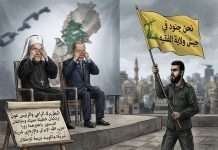
وعندما تظهر نتائج الخطأ الاستراتيجي، تبدأ مرحلة أخرى: البحث عن رواية تفسّر النتائج، وأحيانًا تعيد توزيع المسؤولية. ولعل أفكار سيرج تشاخوتين تساعدنا على فهم ما يمكن أن نفهمه من كلام نوّاف الموسوي: استخدام الرواية والدعاية لإعادة توجيه المسؤولية بعيدًا عن صاحب القرار. فبدل مواجهة القرارات التي أدت إلى الحرب ونتائجها، تُعاد صياغة القصة بحيث يصبح الجيش في موقع المسؤول عن الخسارة. إنها محاولة لتحويل الخطأ الاستراتيجي إلى رواية تُحمّل الآخرين ثمنه.
وبين “نحن” و”هم” تختفي الأسئلة التي يجب أن تبقى في قلب النقاش: من قرر فتح الحرب؟ من قرر ربط لبنان بغزة وطهران؟ من قدّر ميزان القوى؟ من حدد أهداف المواجهة؟ ومن يتحمل نتائج هذه القرارات؟ وتتحمل رئاسة الجمهورية والحكومة أيضًا مسؤولية مراجعة المسار الذي اتُّبع منذ كانون الثاني 2025 في التفاوض مع “حزب الله” وحركة “أمل”، والتدقيق في ما إذا كانت هذه المفاوضات قد حققت الهدف الذي أُجريت من أجله، أم أنها منحت محور “أمل- حزب الله- إيران” وقتًا إضافيًا لإعادة تنظيم صفوفه والاستعداد لمرحلة جديدة، والاختباء اليوم خلف الدولة ومؤسساتها. وفي الوقت نفسه، على الرئاسة والحكومة أن تدافعا بوضوح عن الجيش عندما تُوجَّه إليه مثل هذه الاتهامات، وأن تضعا المسؤولية في مكانها الصحيح. أما عائلات الذين دفعوا الثمن، فلهم الحق في معرفة الحقيقة كاملة: من أرسل أبناءهم إلى طريق الموت، ومن يتحمل مسؤولية النتائج. فلا يجوز أن يُقتل أبناؤهم مرتين: مرة في ساحة الحرب، ومرة أخرى عندما تُنكر مسؤولية من أرسلهم إليها.
*نائب رئيس حزب الوطنيين الأحرار
*الرئيس السابق لأمن الأمم المتحدة في آسيا والمحيط الهادئ
Who sent our children to the path of death?
Retired Brigadier General Tony Abi Samra/ Neda Al Watan/September 19, 2026
(Translated from Arabic by AI)
There is a moment repeated in the history of wars, when the language of promises ends and slogans fall before the results on the ground, and the question that everyone tried to postpone becomes impossible: Who bears responsibility? This article is directed first to the fathers, mothers, and families of those who paid the highest price in the wars launched by Hezbollah without the approval of the Lebanese state, and in a context linked to Iran’s axes and interests. These people deserve to know who sent their children to the path of death, who made the decisions that put them on the battlefield, and who today shirks their responsibility and blames others. What is worse than losing a son on the battlefield is the attempt to evade responsibility and then hold the army and the state accountable for the consequences of decisions they did not make. Then these young men are killed twice: once on the battlefield, and once when the responsibility of those who sent them there is erased and the loss is placed on the shoulders of others. In this context, the words of Hezbollah leader Nawaf al-Moussawi about the area south of the Litani and Beaufort Castle stand out when he said that the areas that were taken “were not taken from our hand,” but from the hand of the Lebanese authority, because the “party” had handed them over to the army and the state. The equation seems simple: we fought, we held out, we handed over the land to the state, and what happened after that became the responsibility of the state.
But is it that simple to explain the responsibility for wars?
Everyone knows that the Lebanese state did not make the decision to go to war in support of Gaza or Iran, and it was not the decision maker that brought Lebanon into a military confrontation with Israel. Everyone also knows that the “Amal-Hezbollah-Iran” axis did not hand over its positions to the army, but rather hid behind the state and its institutions, to buy time, catch its breath, and reorganize its ranks. Who made the decision, and who bears its consequences? It is precisely here that the example of Japanese Admiral Isoroku Yamamoto, Supreme Commander of the Japanese Combined Fleet during World War II, becomes extremely important. He knew the United States and its capabilities, and his warning was clear: “If I am ordered to go to war, I will move fearlessly for the first six or twelve months, and win one victory after another. But if the war continues after that, I cannot guarantee success.” Japan struck Pearl Harbor and won quick victories, but the strategic calculation changed about six months later at the Battle of Midway. Here the responsibility of the leadership becomes clear: It is not important that the fighter be brave and capable of fighting, but rather that the leadership has calculated in advance the balance of power, the ability to continue, the goals that can be achieved, and the price that the people will pay. Talking about fighting “from house to house” and about the courage of the fighters does not resolve the question about the validity of the decision to go to war. Tactical heroism does not correct a strategic mistake.
When the consequences of the strategic error appear, another stage begins: the search for a narrative that explains the results, and sometimes redistributes responsibility. Perhaps Serge Chakhotin’s ideas help us understand what we can understand from Nawaf al-Moussawi’s words: using narrative and propaganda to redirect responsibility away from the decision-maker. Instead of confronting the decisions that led to the war and its consequences, the story is reframed so that the army becomes responsible for the loss. It is an attempt to turn a strategic mistake into a narrative that makes others pay for it.
Between “us” and “them” disappear the questions that must remain at the heart of the debate: Who decided to open the war? Who decided to link Lebanon to Gaza and Tehran? Who estimated the balance of power? Who determined the goals of the confrontation? Who bears the consequences of these decisions? The Presidency of the Republic and the government also bear the responsibility of reviewing the path that was followed since January 2025 in negotiating with Hezbollah and the Amal Movement, and examining whether these negotiations achieved the goal for which they were conducted, or whether they gave the “Amal-Hezbollah-Iran” axis additional time to reorganize its ranks and prepare for a new phase, hiding today behind the state and its institutions. At the same time, the presidency and the government must clearly defend the army when such accusations are brought against it, and put responsibility where it belongs. As for the families of those who paid the price, they have the right to know the whole truth: who sent their children to the path of death, and who bears responsibility for the consequences. It is not permissible for their children to be killed twice: once on the battlefield, and again when the responsibility of the one who sent them to it is denied.
*Vice Chairman of the Liberal Patriots Party
*Former Head of United Nations Security in Asia and the Pacific