A police state whose intelligence apparatus killed Mohammad Harkous and arrests anyone who insults Aoun. We aren’t insulting you, we’re describing your practices/This is, O Paula, what exposed you…
Activist Nadine Barakat/X Platform/September 08/2026
دولة بوليسية قتلت مخابراتها محمد حرقوص وتعتقل من يشتم عون. نحن ما عم نشتمك، عم نوصف ممارساتك/هيدي بولا فضحتك…
الناشطة ندين بركات/منصة أكس/08 أيلول/2026
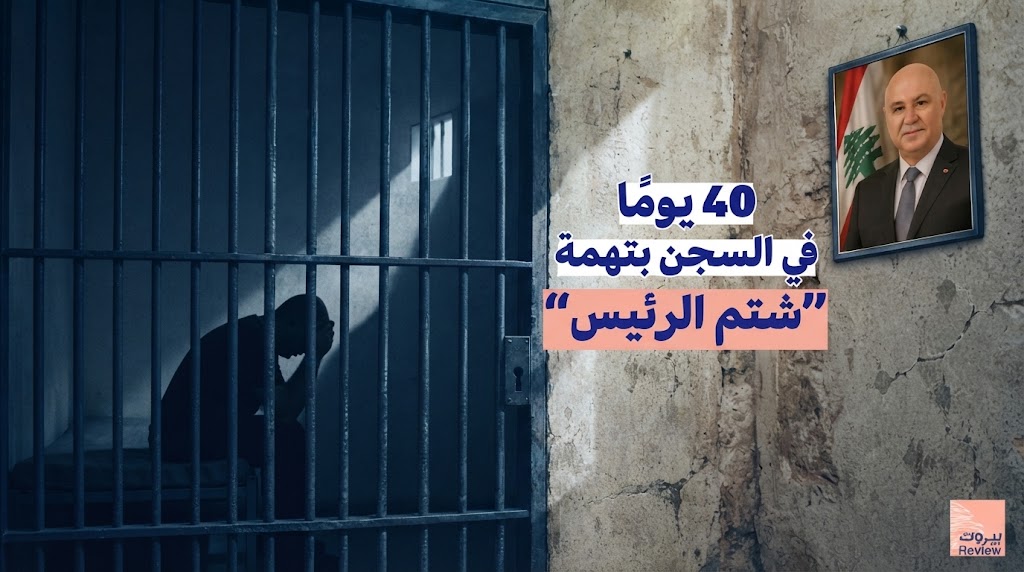
“40 يومًا قضاها الشاب زين العابدين الصيلمي في السجن بقرار من القضاء العسكري، بتهمة “شتم رئيس الجمهورية”.
قضية زين ليست الوحيدة؛ الفترات الأخيرة شهدت تكرارًا لافتًا لتوقيف عشرات المواطنين بالتهمة ذاتها، وسط خوف يمنع معظم الناس من الكلام. حتى المغتربون لم يسلموا؛ إذ أوقف مواطن لبناني يحمل الجنسية الأميركية فور وصوله إلى المطار بالتهمة نفسها، ولم يخرج إلا بعد تدخل السفارة الأميركية بطلب من عائلته.
هذه التوقيفات تفتح الباب مباشرة على تجاوزين قانونيين واضحين:
غياب أي صلاحية للأجهزة العسكرية بالتوقيف
لا يوجد في الدستور أو القوانين اللبنانية، ولا في أي مرسوم أو قرار وزاري، ما يعطي جهازًا عسكريًّا—سواء مخابرات الجيش أو الشرطة العسكرية— صلاحية اعتقال أي شخص بتهمة شتم الرئيس.
انعدام اختصاص القضاء العسكري: لا يتضمن القانون اللبناني أي نص يجيز للقضاء العسكري ملاحقة المدنيين بتهمة شتم الرئيس؛ ورغم ذلك، تتولى النيابة العامة العسكرية وقاضي التحقيق العسكري التوقيف والمحاكمة بشكل مخالف للقانون تمامًا.
يُذكر أن المادة 114 من قانون الإعلام الجديد، وفق التعديلات الأخيرة، تمنع التوقيف الاحتياطي في قضايا النشر مهما كانت صفة الفاعل.
ما يحصل ينذر بتحويل لبنان من قبل السلطة إلى نموذج الدول البوليسية على غرار بعض دول التطبيع في الخليج، تمهيدًا لتأمين أجواء مريحة من الصمت التام أمام ما تحضّره السلطة من مشاريع تنازلية واستسلامية للبنان.
وكان الرئيس عون أكد في خطاب القسم الذي ألقاه أمام البرلمان عقب انتخابه في 9 كانون الثاني 2025 على التزامه المطلق بحماية قدسية الحريات الفردية والجماعية باعتبارها جوهر الكيان اللبناني.. لكن التطبيق في عهده كان مناقضًا تمامًا.”
A police state whose intelligence apparatus killed Mohammad Harkous and arrests anyone who insults Aoun. We aren’t insulting you, we’re describing your practices/This is, O Paula, what exposed you…
Activist Nadine Barakat/X Platform/September 08/2026
“For 40 days, young Zain al-Abidin al-Sailami spent time in prison by a decision of the military judiciary, on the charge of ‘insulting the President of the Republic.’
Zain’s case is not the only one; recent periods have witnessed a striking recurrence of the detention of dozens of citizens on the very same charge, amidst a fear that prevents most people from speaking out. Even expats were not spared; a Lebanese citizen holding American citizenship was detained immediately upon his arrival at the airport on the same charge, and was not released until after the intervention of the US Embassy at the request of his family.
These detentions directly open the door to two clear legal violations:
The absence of any authority for military agencies to make arrests
There is nothing in the Lebanese constitution or laws, nor in any decree or ministerial decision, that grants any military apparatus—whether Army Intelligence or the Military Police—the authority to arrest any person on the charge of insulting the president.
The lack of jurisdiction of the military judiciary: Lebanese law includes no text permitting the military judiciary to prosecute civilians on the charge of insulting the president; nonetheless, the Military Public Prosecution and the Military Investigating Judge carry out detentions and trials in a manner entirely contrary to the law.
It is worth noting that Article 114 of the new Media Law, according to recent amendments, prohibits provisional detention in publication cases regardless of the perpetrator’s status.
What is happening heralds the authorities’ transformation of Lebanon into a model of police states along the lines of some normalization countries in the Gulf, in preparation for securing a comfortable atmosphere of absolute silence in the face of the concessionary and capitulatory projects the authorities are preparing for Lebanon.
President Aoun had affirmed in his inaugural oath speech delivered before parliament following his election on January 9, 2025, his absolute commitment to protecting the sanctity of individual and collective freedoms as the core of the Lebanese entity… but the implementation during his reign was completely contradictory.”