سوريا الجديدة: الجهاد القديم نفسه… لماذا لا ينبغي للولايات المتحدة أن تثق بأحمد الشرع في سوريا أو محمد باقر قاليباف في إيران
خالد أبو طعمة/معهد غايتستون/06 نيسان/ 2026
The ‘New Syria’: Same Old Jihad …Why the US Should Not Trust Syria’s Ahmed al-Sharaa or Iran’s Mohammad Bagher Ghalibaf
Khaled Abu Toameh/Gatestone Institute/April 06/2026
Recent footage from Aleppo and other parts of Syria should serve as a wake-up call to anyone in Washington and European capitals still clinging to the illusion of a “moderate” new Syria under President Ahmed al-Sharaa.
It is crucial to understand what the anti-Israel demonstrations mean. Soldiers and tens of thousands of people do not chant such slogans unless these ideas are supported, if not encouraged, by their leaders.
That such rhetoric and massacres openly take place within formal military units as well as among many Syrians indicates that extremist thinking remains deeply embedded in the system al-Sharaa leads.
There is a recurring pattern in Western policy toward the Middle East: the tendency to mistake tactical shifts for genuine ideological transformation. Leaders rebrand themselves, adopt more polished rhetoric and wardrobe, and present a moderate face to the outside world, while the underlying worldview remains unchanged.
At a minimum, al-Sharaa needs to demonstrate a clear commitment to restraining extremist elements inside Syria and ending incitement against Israel. Until then, the talk about a “moderate” Syria — or, for that matter, a “new, moderate” Iran under Speaker of the Parliament Mohammad Bagher Ghalibaf — is premature at best and dangerous at worst.
The scenes from Syria — and the current intransigence from both Iran and Hamas — are not aberrations. They are a glimpse into the true nature of the forces now shaping the future of Syria, Gaza and Iran — a future the Trump Administration and the West need to view with skeptical open eyes, not illusions.
Recent footage from Aleppo and other parts of Syria should serve as a wake-up call to anyone in Washington and European capitals still clinging to the illusion of a “moderate” new Syria under President Ahmed al-Sharaa.
Recent footage from Aleppo and other parts of Syria should serve as a wake-up call to anyone in Washington and European capitals still clinging to the illusion of a “moderate” new Syria under President Ahmed al-Sharaa.
In the video, soldiers from Brigade 60, a unit affiliated with the Syrian Army, are seen chanting slogans that openly threaten Israel: “O my enemy [Israel], I’m coming after you!”
The message is neither subtle nor ambiguous: the struggle of the soldiers does not end inside Syria’s borders. It extends to Israel and, by implication, to its allies, especially the US.
This is not the language of moderation. It is the language of jihad (holy war).
For months, some Western officials, including US President Donald J. Trump, have expressed optimism about Syria’s new leadership under al-Sharaa. Last year, Trump described al-Sharaa as an “attractive, tough guy.”
The argument goes that Syria has entered a new phase, that its leadership has evolved, become more pragmatic, and is ready to engage constructively with the international community.
Such assessments, however, are dangerously detached from reality. They ignore a central, deeply troubling fact: al-Sharaa’s past is not merely controversial. It is steeped in jihadist militancy.
Before attempting to rebrand himself as a statesman, al-Sharaa was known as Abu Mohammed al-Jolani, the longtime leader of Jabhat al-Nusra, al-Qaeda’s branch in Syria. Under his leadership, the group pledged allegiance to al-Qaeda and played a central role in Syria’s jihadist insurgency.
Al-Sharaa’s network later evolved into Hayat Tahrir al-Sham, a dominant force in parts of Syria that has continued to espouse Islamist governance and maintain authoritarian control. While as president of Syria, al-Sharaa has sought to present a more pragmatic face to the outside world, his regime’s roots remain firmly anchored in jihadist ideology. Rebranding is not the same as reform.
Against this backdrop, the chants from Brigade 60 are not surprising. They are consistent with the ideological environment that figures like al-Sharaa cultivate over many years.
The chants of the Syrian soldiers are not an isolated incident. Instead, they reflect a deeper ideological current running through Syria and other Arab and Islamic countries. This is an ideology that glorifies confrontation with Israel, romanticizes armed struggle, and frames regional conflicts through a jihadist lens.
Recently, several demonstrations took place across parts of Syria in which participants voiced support for Hamas, called for jihad, and threatened Israel.
“Millions of martyrs are marching to Jerusalem,” chanted the spokesman for the Syrian Ministry of Interior, Nour al-Dina al-Baba, who led one of the anti-Israel demonstrations.
These rallies, whether spontaneous or tolerated, offer further evidence that the ideological climate inside “new Syria” remains deeply hostile, radicalized, and shaped by Islamist narratives: the use of Islam to justify intolerant, extremist governance; military conflict; glorification of jihad as armed struggle — not just “spiritual striving” or promoting the idea that Muslims must unite against perceived enemies such as Israel and the West — and the legitimization of terror groups such as Hamas, Hezbollah, Palestinian Islamic Jihad, and the Houthis, including proxies led by Iran’s regime.
It is crucial to understand what the anti-Israel demonstrations mean. Soldiers and tens of thousands of people do not chant such slogans unless these ideas are supported, if not encouraged, by their leaders.
That such rhetoric and massacres (here, here and here) openly take place within formal military units as well as among many Syrians indicates that extremist thinking remains deeply embedded in the system al-Sharaa leads.
This should alarm not only Israel, but also the US and its allies.
For Israel, the implications are immediate and clear. A Syrian army infused with jihadist ideology represents a direct and growing threat along Israel’s northeastern border. The chants from the streets of Syria are not mere words; they are a declaration of intent.
The danger, however, does not stop there.
History has shown repeatedly that regimes or movements (such as Iran, Hamas, and Hezbollah) that adopt jihadist rhetoric rarely confine their ambitions to one front. Anti-Israel incitement often goes hand in hand with broader hostility toward the West.
Today it may be chants about the Gaza Strip; tomorrow it could be threats against American interests in the region.
That is why the West must resist the temptation to embrace the narrative of a “new Syria” without new rigorous scrutiny.
There is a recurring pattern in Western policy toward the Middle East: the tendency to mistake tactical shifts for genuine ideological transformation. Leaders rebrand themselves, adopt more polished rhetoric and wardrobe, and present a moderate face to the outside world, while the underlying worldview remains unchanged.
The result is predictable. Western governments lower their guards, offer diplomatic recognition or economic incentives, and hope engagement will produce more moderation.
In the instance of al-Sharaa, the early signs are already troubling. The chants from the Syrian soldiers and the recent public demonstrations suggest that the new regime has either failed to purge extremist elements from its ranks or has chosen, tacitly or not, to back them. Neither explanation inspires confidence. If anything, it suggests continuity, not change.
The West seriously needs to approach the Syrian leadership with caution. Engagement should be conditional, measured, and based on verifiable actions, not “assurances” or wishful thinking.
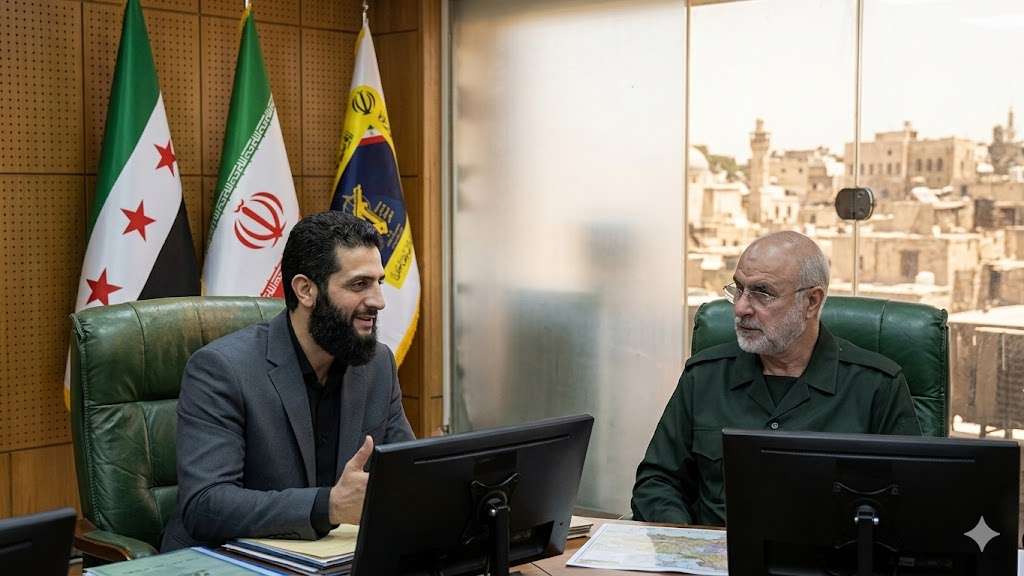
At a minimum, al-Sharaa needs to demonstrate a clear commitment to restraining extremist elements inside Syria and ending incitement against Israel. Until then, the talk about a “moderate” Syria — or, for that matter, a “new, moderate” Iran under Speaker of the Parliament Mohammad Bagher Ghalibaf — is premature at best and dangerous at worst.
The scenes from Syria — and the current intransigence from both Iran and Hamas — are not aberrations. They are a glimpse into the true nature of the forces now shaping the future of Syria, Gaza and Iran — a future the Trump Administration and the West need to view with skeptical open eyes, not illusions.
https://www.gatestoneinstitute.org/22409/new-syria-old-jihad
**Khaled Abu Toameh is an award-winning journalist based in Jerusalem.
**Follow Khaled Abu Toameh on X (formerly Twitter)
© 2026 Gatestone Institute. All rights reserved. The articles printed here do not necessarily reflect the views of the Editors or of Gatestone Institute.
سوريا الجديدة: الجهاد القديم نفسه… لماذا لا ينبغي للولايات المتحدة أن تثق بأحمد الشرع في سوريا أو محمد باقر قاليباف في إيران
(ترجمة بحرية من الإنكليزية بواسطة الياس بجاني)
بقلم: خالد أبو طعمة/معهد غايتستون/06 نيسان/ 2026
إن المشاهد الأخيرة الواردة من حلب وأجزاء أخرى من سوريا يجب أن تكون بمثابة نداء يقظة لكل من في واشنطن والعواصم الأوروبية الذين لا يزالون متمسكين بوهم سوريا الجديدة “المعتدلة” تحت قيادة الرئيس أحمد الشرع.
من الأهمية بمكان فهم ما تعنيه هذه المظاهرات المناهضة لإسرائيل. فالجنود وعشرات الآلاف من الناس لا يرددون مثل هذه الشعارات ما لم تكن هذه الأفكار مدعومة، إن لم تكن مشجعة، من قبل قادتهم.
إن حدوث مثل هذا الخطاب والمجازر بشكل علني داخل وحدات عسكرية رسمية وبين العديد من السوريين يشير إلى أن الفكر المتطرف لا يزال متجذرًا بعمق في النظام الذي يقوده الشرع.
هناك نمط متكرر في السياسة الغربية تجاه الشرق الأوسط: الميل إلى الخطأ في اعتبار التحولات التكتيكية تحولاً أيديولوجيًا حقيقيًا. يعيد القادة تقديم أنفسهم، ويتبنون خطاباً وهنداماً أكثر صقلاً، ويظهرون وجهاً معتدلاً للعالم الخارجي، بينما تظل الرؤية الأساسية للعالم دون تغيير.
كحد أدنى، يحتاج الشرع إلى إظهار التزام واضح بكبح العناصر المتطرفة داخل سوريا وإنهاء التحريض ضد إسرائيل. وحتى ذلك الحين، فإن الحديث عن سوريا “معتدلة” – أو في هذا الصدد، إيران “جديدة ومعتدلة” تحت قيادة رئيس البرلمان محمد باقر قاليباف – هو حديث سابق لأوانه في أفضل الأحوال، وخطير في أسوئها.
إن المشاهد القادمة من سوريا – والتعنت الحالي من جانب كل من إيران وحماس – ليست حالات شاذة. إنها لمحة عن الطبيعة الحقيقية للقوى التي تشكل الآن مستقبل سوريا وغزة وإيران – وهو مستقبل يحتاج من إدارة ترامب والغرب أن ينظروا إليه بعيون متشككة ومنفتحة، لا بالأوهام.
إن المشاهد الأخيرة من حلب وأجزاء أخرى من سوريا يجب أن تكون بمثابة نداء يقظة لكل من في واشنطن والعواصم الأوروبية الذين لا يزالون متمسكين بوهم سوريا الجديدة “المعتدلة” تحت قيادة الرئيس أحمد الشرع.
في الفيديو، يظهر جنود من اللواء 60، وهي وحدة تابعة للجيش السوري، وهم يرددون شعارات تهدد إسرائيل علانية: “يا عدوي [إسرائيل]، أنا قادم إليك!”.
الرسالة ليست خفية ولا غامضة: كفاح الجنود لا ينتهي داخل حدود سوريا، بل يمتد إلى إسرائيل، وبالتبعية إلى حلفائها، وخاصة الولايات المتحدة.
هذه ليست لغة اعتدال؛ إنها لغة الجهاد.
لأشهر مضت، أعرب بعض المسؤولين الغربيين، بما في ذلك الرئيس الأمريكي دونالد جيه ترامب، عن تفاؤلهم بشأن القيادة السورية الجديدة بقيادة الشرع. وفي العام الماضي، وصف ترامب الشرع بأنه “رجل جذاب وقوي”.
وتذهب الحجة إلى أن سوريا دخلت مرحلة جديدة، وأن قيادتها قد تطورت وأصبحت أكثر براغماتية ومستعدة للتفاعل البناء مع المجتمع الدولي.
ومع ذلك، فإن مثل هذه التقييمات منفصلة تماماً عن الواقع بشكل خطير؛ فهي تتجاهل حقيقة مركزية ومقلقة للغاية: ماضي الشرع ليس مجرد ماضٍ مثير للجدل، بل هو غارق في التشدد الجهادي.
قبل محاولته تقديم نفسه كرجل دولة، كان الشرع يُعرف باسم “أبو محمد الجولاني”، الزعيم العريق لجبهة النصرة، فرع تنظيم القاعدة في سوريا. وتحت قيادته، بايعت الجماعة تنظيم القاعدة ولعبت دوراً مركزياً في التمرد الجهادي في سوريا.
تطورت شبكة الشرع لاحقاً لتصبح “هيئة تحرير الشام”، وهي قوة مهيمنة في أجزاء من سوريا واصلت تبني الحكم الإسلامي والحفاظ على سيطرة استبدادية. وبينما سعى الشرع، بصفته رئيساً لسوريا، إلى تقديم وجه أكثر براغماتية للعالم الخارجي، تظل جذور نظامه راسخة بقوة في الأيديولوجية الجهادية. إن تغيير المسمى لا يعني الإصلاح.
على خلفية ذلك، فإن هتافات اللواء 60 ليست مفاجئة، فهي تتماشى مع البيئة الأيديولوجية التي عملت شخصيات مثل الشرع على تنميتها على مدار سنوات عديدة.
إن هتافات الجنود السوريين ليست حادثة معزولة، بل هي تعكس تياراً أيديولوجياً أعمق يسري في سوريا ودول عربية وإسلامية أخرى. هذه أيديولوجية تمجد المواجهة مع إسرائيل، وتضفي طابعاً رومانسياً على الكفاح المسلح، وتؤطر الصراعات الإقليمية من خلال عدسة جهادية.
مؤخراً، خرجت عدة مظاهرات في أجزاء من سوريا أعرب فيها المشاركون عن دعمهم لحماس، ودعوا إلى الجهاد وهددوا إسرائيل.
هتف المتحدث باسم وزارة الداخلية السورية، نور الدين البابا، الذي قاد إحدى المظاهرات المناهضة لإسرائيل: “ملايين الشهداء يزحفون نحو القدس”.
تقدم هذه المسيرات، سواء كانت عفوية أو مسموحاً بها، دليلاً إضافياً على أن المناخ الأيديولوجي داخل “سوريا الجديدة” لا يزال معادياً بشدة، ومتطرفاً، ومصاغاً بالروايات الإسلاموية: استخدام الإسلام لتبرير الحكم المتطرف وغير المتسامح؛ الصراع العسكري؛ تمجيد الجهاد ككفاح مسلح – وليس مجرد “سعي روحي”؛ الترويج لفكرة وجوب اتحاد المسلمين ضد الأعداء المتصورين مثل إسرائيل والغرب؛ وإضفاء الشرعية على الجماعات الإرهابية مثل حماس وحزب الله والجهاد الإسلامي والحوثيين، بما في ذلك الوكلاء الذين يقودهم النظام الإيراني.
من الضروري فهم معنى المظاهرات المناهضة لإسرائيل. فالجنود وعشرات الآلاف من الناس لا يهتفون بهذه الشعارات إلا إذا كانت هذه الأفكار مدعومة من قادتهم.
إن حقيقة أن هذا الخطاب والمجازر يقعان علانية داخل وحدات عسكرية رسمية وبين العديد من السوريين تشير إلى أن الفكر المتطرف لا يزال متأصلاً في النظام الذي يقوده الشرع.
وهذا الأمر لا يجب أن يقلق إسرائيل فحسب، بل الولايات المتحدة وحلفاءها أيضاً.
بالنسبة لإسرائيل، فإن التداعيات مباشرة وواضحة. إن جيشاً سورياً مشبعاً بالأيديولوجية الجهادية يمثل تهديداً مباشراً ومتزايداً على طول الحدود الشمالية الشرقية لإسرائيل. إن الهتافات في شوارع سوريا ليست مجرد كلمات، بل هي إعلان نوايا.
ومع ذلك، فإن الخطر لا يتوقف عند هذا الحد. لقد أثبت التاريخ مراراً وتكراراً أن الأنظمة أو الحركات (مثل إيران وحماس وحزب الله) التي تتبنى الخطاب الجهادي نادراً ما تحصر طموحاتها في جبهة واحدة. فغالباً ما يسير التحريض المناهض لإسرائيل جنباً إلى جنب مع عداء أوسع تجاه الغرب.
اليوم قد تكون الهتافات حول قطاع غزة، وغداً قد تكون تهديدات ضد المصالح الأمريكية في المنطقة.
لهذا السبب، يجب على الغرب مقاومة إغراء تبني رواية “سوريا الجديدة” دون فحص دقيق وصارم.
هناك نمط متكرر في السياسة الغربية تجاه الشرق الأوسط: الميل إلى الخلط بين التحولات التكتيكية والتحول الأيديولوجي الحقيقي. القادة يعيدون تسمية أنفسهم، يتبنون خطاباً ومظهراً أكثر لباقة، ويعرضون وجهاً معتدلاً للعالم، بينما تظل القناعات العميقة كما هي.
النتيجة متوقعة: الحكومات الغربية تخفف حذرها، وتقدم اعترافاً دبلوماسياً أو حوافز اقتصادية، آملة أن يؤدي التواصل إلى مزيد من الاعتدال.
في حالة الشرع، فإن العلامات المبكرة مثيرة للقلق بالفعل. تشير هتافات الجنود السوريين والمظاهرات العامة الأخيرة إلى أن النظام الجديد إما فشل في تطهير صفوفه من العناصر المتطرفة أو اختار، ضمناً أو صراحة، دعمهم. وكلا التفسيرين لا يبعث على الثقة، بل يشيران إلى الاستمرارية لا التغيير.
يحتاج الغرب بجدية إلى التعامل مع القيادة السورية بحذر. يجب أن يكون التواصل مشروطاً، ومدروساً، وقائماً على أفعال يمكن التحقق منها، وليس على “تأكيدات” أو تمنيات.
كحد أدنى، يتعين على الشرع إثبات التزام واضح بكبح العناصر المتطرفة داخل سوريا وإنهاء التحريض ضد إسرائيل. وحتى ذلك الحين، فإن الحديث عن سوريا “معتدلة” – أو إيران “جديدة ومعتدلة” بقيادة رئيس البرلمان محمد باقر قاليباف – هو حديث مبتسر وخطير.
إن المشاهد من سوريا – والتعنت الحالي من إيران وحماس – ليست مجرد حوادث عابرة، بل هي نظرة خاطفة على الطبيعة الحقيقية للقوى التي تشكل الآن مستقبل سوريا وغزة وإيران؛ وهو مستقبل يتعين على إدارة ترامب والغرب أن ينظروا إليه بعيون متشككة واعية، لا بالأوهام.
*** خالد أبو طعمة صحفي حائز على جوائز مقيم في القدس.**
** تابع خالد أبو طعمة على منصة X (تويتر سابقاً).**
© 2026 معهد غايتستون. جميع الحقوق محفوظة. المقالات المنشورة هنا لا تعكس بالضرورة آراء المحررين أو معهد غايتستون.