Rmeish, Debel, and Ain Ebel are The Last Guardian of the Idea of Homeland
Marwan Harb/Al-Modon /April 07/2026 (Free translation from Arabic by Elias Bejjani)
رميش ودبل وعين إبل: الحارس الأخير لفكرة الوطن
مروان حرب/المدن/07 نيسان/2026
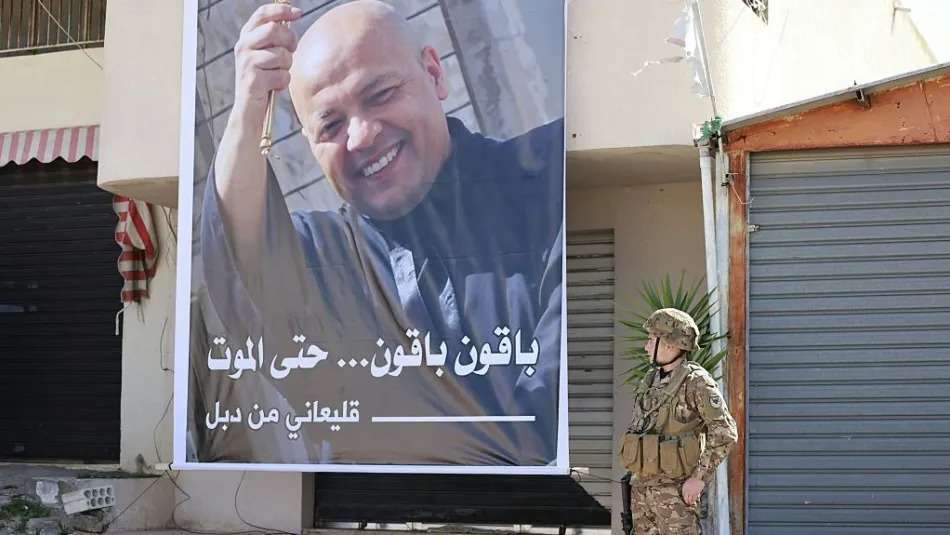
هل هناك صورة أبلغ لما أصبح عليه لبنان من تلك اللحظة الصامتة لأهالي رميش ودبل وعين إبل، وهم ينظرون على حافة الطريق إلى جنود الجيش اللبناني وهم ينسحبون. في عيون الناس خوفٌ كثيف، تساؤل جارح وغضب مكتوم: مَن يحمينا الآن؟ وفي الجهة الأخرى، جنود يلتفتون إلى الناس بنظرات خاطفة، مثقلة بما لا يُقال. يرون عيونًا دامعة، ووجوهًا يكسوها شعور قاسٍ بالتخلّي، بالخيبة… وبشيء يشبه اليُتم. ما بين النظرتين -نظرة الناس ونظرة الجنود- تجلت حقيقة قاسية: هذا ليس مجرد انسحاب. هذا فراق. فراق بين الدولة ومواطنيها. فراق لا يُعلن، لكنه يُعاش بكل ثقله. بلدٌ يتراجع عن أبنائه، ويتركهم واقفين على الحافة، يراقبون انسحاب من كان يفترض أن يبقى. في تلك اللحظة، لم يكن لبنان واحدًا. كان لبنانين، على طرفي الطريق: لبنانٌ ينسحب، ولبنانٌ يُترك. لبنانٌ يحمل عتاده ويمضي، ولبنانٌ يحمل خوفه ويبقى.
هؤلاء الذين بقوا، لم يكونوا عاجزين عن الرحيل. كان يمكنهم أن يغادروا، أن يبحثوا عن مكان أقل قسوة، عن حياة أقل هشاشة. لكنهم لم يفعلوا.. بقوا لأن البيت ليست فندقًا يُغادر. لأن الرحيل عن الجنوب، ليس انتقالًا، بل اقتلاع. بقوا، لأن الكرامة، أحيانًا، تأخذ شكل البقاء حيث يُفترض أن ترحل. في رميش ودبل وعين إبل، لم يبقَ فقط سكان. بقيت فكرة. فكرة أن الوطن ليس ما يُقال في البيانات، بل ما يُدافع عنه بالبقاء. أن الانتماء لا يُقاس بالأغاني، بل بقدرة الإنسان على أن يقول: “أنا هنا”، حين يصبح البقاء مكلفًا. هؤلاء ليسوا مجرد مدنيين عالقين بين خطوط النار. هؤلاء هم، في المعنى الأعمق، الحارس الأخير لفكرة الوطن. هم الذين يثبتون، كل يوم، أن الانتماء ليس شعارًا، بل فعل صمود هادئ، يومي، بلا ضجيج.
لكن حين يصمد الناس وحدهم، يتحول صمودهم من بطولة إلى مأساة. في وضع يُطلب فيه من الناس أن يكونوا أقوى من الظروف، وأقوى من الخوف، وأقوى حتى من الدولة نفسها. وهذا ليس تمجيدًا. هذا ظلم. لأن البطولة، لكي تكون عادلة، يجب أن تكون اختيارًا، لا قدرًا مفروضًا. وهؤلاء لم يُمنحوا خيارًا حقيقيًا. هم ببساطة تُركوا ليكونوا شجعانًا.
الأقسى من ذلك، أن هذا المشهد لم يعد صادمًا. كأن لبنان تعوّد على هذا النوع من الانسحاب البارد. انسحاب لا يُعلن نفسه كهزيمة، بل يُقدَّم كإدارة للأزمة. انسحاب بلا اعتراف، وبلا مساءلة، وبلا حتى شعور بالذنب. هكذا، أصبح الذين بقوا عبئًا أخلاقيًا على الجميع. وجودهم يحرج الخطاب، يفضح الفجوة، يكشف الكذب الضمني في فكرة “الوطن للجميع”.
يبقون… لأن ضعف الدولة سقط على أكتافهم، لأن غيابها صار عبئًا لا بدّ من حمله. يبقون… لأن الرحيل خيانة لشيء أعمق من الحياة نفسها، ولأن المغادرة تعني أن الأرض تُترك لمن لا يعرفها، وأن الذاكرة تُسلَّم للغياب. وحدهم… يغرسون أقدامهم في التراب كي لا ينزلق الوطن أكثر. في النهاية، ما سيبقى هو هذه الصورة الصافية، القاسية، التي لا تحتاج إلى تفسير: ناسٌ بقوا… ودولةٌ لم تبقَ معهم. وهذا، ربما، ليس مجرد توصيف لحظة. بل التعريف الأكثر دقة للبنان، كما هو الآن.
Rmeish, Debel, and Ain Ebel: The Last Guardian of the Idea of Homeland
Marwan Harb/Al-Modon /April 07/2026 (Free translation from Arabic by Elias Bejjani)
Is there a more eloquent image of what Lebanon has become than that silent moment for the residents of Rmeish, Debel, and Ain Ebel, as they watched from the edge of the road the Lebanese army soldiers withdraw? In their eyes, there was intense fear, a painful question, and suppressed anger: Who will protect us now? On the other side, soldiers glanced at the people with fleeting looks, heavy with unspoken words. They saw tearful eyes, faces etched with a harsh sense of abandonment, disappointment… and something akin to orphanhood. Between these two looks—the people’s and the soldiers’—a harsh truth was revealed: This is not just a withdrawal. This is separation. A separation between the state and its citizens. A separation that is not declared, but is lived with all its weight. A country that abandons its children, leaving them standing on the edge, watching the withdrawal of those who were supposed to stay. In that moment, Lebanon was no longer one. There were two Lebanons, on opposite sides of the road: one Lebanon withdrawing, the other being left behind. One Lebanon packing up and moving on, the other carrying its fear and staying.
Those who remained were not incapable of leaving. They could have left, could have sought a less harsh place, a less precarious life. But they didn’t. They stayed because home isn’t a hotel to be checked out of. Because leaving the South isn’t a relocation, it’s uprooting. They stayed because dignity, sometimes, takes the form of remaining where one is supposed to leave. In Rmeish, Debel, and Ain Ebel, it wasn’t just the residents who remained. An idea remained. The idea that homeland isn’t what’s said in statements, but what’s defended by staying. That belonging isn’t measured by songs, but by a person’s ability to say, “I’m here,” when staying becomes too costly. These aren’t just civilians trapped between the lines of fire. They are, in a deeper sense, the last guardians of the idea of homeland. They are the ones who prove, every day, that belonging is not a slogan, but a quiet, daily act of resilience, without fanfare.
But when people stand alone, their resilience transforms from heroism into tragedy. In a situation where people are asked to be stronger than circumstances, stronger than fear, and even stronger than the state itself, this is not glorification. This is injustice. Because, to be just, heroism must be a choice, not an imposed fate. And these people were not given a real choice. They were simply left to be brave.
Even more painful is that this scene is no longer shocking. It’s as if Lebanon has become accustomed to this kind of cold withdrawal. A withdrawal that doesn’t declare itself a defeat, but is presented as crisis management. A withdrawal without acknowledgment, without accountability, and without even a sense of guilt. Thus, those who remained have become a moral burden on everyone. Their presence embarrasses the discourse, exposes the gap, and reveals the implicit lie in the idea of ”a homeland for all.” They stay… because the weakness of the state has fallen upon their shoulders, because its absence has become a burden they must bear. They stay… because leaving is a betrayal of something deeper than life itself, and because departure means abandoning the land to those who don’t know it, surrendering memory to oblivion. They alone… plant their feet firmly in the soil so that the homeland doesn’t slip further. In the end, what will remain is this stark, harsh image, needing no explanation: people who stayed… and a state that didn’t stay with them. And this, perhaps, is not merely a description of a moment, but the most accurate definition of Lebanon as it is now.