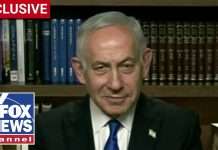
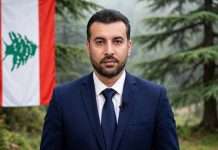
رابط فيديو ونص مقابلة استراتجية مهمة للغاية أجراها الإعلامي انطوان سعد مع د. بول سالم وعلي صبري حمادة/قراءة واقعية وجريئة للوضع اللبناني الحالي الشاذ والفوضوي في غياب حزم الدولة ورمادية قراراتها في مواجهة حزب الله الإيراني، التهريب من سوريا، مخيم الهرمل المرفوض من محيطه، المفاوضات اللبنانية الإسرائيلية، الحرب الإيرانية، الوضع الخليجي/Video link & text of a highly strategic and important interview conducted by media figure Antoine Saad with Dr. Paul Salem and Ali Sabri Hamadeh
Video link and text of a highly strategic and important interview conducted by media figure Antoine Saad with political researcher Dr. Paul Salem and Mr. Ali Sabri Hamadeh, Head of the Baalbek-Hermel Movement /A realistic and bold reading of the current abnormal and chaotic Lebanese situation in the absence of state firmness and the ambiguity of its decisions in confronting the Iranian Hezbollah, smuggling from Syria, the Hermel camp rejected by its surroundings, the Lebanese-Israeli negotiations, the Iranian war, and the Gulf situation
The interview was conducted by the distinguished media figure and historian Antoine Saad from MTV Channel/August 10/2026
Note: Categorization, transcription, texts, phrasing, titles, and summaries by Elias Bejjani with complete freedom and discretion
رابط فيديو ونص مقابلة استراتجية مهمة للغاية أجراها الإعلامي انطوان سعد مع الباحث السياسي د. بول سالم والأستاذ علي صبري حمادة رئيس حركه قراربعلبك الهرمل/قراءة واقعية وجريئة للوضع اللبناني الحالي الشاذ والفوضوي في غياب حزم الدولة ورمادية قراراتها في مواجهة حزب الله الإيراني، التهريب من سوريا، مخيم الهرمل المرفوض من محيطه، المفاوضات اللبنانية الإسرائيلية، الحرب الإيرانية، الوضع الخليجي
أجرى المقابلة الإعلامي والمؤرخ المميز انطوان سعد من قناة ال أم تي في/10 آب/2026
أولاً: عناوين الملفات الكبرى التي طُرحت في المقابلة
مسار المفاوضات غير المباشرة مع إسرائيل (الجولة السابعة وما بعدها) ومقاربة مذكرة التفاهم.
دور الدولة اللبنانية، هيبتها، وخطواتها الاصلاحية (الداخلية، الحوكمة، العفو العام، والوضع المالي والمصرفي).
التغييرات الجيوسياسية الإستراتيجية في المشرق العربي وتراجع النفوذ الإيراني ونهاية مشروع “الهلال الشيعي”.
الواقع الميداني، موازين القوى، ومصير سلاح حزب الله والحرس الثوري الإيراني.
الوضع على الحدود اللبنانية – السورية، مخاوف دخول سوريين، وعمليات التهريب (السلاح، الأموال، والناس).
التحولات الإقليمية الكبرى ودور المحاور الجديدة (الخليج، تركيا، سوريا، وباكستان) في ملء الفراغ الاستراتيجي.
ثانياً: تفصيل أهم المواضيع والمحاور المطروحة
1. المفاوضات في وجولات التفاوض مع إسرائيل
الخلاف الجذري في المقاربة: أشار د. بول سالم إلى وجود تباين كبير بين الطرح اللبناني (الذي يطالب بانسحابات إسرائيلية في المرحلة الأولى) والطرح الإسرائيلي (الذي يصر على تحرك الدولة اللبنانية ضد حزب الله أولاً، وسط مخاوف من توسيع رقعة التدمير الاحتلالي).
آفاق المفاوضات: رأت المقابلة أن مسار التفاوض مستمر رغم التشنج الدبلوماسي وتأخر مواعيد الجولات، مع التأكيد على أهمية استغلال التناقضات الدبلوماسية بين الأطراف الدولية لتحقيق مكاسب للبنان.
2. مسؤوليات الدولة اللبنانية والاصلاح الداخلي
إثبات هيبة الدولة: شدد سالم وحمادة على ضرورة أن تبادر الدولة اللبنانية إلى بسط سلطتها بجرأة وحكمة في مختلف المناطق (عبر معالجة ملفات السلاح المتفرغ، سرايا المقاومة، والسلاح الفلسطيني) لتعزيز ثقة المواطنين والمجتمع الدولي بها.
الملفات الإصلاحية المعطلة: انتقاد لتعثر قوانين حيوية بسبب الخلافات المذهبية والسياسية، مثل قانون العفو العام، ومعالجة الفجوة المالية وأزمة المصارف، وتداعيات انفجار مرفأ بيروت.
3. التحولات الكبرى في سوريا والمشرق العربي
سقوط المشروع الإيراني: جرى التأكيد على انتهاء مشروع “الهلال الشيعي” وتصدير الثورة بعد التغيير التاريخي في سوريا وانتقالها نحو الاستقرار بدعم خليجي-تركي-دولي.
التأثير على لبنان: اعتبر د. بول سالم أن هذا التحول يصب في مصلحة عودة لبنان إلى محيطه المشرقي الطبيعي المرتبط باقتصاد الخليج، رغم وجود مخاوف وتحديات قصيرة الأمد.
4. مصير حزب الله والخيارات البديلة
معضلة السلاح والإيديولوجيا: نوقشت استحالة قيام الحزب أو إيران بالتخلي السريع عن ورقة السلاح نظراً لطبيعتهما الأيديولوجية، في ظل موازين قوى عسكرية وسياسية ضاغطة ومستجدات إقليمية خانقة.
مفهوم “الجسر الذهبي”: طرحت فكرة ضرورة إيجاد مخرج سياسي ديبلوماسي آمن (جسر ذهبي) لحزب الله وبيئته لتجنب الانزلاق نحو مواجهات كارثية مدمرة جديدة.
5. الحدود اللبنانية – السورية ومخاوف التهريب
الوضع الحدودي: جرى نفي احتمالية أي غزو أو دخول عسكري سوري واسع النطاق إلى لبنان، نظراً لالتزام القيادة السورية الجديدة بمسار الاستقرار وتحت غطاء إقليمي ودولي صارم.
آفة التهريب المستمرة: أشار الأستاذ علي حمادة إلى استمرار شبكات التهريب (للأشخاص، السلاح، والأموال) عبر الحدود (خصوصاً في منطقة البقاع الشمالي ونهر العاصي) بسبب الرشوة والتواطؤ، مطالبةً الدولة بخوات حاسمة لضبط الحدود.
الملفات التي تناولها الباحث السياسي الدكتور بول سالم
1. تقييم مسار المفاوضات ومذكرة التفاهم
خلاف المقاربة: أوضح أن هناك خلافاً جذرياً بين الطرح اللبناني (الذي يشترط الانسحابات الإسرائيلية أولاً) والطرح الإسرائيلي (الذي يريد تحرك لبنان ضد حزب الله أولاً مع إبقاء الاحتلال المدمر)، لافتاً إلى أن الأمريكيين تموضعوا في مرحلة روما إلى جانب الموقف الإسرائيلي.
استمرار التفاوض: توقع استمرار المسار التفاوضي رغم التشنج الدبلوماسي وتأخر المواعيد، معتبراً إياه جزءاً من آليات الضغط.
2. التحولات الإستراتيجية ونهاية “الهلال الشيعي”
قرار تغيير الواقع الجيوسياسي: رأى أن هناك قراراً إقليمياً ودولياً (أمريكي-أسرائيلي برضا عربي) لتغيير الواقع في المشرق العربي، تجسد الأبرز فيه بانهيار النظام في سوريا وتراجع النفوذ الإيراني.
العمق المشرقي للبنان: اعتبر أن سقوط المشروع الإيراني يعيد ربط المشرق وسوريا باقتصادات الخليج وتركيا والغرب، وهو اتجاه تاريخي يصب في مصلحة الدولة اللبنانية على المدى المتوسط والبعيد.
3. رؤية الحل المرحلي ومفهوم “الجسر الذهبي” أهداف المدى القصير (سنة إلى سنتين): شدد على أن الهدف الواقعي ليس النزع الفوري والكامل لسلاح الحزب (لأن موازين القوى وإسرائيل لا تقبل به فوراً)، بل البدء باستعادة الدولة لهيبتها وقوتها الداخلية وإصلاح إداراتها وقضائها واقتصادها.
الجسر الذهبي: أشار إلى مقولة المفكر الصيني “سونتزو” حول أهمية إعطاء الخصم “جسراً ذهبياً” للتراجع بكرامة، مؤكداً أن حزب الله وبيئته بحاجة إلى مخرج دبلوماسي وسياسي منسق إقليمياً ودولياً، مع أهمية التنسيق اللبناني-السوري في مسار المفاوضات.
الملفات التي ركز عليها الأستاذ علي صبري حمادة 1. دور الدولة اللبنانية والخطوات الاصلاحية الكبرى
بسط السلطة وهيبة الحكم: أكد أن الدولة اللبنانية مطالبة بإثبات قدرتها على الحكم داخلياً من خلال خطوات ملموسة تتجاوز المفاوضات مع إسرائيل، مثل نزع السلاح غير الشرعي في المناطق التي لا يتواجد فيها حزب الله (كسرايا المقاومة والأحزاب الأخرى) وضبط السلاح الفلسطيني.
الملفات المعيشية والمالية: انتقد المراوحة المستمرة في معالجة الملفات الكبرى كقانون العفو العام (الذي يعطل بسبب الخلافات المذهبية)، وملف مرفأ بيروت، والفجوة المالية للمصارف.
2. الواقع السياسي ومأزق سلاح حزب الله انتهاء مشروع تصدير الثورة: اعتبر أن المشروع الإيراني (الهلال الشيعي وتصدير الثورة) قد انتهى، مما يخلق فراغاً استراتيجياً تملؤه تدريجياً تحولات المنطقة الجديدة (كالسعودية، تركيا، مصر، وباكستان).
إيديولوجيا الحزب والتفاعل مع الدولة: أوضح أن حزب الله يتعامل بايديولوجيا ويحاول حماية نفسه بعد ضرب مشروعه، معرباً عن أمله في أن تؤدي تداعيات الأحداث والخسائر الكبيرة إلى تغليب صوت العقل للتفاعل إيجاباً مع الدولة.
3. الحدود اللبنانية – السورية ومعضلة التهريب استبعاد الغزو السوري: استبعد تماماً حدوث أي اجتياح أو دخول عسكري سوري إلى لبنان في المستقبل المنظور، نظراً لالتزام سوريا بمسار الاستقرار تحت المظلة العربية والدولية.
خطورة مخيم الهرمل الذي اقامه حزب الله بعد سقوط نظام الأسد للشيعة والعلويين والخرج عن سطة الدولة والمرفوض من المحيط
نشاط شبكات التهريب: كشف عن استمرار عمليات التهريب النشطة عبر الحدود السورية (للأشخاص، السلاح، والأموال) خصوصاً في مناطق البقاع الشمالي ونهر العاصي، منتقداً خجول الخطوات الرسمية في ضبطها ومعتبراً أن ذلك يعود لتواطؤ أو رشاوى ضمن شبكات منظمة.
Video link and text of a highly strategic and important interview conducted by media figure Antoine Saad with political researcher Dr. Paul Salem and Mr. Ali Sabri Hamadeh, Head of the Baalbek-Hermel Movement / A realistic and bold reading of the current abnormal and chaotic Lebanese situation in the absence of state firmness and the ambiguity of its decisions in confronting the Iranian Hezbollah, smuggling from Syria, the Hermel camp rejected by its surroundings, the Lebanese-Israeli negotiations, the Iranian war, and the Gulf situation
The interview was conducted by the distinguished media figure and historian Antoine Saad from MTV Channel/August 10/2026
Note: Categorization, transcription, texts, phrasing, titles, and summaries by Elias Bejjani with complete freedom and discretion
First: Major File Titles Raised in the Interview The path of indirect negotiations with Israel (the seventh round and beyond) and the approach to the Memorandum of Understanding.
The role of the Lebanese state, its prestige, and its reform steps (internal, governance, general amnesty, and the financial and banking situation).
Strategic geopolitical changes in the Arab Mashreq, the decline of Iranian influence, and the end of the “Shiite Crescent” project.
The field reality, the balance of power, and the fate of the weapons of Hezbollah and the Iranian Revolutionary Guard.
The situation on the Lebanese-Syrian border, fears of Syrian entry, and smuggling operations (weapons, funds, and people).
Major regional transformations and the role of new axes (the Gulf, Turkey, Syria, and Pakistan) in filling the strategic vacuum.
Second: Details of the Most Important Topics and Themes Raised
1. Negotiations and Rounds of Talks with Israel
The fundamental difference in approach: Dr. Paul Salem pointed out a major divergence between the Lebanese proposal (which demands Israeli withdrawals in the first phase) and the Israeli proposal (which insists that the Lebanese state take action against Hezbollah first, amid fears of expanding the zone of occupying destruction).
Prospects for negotiations: The interview viewed that the negotiation path continues despite diplomatic tension and delayed round schedules, emphasizing the importance of exploiting diplomatic contradictions between international parties to achieve gains for Lebanon.
2. Responsibilities of the Lebanese State and Internal Reform Proving state prestige: Salem and Hamadeh stressed the necessity for the Lebanese state to boldly and wisely assert its authority across all regions (by addressing issues of loose weapons, the Resistance Brigades, and Palestinian weapons) to enhance the trust of citizens and the international community in it.
Stalled reform files: Criticism of the stumbling of vital laws due to sectarian and political divisions, such as the general amnesty law, addressing the financial gap and the banking crisis, and the repercussions of the Beirut port explosion.
3. Major Transformations in Syria and the Arab Mashreq The fall of the Iranian project: It was emphasized that the “Shiite Crescent” and export of revolution project has ended following the historical change in Syria and its transition toward stability with Gulf-Turkish-international support.
Impact on Lebanon: Dr. Paul Salem considered that this transformation serves Lebanon’s return to its natural Mashreq environment tied to the Gulf economy, despite short-term fears and challenges.
4. The Fate of Hezbollah and Alternative Options
The dilemma of weapons and ideology: The impossibility of the party or Iran quickly abandoning the weapons card due to their ideological nature was discussed, under pressing military and political balances of power and critical regional developments.
The concept of the “Golden Bridge”: The idea was raised of the necessity of finding a safe political and diplomatic exit (a golden bridge) for Hezbollah and its environment to avoid slipping into new, catastrophic, and destructive confrontations.
5. The Lebanese-Syrian Border and Smuggling Fears Border situation: The possibility of any large-scale Syrian military invasion or entry into Lebanon was ruled out, given the new Syrian leadership’s commitment to the path of stability under strict regional and international cover.
The ongoing scourge of smuggling: Mr. Ali Hamadeh pointed out the persistence of active smuggling networks (for people, weapons, and funds) across the border (especially in the northern Bekaa region and the Orontes River) due to bribery and complicity, criticizing the timid official steps to control the border.
Files Addressed by Political Researcher Dr. Paul Salem
1. Evaluation of the Negotiation Path and Memorandum of Understanding
Divergence of approach: He explained that there is a fundamental conflict between the Lebanese proposal (which conditions Israeli withdrawals first) and the Israeli proposal (which wants Lebanon to act against Hezbollah first while keeping the destructive occupation), pointing out that the Americans positioned themselves during the Rome phase alongside the Israeli stance.
Continuation of negotiations: He predicted the continuation of the negotiation track despite diplomatic tension and delayed deadlines, considering it part of pressure mechanisms.
2. Strategic Transformations and the End of the “Shiite Crescent” Decision to change the geopolitical reality: He believed that there is a regional and international decision (American-Israeli with Arab consent) to change the reality in the Arab Mashreq, the most prominent of which materialized in the collapse of the regime in Syria and the decline of Iranian influence.
Lebanon’s Mashreq depth: He considered that the fall of the Iranian project reconnects the Mashreq and Syria with the economies of the Gulf, Turkey, and the West, which is a historical direction that serves the Lebanese state in the medium and long term.
3. Vision of the Interim Solution and the Concept of the “Golden Bridge” Short-term goals (one to two years): He stressed that the realistic goal is not the immediate and complete disarmament of the party (because the balance of power and Israel do not accept it immediately), but rather starting to restore the state’s prestige and internal strength and reforming its administration, judiciary, and economy.
The golden bridge: He pointed to the saying of the Chinese thinker “Sun Tzu” regarding the importance of giving the opponent a “golden bridge” to retreat with dignity, affirming that Hezbollah and its environment need a regionally and internationally coordinated diplomatic and political exit, along with the importance of Lebanese-Syrian coordination in the negotiation path.
Files Focused on by Mr. Ali Sabri Hamadeh 1. The Role of the Lebanese State and Major Reform Steps Asserting authority and the prestige of governance: He affirmed that the Lebanese state is required to prove its ability to govern internally through concrete steps that go beyond negotiations with Israel, such as disarming illegal weapons in areas where Hezbollah is not present (such as the Resistance Brigades and other parties) and controlling Palestinian weapons.
Livelihood and financial files: He criticized the ongoing procrastination in addressing major files such as the general amnesty law (which is disrupted due to sectarian divisions), the Beirut port file, and the financial gap of banks.
2. The Political Reality and Hezbollah’s Weapons Dilemma The end of the export of revolution project: He considered that the Iranian project (the Shiite Crescent and export of revolution) has ended, creating a strategic vacuum gradually filled by the region’s new transformations (such as Saudi Arabia, Turkey, Egypt, and Pakistan).
The party’s ideology and interaction with the state: He explained that Hezbollah deals ideologically and tries to protect itself after its project was struck, expressing his hope that the repercussions of events and heavy losses will lead to prevailing the voice of reason to interact positively with the state.
3. The Lebanese-Syrian Border and the Smuggling Dilemma Ruling out a Syrian invasion: He completely ruled out any Syrian military incursion or entry into Lebanon in the foreseeable future, given Syria’s commitment to stability under the Arab and international umbrella.
The danger of the Hermel camp established by Hezbollah after the fall of the Assad regime for Shiites and Alawites, which is outside state authority and rejected by its surroundings.
Activity of smuggling networks: He revealed the continuation of active smuggling operations across the Syrian border (for people, weapons, and funds), especially in the northern Bekaa and Orontes River areas, criticizing the timid official steps in controlling them and considering that this is due to complicity or bribes within organized networks.