رابط فيديو ونص مقابلة مع الباحثة والأكادمية والكاتبة د. زينة منصور تتناول الوضع اللبناني التعيس والإحتلالي الحالي بجوابنه كافة المحلية والإقليمية والدولية مع تركيز على هرطقات من يمارسون السياسة والحوكمة على خلفيات تجارية متقلبة ونرسيسية/المعادلة الجديدة الأرض مقابل السلاح: بدكون تشيلو سلاحكون وتتركو أرضكون او بدكون تخلو السلاح وتنسو أرضكون؟/Video link and interview transcript with Dr. Zeina Mansour
رابط فيديو ونص مقابلة مع الباحثة والأكادمية والكاتبة د. زينة منصور تتناول الوضع اللبناني التعيس والإحتلالي الحالي بجوابنه كافة المحلية والإقليمية والدولية مع تركيز على هرطقات من يمارسون السياسة والحوكمة على خلفيات تجارية متقلبة ونرسيسية/المعادلة الجديدة الأرض مقابل السلاح: بدكون تشيلو سلاحكون وتتركو أرضكون او بدكون تخلو السلاح وتنسو أرضكون؟!
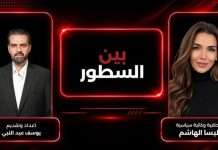
ملاحظة/تلخيص وتفريغ وتبويب وصياغة الياس بجاني بحرية مطلقة 06 آب/2026 أجريت المقابلة بواسطة SuroyoTv Lebnon مكتب الفضائية السريانية
أبرز العناوين التي طرحتها المقابلة
*كارثة انفجار مرفأ بيروت: أزمة تعطيل القضاء، غياب المحاسبة، والبحث عن عدالة السماء بعد فقدان الثقة بعدالة الأرض.
*الانهيار المالي والاقتصادي: سرقة أموال المودعين، وتحويل رياض سلامه إلى “كبش محرقة” ضمن عفو عام مالي غير معلن.
*اتفاق الإطار والفرصة التاريخية: تقييم الوساطة الأمريكية والتوجه نحو معادلة “الأرض مقابل السلاح” وصيغة السلام مع إسرائيل.
*الدور التركي والإقليمي: موقف تركيا كضامن سياسي وأمني، والتحذير من خطورة دخول الفصائل الجهادية عبر الحدود السورية.
*الاستراتيجية الأمريكية وإدارة ترامب: الأبعاد الاقتصادية والضغوط الداخلية والخليجية المرتبطة بالصراع الإقليمي مع إيران.
*المناطق التجريبية وآليات التحقق: إشكاليات نزع السلاح في جنوب لبنان وآلية التنسيق المشتركة بين الجيشين اللبناني والاسرائيلي برعاية أمريكية.
تفصيل محتوى المقابلة حسب العناوين 1. ذكرى انفجار مرفأ بيروت وأزمة القضاء اللبناني
وصفت د. زينة ذكرى 4 آب بأنها يوم أسود ووصمة عار على النظام اللبناني، حيث يمثل خلاصة لمئوية لبنان وتكراراً لكوارث سابقة، ويُعد بمثابة انفجار يشبه كارثة هيروشيما غير النووية.
انتقدت د. زينة أداء القضاء اللبناني، واعتبرت أنه إذا كان القاضي طارق البيطار أو أي قاضٍ غير قادر على العمل بسبب ربط الأيادي، فعليه الاستقالة وترك الموقع لغيره بدلاً من ترك الملف راكداً في الأدراج وأشارت إلى أن المسؤولية عن الانفجار جماعية وتضم رؤوساً أمنية ووزارية تابعت الملف (من وزارات الداخلية، الأشغال، الاقتصاد، المخابرات، الجيش، والامن العام)، لكن الحصانات النيابية والوزارية تمنع المساءلة، مما يجعل لبنان بلداً مباحاً يعيش في شريعة الغاب ويطرد أبناءه للهجرة….هذا وأكدت أن أهالي الضحايا فقدوا ثقتهم بعدالة الأرض وباتوا يترقبون عدالة السماء، وطالبت بمنحهم تعويضات مادية عادلة نظراً لخسائرهم الفادحة في الأرواح والمعيلين.
2. الانهيار المالي واختلاس أموال المودعين
شبهت د. زينة ما حدث بأموال المودعين وسرقة 170 إلى 180 مليار دولار بأنه “قانون عفو عام مالي غير معلن”، معتبرة أن حاكم مصرف لبنان السابق رياض سلامه جرى تحويله إلى “كبش محرقة” وحده، رغم وجود شبكة متكاملة تقف خلف هذه النهب، وأشارت إلى أن لبنان المحتل يعتمد على الغش والاحتيال في عدة محطات تاريخية: بدءاً من الحرب الأهلية مروراً بالنظام المصرفي وصولاً إلى تخزين أطنان نترات الأمونيوم، وكل ذلك يجري دون وجود مسؤول فعلي يحاسب.
3. اتفاق الإطار والتعاطي مع الصراع الإسرائيلي
اعتبرت د. زينة أن “اتفاق الإطار” -على علاته وانتقاداته- يمثل فرصة تاريخية ووساطة أمريكية للخروج من المأزق التاريخي للسياسة اللبنانية وإنهاء 80 سنة من الصراع، مشددة على وجوب التمسك به وعدم تخريبه، وطرحت معادلة واضحة تقوم على “الأرض مقابل السلاح”، مفادها أن من يريد استعادة أرضه عليه تسليم سلاحه، وإلا فلن ينسحب الإسرائيلي ولن يعود الاستقرار إلى جنوب لبنان وشمال إسرائيل الذي يعيش فيه نحو 100 ألف مستوطن مقابل مئات الآلاف من اللبنانيين على الخط الأصفر. وأوضحت أن المطامع الإسرائيلية تتركز أساساً على إقامة منطقة أمنية عازلة خالية من السلاح في الجنوب اللبناني والسوري لضمان أمن إسرائيل القومي وتوقف الصواريخ.
4. الدور التركي والتحذير من الفصائل الجهادية عبر سوريا
ناقشت د. زينة الدور الحساس الذي تلعبه تركيا كضامن للحالة السياسية والأمنية في دمشق بالتنسيق مع الحاضنة الخليجية وروسيا وكونها عضواً في حلف الناتو، حذرت من خطورة دخول فصائل سورية انتقالية وجهادية تكفيرية متعددة الجنسيات (شيشانية، أجبك، إيغور وغيرها) تشرف عليها المخابرات التركية، معتبرة أن أي احتكاك لهذه الفصائل مع المكونات اللبنانية في البقاع أو عكار قد يشعل حرباً أهلية جديدة ويدفع اللبنانيين للتعاطف مع حزب الله مجدداً لمواجهتها، كما شددت على ضرورة أن يتخذ رئيس الجمهورية جوزيف عون وقيادة الجيش (برئاسة العماد رودولف هيكل) موقفاً حاسماً وموحداً للذهاب نحو اتفاق سلام حقيقي وحصر السلاح ونزعه، لتجنب فرض الحلول الخارجية أو تكرار ازدواجية المواقف التي تضيع الوقت.
5. الاستراتيجية الأمريكية والضغوط الإقليمية والدولية
أشارت د. زينة إلى أن الرئيس الأمريكي دونالد ترامب يواجه ضغوطاً داخلية مزدوجة تشمل التضخم الاقتصادي وارتفاع أسعار النفط خوفاً من إغلاق مضيق هرمز، إضافة إلى حسابات الانتخابات النصفية المقررة في نوفمبر واحتياج قاعدته الشعبية لتحقيق انتصارات، ولفتت إلى وجود ضغوط خليجية على الإدارة الأمريكية لتجنب حرب مفتوحة تهز اقتصاد الخليج وتستهدف أمن ممراته البحرية، فضلاً عن وجود تحديات عسكرية تخص نقص المنظومات الدفاعية (الباتريوت) وحماية القواعد المنتشرة بالمنطقة، كما أكدت أن ترامب ليس شخصية عشوائية أو هوليوودية كما يصوره البعض، بل يدير خططاً مدروسة لإعادة هندسة موازين القوى العالمية ومسارات الطاقة (النفط والغاز والهيدروجين الأخضر) والسيطرة على المضائق الحيوية.
6. المناطق التجريبية وآليات التحقق من نزع السلاح
بينت د.زينة أن العقدة الأبرز في “المناطق التجريبية” تتعلق بآلية التحقق من خلوها تماماً من السلاح وعناصر حزب الله بعد انسحابه ودخول الجيش اللبناني.
وأوضحت ان الموقف الإسرائيلي واضح وجلي ولا إلتباس به وهو يصر على إجراء عملية تصوير وتوثيق ميداني بنفسه، إلى جانب تقارير يكتبها كبار الضباط الأمريكيين ضمن غرفة التنسيق المشتركة بين الجيشين اللبناني والاسرائيلي، للتأكد من نزع السلاح بشكل حقيقي وعدم تكرار تجارب سابقة انهار فيها الاتفاق.
Video link and interview transcript with Dr. Zeina Mansour—Lebanese researcher, academic, and writer—addressing the current grim and occupied reality in Lebanon across all local, regional, and international dimensions. The discussion highlights the absurdities of those practicing politics and governance driven by fluctuating commercial and narcissistic motives.
The New Equation: Land in exchange for weapons—either you give up your weapons and keep your land, or you keep your weapons and lose your land!
Note: Summarized, transcribed, structured, and formulated with absolute freedom by Elias Bejjani August 6, 2026
Interview conducted by Suroyo TV Lebanon (the Syriac Satellite Channel office)
Key Headlines Highlighted in the Interview
The Beirut Port Blast Tragedy: The paralysis of the judiciary, the absence of accountability, and the turn toward divine justice after losing faith in earthly justice.
The Financial and Economic Collapse: The theft of depositors’ funds and the framing of Riad Salameh as a “scapegoat” under an undeclared financial general amnesty.
The Framework Agreement and the Historical Opportunity: An assessment of the U.S. mediation, the shift toward the “land for weapons” equation, and the path to a peace formula with Israel.
The Turkish and Regional Role: Turkey’s stance as a political and security guarantor, and warnings regarding the dangers of jihadist factions entering through the Syrian border.
U.S. Strategy and the Trump Administration: The economic dimensions, domestic pressures, and Gulf pressures linked to the regional conflict with Iran.
Experimental Zones and Verification Mechanisms: The complexities of disarmament in southern Lebanon and the joint coordination mechanism between the Lebanese and Israeli armies under U.S. sponsorship.
Detailed Content by Sections: 1. The Anniversary of the Beirut Port Blast and the Lebanese Judiciary Crisis Dr. Zeina described the anniversary of August 4 as a dark day and a stain of shame on the Lebanese system, representing the culmination of Lebanon’s centenary and a repetition of past disasters, likening the blast to a non-nuclear Hiroshima catastrophe. She criticized the performance of the Lebanese judiciary, stating that if Judge Tarek Bitar—or any judge—is unable to work because their hands are tied, they should resign and leave the position to someone else rather than letting the file gather dust in drawers. She pointed out that responsibility for the explosion is collective, involving security and ministerial figures who monitored the file (across the Ministries of Interior, Public Works, Economy, Intelligence, the Army, and General Security). However, parliamentary and ministerial immunities block accountability, turning Lebanon into an unprotected country living under the law of the jungle that forces its people into emigration. She affirmed that the victims’ families have lost faith in earthly justice and are now awaiting divine justice, demanding fair material compensation for their immense losses in lives and breadwinners.
2. The Financial Collapse and Embezzlement of Depositors’ Funds Dr. Zeina compared what happened to depositors’ funds and the theft of 170 to 180 billion dollars to an “undeclared financial general amnesty,” noting that former Central Bank Governor Riad Salameh was made into a sole “scapegoat,” despite the existence of an integrated network behind this grand theft. She noted that an occupied Lebanon relies on deceit, fraud, and trickery across multiple historical milestones—starting from the civil war, through the banking system, down to the storage of tons of ammonium nitrate—all occurring without any actual responsible official being held accountable.
3. The Framework Agreement and Dealing with the Israeli Conflict Dr. Zeina considered the “Framework Agreement”—despite its flaws and criticisms—to be a historical opportunity and a U.S. mediation effort to escape the historical impasse of Lebanese politics and end an 80-year conflict, stressing the necessity of holding onto it and not sabotaging it. She presented a clear equation based on “land in exchange for weapons,” meaning that whoever wants to reclaim their land must surrender their weapons; otherwise, the Israeli forces will not withdraw, and stability will not return to southern Lebanon and northern Israel (where about 100,000 settlers live, compared to hundreds of thousands of Lebanese along the yellow line). She explained that Israeli ambitions focus primarily on establishing a demilitarized security buffer zone in southern Lebanon and Syria to ensure Israel’s national security and stop the launching of rockets.
4. The Turkish Role and Warnings Against Jihadist Factions via Syria The discussion addressed the sensitive role played by Turkey as a guarantor of the political and security situation in Damascus, in coordination with Gulf sponsors and Russia, alongside its membership in NATO. Dr. Zeina warned of the grave danger of transitional, jihadist, and takfiri multi-national factions (Chechen, Uzbek, Uyghur, and others) entering under the supervision of Turkish intelligence. She cautioned that any friction between these factions and Lebanese communities in the Bekaa or Akkar could ignite a new civil war and drive the Lebanese to sympathize with Hezbollah once again in order to confront them. She emphasized that President Joseph Ceyroun (Aoun) and the military leadership (headed by Commander Rudolph Haykal) must adopt a firm, unified stance toward achieving a genuine peace agreement and fully restricting and dismantling weapons to prevent the imposition of external solutions or the repetition of time-wasting, dual-stance policies.
5. U.S. Strategy and Regional/International Pressures Dr. Zeina pointed out that U.S. President Donald Trump faces dual domestic pressures, including economic inflation and rising oil prices driven by fears of the Strait of Hormuz closing, in addition to the midterm elections scheduled for November and his political base’s need for victories. She noted Gulf pressures on the U.S. administration to avoid an open war that would shake the Gulf’s economy and threaten the security of its maritime corridors, alongside military challenges concerning a shortage of defense systems (Patriot) and the protection of deployed regional bases. She affirmed that Trump is not a random or Hollywood-style figure as some portray him, but rather manages well-studied plans to re-engineer global power balances, energy pathways (oil, gas, and green hydrogen), and control over vital chokepoints.
6. Experimental Zones and Disarmament Verification Mechanisms Dr. Zeina clarified that the most prominent obstacle in the “experimental zones” concerns the verification mechanism to ensure they are entirely free of weapons and Hezbollah elements following their withdrawal and the entry of the Lebanese Army. She explained that the Israeli position is clear, unambiguous, and insists on conducting its own visual and on-the-ground documentation, alongside reports written by senior U.S. officers within the joint coordination room between the Lebanese and Israeli armies, to ensure genuine disarmament and prevent a repeat of past failed agreements.