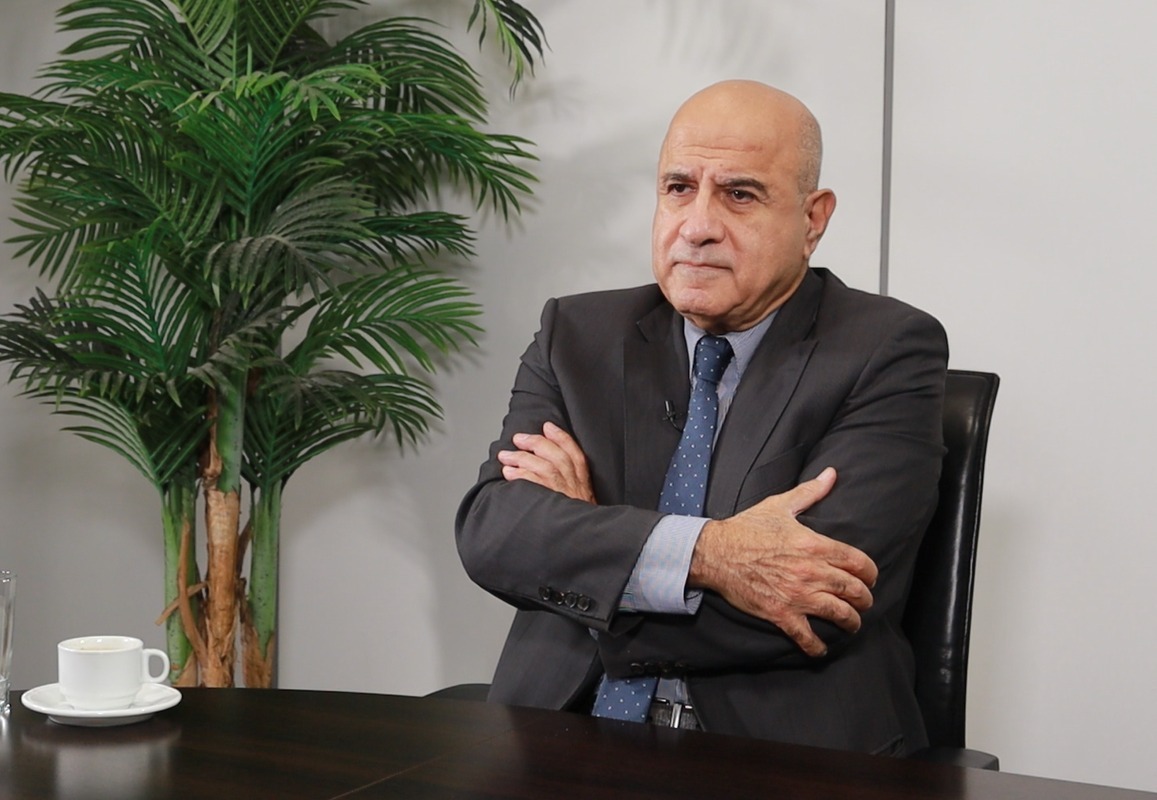
رابط فيديو ونص مقابلة مع د. شارل شرتوني تناولت وضعية لبنان “الدولة الرمادية”، أهمية اتفاق الإطار، زيارة عون للبيت الأبيض، الدور الأميركي، الحزم الإسرائيلي، وخطورة مشروع حزب الله الانقلابي/Video link & text for a political interview with Dr. Charles Chartouni
رابط فيديو ونص مقابلة مع د. شارل شرتوني تناولت وضعية لبنان “الدولة الرمادية”، أهمية اتفاق الإطار، زيارة عون للبيت الأبيض، الدور الأميركي، الحزم الإسرائيلي، وخطورة مشروع حزب الله الانقلابي 17 تموز/يوليو 2026
**أجرت المقابلة الإعلامية ستريدا بعينو من موقع “السياسة” على اليوتيوب.
ملاحظة: تم تفريغ وصياغة وتلخيص وتبويب وعنونة محتوى المقابلة مع د. شارل شرتوني باللغتين العربية والإنكليزية بواسطة إلياس بجاني بحرية مطلقة.
ملخص لأهم المواضيع التي طرحها د. شرتوني تناولت المقابلة مسار مفاوضات “اتفاق الإطار” بشأن لبنان في ظل التحولات الإقليمية، مع التركيز على إشكالية “فصل المسارات” عن النفوذ الإيراني. ناقش البروفيسور شرتوني التحديات الكبيرة التي تواجه الدولة اللبنانية، مشدداً على أن “المناطق النموذجية” في الجنوب لن تنجح ما لم تتوازَ مع سحب سلاح حزب الله وانسحاب الجيش الإسرائيلي. كما تطرق إلى دور الولايات المتحدة كضامن أساسي للعملية، محذراً من أن “المشروع الانقلابي” لحزب الله يضع الكيان اللبناني أمام خطر التفكك والزوال في حال استمرار ربط لبنان بالمصالح الإيرانية.
محاور المقابلة
1- مفاوضات “فصل المسارات” وإشكالية التنفيذ
رأى د. شرتوني أن مجرد فصل الدولة اللبنانية لمسارها عن المسار الإيراني وفرض أجندة تفاوضية خاصة بها بعيداً عن إملاءات حزب الله، يُعد خطوة متقدمة ومكسباً سيادياً. وأضاف أن السؤال الجوهري يظل حول مدى قابلية هذه الخطوة للترجمة العملية على الأرض. اليوم يُطرح الحديث عن “المناطق النموذجية” (في أقضية النبطية وبنت جبيل)، وهي تجربة أولية لاختبار قدرة الدولة اللبنانية كمؤسسة معترف بها دولياً على بسط سيادتها.
ولنجاح هذه التجربة، يجب تحقيق ثلاثة أهداف متوازية: سحب سلاح حزب الله، فرض سيطرة الدولة، وانسحاب الجيش الإسرائيلي. وبدون هذا التوازن، ستفشل التجربة كما فشلت جهود الـ 15 شهراً السابقة، خاصة أننا نتعاطى مع تركة ثقيلة من سياسات النفوذ الإقليمي المتصارعة على الأرض اللبنانية منذ 70 عاماً، والتي أدت إلى تدمير الدولة اللبنانية، حيث ننتقل من فصل فلسطيني إلى سوري، وصولاً إلى الفصل الإيراني الحالي.
2- الدور الأمريكي وواقع القوات الدولية
أوضح د. شرتوني أن التحكيم والمشاركة الأمريكية أساسيان، ولولا المبادرة التي فرضتها الإدارة الأمريكية لما وُجد “اتفاق الإطار” من الأساس. وفي المقابل، فإن مهمة القوات الدولية (اليونيفيل) وصلت إلى طريق مسدود بعد فشلها منذ عام 1978 في منع تحويل الجنوب إلى مخزن للأسلحة والأنفاق، وهو ما تم تحت نظر الأمم المتحدة. لذلك، التجديد للقوات الدولية بشكله الحالي غير وارد، ونحن أمام تحدٍ وجودي؛ فلبنان ككيان سياسي ووطني لن ينجو إذا لم تنجح الدولة في عملية فصل المسارات هذه.
3- الجيش اللبناني ومشروع حزب الله الانقلابي
أوضح د. شرتوني أن الاعتماد على الجيش اللبناني لنزع سلاح حزب الله، بناءً على التجارب السابقة، لا يبعث على التفاؤل؛ ليس فقط لاعتبارات لوجستية، بل لاعتبارات سياسية وعملانية تتعلق بتسليم الجنوب لحزب الله ووجود اختراقات داخل القيادات العسكرية. حزب الله اليوم لا يتنازل للدولة اللبنانية؛ ورفضه لأي خطوات ميدانية يعني أن مشروعه الانقلابي مستمر، وهو يستخدم ورقة “الفشل في الجنوب” للارتداد على الداخل اللبناني وتهديد السلم الأهلي. حزب الله هو مشروع حرب إقليمية وداخلية في آن واحد.
4- مبادرات المنطقة ومستقبل لبنان
أوضح د. شرتوني أن هناك محاولات إقليمية (مثل المبادرة التركية القطرية) للربط بين الملفين اللبناني والسوري، لكن هذه المقاربات تصطدم بالمعادلات الاستراتيجية الكبرى والرفض الإسرائيلي. لا يمكن الحديث عن استقرار اقتصادي أو سياسي بمعزل عن معالجة القضايا الاستراتيجية والأمنية. وبخصوص دعوة الرئيس اللبناني للبيت الأبيض، فهي خطوة تكسر الممانعة السابقة وتفتح باباً للرهان الأمريكي، لكن الرئيس يذهب دون أن يحسم أمره، مقيداً بتوازنات داخلية وعجز في التجاوب من قبل الطائفة الشيعية التي لا تزال تنتظم تحت لواء الأجندة الإيرانية.
5- لبنان أمام خيار حاسم في مواجهة المشروع الإيراني
لخص د. شرتوني مداخلاته بقوله إن لبنان اليوم هو محطة استراتيجية للنظام الإيراني، وحزب الله لا يتصرف كحزب لبناني، بل كذراع متقدمة للسياسة الإيرانية في الشرق الأدنى. لقد خلطت المواجهة العسكرية الإسرائيلية الأخيرة الأوراق، وما نشهده الآن هو محاولة حزب الله استعادة قوته عبر الداخل اللبناني. ورأى د. شرتوني أن لا بد من اتخاذ موقف حاسم من المحاور؛ فلبنان لم يعد يملك ترف “سياسة الحياد”، والمسار الحالي هو مسار تدميري للكيان والدولة، وإن أهم من نزع السلاح هو إنهاء “استثناء السيادة” الذي يمارسه حزب الله عبر دولته المضادة. فمن لا يرى هذا الواقع، فهو إما يفتقر للقدرة على قراءة المشهد السياسي، أو هو متواطئ مع حزب الله. هذا ولخص د. شرتوني موقف حزب الله كـ “دولة مضادة” تسعى لتقويض الدولة اللبنانية، وذلك من خلال النقاط الجوهرية التالية:
*حزب الله ليس حزباً لبنانياً.
*حزب الله لا يمتلك فكراً لبنانياً.
*حزب الله لا يملك أجندة وطنية لبنانية.
*حزب الله هو جزء عضوي من المعادلة السياسية الإيرانية، ويشكل محطة متقدمة للسياسة الانقلابية الإيرانية في الشرق الأدنى.
وشرح د. شرتوني بالتفصيل خطورة مشروع حزب الله الإيراني الذي يعمل على تقويض الكيان المعنوي والدستوري والفعلي للدولة اللبنانية، فهو يتصرف كـ “دولة داخل الدولة” أو بالأحرى “دولة فوق الدولة”، حيث يمارس مهاماً سياسية وعسكرية ودبلوماسية خارج نطاق السلطة الشرعية. وشدد شرتوني على أن خطر حزب الله الأكبر لا يقتصر على السلاح فقط، بل في “استثناء السيادة”؛ أي تكريس واقع أن الحزب جسم خارج عن القانون والدستور اللبناني، حيث يتعامل مع مؤسسات الدولة باستنسابية ومصلحية، وينقلب عليها فور تعارضها مع أهدافه.
6- استخدام حزب الله لبنان كساحة
نبه د. شرتوني اللبنانيين والمهتمين بالشأن اللبناني دولياً وإقليمياً بأن حزب الله الإرهابي والمذهبي والجهادي يتعامل مع لبنان كـ “محطة” أو “أداة” لتنفيذ الأجندة الإيرانية، ويحول بالقوة والإرهاب والتشييع الأراضي اللبنانية إلى أرض لنزاعات بديلة وسياسات نفوذ إقليمية، مما أدى إلى تدمير الدولة اللبنانية على مدى عقود.
7- انقلاب حزب الله على الداخل اللبناني
أكد شرتوني أن حزب الله يمثل مشروع حرب إقليمية وداخلية في آن واحد، وهو لا يتردد في استخدام ورقة “الفشل في الجنوب” (في مواجهة إسرائيل) للارتداد على الداخل اللبناني، وتهديد السلم الأهلي، وفرض معادلاته السياسية بالقوة. ولخص وضعية الحزب على أنه “مشروع تدميري” للكيان اللبناني، وأن التغاضي عن هذا الواقع، أو عدم الاعتراف بأنه “دولة مضادة” تعمل على هدم الدولة القائمة، هو إما نتاج عجز عن قراءة الواقع السياسي أو تواطؤ صريح مع هذا المشروع.
Video link & text for a political interview with Dr. Charles Chartouni on Lebanon’s “Grey State” Status, the Significance of the Framework Agreement, Aoun’s White House Visit, the U.S. Role, Israeli Resolve, and the Dangers of Hezbollah’s Coup Project
The interview was conducted by journalist Strida Beaino for the “Assyasa” (Politics) YouTube channel/July 17, 2026
Note: The content of the interview with Dr. Charles Chartouni was transcribed, drafted, summarized, categorized, and titled by Elias Bejjani with full editorial discretion.
Summary of the Main Topics Addressed by Dr. Chartouni
The interview covered the trajectory of the “Framework Agreement” negotiations concerning Lebanon in light of regional shifts, with a focus on the dilemma of “decoupling” Lebanese paths from Iranian influence. Professor Chartouni discussed the major challenges facing the Lebanese state, emphasizing that the “Model Zones” in the South will not succeed unless they are paralleled by the disarmament of Hezbollah and the withdrawal of the Israeli army. He also touched upon the role of the United States as a primary guarantor of the process, warning that Hezbollah’s “coup project” places the Lebanese entity in danger of disintegration and demise should Lebanon continue to be tethered to Iranian interests.
Interview Pillars
1- “Decoupling” Negotiations and the Problem of Implementation
Dr. Chartouni expressed the view that the mere act of the Lebanese state separating its path from the Iranian track and imposing its own negotiating agenda, away from Hezbollah’s dictates, is an advanced step and a sovereign gain. However, he added that the fundamental question remains regarding the feasibility of translating this step into practice on the ground. Today, there is talk of “Model Zones” (in the Nabatieh and Bint Jbeil districts), which is an initial experiment to test the ability of the Lebanese state, as an internationally recognized institution, to extend its sovereignty.
For this experiment to succeed, three parallel goals must be achieved: the disarmament of Hezbollah, the imposition of state control, and the withdrawal of the Israeli army. Without this balance, the experiment will fail as the efforts of the previous 15 months failed, especially since we are dealing with a heavy legacy of regional power struggles on Lebanese soil spanning 70 years, which have led to the destruction of the Lebanese state, moving from Palestinian to Syrian “decoupling,” and now to the current Iranian one.
2- The U.S. Role and the Reality of International Forces
Dr. Chartouni explained that American mediation and participation are essential, and without the initiative imposed by the U.S. administration, the “Framework Agreement” would not exist at all. Conversely, the mission of the international forces (UNIFIL) has reached a dead end after failing since 1978 to prevent the transformation of the South into an arsenal of weapons and tunnels, all under the watch of the United Nations. Therefore, renewing the international forces in their current form is not feasible, and we are facing an existential challenge; Lebanon as a political and national entity will not survive if the state does not succeed in this process of decoupling.
3- The Lebanese Army and Hezbollah’s Coup Project
Dr. Chartouni explained that relying on the Lebanese Army to disarm Hezbollah, based on past experiences, does not inspire optimism—not only for logistical considerations, but for political and operational reasons related to the surrender of the South to Hezbollah and the presence of infiltrations within military leadership. Hezbollah today does not yield to the Lebanese state; its rejection of any field steps means its coup project is ongoing, and it uses the “failure in the South” card to recoil against the Lebanese interior and threaten civil peace. Hezbollah is a project of both regional and internal war simultaneously.
4- Regional Initiatives and the Future of Lebanon
Dr. Chartouni explained that there are regional attempts (such as the Turkish-Qatari initiative) to link the Lebanese and Syrian files, but these approaches collide with major strategic equations and Israeli rejection. One cannot speak of economic or political stability in isolation from addressing strategic and security issues. Regarding the invitation of the Lebanese President to the White House, it is a step that breaks previous obstructionism and opens a door for the American bet, but the President goes without a clear resolve, restricted by internal balances and a lack of responsiveness from the Shia community, which remains organized under the banner of the Iranian agenda.
5- Lebanon at a Decisive Crossroads Facing the Iranian Project
Dr. Chartouni summarized his interventions by stating that Lebanon today is a strategic station for the Iranian regime, and Hezbollah does not behave as a Lebanese party, but as an advanced arm of Iranian policy in the Near East. The recent Israeli military confrontation has shuffled the deck, and what we are witnessing now is Hezbollah’s attempt to regain its strength through the Lebanese interior. Dr. Chartouni’s opinion is that a decisive stance must be taken regarding these axes; Lebanon no longer has the luxury of a “policy of neutrality,” and the current path is destructive to the entity and the state. More important than disarmament is ending the “sovereignty exception” that Hezbollah exercises through its anti-state. Whoever does not see this reality either lacks the ability to read the political landscape or is complicit with Hezbollah. Dr. Chartouni summarized Hezbollah’s position as an “anti-state” seeking to undermine the Lebanese state through the following essential points:
Hezbollah is not a Lebanese party.
Hezbollah possesses no Lebanese thought.
Hezbollah holds no Lebanese national agenda.
Hezbollah is an organic part of the Iranian political equation and constitutes an advanced station for the Iranian coup policy in the Near East.
Dr. Chartouni explained in detail the danger of Hezbollah’s Iranian project, which works to undermine the moral, constitutional, and actual entity of the Lebanese state. It acts as a “state within a state,” or rather a “state above the state,” exercising political, military, and diplomatic functions outside the scope of legitimate authority. Chartouni stressed that Hezbollah’s greatest danger is not limited to weapons, but lies in the “sovereignty exception”—the entrenchment of the reality that the party is a body outside the Lebanese law and constitution, dealing with state institutions selectively and opportunistically, and turning against them whenever they conflict with its goals.
6- Hezbollah’s Use of Lebanon as a Battlefield
Dr. Chartouni warned Lebanese citizens and those interested in Lebanese affairs, both internationally and regionally, that the terrorist, sectarian, and jihadist Hezbollah deals with Lebanon as a “station” or “tool” to implement the Iranian agenda. It transforms Lebanese territory, through force, terror, and forced proselytization, into land for proxy conflicts and regional power politics, which has led to the destruction of the Lebanese state over the decades.
7- Hezbollah’s Coup Against the Lebanese Interior
Chartouni confirmed that Hezbollah represents a project of both regional and internal war simultaneously. It does not hesitate to use the card of “failure in the South” (in the face of Israel) to recoil against the Lebanese interior, threaten civil peace, and impose its political equations by force. He summarized the party’s situation as a “destructive project” for the Lebanese entity, and that overlooking this reality, or failing to acknowledge it as an “anti-state” working to demolish the existing state, is either the product of an inability to read the political reality or explicit complicity with this project.