An analysis in the Lebanese-Israeli negotiations: President Aoun’s term, unfortunately, will be a revised version of his predecessors’ terms, and he will no longer find anyone to invite him to the White House or any of the decision-making centers.
Colonel Charbel Barakat/June 02/2026
قراءة في مجريات المفاوضات اللبنانية الإسرائيلية
الكولونيل شربل بركات/02 حزيران/2026
بعد فشل الرئيس عون في طرحه المفاوضاتِ مقابل السلام، وتمسكه بنظرية “حزب السلاح” القاضية بوقف إطلاق النار والانسحاب وما يتبع ذلك من شروط قبل البحث في ملف السلاح؛ اندفعت دولة إسرائيل نحو الاستمرار في هجماتها ضد مواقع الحزب لإضعافه، ريثما يصبح هو من يطالب برفع “الكأس المُرّة” التي يتجرعها حالياً دون تحقيق أي نتيجة تُذكر.
وفي أعقاب هذه الطروحات التي أظهر فيها الرئيس عون شُحاً في الرؤية وتردداً في استغلال الفرص، بالترافق مع التنفيذ الحرفي لأوامر الرئيس بري ــ الذي يبدو وكأنه ينتقم من سكان المناطق الشيعية لأسباب لا نعرفها عبر الإصرار على تدمير بيوتهم ــ استمرت المفاوضات الشكلية بين الوفدين، وانتقلت هذا الأسبوع إلى المستوى العسكري (أي التنفيذي) كما يراه الأميركيون. وقد أُعطي الوفد اللبناني، المؤلف من عدد من الضباط أصحاب الرتب والاختصاصات والذين يُفترض بهم مناقشة مواضيع بالغة الأهمية، أوامر تافهة تقضي بالتمسك بمطلب وحيد هو وقف إطلاق النار وجدولة الانسحاب، وكأن لبنان هو الطرف الرابح في هذه المعركة، بينما تخسر إسرائيل كل يوم مدنها وقراها، في حين أن الواقع يشهد على تدمير المساكن والمنشآت وتهجير المواطنين اللبنانيين تحت أنظار العالم الداعم لإسرائيل في حقها بمواصلة العمليات.
إن المضحك المبكي فيما يجري هو قصر النظر الذي يتمسك به الحكام اللبنانيون؛ فهم لا يجارون “حزب السلاح” في طروحاته خوفاً منه ومن تهديداته فحسب، بل يعتقدون واهمين بأن إيران قد ربحت الحرب، وبأن العالم بأسره ينتظر موافقتها على شروط استسلام الإسرائيليين وحلفائهم الأميركيين، والذين يتكبدون الخسائر ويواجهون التدمير وربما الترحيل (وفق ذلك المنطق).
أما آخر ما تفتقت عنه العبقرية الإيرانية، فهو طلب منع إسرائيل من إنهاء وضع الضاحية الجنوبية والالتزام بعدم قصفها. وقد أولت الولايات المتحدة هذا المطلب اهتماماً بالغاً تمثل في قرار من الرئيس ترامب بمنع أي محاولة إسرائيلية للدخول إلى الضاحية أو حتى قصفها، في مقابل وقف عمليات الحزب على الداخل الإسرائيلي؛ وهو ما اعتبره كثيرون دليلاً على أن إيران لا تزال تتمتع بالقدرة على فرض شروطها وتنفيذ مطالبها، الأمر الذي سيدفع بالحزب إلى الاستمرار في عملياته لتكبيد “العدو” خسائر تجبره على الانسحاب من ساحة المعركة مطأطأ الرأس.
قد يكون هذا الاستنتاج صحيحاً، وأن إيران لا تزال تتمتع بالقدرة على فرض شروطها في لبنان، وإذا كان هذا الأمر معقولاً من الناحية العملية كَوْن الولايات المتحدة لا تزال تحاور النظام الإيراني وتتفاوض معه حول نقاط مختلفة قد تكون الساحة اللبنانية إحداها، إلا أنه أمرٌ يجب أن يُقلق القادة العرب في السعودية ومصر، وأن يُفهمهم بأن حرب الشهرين الماضيين لم تنهِ دور إيران ولا أذرعها، وقد يضطرون للتكيف مع شروطها ومع استمرار تأثير أذرعها هذه في مجالات مختلفة سبق أن خبروها.
فقد قرر هؤلاء القادة العرب منع لبنان من المضي في عملية السلام وانتظار تأمين شروط مؤتمر قمة بيروت، ولم يوافقوا على مطالب الرئيس ترامب بالانضمام إلى عملية التطبيع بموجب الاتفاقات الإبراهيمية بعد، والتي كان من المتوقع أن تنهي كل الصراعات في المنطقة وتمنع التطرف من العودة إلى الساحة بثوب جديد. فالرئيس ترامب أعلن الحرب ليس فقط على الأذرع الإيرانية، وإنما أيضاً على فروع جماعة الإخوان المسلمين في المنطقة ليضمن خلوها من عناصر التعبئة والتجنيد نحو خلق أجواء العنف. فهل تكون عملية إطالة عمر حزب الله موجهةً بالأساس إلى اللاعبين العرب؟
أما على الصعيد اللبناني الداخلي، فقد استمر الرئيس عون في تردده باتخاذ القرارات الصائبة، محاولاً اللعب على الوتر الإنساني والمشاعر التي تذكيها المآسي الناتجة عن الحرب، لكنه لم يفعل ما يجب لإنهاء وضع الساحة المفتوحة على غاربها، والتي تُستغل من أجل خلق أوضاع مقلقة لأهالي الجنوب تؤدي إلى استعمالهم “كأكياس رمل” كما كان الوضع في غزة، بدلاً من السيطرة على الأمور والتوصل إلى اتفاق بين الجارين يؤمن السلام والاستقرار على جانبي الحدود. ومن ثم، فهو يترك المجال لـ “حزب السلاح” لكي يبادر إلى فتح قنوات اتصال مع إسرائيل والولايات المتحدة للتوصل إلى حلول تمنحه القدرة على الاستمرار وتجاوز دور الدولة العاجزة.
ولكن، هل تُستكمل عملية تنظيف منطقة النبطية وما حولها باتجاه الساحل؟ وهل تُنظف مدينة صور وما حولها في الوقت الضائع؟ وماذا عن مطالب السكان بجعلهما مدينتين مفتوحتين خاليتين من المقاتلين ومخازن السلاح والأنفاق القتالية كي لا تتعرضا للتدمير؟
يبدو أن الحزب قد قرر عدم الاستماع لرأي الأهالي، وبالتالي مواصلة القتال فيهما، خاصة بعد أن قررت إسرائيل ــ بطلب من الرئيس ترامب ــ عدم التوجه صوب الضاحية. ومن هنا، ستُستكمل دون شك عمليات تنظيف المدن والقرى والمخازن والأنفاق في منطقتي النبطية وصور، وحتى في جبل الريحان؛ من عرب صاليم إلى كفرحونة وجبل صافي على الجانبين، أي باتجاه الغرب صوب صيدا والأولي، وباتجاه الشرق صوب بركة جبور ومشغرة وصولاً إلى قرى منطقتي راشيا وحاصبيا.
فهل يُنظف الجنوب كلياً قبل العودة إلى الضاحية؟ وهل يعمد الإسرائيليون إلى تثبيت الاحتلال والانتقال إلى مرحلة جديدة طويلة الأمد؟ أم أن الحزب سيسعى للتوصل إلى اتفاق على غرار اتفاق تشرين 2024 يأمل في أن يخرقه يوم ينتهي من إعادة التنظيم والتجهيز، بينما يحاول السيطرة على الحكم أو “مَوْدَرَة” قراراته، لكي لا يهنأ لبنان بالتوصل إلى أي حل قد يمنحه أملاً بالنهوض ووقتاً لاستعادة الأنفاس؟
في كلتا الحالتين، يبدو أن لبنان قد خسر فرصته في التفاوض كدولة من أجل فرض حقه في اتخاذ القرارات. وها هو الحكم ــ الذي اعتقد كثيرون بأنه سيكون مختلفاً عمن سبقه من مجموعات إدارة الأزمة، وبأنه سيبادر بناءً على الظروف المختلفة والمعطيات الجديدة، وفي ظل حكم الرئيس ترامب الذي يكنّ للبنان بعض العاطفة، إلى فرض موقف سيادي تتفرد خلاله الدولة بالقرار ويُحصر السلاح بقواها الذاتية وتُمنع أي مجموعة من تجاوزها والتعدي على صلاحياتها ــ ها هو يفشل مرة أخرى بسبب استمرار العمل مع الطاقم نفسه من الرموز الفاسدة التي هدمت الدولة، وأفقرت الشعب، وأوصلت البلاد إلى هذا الدرك.
إن عهد الرئيس عون، للأسف، سيكون نسخة منقحة عن عهود من سبقه، ولن يجد بعد اليوم من يدعوه إلى البيت الأبيض ولا إلى أي من مراكز القرار؛ لأنه لم يثبت قدرته على استيعاب المتغيرات، ولا حاول استغلال الظروف عندما هبت الرياح. وقد قيل قديماً: “إذا هبت رياحك فاغتنمها.. فإن الريح عادتها السكونُ..”
An analysis in the Lebanese-Israeli negotiations: President Aoun’s term, unfortunately, will be a revised version of his predecessors’ terms, and he will no longer find anyone to invite him to the White House or any of the decision-making centers.
Colonel Charbel Barakat/June 02/2026
Following President Aoun’s failure to advance his proposal of “negotiations in exchange for peace,” and his adherence to the doctrine of the “Armed Party” (Hezbollah)—which dictates a ceasefire, withdrawal, and subsequent conditions before addressing the weapons dossier—the State of Israel has pressed forward with its attacks against the Party’s positions to weaken it. Israel aims to sustain this pressure until the Party itself is forced to swallow the “bitter cup” it is currently drinking from, without having achieved any significant results.
In the wake of these proposals, in which President Aoun demonstrated a lack of vision and hesitation in seizing opportunities—coupled with the literal execution of orders from Speaker Berri, who seems to be retaliating against the residents of Shia areas for unknown reasons by insisting on the destruction of their homes—formal negotiations between the two delegations continued. This week, they transitioned to the military (i.e., executive) level, as viewed by the Americans. The Lebanese delegation, composed of high-ranking specialized officers expected to discuss highly critical matters, was given trivial orders to adhere to a single demand: a ceasefire and a withdrawal schedule. This approach proceeds as though Lebanon were the winning party in this battle and Israel were losing its cities and villages daily, whereas reality witnesses the destruction of homes and infrastructure, alongside the displacement of Lebanese citizens under the gaze of a world that supports Israel’s right to continue its operations.
The tragicomic element in these developments is the short-sightedness exhibited by Lebanese rulers. They do not merely echo the rhetoric of the “Armed Party” out of fear of it and its threats; they also deludedly believe that Iran has won the war, and that the entire world is awaiting its approval on the surrender terms for the Israelis and their American allies—who, according to that logic, are incurring losses, facing destruction, and perhaps even displacement.
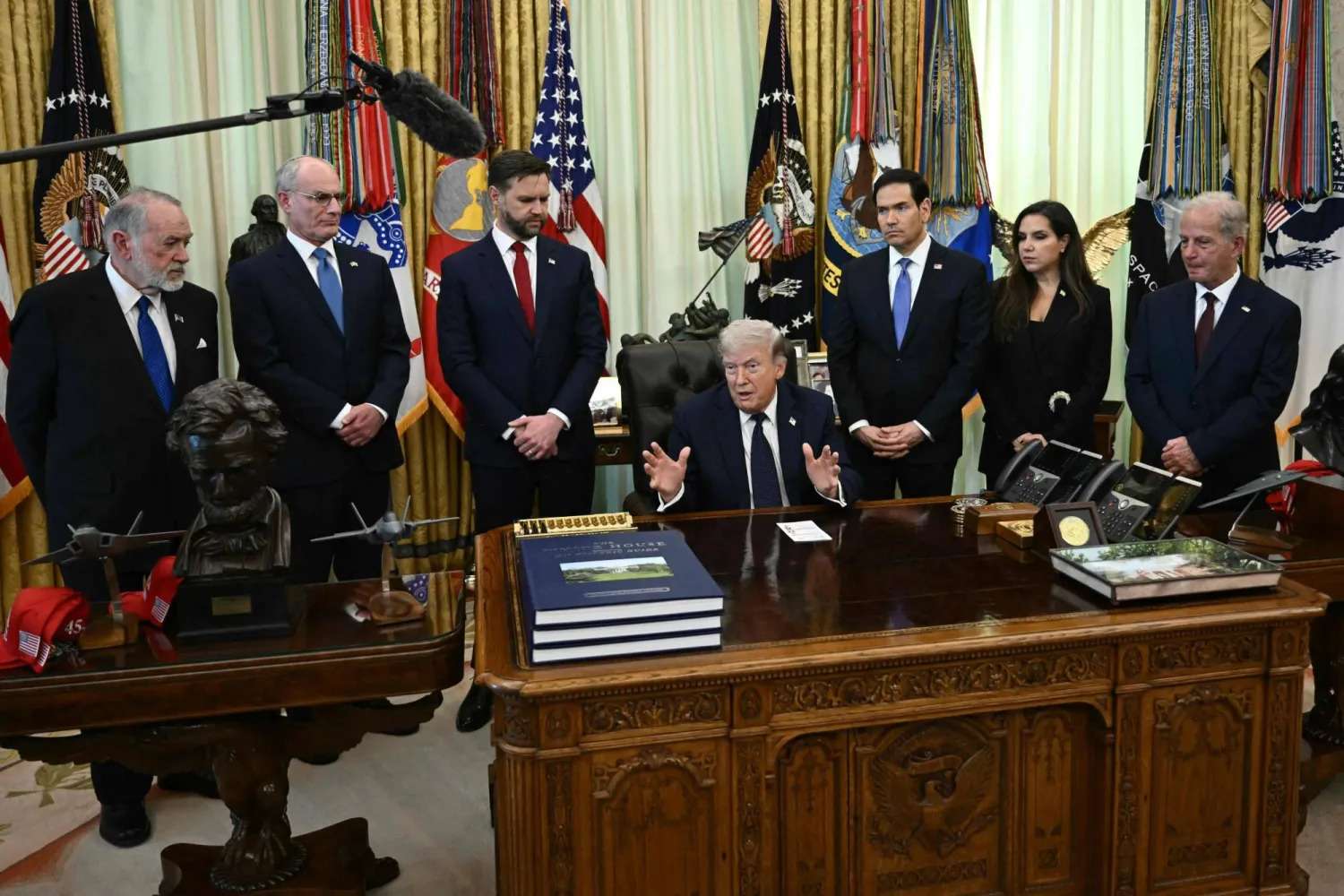
As for the latest innovation of Iranian ingenuity, it is the demand to prevent Israel from dismantling the status of the Southern Suburb (Dahiyeh) and to secure a commitment not to bomb it. The United States gave this demand significant attention, manifested in a decision by President Trump to block any Israeli attempt to enter or even bombard the Suburb, in exchange for halting the Party’s operations against the Israeli interior. Many viewed this as evidence that Iran still possesses the ability to impose its conditions and implement its demands. This, in turn, will prompt the Party to sustain its operations to inflict losses on the “enemy,” forcing a humiliated retreat from the battlefield.
This conclusion may well be accurate—that Iran still retains the power to dictate its terms in Lebanon. While this is practically plausible given that the United States is still engaging in dialogue and negotiating with the Iranian regime on various issues (with the Lebanese arena potentially being one of them), it is a matter that should deeply alarm Arab leaders in Saudi Arabia and Egypt. It should signal to them that the war of the past two months has ended neither Iran’s role nor its proxies, and they may find themselves forced to adapt to its conditions and the continued influence of these proxies across various domains they have previously experienced.
Indeed, these Arab leaders decided to prevent Lebanon from moving forward with the peace process, choosing instead to wait for the conditions of the Beirut Summit to be secured. They have not yet agreed to President Trump’s demands to join the normalization process under the Abraham Accords, which were expected to end all conflicts in the region and prevent extremism from returning to the stage in a new guise. President Trump has declared war not only on Iranian proxies but also on branches of the Muslim Brotherhood in the region, ensuring it is cleared of mobilizing and recruiting elements that foster an environment of violence. Could the elongation of Hezbollah’s lifespan be primarily targeted at these Arab players?
On the domestic Lebanese front, President Aoun has persisted in his hesitation to make correct decisions. He has attempted to play on the humanitarian chord and the emotions fueled by the tragedies of war, yet he has failed to take the necessary steps to end the status of an open-ended battleground. This arena is being exploited to create deeply concerning conditions for the people of the South, leading to their use as “sandbags”—much like the situation in Gaza—instead of asserting control and reaching an agreement between the two neighbors to ensure peace and stability on both sides of the border. Consequently, he leaves the door wide open for the “Armed Party” to initiate communication channels with Israel and the United States to reach solutions that grant it survival and bypass the role of an impotent state.
However, will the clearing operations of the Nabatiyeh region and its surroundings toward the coast be completed? Will the city of Tire and its outskirts be cleared during this borrowed time? And what about the residents’ demands to declare them open cities, free of fighters, weapons depots, and combat tunnels, to save them from destruction?
It appears the Party has decided to ignore the residents’ opinions and continue fighting in both areas, particularly after Israel—at the request of President Trump—decided not to advance toward the Southern Suburb. Hence, operations to clear cities, villages, depots, and tunnels in the Nabatiyeh and Tire regions will undoubtedly continue. This extends even to Jabal Rehan—from Arab Salim to Kfar Houna and Jabal Safi on both sides—stretching westward toward Sidon and the Awali River, and eastward toward Birket Jabfour and Mashghara, reaching the villages of the Rashaya and Hasbaya districts.
Will the South be completely cleared before returning to the Southern Suburb? Will the Israelis move to solidify the occupation and transition into a new, long-term phase? Or will the Party seek to reach an agreement similar to the October 2024 accord, hoping to violate it once it finishes reorganizing and re-equipping, while attempting to control the government or “moderate” its decisions? This would ensure Lebanon never enjoys any solution that might offer hope for recovery or time to catch its breath.
In either scenario, Lebanon appears to have lost its opportunity to negotiate as a state capable of asserting its right to decision-making. The current leadership—which many believed would differ from previous crisis-management regimes, taking initiative based on altered circumstances and new data under a Trump administration that harbors some affection for Lebanon—has failed once again. It failed to enforce a sovereign stance where the state holds the exclusive right to decision-making, weapons are confined to its official forces, and no group is permitted to bypass its authority. This failure stems from continued reliance on the exact same clique of corrupt figures who dismantled the state, impoverished the people, and dragged the country to this nadir.
Regrettably, President Aoun’s tenure will be a revised copy of his predecessors’ terms. From this day forward, he will find no one to invite him to the White House or any global decision-making center, for he has proven incapable of comprehending shifting dynamics, nor has he tried to exploit favorable conditions when the wind blew in his favor. As the ancient proverb goes: “If your winds blow, seize the moment… for the wind’s habit is to turn still.”
السيرة الذاتية للكولونيل شربل بركات
خبير عسكري، كاتب، شاعر، مؤرخ، ومعلق سياسي
*ضابط متقاعد من الجيش اللبناني
*متخرج من المدرسة الحربية ومجاز بالعلوم السياسية والادارية من الجامعة اللبنانية
*كلف كأحد الضباط لتنظيم الدفاع عن القرى الحدودية منذ 1976
*تسلم قيادة تجمعات الجنوب
*تسلم قيادة القطاع الغربي في جيش لبنان الحر وأصبح مساعدا للرائد سعد حداد ثم تسلم قيادة الجيش بالوكالة عندما مرض الرائد حداد واستمر بعد وفاته حتى مجيء اللواء أنطوان لحد فأصبح مساعده ثم قائدا للواء الغربي في جيش لبنان الجنوبي
*ترك العمل العسكري في 1988 وتسلم العلاقات الخارجية
*شهد أمام لجنة العلاقات الخارجية في مجلس الشيوخ الأميركي مرتين
*كاتب سياسي وباحث في التاريخ له الكثير من الكتب والمقالات السياسية التاريخية والانسانية
نشر كتابه الأول “مداميك” (1999) الذي يحكي عن المنطقة الحدودية ومعاناة أهلها، ترجم إلى العبرية ونشرته معاريف (2001) والانكليزية (2012) Madameek – Courses – A struggle for Peace in a zone of war موجود على Amazon Books
*نشر كتابه الثاني “الجنوب جرحنا وشفانا” الذي يشرح الأحداث التي جرت في المنطقة بين 1976 – 1986
*الكتاب الثالث “Our Heritage” كتاب بالانكليزية يلخص التراث اللبناني مع رسومات لزيادة الاستيعاب موجه للشباب المغترب
*كتابه السياسي الثالث “لبنان الذي نهوى” (2022) جاهز للطبع
*كتاب مجزرة عين إبل 1920 وهو بحث تاريخي عن المجزرة التي ساهمت في نشوء وتثبيت لبنان الكبير
*كتاب “المقالات السياسية 2005 – 2013” مئة ومقالة منشور على صفحته
*كتاب “الشرق الأوسط في المخاض العسير” مجموعة مقالات سياسية (2013 – 2025)
*كتاب “العودة إلى عين إبل” بحث تاريخي بشكل قصصي عن تاريخ المنطقة بين 1600 – 1900
*كتاب شعر عن المعاناة خلال الحرب الكبرى 1914 – 1918 من خلال قصيدة زجلية نقدية جاهز للطبع
*كتاب “تاريخ فناء صور الخلفي” بحث تاريخي عن المنطقة الجنوبية – قيد الانجاز
*كتاب المقالات الانسانية وكتاب عينبليات قيد الانجاز