Lebanese-Israeli Negotiations and the Near Future
Colonel Charbel Barakat/May 12/2026
المفاوضات اللبنانية الاسرائيلية والمستقبل القريب
الكولونيل شربل بركات/12 أيار/2026
ما هو الوضع الحقيقي للمفاوضات اللبنانية الاسرائيلية ومن هي الجهة المهتمة بها فعليا؟
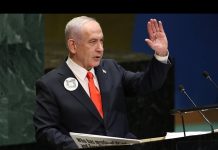
بعد الحرب على إيران وتحطيم قوتها بشكل كبير، يتساءل المراقبون لماذا لم يرغب الرئيس الأميركي الذي يدير اللعبة بانهاء المهمة بالرغم من امكانية ذلك؟ وهل هناك أمور أخرى ترتبط فيها يحاول أن يدخلها ضمن الصفقة الكاملة للمنطقة؟ ولماذا امهال ما تبقى من النظام الإيراني لا بل تعويمه، مع العلم بأنه لم يعد يمتلك أي قدرات على الصعيد العملي، بينما يمسك الرئيس ترامب برصاصة الرحمة الموجهة إلى رأسه بدون شريك في القرار سوى حليفه المعنوي السيد نتانياهو؟
من جهة أخرى نرى بأن اطلاق يد اسرائيل في لبنان، للتخلص من رواسب نظام الملالي وتنظيف المناطق ذات الكثاقة الشيعية من السكان وحتى الممتلكات، عملية مستمرة تتقدم بشكل منتظم لا تشوبه شائبة. فتهجير مئات آلاف اللبنانيين الشيعة من الجنوب وتدمير المنشآت والبيوت لا يحتاج لتبرير طالما حزب الله يدّعي القتال والمقاومة، وحتى الانتصار وملاحقة “العدو” وتكبيده الخسائر، لا بل قصف الداخل الاسرائيلي.
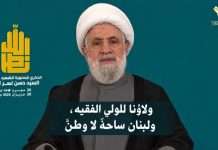
تجاه الواقع المذري الذي يتعرض له المواطنون وخاصة الشيعة، لم تقدر الدولة اللبنانية على الاستمرار بالصمت، ولو على عيون العالم، فعرض الرئيس عون استعداده للتفاوض المباشر مع الاسرائيليين للتفاهم حول ايجاد الحلول، كمقدمة لوقف القتال. ما لم يرغب به حزب السلاح، الذي يحاول أن يجد مبرر لعدم التخلي عن سلاحه هذا في أي مباحثات لوقف القتال، بدون الأخذ بعين الاعتبار لما يمكن للبيئة الاستمرار بتحمله، لا بل أراد ربط أي تفاهم بالموقف الإيراني. ومن هنا دعوته إلى تفشيل التفاوض قبل أن يبدأ بمبررات مختلفة؛ مثل رفض الموافقة على التفاوض المباشر، أو عدم التمادي باتجاه الحلول المستدامة، أي طرح موضوع السلام، أو حتى الالتزام بشروط الهدنة ومنع التعدي عبر الحدود. وجل ما يريده وقفا مؤقتا لاطلاق النار لكي يعيد تنظيم صفوفه وتسليح وتزخير مواقعه وتعبئة المواقع الشاغرة في سلم قيادته بانتطار جولة جديدة. وقد سانده بهذا الطرح الرئيس بري بالطبع اضافة إلى شريكه جنبلاط الذي يُفهم بالعادة موقفه المتنماغم مع موقف الاستاذ وقد يكون “لغاية في نفس يعقوب” أو ربما كما يقال عندنا “ديفنينوا سوا”.
على صعيد المنطقة أراد الرئيس ترامب اعطاء دور للدول المحيطة بإيران لكي تشعر بأنها تسهم بتثبيت الاستقرار الدائم وليس فقط بتلقي بعضها القذائف، فكانت دعوة الجيران من تركيا وباكستان إلى السعودية وقطر وحتى مصر للمساهمة بوضع الشروط النهائية لمن سيتكفل بادارة إيران الجديدة. كون هذه الدول كان لها بعض الخلافات بالرؤية مع النظام البائد هناك. ما قد يسهم ببلورة نظرية السلام الدائم في المنطقة والدفع باتجاه تثبيتها. ومن هنا الدور الذي أعطي لباكستان لاستضافة المفاوضات ورعاية استمرارها، كونها لم تتعرض لضربات وهجمات من قبل إيران من جهة، ولم تكن على وفاق دائم مع قيادتها بالنسبة للخيارات الاستراتيجية. ولكن بعض هذه الدول لم تستوعب حقيقة الدور المعطى لها، كونها ربما لم تعتاد أن تسأل في الأمور المصيرية، ولذا فبدل أن تسعى لتصور جديد لعلاقات دول المنطقة يأخذ بعين الاعتبار المتغيرات والقوى التي ساهمت مع الولايات المتحدة بتحجيم قدرات النظام الإيراني، استعادت تصور أدوار وطروحات بائدة مر عليها الزمن. ولم تتفهم حقيقة الدعوة، حيث بقي اعلامها وقادة الرأي فيها متوهمين بقدرات النظام الإيراني على التعدي من جهة، وبالتمسك بدور قيادة الاجماع العربي الذي لم يفد لا في مواجهة مشاريع الهيمنة الإيرانية ولا في بناء موقف متجانس مع الواقع الرافض لمشاريع الأخوان المسلمين من جهة أخرى، وقد كانت حضنتهم تركيا أردوغان ودعمتهم قطر بالمال فتوجهوا لقلب النظام في مصر
وتعطيل مفاعيل حركة ابن سلمان الانفتاحية في السعودية، ولم يتفهموا أهمية الدور الاسرائيلي المساند في ضبط الأمور والمساهم بالاستقرار. وفي هذا الاطار نفهم محاولة السعوديين والمصريين التأثير على موقف لبنان بالنسبة للمفاوضات وضبط اندفاعة الحكومة نحو السلام، الذي قد يسهم برسم مستقبل أفضل له من ضمن الحلول المطروحة للمنطقة.
يقول البعض بأن الرئيس ترامب هو الذي يستعجل لقاء الرئيس اللبناني ورئيس والوزراء الاسرائيلي ويضغط بهذا الاتجاه، وقد يكون هذا الطرح صحيح، ولكن من جهة أخرى فإن تحمس الاسرائيليين لفكرة التفاوض مع لبنان والتوصل للحلول النهائية جعل هؤلاء يخففون من اندفاعتهم، ما فضح لعبتهم وأفشل مخططتهم الذي كان يهدف لكسب الوقت ليس إلا.
اللبنانيون وخاصة الشيعة منهم يتنازلون يوميا عن حقوقهم في الحياة والبقاء، وهم يدفعون دفعا باتجاه تهجيرهم خارج البلاد. فلا هم يرتدعون عن افتعال مسببات لقيام الحرب عليهم، ولا هم يتوقفون عن مساندة سلاخيهم الذين يسعون باصرار لتحميلهم تبعات أخطاء الحرس الثوري، الذي لم يعد عنده لا أنياب ولا أظافر ليدافع عن نفسه، فكيف يقود حربا تبعد عن بلاده آلاف الكيلومترات ولم يعد يربطه بها لا طريق ولا حليف.
حزب الله عطل انفتاح الشيعة اللبنانيين ومساهمتهم بنجاح البلد، وأخر تقدمهم كمجتمع وحصر دورهم بنشر الحقد الذي استورده من ملالي إيران، وبنتيجته أعادهم إلى العصور القبلية، وربطهم بنظام خارج عن مسار التاريخ، فهل إن مصيرهم سيشبه مصير هؤلاء؟ أم هل إن مشاريع التغيير الديمغرافي سيشملهم فيبتعدوا عن شواطئ لبنان لينحصروا في مناطق إيرانية من وسط آسيا، فلا يؤثر نزوح البعض ولو وصل إلى مئات الألوف على التسعين مليون سكان البلد هناك، وقد تغذوا على النفس الإيراني وتعلموا نفس البرامج التثقيفية في مدارسهم ومجتمعاتهم؟
الدولة اللبنانية التي بقيت تساير الاحتلالات منذ خمسين سنة، لم تقم النخبة الحاكمة فيها بأي عمل لتدارك المصير المظلم، وها هي تتلون في قراراتها وتتردد في خياراتها، فلا هي تنجح بالتملص من شباك الهيمنة، ولا تدع أحدا من أصحاب الرؤية يسهم بخلاصها. ولذا فالحرب ستستمر والدمار سيزيد والتهجير سيصبح الخيار الوحيد، وكل ما جمعت الست رندا وزوجها المصون، الحاكم الدائم المتذاكي، من بلايين الدولارات لن تشفع أو ترافق أحدا إلى القبر، والقصور التي بنيت بأموال المقهورين ستلحق باصحابها دمارا وخراب، فالمثل الشعبي الجنوبي يقول “إن روت أرض بشّر أختها” ولن يكون قصر علي حسن خليل في الخيام الشاهد الوحيد على المصير.
يقول البعض بأن العرب وخاصة السعوديين هم وراء اقناع اللبنانيين بخيار الحزب بالنسبة للتفاوض وقد يكون الخبر صحيح، ولكننا لا نعتقد بأن آل سعود نسيوا ما حاكه ضدهم الحزب وأسياده الملالي، ولا غاب عنهم قصف مكة المكرمة أو تفجير الخبر وغيره، ولا خطط الملالي لتحريك الفتنة في القطيف، ولا ما قاله عنهم السيد حسن وخلفائه، وبالطبع كل عمليات تهريب الكابتاغون، لضرب المجتمع السعودي من الداخل. ونحن نعلم بأن البدو يأخذون بالثأر بعد أربعين سنة، ولذا فقد يكون ما يحضّر لهؤلاء هو الرفض للحلول لكي تكون النتيجة أقسى ما يمكن، وتشمل تنظيف تراب لبنان من الشر ومن يحمله مرة لكل المرات. فمحاولة الرئيس ترامب مساعدة لبنان على النهوض سوف يرفضها تعنت هؤلاء ومن يسير بركبهم، ومن هنا ستطلق الإيادي وتنفذ المخططات التي لن ترحم. ونحن نأسف على كل برئ وقع تحت الظلم وعلى كل نفس غرر بها فلم تعرف بماذا ستحتمي ولا بمن ستستجير.
Lebanese-Israeli Negotiations and the Near Future
Colonel Charbel Barakat/May 12/2026
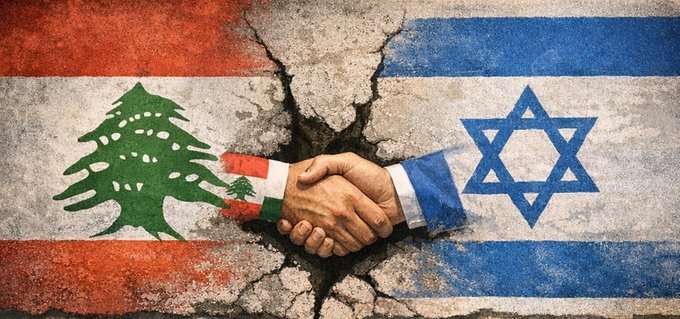
What is the true status of the Lebanese-Israeli negotiations, and who is actually interested in them? After the war on Iran and the significant weakening of its power, observers are wondering why the American president, who is orchestrating the situation, has not wanted to conclude the mission despite the possibility of doing so.
Are there other related issues that he is trying to include in a comprehensive regional deal? Why is the remnants of the Iranian regime being given time, or even being allowed to survive, given that it no longer possesses any practical capabilities, while President Trump holds the coup de grâce to its head, with no partner in the decision-making other than his moral ally, Mr. Netanyahu? On the other hand, we see that giving Israel a free hand in Lebanon, to eliminate the remnants of the mullahs’ regime and cleanse the Shiite-majority areas of their inhabitants and even their property, is an ongoing process that is progressing steadily and flawlessly. The displacement of hundreds of thousands of Lebanese Shiites from the south and the destruction of infrastructure and homes do not require justification as long as Hezbollah claims to be fighting and resisting, even achieving victory, pursuing the “enemy,” inflicting losses upon it, and even shelling the Israeli interior. Faced with the dire situation of its citizens, particularly the Shia, the Lebanese state could no longer remain silent, even in the eyes of the world. President Aoun offered his readiness for direct negotiations with the Israelis to reach an understanding on solutions as a prelude to a ceasefire.
This was unacceptable to Hezbollah, which seeks to justify its refusal to relinquish its weapons in any ceasefire talks, disregarding the limits of the community’s endurance. Hezbollah even insisted on linking any agreement to the Iranian position. Hence, its calls to sabotage negotiations before they even begin, using various pretexts such as refusing direct negotiations, not pursuing sustainable solutions (i.e., raising the issue of peace), or even adhering to the terms of a truce and preventing cross-border incursions. All it wants is a temporary ceasefire to reorganize its ranks, rearm, reinforce its positions, and fill vacant leadership posts in anticipation of a new round of fighting. President Berri supported this proposal, of course, in addition to his partner Jumblatt, whose position is usually understood to be in harmony with the professor’s position, and may be “for a reason in Jacob’s mind,” or perhaps as we say, “too good to be bad.”
At the regional level, President Trump wanted to empower Iran’s neighbors so they would feel they were contributing to lasting stability, not just absorbing attacks. He invited Turkey, Pakistan, Saudi Arabia, Qatar, and even Egypt to participate in setting the terms for who would govern the new Iran. These countries had differing visions with the previous regime, which could contribute to shaping and solidifying a lasting peace in the region. Hence, Pakistan was given the role of hosting and facilitating the negotiations, as it had not been directly targeted by Iran, nor had it always been in agreement with its leadership on strategic choices.
However, some of these countries failed to grasp the true nature of their assigned role, perhaps because they were unaccustomed to being consulted on crucial matters. Therefore, instead of seeking a new vision for regional relations that considered the changes and forces that, along with the United States, had helped to curtail the Iranian regime’s capabilities, they reverted to outdated and obsolete approaches. They failed to grasp the true nature of the invitation, as their media and opinion leaders remained deluded by the Iranian regime’s capacity for aggression, on the one hand, and by clinging to the role of leading the Arab consensus, which proved ineffective in confronting Iranian hegemonic projects or in forging a unified stance against the Muslim Brotherhood’s.
agenda, on the other. Turkey, under Erdoğan’s patronage, and Qatar, with financial support, had turned their attention to toppling the regime in Egypt and obstructing the effects of Ibn Salman’s reforms in Saudi Arabia. They failed to understand the crucial role of Israel in maintaining stability and stabilizing the situation. Within this context, we can understand the Saudi and Egyptian attempts to influence Lebanon’s position regarding negotiations and to curb the government’s momentum toward peace, which could contribute to shaping a better future for the country within the framework of proposed solutions for the region. Some argue that President Trump is the one pushing for a meeting between the Lebanese president and the Israeli prime minister, and this may be true. However, the Israelis’ enthusiasm for the idea of negotiating with Lebanon and reaching final solutions has led them to temper their enthusiasm, exposing their game and thwarting their plan, which was merely a stalling tactic. The Lebanese, especially the Shiites, are daily relinquishing their rights to life and survival, and are being driven towards displacement from their country. They neither refrain from creating pretexts for war against them, nor do they cease supporting their aggressors who persistently seek to hold them responsible for the mistakes of the Revolutionary Guard, which no longer possesses the means to defend itself, let alone wage a war thousands of kilometers away from its homeland, with which it has neither road nor ally.
Hezbollah has hindered the openness of Lebanese Shiites and their contribution to the country’s success, delaying their progress as a society and confining their role to spreading the hatred it imported from the Iranian mullahs. As a result, it has dragged them back to tribal times and tied them to a system out of step with history. Will their fate resemble that of these people? Or will the demographic engineering projects include them, forcing them away from Lebanon’s shores and into Iranian regions of Central Asia? In that case, the displacement of some, even if it reaches hundreds of thousands, would not affect the ninety million inhabitants of the country, as they have been nurtured on Iranian ideology and educated in the same programs in their schools and communities.
The Lebanese state, which has acquiesced to occupations for fifty years, has seen its ruling elite take no action to avert this bleak fate. It continues to waver in its decisions and hesitate in its choices, failing to escape the clutches of hegemony and preventing anyone with a vision from contributing to its salvation. Therefore, the war will continue, the destruction will increase, and displacement will become the only option. All the billions of dollars amassed by Mrs. Randa and her esteemed husband, the perpetually cunning ruler, will be of no avail, nor will they accompany anyone to the grave. The palaces built with the money of the oppressed will bring ruin and destruction upon their owners. As the southern proverb says, “If one land is watered, another will be watered,” and Ali Hassan Khalil’s palace in Khiam will not be the only witness to this fate. Some say that the Arabs, especially the Saudis, are behind convincing the Lebanese of Hezbollah’s choice regarding negotiations, and this may be true.
However, we do not believe that the Al Saud have forgotten what Hezbollah and its masters, the mullahs, plotted against them. They are not unaware of the bombing of Mecca, the Khobar Towers bombing, and other attacks, nor the mullahs’ plans to incite sectarian strife in Qatif, nor what Sayyed Hassan and his successors said about them. And of course, there are all the Captagon smuggling operations aimed at destabilizing Saudi society from within. We know that Bedouins often exact revenge after forty years, and so what is being prepared for them may be a rejection of solutions so that the outcome will be as harsh as possible, including cleansing Lebanese soil of evil and those who harbor it once and for all. President Trump’s attempt to help Lebanon recover will be rejected by the intransigence of these people and their followers, and from there, hands will be unleashed to implement merciless plans. We grieve for every innocent person who has fallen
victim to injustice and for every soul that has been misled, not knowing where to turn for protection or to whom to seek refuge.
السيرة الذاتية للكولونيل شربل بركات
خبير عسكري، كاتب، شاعر، مؤرخ، ومعلق سياسي
*ضابط متقاعد من الجيش اللبناني
*متخرج من المدرسة الحربية ومجاز بالعلوم السياسية والادارية من الجامعة اللبنانية
*كلف كأحد الضباط لتنظيم الدفاع عن القرى الحدودية منذ 1976
*تسلم قيادة تجمعات الجنوب
*تسلم قيادة القطاع الغربي في جيش لبنان الحر وأصبح مساعدا للرائد سعد حداد ثم تسلم قيادة الجيش بالوكالة عندما مرض الرائد حداد واستمر بعد وفاته حتى مجيء اللواء أنطوان لحد فأصبح مساعده ثم قائدا للواء الغربي في جيش لبنان الجنوبي
*ترك العمل العسكري في 1988 وتسلم العلاقات الخارجية
*شهد أمام لجنة العلاقات الخارجية في مجلس الشيوخ الأميركي مرتين
*كاتب سياسي وباحث في التاريخ له الكثير من الكتب والمقالات السياسية التاريخية والانسانية
نشر كتابه الأول “مداميك” (1999) الذي يحكي عن المنطقة الحدودية ومعاناة أهلها، ترجم إلى العبرية ونشرته معاريف (2001) والانكليزية (2012) Madameek – Courses – A struggle for Peace in a zone of war موجود على Amazon Books
*نشر كتابه الثاني “الجنوب جرحنا وشفانا” الذي يشرح الأحداث التي جرت في المنطقة بين 1976 – 1986
*الكتاب الثالث “Our Heritage” كتاب بالانكليزية يلخص التراث اللبناني مع رسومات لزيادة الاستيعاب موجه للشباب المغترب
*كتابه السياسي الثالث “لبنان الذي نهوى” (2022) جاهز للطبع
*كتاب مجزرة عين إبل 1920 وهو بحث تاريخي عن المجزرة التي ساهمت في نشوء وتثبيت لبنان الكبير
*كتاب “المقالات السياسية 2005 – 2013” مئة ومقالة منشور على صفحته
*كتاب “الشرق الأوسط في المخاض العسير” مجموعة مقالات سياسية (2013 – 2025)
*كتاب “العودة إلى عين إبل” بحث تاريخي بشكل قصصي عن تاريخ المنطقة بين 1600 – 1900
*كتاب شعر عن المعاناة خلال الحرب الكبرى 1914 – 1918 من خلال قصيدة زجلية نقدية جاهز للطبع
*كتاب “تاريخ فناء صور الخلفي” بحث تاريخي عن المنطقة الجنوبية – قيد الانجاز
*كتاب المقالات الانسانية وكتاب عينبليات قيد الانجاز