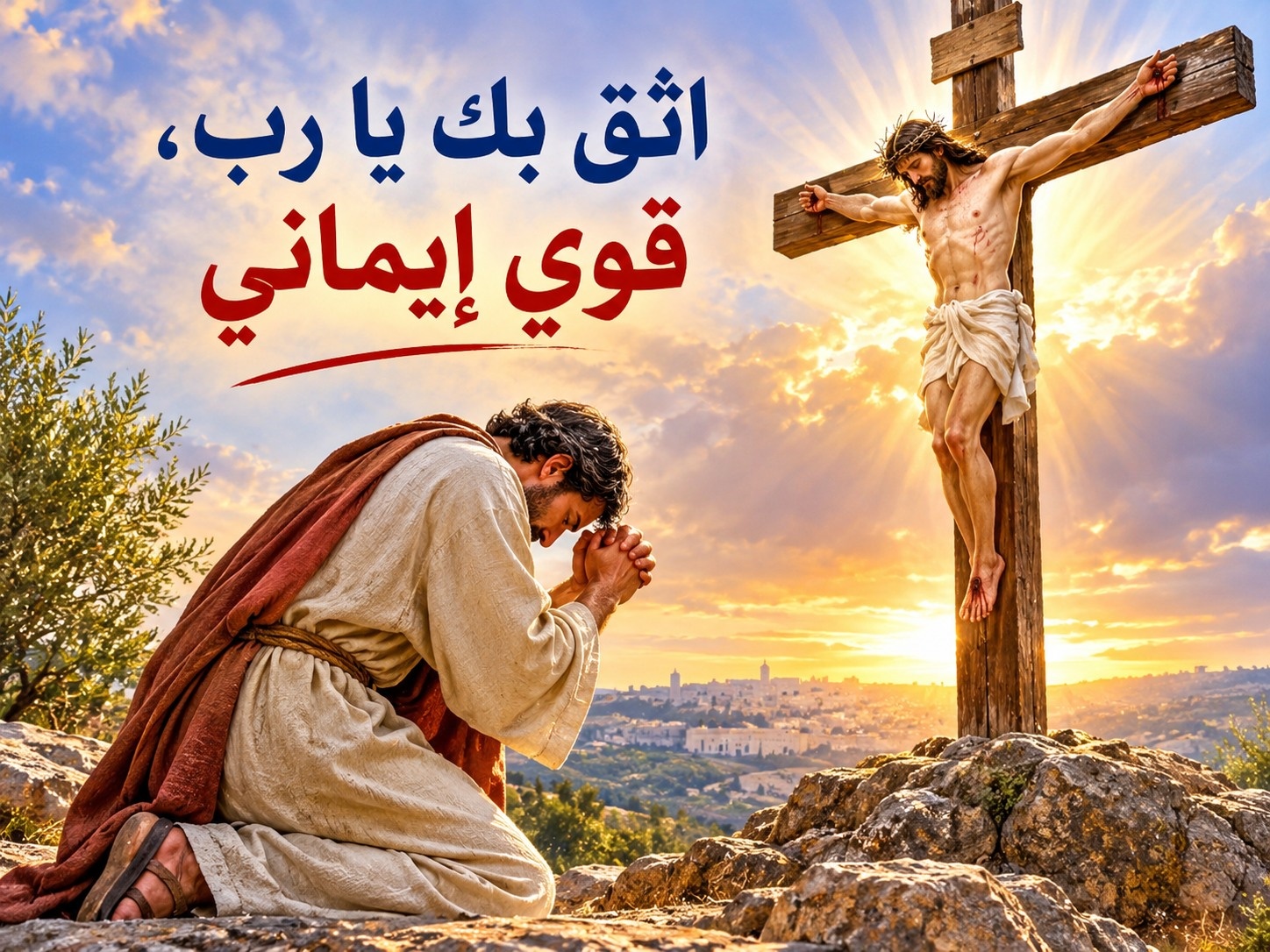
Question: How can I learn to trust in God?
GotQuestions.org/November 07/2026
Answer: We cannot trust someone we don’t know, and that is the secret of learning to trust God. When someone says, “Trust me,” we have one of two reactions. Either we can say, “Yes, I’ll trust you,” or we can say, “Why should I?” In God’s case, trusting Him naturally follows when we understand why we should.The main reason we should trust God is that He is worthy of our trust. Unlike men, He never lies and never fails to fulfill His promises. “God is not a man, that he should lie, nor a son of man, that he should change his mind. Does he speak and then not act? Does he promise and not fulfill?” (Numbers 23:19; Psalm 89:34). Unlike men, He has the power to bring to pass what He plans and purposes to do. Isaiah 14:24 tells us, “The LORD Almighty has sworn, ‘Surely, as I have planned, so it will be, and as I have purposed, so it will stand.’” Furthermore, His plans are perfect, holy, and righteous, and He works all things together for good for those who love Him and are called according to His holy purpose (Romans 8:28). If we endeavor to know God through His Word, we will see that He is worthy of our trust, and our trust in Him will grow daily. To know Him is to trust Him.
We can learn to trust God as we see how He has proven Himself to be trustworthy in our lives and the lives of others. In 1 Kings 8:56 we read, “Praise be to the LORD, who has given rest to his people Israel just as he promised. Not one word has failed of all the good promises he gave through his servant Moses.” The record of God’s promises is there in His Word for all to see, as is the record of their fulfillment. Historical documents verify those events and speak of God’s faithfulness to His people. Every Christian can give personal testimony to God’s trustworthiness as we see His work in our lives, fulfilling His promises to save our souls and use us for His purposes (Ephesians 2:8-10) and comfort us with the peace that passes all understanding as we run the race He has planned out for us (Philippians 4:6-7; Hebrews 12:1). The more we experience His grace, faithfulness, and goodness, the more we trust Him (Psalm 100:5; Isaiah 25:1).
A third reason to trust God is that we really have no sensible alternative. Should we trust in ourselves or in others who are sinful, unpredictable, unreliable, have limited wisdom, and who frequently make bad choices and decisions swayed by emotion? Or do we trust in the all-wise, all-knowing, all-powerful, gracious, merciful, loving God who has good intentions for us? The choice should be obvious, but we fail to trust God because we don’t know Him. As already stated, we cannot hope to trust in someone who is essentially a stranger to us, but that is easily remedied. God has not made Himself difficult to find or know. All we need to know about God, He has graciously made available to us in the Bible, His holy Word to His people. To know God is to trust Him.
سؤال: كيف يمكنني أن أتعلم الثقة بالله؟
GotQuestions.org/
07 تشرين الثاني/2026
جواب: لا يمكننا أن نثق بشخص لا نعرفه، وهذا هو سر تعلم الثقة بالله. فعندما يقول أحدهم: “ثِق بي”، تكون لدينا إحدى ردتي فعل: إما أن نقول: “نعم، سأثق بك”، أو نتساءل: “لماذا ينبغي عليّ ذلك؟”. وفيما يخص الله، فإن الثقة به تأتي كنتيجة طبيعية عندما ندرك الأسباب التي تجعلنا نثق به. فالسبب الرئيسي الذي يدعونا للثقة بالله هو أنه أهلٌ لهذه الثقة؛ فهو، على عكس البشر، لا يكذب أبداً ولا يخلف وعوده. “ليس الله إنساناً فيكذب، ولا ابن إنسان فيندم. هل يقول ولا يفعل؟ أو يتكلم ولا يفي؟” (سفر العدد 23: 19؛ مزمور 89: 34). كما أنه، بخلاف البشر، يمتلك القدرة على تحقيق كل ما يخطط له ويقصد القيام به. يخبرنا سفر إشعياء (14: 24) قائلاً: “أقسم رب الجنود قائلاً: إنه كما قصدتُ يكون، وكما عزمتُ يثبت”. علاوة على ذلك، فإن خططه كاملة ومقدسة وعادلة، وهو يجعل كل الأمور تعمل معاً للخير للذين يحبونه والمدعوين وفقاً لقصده المقدس (رسالة رومية 8: 28). وإذا سعينا لمعرفة الله من خلال كلمته، فسنرى أنه جدير بثقتنا، وستنمو ثقتنا به يوماً بعد يوم؛ فمعرفته تعني الثقة به.
يمكننا أن نتعلم الثقة بالله حين نرى كيف أثبت جدارته بالثقة في حياتنا وفي حياة الآخرين. نقرأ في سفر الملوك الأول (8: 56): “مبارك الرب الذي أعطى راحة لشعبه إسرائيل حسب كل ما وعد به. لم تسقط كلمة واحدة من كل وعوده الصالحة التي وعد بها على يد عبده موسى”. إن سجل وعود الله موجود في كلمته ليراه الجميع، وكذلك سجل تحقيق تلك الوعود. تُؤكِّد الوثائق التاريخية تلك الأحداث، وتتحدث عن أمانة الله تجاه شعبه. وبإمكان كل مسيحي أن يُقدِّم شهادة شخصية على جدارة الله بالثقة؛ إذ نرى عمله في حياتنا، وهو يُحقِّق وعوده بخلاص نفوسنا واستخدامنا لتحقيق مقاصده (أفسس 2: 8-10)، ويغمرنا بسلامٍ يفوق كل عقل بينما نمضي في السباق الذي رسمه لنا (فيلبي 4: 6-7؛ عبرانيين 12: 1). وكلما اختبرنا نعمته وأمانته وصلاحه، زادت ثقتنا به (مزمور 100: 5؛ إشعياء 25: 1).
وثمة سببٌ ثالثٌ يدعونا للثقة بالله، وهو أنه لا يوجد في الواقع بديلٌ منطقيٌّ آخر. فهل نضع ثقتنا في أنفسنا أو في الآخرين -وهم بشرٌ خطاة، لا يمكن التنبؤ بتصرفاتهم، ولا يُعتمد عليهم، وتتسم حكمتهم بالقصور، وغالباً ما يتخذون قراراتٍ سيئةً مدفوعين بعواطفهم؟ أم نضع ثقتنا في الله -الحكيم كلياً، والعليم بكل شيء، والقادر على كل شيء، المليء بالنعمة والرحمة والمحبة، والذي يضمر لنا كل خير؟ ينبغي أن يكون الاختيار بديهياً، لكننا أحياناً نفشل في الثقة بالله لأننا لا نعرفه حق المعرفة. وكما ذُكر سابقاً، لا يمكننا أن نثق في شخصٍ نعتبره غريباً عنا، لكن هذا الأمر يمكن معالجته بسهولة؛ فالله لم يجعل الوصول إليه أو معرفته أمراً صعباً. فكل ما نحتاج إلى معرفته عن الله، قد أتاحه لنا بنعمته في الكتاب المقدس، كلمته المقدسة الموجهة لشعبه. فمعرفة الله تقود حتماً إلى الثقة به.