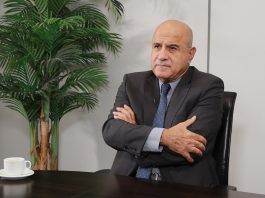
Dr. Charles Chartouni: Les élections israéliennes et la géopolitique en tourmente/Israeli Elections and Geopolitics in Turmoil/د. شارل شرتوني: الانتخابات الإسرائيلية والجغرافيا السياسية في دوامة الاضطراب
الانتخابات الإسرائيلية والجغرافيا السياسية في دوامة الاضطراب د. شارل شرتوني/إيسي بيروت/29 تشرين الأول/2029 (ترجمة من الفرنسية بواسطة الذكاء الإصطناعي)
Israeli Elections and Geopolitics in Turmoil Dr. Charles Chartouni/Ici Beyrouth/October 29/2029 (Translated from French by AI)
Les élections israéliennes et la géopolitique en tourmente Dr. Charles Chartouni/Ici Beyrouth/October 29/2029
La démocratie israélienne fait ses preuves une nouvelle fois au cœur d’une région profondément tourmentée où plus rien ne tient. L’attentat terroriste à l’encontre des chrétiens jordaniens et ses ramifications sécuritaires sur les frontières syro-jordaniennes, l’instabilité endémique du Liban, l’insécurité diffuse du pouvoir saoudien, la résurgence des plateformes opérationnelles iraniennes sur l’ensemble moyen-oriental sont autant d’indicateurs.
Le résultat des élections israéliennes met en relief les fractures d’une scène politique divisée, tout en soulignant l’unité qui se forme autour des questions stratégiques liant les Israéliens, au-delà de leurs dissensions politiques et sociétales. L’imbrication étroite entre les questions stratégiques et sociétales n’a jamais cessé dans une société où l’identité juive, comme marqueur ethno-national, n’a jamais pu éteindre les différences qui se sont cristallisées autour de la nature du projet national israélien. Celles-ci se sont cristallisées tant dans sa matrice sioniste que dans ses variantes post-sioniste et anti-sioniste.
La société israélienne n’a cessé d’être confrontée à ces dilemmes identitaires et politico-stratégiques au détour de chaque guerre et à la veille de chaque élection, où le nexus entre ses variables refaisait surface. Le pogrom du 7 octobre 2023 a redonné à cette problématique toute son acuité et mis le doigt sur les menaces sécuritaires auxquelles fait face l’État israélien. La dimension sécuritaire, politico-stratégique et identitaire demeure centrale alors que les prouesses militaires, technologiques et économiques n’ont jamais défailli en fournissant à l’État des assises incomparables.
En se rendant aux urnes, les Israéliens ont voté sur des enjeux sécuritaires. Cela a conduit au pogrom symptomatique du 7 octobre 2023 et à ses desseins ouvertement génocidaires. Ces derniers incluent l’ambiguïté malveillante de l’intermédiation qatarie, l’hubris du pouvoir israélien, les faux calculs concernant Gaza, ainsi que l’imbroglio sécuritaire qui s’est noué autour de l’axe de la rive-ouest du Jourdain et de Gaza. Ce n’est pas un hasard si cette question se maintient à l’ordre du jour et plus que jamais. Ceci nous renvoie à la question ultime des deux États, ainsi qu’à l’avenir des relations entre l’État d’Israël, l’autorité palestinienne et le Hamas, et à l’effondrement de toute perspective de règlement négocié.
Le dilemme concernant l’avenir des relations entre l’État d’Israël, l’autorité palestinienne et le Hamas, ainsi que l’effondrement de toute perspective de règlement négocié, se complique. En effet, la question de la reconnaissance de l’État d’Israël et de l’édification de l’hypothétique État palestinien revient au point zéro. En d’autres termes, nous revenons à la question fondamentale du droit d’existence de l’État d’Israël et à la nécessité d’un règlement négocié avec les Palestiniens. Celui-ci a constamment rencontré des obstacles idéologiques et des politiques de sabotage, malgré le fait que la résolution 181 des Nations Unies avait ouvert la voie aux accords de Camp David, d’Oslo et à leurs dérivés.
Le pogrom du 7 octobre 2023 et les dynamiques guerrières qu’il a suscitées marquent un nouveau départ. Ils réinvitent les deux parties à repenser à frais nouveaux la question de la coexistence entre les deux peuples, des deux États et des étapes intermédiaires qu’il faudrait mettre en place. C’est ça l’enjeu des élections israéliennes et la difficulté de pouvoir les dissocier des questions géostratégiques en cours. La société israélienne devrait plus que jamais aborder ces questions avec tout le réalisme que cela suppose, en évitant les biais idéologiques provenant de toutes parts, tant des Israéliens eux-mêmes que de la diaspora juive qui se sent ultimement concernée.
Les différences électorales ne peuvent en aucun cas justifier l’institutionnalisation des désaccords politiques dirimants et qui peuvent mettre en danger la sécurité nationale et les changements géostratégiques induits par la contre-offensive israélienne et ses effets de restructuration sur le plan géopolitique. La pugnacité du vote arabe démontre les limites d’une coalition avec cette composante qui réaffirme son intransigeance au moment même où un irrédentisme politico-religieux juif remet en question l’identité de l’État israélien. Les partis politiques du centre droit sont sommés de retrouver un accommodement, malgré les controverses politico-légales concernant l’enquête sur le 7 octobre 2023, le service militaire des haredims, et les rapports entre les pouvoirs judiciaire et politique.
Les écarts faibles entre les deux blocs électoraux doivent déboucher sur des consensus à géométrie variable alors que les enjeux stratégiques pèsent plus que jamais. Les Israéliens doivent réussir une nouvelle fois de plus le pari d’une démocratie au milieu des tourmentes. Les polarisations doivent se résorber, soit par la formation d’une coalition regroupant les deux blocs prédominants, soit en facilitant ainsi la tâche au président Herzog, qui avait déjà opté pour une coalition entre ces blocs. Autrement, les Israéliens reviendront aux urnes dans 82 jours pour se retrouver avec les mêmes problèmes qu’ils auraient tort d’esquiver.
Israeli Elections and Geopolitics in Turmoil Dr. Charles Chartouni/Ici Beyrouth/October 29/2029 (Translated from French by AI)
Israeli democracy is once again proving itself at the heart of a deeply troubled region where nothing holds firm anymore. The terrorist attack against Jordanian Christians and its security ramifications on the Syrian-Jordanian borders, Lebanon’s endemic instability, the diffuse insecurity of Saudi power, and the resurgence of Iranian operational platforms across the entire Middle East are all indicators of this.
The outcome of the Israeli elections highlights the fractures of a divided political scene, while underlining the unity that forms around strategic issues linking Israelis beyond their political and societal disagreements. The close interweaving of strategic and societal questions has never ceased in a society where Jewish identity, as an ethno-national marker, has never been able to extinguish the differences that crystallized around the nature of the Israeli national project. These differences crystallized both in its Zionist matrix and in its post-Zionist and anti-Zionist variants.
Israeli society has continually been confronted with these identity and politico-strategic dilemmas at the turn of every war and on the eve of every election, where the nexus between its variables resurfaced. The pogrom of October 7, 2023, restored this problem to its full acuity and pointed to the security threats facing the Israeli state. The security, politico-strategic, and identity dimension remains central, even as military, technological, and economic achievements have never failed to provide the state with incomparable foundations.
In going to the polls, Israelis voted on security issues. This led to the symptomatic pogrom of October 7, 2023, and its openly genocidal designs. These include the malicious ambiguity of Qatari mediation, the hubris of Israeli power, the miscalculations regarding Gaza, as well as the security imbroglio that has formed around the axis of the West Bank of the Jordan and Gaza. It is no coincidence that this question remains on the agenda more than ever. This brings us back to the ultimate question of the two states, as well as to the future of relations between the State of Israel, the Palestinian Authority, and Hamas, and to the collapse of any prospect of a negotiated settlement.
The dilemma concerning the future of relations between the State of Israel, the Palestinian Authority, and Hamas, as well as the collapse of any prospect of a negotiated settlement, is becoming more complicated. Indeed, the question of recognition of the State of Israel and the establishment of the hypothetical Palestinian state has returned to square one. In other words, we are back to the fundamental question of the right of existence of the State of Israel and the necessity of a negotiated settlement with the Palestinians. The latter has constantly encountered ideological obstacles and policies of sabotage, despite the fact that United Nations Resolution 181 had opened the way to the Camp David Accords, Oslo, and their derivatives.
The pogrom of October 7, 2023, and the war dynamics it sparked mark a new beginning. They invite both sides to rethink afresh the question of coexistence between the two peoples, the two states, and the intermediate stages that would need to be put in place. That is the stake of the Israeli elections and the difficulty of dissociating them from the ongoing geostrategic questions. Israeli society should more than ever approach these questions with all the realism that this requires, avoiding ideological biases coming from all sides—both from the Israelis themselves and from the Jewish diaspora that ultimately feels concerned.
Electoral differences can in no way justify the institutionalization of decisive political disagreements that could endanger national security and the geostrategic changes induced by the Israeli counter-offensive and its restructuring effects on the geopolitical level. The pugnacity of the Arab vote demonstrates the limits of a coalition with this component, which reaffirms its intransigence at the very moment when a Jewish politico-religious irredentism is calling into question the identity of the Israeli state. The center-right political parties are being summoned to find an accommodation, despite the politico-legal controversies concerning the investigation into October 7, 2023, the military service of the Haredim, and the relations between the judicial and political powers.
The narrow gaps between the two electoral blocs must lead to variable-geometry consensus, while strategic stakes weigh more than ever. Israelis must once again succeed in the wager of democracy amid the turmoil. Polarizations must be absorbed, either through the formation of a coalition bringing together the two predominant blocs, or by thereby facilitating the task of President Herzog, who had already opted for a coalition between these blocs. Otherwise, Israelis will return to the polls in 82 days to find themselves with the same problems that they would be wrong to evade.
الانتخابات الإسرائيلية والجغرافيا السياسية في دوامة الاضطراب د. شارل شرتوني/إيسي بيروت/29 تشرين الأول/2029 (ترجمة من الفرنسية بواسطة الذكاء الإصطناعي)
تثبت الديمقراطية الإسرائيلية مرة أخرى قدرتها في قلب منطقة تعيش اضطراباً عميقاً حيث لم يعد أي شيء ثابتاً. إن الهجوم الإرهابي على المسيحيين الأردنيين وتداعياته الأمنية على الحدود السورية-الأردنية، وعدم الاستقرار المزمن في لبنان، وانعدام الأمن المنتشر الذي يعاني منه النظام السعودي، وعودة المنصات العملياتية الإيرانية على امتداد الشرق الأوسط بأكمله، كلها مؤشرات على ذلك.
يُبرز نتيجة الانتخابات الإسرائيلية تصدعات المشهد السياسي المنقسم، وفي الوقت نفسه يؤكد الوحدة التي تتشكل حول القضايا الاستراتيجية التي تربط الإسرائيليين، متجاوزة خلافاتهم السياسية والمجتمعية. لم يتوقف التداخل الوثيق بين القضايا الاستراتيجية والمجتمعية أبداً في مجتمع لم تستطع فيه الهوية اليهودية، بوصفها علامة إثنية-قومية، إطفاء الفروقات التي تبلورت حول طبيعة المشروع الوطني الإسرائيلي. وقد تبلورت هذه الفروقات في كل من مصفوفته الصهيونية وفي تنوعاتها ما بعد الصهيونية والمناهضة للصهيونية.
لم تتوقف المجتمع الإسرائيلي عن مواجهة هذه المعضلات الهوياتية والسياسية-الاستراتيجية عند منعطف كل حرب وعلى أعتاب كل انتخابات، حيث كان الترابط بين متغيراته يعود إلى الظهور. لقد أعاد مذبحة 7 أكتوبر 2023 لهذه الإشكالية كامل حدّتها، ووضع الإصبع على التهديدات الأمنية التي تواجه الدولة الإسرائيلية. وتظل الأبعاد الأمنية والسياسية-الاستراتيجية والهوياتية مركزية، في حين أن الإنجازات العسكرية والتكنولوجية والاقتصادية لم تتخلف أبداً عن تزويد الدولة بأسس لا مثيل لها.
بالذهاب إلى صناديق الاقتراع، صوّت الإسرائيليون على قضايا أمنية. وقد أدى ذلك إلى المذبحة ذات الدلالة في 7 أكتوبر 2023 ومقاصدها الإبادية المعلنة. وتشمل هذه المقاصد الغموض الخبيث للوساطة القطرية، وغرور السلطة الإسرائيلية، والحسابات الخاطئة بشأن غزة، بالإضافة إلى التشابك الأمني الذي تشكل حول محور الضفة الغربية لنهر الأردن وغزة. وليس من قبيل الصدفة أن تبقى هذه المسألة على جدول الأعمال أكثر من أي وقت مضى. وهذا يعيدنا إلى السؤال النهائي حول الدولتين، وكذلك إلى مستقبل العلاقات بين دولة إسرائيل والسلطة الفلسطينية وحماس، وإلى انهيار أي أفق لتسوية تفاوضية.
يتزايد تعقيد المعضلة المتعلقة بمستقبل العلاقات بين دولة إسرائيل والسلطة الفلسطينية وحماس، وكذلك انهيار أي أفق لتسوية تفاوضية. ففي الواقع، عادت مسألة الاعتراف بدولة إسرائيل وبناء الدولة الفلسطينية الافتراضية إلى نقطة الصفر. وبعبارة أخرى، نعود إلى السؤال الجوهري حول حق دولة إسرائيل في الوجود وضرورة تسوية تفاوضية مع الفلسطينيين. وقد واجهت هذه الأخيرة باستمرار عقبات أيديولوجية وسياسات تخريب، رغم أن قرار الأمم المتحدة 181 كان قد فتح الطريق أمام اتفاقيات كامب ديفيد وأوسلو ومشتقاتها.
تُشكل مذبحة 7 أكتوبر 2023 والديناميات الحربية التي أطلقتها بداية جديدة. فهي تدعو الطرفين إلى إعادة التفكير من جديد في مسألة التعايش بين الشعبين والدولتين والمراحل الوسيطة التي ينبغي وضعها. هذا هو رهان الانتخابات الإسرائيلية وصعوبة فصلها عن الأسئلة الجيوستراتيجية الجارية. وينبغي على المجتمع الإسرائيلي أكثر من أي وقت مضى أن يتناول هذه الأسئلة بكل الواقعية التي تفترضها، متجنباً التحيزات الأيديولوجية القادمة من كل الجهات، سواء من الإسرائيليين أنفسهم أو من الشتات اليهودي الذي يشعر في النهاية بأنه معني.
لا يمكن للاختلافات الانتخابية بأي حال من الأحوال أن تبرر مأسسة الخلافات السياسية الحاسمة التي قد تعرض الأمن الوطني والتغييرات الجيوستراتيجية الناجمة عن الهجوم المضاد الإسرائيلي وتأثيراته في إعادة الهيكلة على المستوى الجيوسياسي للخطر. يُظهر شدة التصويت العربي حدود التحالف مع هذا المكوّن الذي يؤكد تشدده في اللحظة ذاتها التي يشكك فيها إردينتزم سياسي-ديني يهودي في هوية الدولة الإسرائيلية. ويُطالب أحزاب الوسط-اليمين بإيجاد تسوية، رغم الجدل السياسي-القانوني المتعلق بالتحقيق في أحداث 7 أكتوبر 2023، والخدمة العسكرية للحريديم، والعلاقات بين السلطات القضائية والسياسية.
يجب أن تؤدي الفوارق الضيقة بين الكتلتين الانتخابيتين إلى توافقات ذات هندسة متغيرة، في حين أن الرهانات الاستراتيجية تثقل أكثر من أي وقت مضى. ويجب على الإسرائيليين أن ينجحوا مرة أخرى في رهان الديمقراطية وسط الاضطرابات. ويجب أن تمتص الاستقطابات، إما من خلال تشكيل ائتلاف يجمع الكتلتين المهيمنتين، أو بتسهيل المهمة بذلك على الرئيس هرتسوغ، الذي كان قد اختار بالفعل ائتلافاً بين هاتين الكتلتين. وإلا، فسيعود الإسرائيليون إلى صناديق الاقتراع خلال 82 يوماً ليجدوا أنفسهم أمام المشاكل نفسها التي سيكون من الخطأ تجنبها.