رموند إبراهيم من مؤسسة كايتيتون/ قائمة مفصلة بوقائع اضطهاد المسيحيين خلال شهر حزيران لسنة 2026/لا تستفزونا
16 تشرين الأول/2026 (ترجمة من الإنكليزية بواسطة الذكاء الإصطناعي)
‘Do Not Provoke Us!’: The Extremist Persecution of Christians, June 2026/Raymond Ibrahim/Gatestone Institute/October 16, 2026
“Witnesses said Ahmad confronted Siddique and objected to his drinking water from the same cooler because he was a Christian…. Ahmad… grabbed Siddique from behind and slit his throat.” — Morning Star News, June 24, 2026, Pakistan.
“Sadique’s murder is another example of how Muslims in Pakistan look down on Christians and treat them as ‘Achhoot,’ or untouchables. Christians in Pakistan are often forced into the back-breaking work of making thousands of bricks a day. A system of greed keeps their families trapped in these horrible conditions for generations.” — International Christian Concern, July 20, 2026, Pakistan.
Ahmed Yetrib, a Muslim who converted to Catholicism, reported receiving death threats on social media, partly because he was sharing his reasons for converting. — Tribune Chrétienne, June 20, 2026, Belgium.
“[T]he court sentenced him in January, without ever allowing his defense to see his case file. He was convicted under Article 98(f) of the Egyptian Penal Code, which penalizes ‘extremist thoughts….'” — International Christian Concern, June 19, 2026, Egypt.
“We reject [the construction of the church] so that nearby residents also know that if a rule is violated, then there must be an evil plan….” — Morning Star News, June 23, 2026, Indonesia.
On June 30, Ahmed Yetrib, a Belgian Muslim who converted to Catholicism, reported receiving death threats on social media, partly because he was sharing his reasons for converting. His ordeal began in 2018, when he was baptized, at which point his entire family ostracized him. Pictured: Charleroi, Belgium, where Yetrib was working as a teacher when the threats began.
The following are among the murders and abuses Muslims inflicted on Christians throughout the month of June 2026.
The Muslim Slaughter of Christians
Democratic Republic of Congo: Islamic terrorists slaughtered hundreds of Christians in separate attacks. Then, on June 3, and again on June 24, Muslim militants beheaded a total of 14 Christians.
Islamic State Central Africa Province (ISCAP) claimed the slayings, which took place in the village of Mungbere.
In attacks on June 11 and June 13 in Beni Territory, 11 other Christians were shot and killed, and one was beheaded in Mayangose on June 20. Also, in early June, the Muslim terrorists burned down 80 Christian homes in separate attacks in Haut-Uélé. According to the report:
“ISCAP has now claimed the killing of around 1,155 Christians in north-eastern DRC since its campaign of jihadi violence escalated in December 2024. Its fighters will typically demand that communities convert to Islam, accept dhimmi status as subjugated (supposedly “protected” people), or face death. In classical Islam, Christians and Jews (“people of the book”) have the option of becoming dhimmis – lower-class, conquered non-Muslims — and living under Islamic rule. Accepting such a status involves following many humiliating rules and regulations, including paying the jizya [protection] tax.”
According to a separate report: “During the night of June 2, the Allied Democratic Forces (ADF) attacked the village of Mbau, located about 12 miles from Beni City in eastern Democratic Republic of the Congo (DRC), leaving at least 24 Christians dead… Among the victims were a local pastor and his wife. The attack occurred just days after another brutal overnight attack nine miles away on May 30, which left 15 dead in the village of Ngadi.”
Ethiopia: In early June, “Islamists” attacked and killed “37 peaceful Orthodox Christians” across several communities. Later reports put the number of slain over 50 and indicate that some Christians were beheaded. According to one report: “the death toll may rise as many residents are still listed as missing since the violence began… Extremists completely burned down the century-old Church of Archangel Gabriel in the village of Tefa Kebele. In a letter to the Ethiopian Patriarchate, local clergy confirmed the fact of massive destruction and human casualties. As a result of attacks on villages, militants burned houses and forced more than 280 Orthodox families to flee. Attacks were also recorded in neighboring settlements… Witnesses report mass looting of property and cattle theft. In Kore Kuftele, radicals damaged the building of the Church of the Holy Savior, which the community used for receiving guests and conducting religious events. Church representatives criticized the slow response of local law enforcement, who failed to protect the civilian population from massacre in time. Government authorities, for their part, decided that the attacks had no religious or ethnic undertones.”
Another report notes: “These latest attacks are not isolated incidents. In March 2026, Borkena reported that 34 Orthodox Christians were killed over a four-day period in the Sherka and Merti districts, while others were injured, reported missing, or abducted… [A]ttacks in East Arsi in late-February claimed nearly 30 lives, including Orthodox Christians killed at a marketplace and inside a church. The organization further described a pattern of violence specifically targeting Orthodox Christian communities… [These] repeated attacks appear to target civilians on the basis of their religious identity…”
Sudan: On June 19, a terrorist group murdered Fr. Youhana al-Amin, a priest. On the previous day, they had stormed his church and seized some of its contents for their own use. When they returned, and suspecting that he had reported them, they opened fire and killed him.
Nigeria: The following were among the Muslim massacres of Christians throughout the month of June:
On June 10-12, Fulani herdsmen killed four Christians in Plateau State.
On June 16, Fulani herdsmen killed nine Christians, including women and children, and wounded 11 others in a night attack in Kaduna state.
On June 16, Fulani herdsmen killed five Christians in a mining site Plateau state, central Nigeria, sources said.
On June 22, Fulani herdsmen killed 28 Christians, including a pastor, in a raid on a village in Plateau state.
On June 25, Fulani herdsmen raided two Christian villages in the same area of Kaduna state, Nigeria, killing two Christians, kidnapping seven others and injuring dozens of others.
Pakistan: On June 10, Muslim men shot dead a young Christian man, Prem Masih, 22, after a series of attacks and threats targeting his family. Two days earlier, the men, led by Muhammad Habib and Muhammad Rizwan, arrived at the family house where they began to shout abuse and threats over a work-related dispute, including by subjecting the mother and sister to “degrading verbal abuse.” According to the report:
“The attackers allegedly threatened to publicly humiliate the Christian women and demanded that family members come outside to face the consequences for refusing to continue working at their shoe factory. When the family attempted to calm the situation and asked the men to return later for peaceful discussions, the group reportedly opened fire in the street. Despite repeated calls to Rescue 15 [equivalent to 911], the family says no police assistance arrived during the attack. The men eventually left, threatening to return.”
Two days later, on June 10, the Muslim group did return — in the middle of the night.
“During the second attack, Prem Masih was shot in the back, with the bullet entering between his right shoulder and chest. He collapsed immediately as the attackers fled the scene while continuing to issue threats against the family.”
Although the young Christian was rushed to a hospital, he succumbed to his injuries by 4 am. The dispute traces back to Prem’s older brother, who worked for both Muhammads, who cheated him out of his wages. After he quit, they demanded that he return. His compliance led to the harassment of his family and murder of his brother. Discussing this incident, Juliet Chowdhry, a Pakistani human rights activist, said:
“The murder of Prem Masih is a heartbreaking reminder of the vulnerability many Christian families face when seeking fairness, dignity, and equal protection under the law.”
Separately, on June 22, a Muslim man killed a Christian co-worker for drinking from a water fountain as an unclean infidel. Siddique Masih, 40, was a Catholic father of four who worked with his brother, Rafique, as daily wage brick loaders. According to his brother: “Siddique and a Muslim laborer identified as Ahmad Varyam had a brief argument over a wage-related issue. The dispute appeared to have been resolved after other workers intervened, and both men returned to work.” A few hours later, Siddique approached a water cooler installed for laborers at the kiln. “Witnesses said Ahmad confronted Siddique and objected to his drinking water from the same cooler because he was a Christian. Siddique responded by comparing Ahmad’s conduct to that of Yazid, whose forces denied water to Islam’s Prophet Muhammad’s grandson Imam Hussain and his family before the massacre at Karbala. According to witnesses, Ahmad then pulled out a knife, grabbed Siddique from behind and slit his throat. He died at the scene.”
Rafique, who was working when his brother was stabbed, added: “A few minutes later, I heard shouting, and someone told me that Ahmad had attacked him with a knife. When I reached the spot, other workers had restrained the attacker, and my brother was lying on the ground, blood gushing out of his throat. I was in complete shock…. Even if there had been a disagreement, nothing could justify such violence. My brother was a devoted Christian, a loving father and a hardworking man whose only concern was providing for his family and ensuring medical treatment for his sick son. We are placing our trust in God and praying for justice.”
The brother said that the murder has devastated Siddique’s family: “Siddique was the sole breadwinner for his wife and four minor children. One of his sons suffers from thalassemia and requires regular blood transfusions every two to three weeks. The family lives in rented accommodation and was already struggling financially. His death has left them facing an uncertain future.”
The report notes several other recent cases highlighting violence against vulnerable Christians in Pakistan:
March 2025: Muslim employers allegedly tortured a Christian farmworker to death, then staged his death as a suicide.
May 2025: A group of Muslim men allegedly tortured and killed a Christian laborer over an unproven accusation of theft.
March 2025: A Muslim co-worker allegedly slashed a Christian factory worker’s throat after accusing him of touching an Islamic textbook with “unclean hands”; the worker survived.
February 2025: Muslim landowners allegedly abducted a Christian laborer, publicly humiliated him, and paraded him on a donkey over an accusation of stealing wood.
June 2024: A young Catholic worker allegedly died after his employer and others tortured him with electric shocks for leaving his job without permission.
Another report covering the same story notes: “Sadique’s murder is another example of how Muslims in Pakistan look down on Christians and treat them as ‘Achhoot,’ or untouchables. Christians in Pakistan are often forced into the back-breaking work of making thousands of bricks a day. A system of greed keeps their families trapped in these horrible conditions for generations. These brick kiln laborers, often unseen and unheard, are among the most marginalized and vulnerable in Pakistan.”
Muslim Abduction and Forced Conversion of Christian Girls
Pakistan: Christian relatives of Maryam Asif Masih, a 13-year-old girl who was abducted, forcibly converted to Islam, and married to an older Muslim man fear, as they continue efforts to recover her, that she could have been trafficked. According to a June 18 report, Maryam’s mother said that Muhammad Kashif, a 41-year-old married man and father of four children, abducted the child, after promising to teach the girl a useful trade:
“Kashif offered to teach Maryam skills that could help support the family. I had no reason to suspect his intentions and agreed to send her to learn the work two months before the occurrence of this incident.”
The mother returned home from work on April 23 to learn from Kashif’s wife that he had disappeared with her daughter. Local police were notified but failed to act:
“Frustrated by the lack of progress, we submitted an application to the Vehari District Police Officer, who instructed local police to locate my daughter and arrest the accused. After that, the police became hostile toward us. The investigating officer, Sub-Inspector Muhammad Shafique, abused and cursed me and told us that no matter what we did, we would not get our daughter back.”
The family later learned that Muhammad had previously abducted other girls and sold them to traffickers:
“We are desperate to recover Maryam because she is just a child. If she is sold to a criminal network, it may become impossible to trace her and bring her back home.”
When Maryams’s mother tried to contact the abductor’s wife, she said that her husband had “threatened to kill her if she shared any more information about him.”
The family’s attorney, Zunaira Patrick, said: “Timely intervention could have prevented the accused from fleeing with the child. Unfortunately, law enforcement agencies often move slowly in cases involving the abduction of girls from religious minority communities.”
Muslims Attacks on Apostates, “Blasphemers,” and Evangelists
Sudan: According to a June 15 report, “a group of Muslims” tracked down and beat a Haron, a Muslim convert to Christianity, inside a church in the Gorom Refugee Camp. The attackers “remain unidentified. The attack was unprovoked and carried out in what should have been, by every standard of human decency and international norms, a protected space.” In an interview afterwards, Haron said he was expecting the violence: “Becoming a Christian from a Muslim background puts me and many others at risk, but where God has delivered me is worth the risk. From a flesh standpoint, there is fear, but when I remember the promises of God in Jesus Christ, I become bold and strong. But those threats have never made me change my mind to be a Christian.”
Egypt: According to a June 19 report:
“Egyptian Christian Augustinos Samaan was sentenced to five years of hard labor after he was convicted of ‘contempt of religion’ and ‘misuse of social media.’ Samaan has a YouTube channel on which he posts apologetics videos comparing Christianity and Islam. Because of these videos, he was arrested on Oct. 1, 2025, and his pre-trial detention was extended in 15-day increments until the court sentenced him in January, without ever allowing his defense to see his case file. He was convicted under Article 98(f) of the Egyptian Penal Code, which penalizes ‘extremist thoughts with the aim of instigating sedition and division or disdaining and contemplating any of the heavenly religions or the sects belonging thereto, or prejudicing national unity or social peace.’ A five-year prison sentence is the maximum punishment under Article 98(f).”
Although Article 98 (f) is worded in a way that supposedly guards all “heavenly religions”—Judaism, Christianity, and Islam—in practice, the report notes, it is primarily used against Egypt’s Christian minorities:
“Dozens of other Egyptian individuals of minority faiths have been imprisoned for their ‘blasphemous’ online content since August 2025, demonstrating a trend away from equal protection under the law in Egypt. The broad language of Article 98(f) grants the Egyptian government too much discretion to suppress the expression of minority religions…. In practice, blasphemy laws like Article 98(f) consistently discriminate against Christians.”
Bangladesh: On June 5, a group of Muslim men severely beat Arif Salam, 55, a Christian husband and father, after he answered a knock on his front door. According to the report,
“a group led by a local Islamist arrived at his home and questioned him about why he did not perform Namaz (Islamic prayers). In response, Salam says he calmly explained that he is a follower of Jesus Christ. Immediately after making this statement, Salam was physically assaulted by the group whose leader he identified as belonging to Jamaat-e-Islami, a radical political party associated with the global rise of political Islam. “In addition to physical injuries, including to his head, the attack left Salam severely traumatized. He and his family are now living in a state of fear, anxiety, and insecurity.”
Uganda: On Sunday, June 14, a group of Muslims beat a Christian preacher after he participated in an evangelistic outreach. According to the report, as he and his wife were walking back to their lodging,
“about nine Muslims approached at about 7 p.m. and questioned their presence in the area and distribution of Christian materials. The group objected to their preaching about Christ and the use of the cross in worship, and an altercation ensued…. The assailants struck him on the head with blunt objects.”
Then, according to his wife, Elizabeth, “Others grabbed him, pushed him to the ground, and he was then stomped on and kicked while the assault continued with various objects. My husband sustained fractures to his left leg and right hand.” The Muslims tore his Bible and beat him until he lost consciousness, she said, adding, “I thank God that the attackers did not attack me.” The assailants fled when a passing sugarcane truck approached.
Belgium: On June 30, Ahmed Yetrib, a Muslim who converted to Catholicism, reported receiving death threats on social media, partly because he was sharing his reasons for converting. His ordeal began in 2018, when he was baptized, at which point his entire family ostracized him. Even so, he has “never been so worried” as he is now, the report states.
Muslim Attacks on Christian Churches
France: On Friday, June 5, a group of Muslims stormed a Catholic service at a church in Beauregard. They shouted obscenities such as “F*ck your mothers, you Christians!” and “Allah Akbar.” A parishioner described this incident on social media:
“I attend Mass and prayer services every week at Saint-Louis de Beauregard Church. I was deeply shocked by the shouting I heard from outside the church last night. I distinctly heard ‘Allahu Akbar,’ followed by ‘F*ck your mother, Christians.’ I feel sadness, disgust, and genuine concern. I never imagined hearing such words directed at people gathered simply to pray. I ask the authorities and the city to take this situation seriously and ensure that places of worship receive the protection they need. Everyone should be able to practice their faith freely, with respect, safety, and peace of mind.”
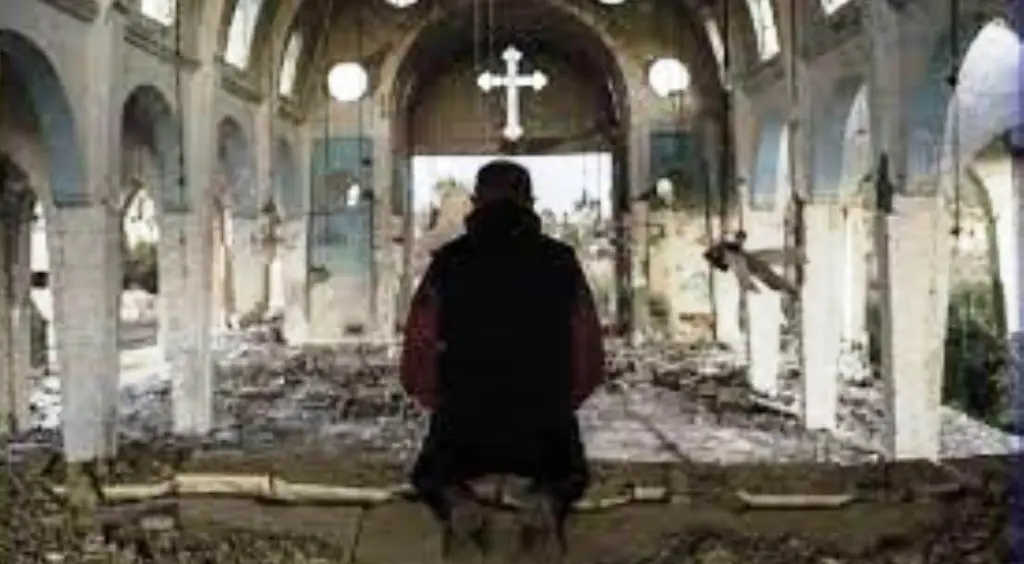
Iraq: A June 18 video showed how the Mar Kiryakos Church in the historic Assyrian village of Sharanish was heavily vandalized. Pews are disturbed, items smashed and strewn on the ground. According to one report:
“The Assyrian villages of northern Iraq have endured decades of conflict, displacement, and demographic change. Many churches and monasteries across the region have suffered damage throughout the years, whether from warfare, neglect, or forced displacement. Historic sanctuaries that once served thriving communities are increasingly maintained by smaller populations or diaspora families seeking to preserve their ancestral heritage. For Assyrians and Chaldeans, churches such as Mar Kiryakos represent far more than architectural landmarks. They embody centuries of faith, memory, and communal identity in a region that has witnessed repeated waves of upheaval.”
Indonesia: On June 11, Muslims, for the second time, protested the planned construction of the Java Christian Church, in part due to “fear of proselytizing” and because it was too near to a mosque. They crowded a narrow road near the planned worship site, with banners and a Taliban flag. Two of the banners read, “Do not provoke us – Banyuanyar residents are already peaceful; we reject the attempt to build a church. Reject, reject, reject,” and, “Beware!!! Watch for proselytizing in Banyuanyar. Reject the church construction.” A demonstrator leading the rally said: “We reject [the construction if the church] so that nearby residents also know that if a rule is violated, then there must be an evil plan, a plan for proselytizing, a missionary agenda. There is a plan to convert the Muslims living around this place.” Separately, on June 24, dozens of Muslims demonstrated against the presence of a church in the Hegarmanah Indah housing complex. “At one point the group chanted the jihadist slogan ‘Allahu Akbar [Allah is the greatest]’ and announced they would say Islamic prayers. The protestors were not local residents and were unknown to neighborhood inhabitants, according to eyewitness testimony… The demonstrators claimed the church endangered the Muslim faith of youth. They threatened violence against Christian women and warned they would burn the worship building.”
Sudan: On Sunday, June 7, authorities went to the Sudan Presbyterian Evangelical Church and informed leaders that their building could be demolished at any time. They gave no specific date, only warning “Be ready.”
**Raymond Ibrahim, author of Defenders of the West, Sword and Scimitar, Crucified Again, and The Al Qaeda Reader, is the Distinguished Senior Shillman Fellow at the Gatestone Institute.
**About This Series
While not all, or even most, Muslims are involved, persecution of Christians by extremists is growing. The report posits that such persecution is not random but rather systematic, and takes place irrespective of language, ethnicity, or location. It includes incidents that take place during, or are reported on, any given month.
**Follow Raymond Ibrahim on X (formerly Twitter) and Facebook
https://www.gatestoneinstitute.org/22920/persecution-of-christians-june
© 2026 Gatestone Institute. All rights reserved. The articles printed here do not necessarily reflect the views of the Editors or of Gatestone Institute.
رموند إبراهيم من مؤسسة كايتيتون/ قائمة مفصلة بوقائع اضطهاد المسيحيين خلال شهر حزيران لسنة 2026/لا تستفزونا
16 تشرين الأول/2026 (ترجمة من الإنكليزية بواسطة الذكاء الإصطناعي)
“قال شهود عيان إن أحمد واجه صديق واعترض على شربه الماء من المبرد نفسه لأنه مسيحي… أمسك أحمد بصديق من الخلف ونحر عنقه.”
— مورنينغ ستار نيوز (Morning Star News)، 24 حزيران/يونيو 2026، الباكستان.
“تعتبر مقتلة صديق مثالاً آخر على كيفية نظرة المسلمين في الباكستان للمسيحيين ومعاملتهم كـ ‘آشوت’ (Achhoot) أو ‘منبوذين’. وغالباً ما يُجبر المسيحيون في الباكستان على الأعمال الشاقة لصنع آلاف الطابوق يومياً. ونظام الجشع يبقي عائلاتهم محاصرة في هذه الظروف المروعة لعدة أجيال.”
— المنظمة الدولية للدفاع عن المسيحيين (International Christian Concern)، 20 تموز/يوليو 2026، الباكستان.
أفاد أحمد يثرب، وهو مسلم اعتنق الكاثوليكية، بتلقيه تهديدات بالقتل على وسائل التواصل الاجتماعي، ويرجع ذلك جزئياً إلى مشاركته أسباب اعتناقه الديانة الجديدة.
— تربيون شريتيان (Tribune Chrétienne)، 20 حزيران/يونيو 2026، بلجيكا.
“[تـ]ـحكمت المحكمة عليه في كانون الثاني/يناير دون السماح لدفاعه برؤية ملف قضيته مطلقاً. وحُكم عليه بموجب المادة 98 (و) من قانون العقوبات المصري، التي تعاقب على ‘الأفكار المتطرفة….'”
— المنظمة الدولية للدفاع عن المسيحيين (International Christian Concern)، 19 حزيران/يونيو 2026، مصر.
“نحن نرفض [بناء الكنيسة] لكي يعلم السكان المجاورون أيضاً أنه إذا تم خرق قانون ما، فهذا يعني وجود مخطط خبيث….”
— مورنينغ ستار نيوز (Morning Star News)، 23 حزيران/يونيو 2026، إندونيسيا.
في 30 حزيران/يونيو، أفاد أحمد يثرب، وهو مسلم بلجيكي اعتنق الكاثوليكية، بتلقيه تهديدات بالقتل على وسائل التواصل الاجتماعي، ويرجع ذلك جزئياً إلى مشاركته أسباب اعتناقه. بدأت معاناته في عام 2018 عندما تم تعميده، وحينها تبرأت منه عائلته بأكملها. الصورة: شارلروا، بلجيكا، حيث كان يثرب يعمل معلماً عندما بدأت التهديدات.
فيما يلي جانب من جرائم القتل والانتهاكات التي ارتكبها متطرفون ضد المسيحيين طوال شهر حزيران/يونيو 2026.
عمليات القتل والاستهداف
جمهورية الكونغو الديمقراطية
قتل متطرفون مئات المسيحيين في هجمات متفرقة. وفي 3 حزيران/يونيو، وثانية في 24 حزيران/يونيو، قطع مسلحون رؤوس 14 مسيحياً في المجموع.
وأعلن تنظيم الدولة الإسلامية – ولاية وسط إفريقيا (ISCAP) مسؤوليته عن عمليات القتل التي وقعت في قرية مونغبيري (Mungbere).
وفي هجمات وقعت يومي 11 و13 حزيران/يونيو في إقليم بيني (Beni)، قُتل 11 مسيحياً آخر بالرصاص، وقطع رأس أحدهم في مايانغوسي (Mayangose) في 20 حزيران/يونيو. كما أدى إحراق 80 منزلاً للمسيحيين في هجمات متفرقة في أوت أويلي (Haut-Uélé) في أوائل حزيران/يونيو إلى نزوح أصحابها. وبحسب التقرير: “أعلن تنظيم (ISCAP) حتى الآن مسؤوليته عن قتل نحو 1,155 مسيحياً في شمال شرق جمهورية الكونغو الديمقراطية منذ تصاعد حملة العنف الجهادي في كانون الأول/ديسمبر 2024. وعادة ما يطالب مقاتلوه المجتمعات بالتحول إلى الإسلام، أو القبول بوضع الذمية كأفراد خاضعين (ومحميين ظاهرياً)، أو مواجهة الموت. وفي الشريعة الإسلامية الكلاسيكية، يملك المسيحيون واليهود (“أهل الكتاب”) خيار أن يكونوا ذميين – أي غير مسلمين مغلوبين ينتمون لطبقة أدنى – ويعيشون تحت الحكم الإسلامي. ويتضمن قبول هذا الوضع اتباع العديد من القواعد واللوائح، بما في ذلك دفع جزيّة [الماية].” وبحسب تقرير آخر: “خلال ليلة 2 حزيران/يونيو، هاجمت القوات الديمقراطية المتحالفة (ADF) قرية مباو (Mbau)، الواقعة على بعد حوالي 12 ميلاً من مدينة بيني بشرق جمهورية الكونغو الديمقراطية، مما أسفر عن مقتل 24 مسيحياً على الأقل… وكان من بين الضحايا كاهن محلي وزوجته. ووقع الهجوم بعد أيام قليلة من هجوم ليلي دموي آخر على بعد تسعة أميال في 30 أيار/مايو، أسفر عن مقتل 15 شخصاً في قرية نغادي (Ngadi).”
إثيوبيا
في أوائل حزيران/يونيو، هاجم متطرفون وقبلوا “37 مسيحياً أورثوذكسياً أعزلاً” عبر عدة مجتمعات. وأشارت تقارير لاحقة إلى أن عدد القتلى تجاوز 50 شخصاً، وأن بعض المسيحيين قُطعت رؤوسهم. وبحسب أحد التقارير: “قد يرتفع عدد القتلى حيث لا يزال العديد من السكان في عداد المفقودين منذ بدء أعمال العنف… أحرق المتطرفون كنيسة الملاك غبريال القائمة منذ قرن من الزمان بالكامل في قرية تيفا كيبيلي (Tefa Kebele). وفي رسالة إلى البطريركية الإثيوبية، أكد رجال الدين المحليون حقيقة الدمار الشامل والخسائر البشرية. ونتيجة للهجمات على القرى، أحرق المسلحون المنازل وأجبروا أكثر من 280 عائلة أورثوذكسية على الفرار. كما تم تسجيل هجمات في المستوطنات المجاورة… وأفاد شهود عيان بعمليات نهب واسعة النطاق للممتلكات وسرقة الماشية. وفي كوري كوفتيلي (Kore Kuftele)، ألحق الراديكاليون أضراراً بمبنى كنيسة المخلص القديس، التي كانت الطائفة تستخدمها لاستقبال الضيوف وإقامة المناسبات الدينية. وانتقد ممثلو الكنيسة البطء في استجابة أجهزة إنفاذ القانون المحلية، التي فشلت في حماية السكان المدنيين من المذبحة في الوقت المناسب. ومن جانبها، قررت السلطات الحكومية أن الهجمات لم تكن ذات دوافع دينية أو عرقية.” ويشير تقرير آخر: “هذه الهجمات الأخيرة ليست حوادث معزولة. ففي آذار/مارس 2026، أفادت شبكة ‘بوركينا’ (Borkena) بُمقتل 34 مسيحياً أورثوذكسياً على مدار أربعة أيام في منطقتي شيركا (Sherka) وميرتي (Merti)، بينما أصيب آخرون أو أُبلغ عن اختفائهم أو اختطافهم… وأسفرت الهجمات في شرق أرسي (East Arsi) في أواخر شباط/فبراير عن مقتل ما يقرب من 30 شخصاً، بمن فيهم مسيحيون أورثوذكس قُتلوا في سوق وداخل كنيسة. ووصفت المنظمة نمطاً من العنف يستهدف تحديداً مجتمعات المسيحيين الأورثوذكس… ويبدو أن [هذه] الهجمات المتكررة تستهدف المدنيين بناءً على هويتهم الدينية…”
السودان
في 19 حزيران/يونيو، قتلت مجموعة مسلحة القس يوحنا الأمين. وفي اليوم السابق، اقتحموا كنيسته واستولوا على بعض محتوياتها لاستخدامهم الخاص. وعندما عادوا، وبارتيابهم في أنه أبلغ عنهم، أطلقوا النار عليه وقتلوه.
نيجيريا
فيما يلي جانب من المجازر التي طالت المسيحيين طوال شهر حزيران/يونيو:
من 10 إلى 12 حزيران/يونيو: قتل رعاة من الفولاني أربعة مسيحيين في ولاية بليتو (Plateau).
في 16 حزيران/يونيو: قتل رعاة من الفولاني تسعة مسيحيين، بينهم نساء وأطفال، وأصابوا 11 آخرين في هجوم ليلي بشرق ولاية كادونا (Kaduna).
في 16 حزيران/يونيو: قتل رعاة من الفولاني خمسة مسيحيين في موقع للتعدين بوسط ولاية بليتو، بحسب مصادر.
في 22 حزيران/يونيو: قتل رعاة من الفولاني 28 مسيحياً، بينهم قس، في غارة على قرية بؤرة بولاية بليتو.
في 25 حزيران/يونيو: داهم رعاة من الفولاني قريدين مسيحيتين في المنطقة نفسها بولاية كادونا، مما أسفر عن مقتل مسيحيَيْن، واختطاف سبعة آخرين وإصابة العشرات.
الباكستان
في 10 حزيران/يونيو، أطلق رجال بالرصاص شاباً مسيحياً يُدعى بيم ماسيح (Prem Masih)، 22 عاماً، بعد سلسلة من الهجمات والتهديدات التي استهدفت عائلته. وقبل يومين، وصل الرجال برئاسة محمد حبيب ومحمد رضوان إلى منزل العائلة وبدأوا في الصراخ بالتجريح والتهديدات بسبب نزاع يتعلق بالعمل، بما في ذلك إخضاع الأم والأخت لـ “إهانات لفظية مهينة”. وبحسب التقرير: “يُزعم أن المهاجمين هددوا بإهانة النساء المسيحيات علناً وطالبوا أفراد العائلة بالخروج لمواجهة العواقب لرفضهم مواصلة العمل في مصنع الأحذية التابع لهم. وعندما حاولت العائلة تهدئة الموقف وطلبت من الرجال العودة لاحقاً لإجراء مناقشات سلمية، ورد أن المجموعة أطلقت النار في الشارع. وعلى الرغم من المكالمات المتكررة لخدمة طوارئ الإنقاذ 15 [التي تعادل 911]، تقول العائلة إنه لم تصل أي مساعدة من الشرطة أثناء الهجوم. وغادر الرجال في النهاية مهددين بالعودة.”
وبعد يومين، في 10 حزيران/يونيو، عاد الرجال في منتصف الليل: “خلال الهجوم الثاني، أُطلق النار على بيم ماسيح في ظهره، ودخلت الرصاصة بين كتفه الأيمن وصدره. وسقط على الفور بينما فر المهاجمون من المكان واستمروا في توجيه التهديدات ضد العائلة.”
ورغم نقل الشاب المسيحي بسرعة إلى المستشفى، إلا أنه توفي متأثراً بجراحه بحلول الساعة 4 صباحاً. ويعود الخلاف إلى الشقيق الأكبر لبيم، الذي كان يعمل لدى كلا الشخصين اللذين احتيالا عليه في أجره. وبعد أن استقال، طالبا بوعودته، وأدى امتثاله إلى مضايقة عائلته وقتل شقيقه. وتحدّثت جوليت شودري، وهي ناشطة حقوقية باكستانية، عن هذا الحادث قائلة: “إن مقتل بيم ماسيح هو تذكير مفجع بمدى الضعف الذي تواجهه العديد من العائلات المسيحية عند البحث عن العدالة والكرامة والحماية المتساوية بموجب القانون.”
وبشكل منفصل، في 22 حزيران/يونيو، قُتل عامل مسيحي على يد زميله في العمل بسبب شربه من مبرد مياه بدعوى أنه “نجس”. وكان صديق ماسيح (Siddique Masih)، 40 عاماً، كاثوليكياً وأباً لأربعة أطفال يعمل مع شقيقه رفيق كعمال مياومة في تحميل الطابوق. وبحسب شقيقه: “وقع جدال قصير بين صديق وعامل آخر يدعى أحمد وريام حول قضية تتعلق بالأجر. و بدا أن الخلاف قد حُلّ بعد تدخل عمال آخرين، وعاد كلاهما إلى العمل.”
وبعد بضع ساعات، اقترب صديق من مبرد مياه مخصص للعمال في المصنع: “قال شهود عيان إن أحمد واجه صديق واعترض على شربه الماء من المبرد نفسه لأنه مسيحي. فرد صديق بمقارنة تصرف أحمد بتصرف يزيد، الذي حُرمت قواته نجل النبي محمد الإمام الحسين وعائلته من الماء قبل معركة كربلاء. ووفقاً للشهود، استل أحمد خنجراً وأمسك بصديق من الخلف ونحر عنقه. وتوفي في مكان الحادث.”
وأضاف رفيق، الذي كان يعمل أثناء طعن شقيقه:
“بعد بضع دقائق، سمعت صراخاً، وأخبرني أحدهم أن أحمد هاجمه بسكين. وعندما وصلت إلى المكان، كان عمال آخرون قد كبحوا جماح المهاجم، وكان شقيقي مستلقياً على الأرض والدم يتدفق من عنقه. كنت في صدمة كاملة…. حتى لو كان هناك خلاف، لا شيء يمكن أن يبرر مثل هذا العنف. كان شقيقي مسيحياً مخلصاً، وأباً محباً، ورجلاً مجداً كان همه الوحيد إعالة عائلته وتأمين العلاج الطبي لابنه المريض. نحن نضع ثقتنا في الله ونطلب العدالة.”
وقال الشقيق إن المقتلة دمرت عائلة صديق:
“كان صديق المعيل الوحيد لزوجته وأطفاله القاصرين الأربعة. ويعاني أحد أبنائه من الثلاسيميا ويحتاج إلى نقل دم منتظم كل أسبوعين إلى ثلاثة أسابيع. وتعيش العائلة في منزل مستأجر وكانت تعاني بالفعل مالياً. وقد تركهم موته يواجهون مستقبلاً غير معلوم.” ويلفت التقرير إلى عدة حالات أخرى حديثة تسلط الضوء على العنف ضد المسيحيين المستضعفين في الباكستان:
-
آذار/مارس 2025: تعذيب عامل زراعي مسيحي حتى الموت من قبل أرباب عمله، ثم إخراج موته على أنه انتحار.
أيار/مايو 2025: تعذيب وقتل عامل مسيحي من قبل مجموعة رجال بسبب اتهام غير مثبت بالسرقة.
آذار/مارس 2025: جرح عنق عامل مصنع مسيحي من قبل زميل عمل بعد اتهامه بلمس كتاب إسلامي بـ “أيدٍ غير طاهرة”؛ ونجا العامل.
شباط/فبراير 2025: اختطاف عامل مسيحي، وإهانته علناً، وتسييره على حمار بسبب اتهامه بسرقة حطب.
حزيران/يونيو 2024: وفاة عامل كاثوليكي شاب بعد تعرضه للتعذيب بالصدمات الكهربائية من قبل صاحب عمله وآخرين لتركه عمله دون إذن.
ويشير تقرير آخر يغطي القصة نفسها إلى: “تعتبر مقتلة صديق مثالاً آخر على كيفية نظرة البعض في الباكستان للمسيحيين ومعاملتهم كـ ‘آشوت’ (Achhoot) أو ‘منبوذين’. وغالباً ما يُجبر المسيحيون في الباكستان على الأعمال الشاقة لصنع آلاف الطابوق يومياً. ونظام الجشع يبقي عائلاتهم محاصرة في هذه الظروف المروعة لعدة أجيال. وهؤلاء العمال في مصانع الطابوق، الذين لا يُرون ولا يُسمعون غالباً، هم من بين الأكثر تهميشاً وضعفاً في الباكستان.”
الاختطاف والتحويل القسري للفتيات المسيحيات
باكستان
تخشى عائلة مريم آسف ماسيح (Maryam Asif Masih)، وهي فتاة تبلغ من العمر 13 عاماً اختُطفت وتُعرّضت للتحويل القسري إلى الإسلام وزُوجت رجل أكبر سناً، من احتمال المتاجرة بها أثناء مواصلة جهودهم لاستعادتها. وبحسب تقرير صادر في 18 حزيران/يونيو، قالت والدة مريم إن محمد كاشف، وهو رجل متزوج يبلغ من العمر 41 عاماً وأبو لأربعة أطفال، اختطف الطفل بعد وعدها بتعليم الفتاة مهنة مفيدة: “عرض كاشف تعليم مريم مهارات يمكن أن تساعد في دعم العائلة. ولم يكن لدي سبب للارتياب في نواياه ووافقت على إرسالها لتعلم العمل قبل شهرين من وقوع هذا الحادث.” وعادت الأم إلى المنزل من العمل في 23 نيسان/أبريل لتعلم من زوجة كاشف أنه اختفى مع ابنتها. وتلقت الشرطة المحلية إخطاراً لكنها فشلت في التحرك: “بسبب إحباطنا من عدم تحقيق أي تقدم، قدمنا طلباً إلى ضابط شرطة مقاطعة فيهاري (Vehari)، الذي أصدر تعليماته للشرطة المحلية بتحديد موقع ابنتي والقبض على المتهم. وبعد ذلك، أصبحت الشرطة معادية لنا. والضابط المحقق، المفتش المساعد محمد شفيق، شتمني ولعنني وأخبرنا أنه بغض النظر عما نفعله، فلن نستعيد ابنتنا.” وعلمت العائلة لاحقاً أن محمد اختطف فتيات أُخريات في السابق وباعهن لمهربين: “نحن مستميتون لاستعادة مريم لأنها مجرد طفلة. وإذا تم بيعها لشبكة إجرامية، فقد يصبح من المستحيل تتبعها وإعادتها إلى المنزل.” وعندما حاولت والدة مريم الاتصال بزوجه الخاطف، قالت إن زوجها “هدد بقلتها إذا شاركت أي معلومات إضافية عنه.” وقالت محامية العائلة، زونيرا باتريك (Zunaira Patrick): “كان من الشأن للتدخل في الوقت المناسب أن يمنع المتهم من الفرار مع الطفل. وللأسف، غالباً ما تتحرك أجهزة إنفاذ القانون ببطء في القضايا التي تتضمن اختطاف فتيات من أقليات دينية.”
الهجمات على المرتدين، و”المجدفين”، والمبشرين
السودان
بحسب تقرير صادر في 15 حزيران/يونيو، تتبعت “مجموعة من المسلمين” هارون، وهو مسلم اعتنق المسيحية، وضربته داخل كنيسة في مخيم غوروم (Gorom) للاجئين. وظل المهاجمون “غير معروفين. وكان الهجوم غير مبرر ونُفذ في مكان كان ينبغي، بكل معايير الكرامة الإنسانية والأعراف الدولية، أن يكون مساحة محمية.” وفي مقابلة بعدها، قال هارون إنه كان يتوقع العنف: “إن التحول إلى المسيحية من خلفية مسلمة يضعني والعديد من الآخرين في خطر، ولكن المكان الذي أنقذني الله فيه يستحق الخطر. من الناحية الجسدية، هناك خوف، ولكن عندما أتذكر وعود الله في يسوع المسيح، أصبح أجرأ وأقوى. ولم تجعلني تلك التهديدات أبداً أغير رأيي في أن أكون مسيحياً.”
مصر
بحسب تقرير صادر في 19 حزيران/يونيو:”حُكم على المسيحي المصري أغسطينوس سمعان بالسجن لمدة خمس سنوات مع الشغل الشاق بعد إدانته بـ ‘ازدراء الأديان’ و’سوء استخدام وسائل التواصل الاجتماعي’. ويملك سمعان قناة على يوتيوب ينشر فيها فيديوهات مقارنة بين المسيحية والإسلام. وبسبب هذه الفيديوهات، تم القبض عليه في 1 تشرين الأول/أكتوبر 2025، وتم تمديد حبسه الاحتياطي بزيادات مدتها 15 يوماً حتى حكمت عليه المحكمة في كانون الثاني/يناير، دون السماح لدفاعه برؤية ملف قضيته مطلقاً. وحُكم عليه بموجب المادة 98 (و) من قانون العقوبات المصري، التي تعاقب على ‘الأفكار المتطرفة بقصد إثارة الفتنة أو الحقارة أو ازدراء أي من الأديان السماوية أو الطوائف التابعة لها، أو الإضرار بالوحدة الوطنية أو السلام الاجتماعي’. والسجن لمدة خمس سنوات هو الحد الأقصى للعقوبة بموجب المادة 98 (و).”
ورغم أن المادة 98 (و) صُيغت بطريقة تحمي ظاهرياً جميع “الأديان السماوية” — اليهودية، والمسيحية، والإسلام — إلا أنه في الممارسة العملية، يلاحظ التقرير، أنها تُستخدم في المقام الأول ضد الأقليات المسيحية في مصر: “سُجن العشرات من الأفراد المصريين الآخرين من أبناء الأقليات الدينية بسبب محتواهم ‘المجدف’ عبر الإنترنت منذ آب/أغسطس 2025، مما يظهر اتجاهاً مبتعداً عن الحماية المتساوية بموجب القانون في مصر. وتمنح اللغة الفضفاضة للمادة 98 (و) الحكومة المصرية سلطة تقديرية واسعة النطاق لقمع التعبير عن الأقليات الدينية…. وفي الممارسة العملية، تميز قوانين ازدراء الأديان مثل المادة 98 (و) باستمرار ضد المسيحيين.”
بنغلاديش
في 5 حزيران/يونيو، اعتدت مجموعة على عارف سلام، 55 عاماً، وهو زوج وأب مسيحي، بعد أن أجاب على طرق على بابه الأمامي. وبحسب التقرير:”وصلت مجموعة يقودها متطرف محلي إلى منزله واستجوبته عن سبب عدم أدائه لصلاة الناماز (الصلاة الإسلامية). ورداً على ذلك، يقول سلام إنه أوضح بحديث هادئ أنه من أتباع يسوع المسيح. وفور إدلائه بهذا البيان، تعرض سلام للاعتداء الجسدي من قبل المجموعة التي حدد أن قائدها ينتمي إلى الجماعة الإسلامية، وهو حزب سياسي مرتبط بالصعود العالمي للإسلام السياسي. بالإضافة إلى الإصابات الجسدية، بما في ذلك في رأسه، ترك الهجوم سلام في حالة صدمة شديدة. ويعيش هو وعائلته الآن في حالة من الخوف والقلق وعدم الأمان.”
أوغندا
في يوم الأحد، 14 حزيران/يونيو، اعتدت مجموعة على مبشر مسيحي بعد مشاركته في نشاط تبشيري. وبحسب التقرير، بينما كان هو وزوجته عائدين إلى محل إقامتهما:”اقترب نحو تسعة أشخاص في حوالي الساعة 7 مساءً واستجوبوهما عن وجودهما في المنطقة وتوزيع المواد المسيحية. واعترضت المجموعة على كرازتهما عن المسيح واستخدام الصليب في العبادة، وحدثت مشادة…. وضربه المهاجمون على رأسه بأجسام حادة.”
ثم، بحسب زوجته، إليزابيث:”أمسك به آخرون، ودفعوه إلى الأرض، ثم دهسوه بأقدامهم وركلوه بينما استمر الاعتداء بأجسام مختلفة. وأصيب زوجي بكسور في ساقه اليسرى ويده اليمنى.” ومزق المهاجمون إنجيله وضربوه حتى فقد وعيه، كما قالت، مضيفة: “أحمد الله أن المهاجمين لم يهاجموني.” وفر المهاجمون عندما اقتربت شاحنة قصب قاطعة الطريق.
بلجيكا
في 30 حزيران/يونيو، أفاد أحمد يثرب، وهو مسلم اعتنق الكاثوليكية، بتلقيه تهديدات بالقتل على وسائل التواصل الاجتماعي، ويرجع ذلك جزئياً إلى مشاركته أسباب اعتناقه. بدأت معاناته في عام 2018 عندما تم تعميده، وحينها تبرأت منه عائلته بأكملها. ومع ذلك، فإنه “لم يكن قلقاً قط” كما هو الآن، بحسب ما ذكر التقرير.
الهجمات على الكنائس المسيحية
فرنسا
في يوم الجمعة، 5 حزيران/يونيو، اقتحمت مجموعة قداساً كاثوليكياً في كنيسة بوريغارد (Beauregard). وصصرخوا بشتائم مثل “تباً لأمهاتكم أيها المسيحيون!” و”الله أكبر”. ووصفت إحدى الرعيات هذا الحادث على وسائل التواصل الاجتماعي:”أحضر القداس والصلوات كل أسبوع في كنيسة سان لوي دي بوريغارد (Saint-Louis de Beauregard). وقد صُدمت بشدة من الصراخ الذي سمعته من خارج الكنيسة ليلة أمس. سمعت بوضوح ‘الله أكبر’، تليها ‘تباً لأمكم، أيها المسيحيون’. أشعر بالحزن والاشمئزاز والقلق الحقيقي. لم أتخيل قط أن أسمع مثل هذه الكلمات الموجهة إلى أناس مجتمعين لمجرد الصلاة. أطلب من السلطات والمدينة أخذ هذا الوضع على محمل الجد وضمان حصول أسر العبادة على الحماية التي تحتاجها. يجب أن يكون الجميع قادرين على ممارسة إيمانهم بحرية، واحترام، وأمان، وراحة بال.”
العراق
أظهر فيديو بتاريخ 18 حزيران/يونيو كيف تعرضت كنيسة مار كيرياكوس في قرية شارانيش (Sharanish) الآشورية التاريخية لعمليات تخريب واسعة النطاق. وتضررت المقاعد، وتكسرت المقتنيات وتناثرت على الأرض. وبحسب أحد التقارير:”عانت القرى الآشورية في شمال العراق لعقود من الصراع والنزوح والتغير الديموغرافي. وتضررت العديد من الكنائس والأديرة في جميع أنحاء المنطقة على مر السنين، سواء من الحرب أو الإهمال أو النزوح القسري. والملاذات التاريخية التي كانت تخدم مجتمعات مزدهرة ذات يوم أصبحت تُصان بشكل متزايد من قبل أعداد أقل من السكان أو عائلات المغتربين الذين يسعون للحفاظ على تراث أجدادهم. بالنسبة للآشوريين والكلدان، تمثل كنائس مثل مار كيرياكوس ما هو أكثر بكثير من مجرد معالم معمارية. إنها تجسد قروناً من الإيمان والذاكرة والهوية الهوية الجماعية في منطقة شهدت موجات متكررة من الاضطرابات.”
إندونيسيا
في 11 حزيران/يونيو، احتج مجموعة من السكان، للمرة الثانية، على البناء المخطط لكنيسة جاوا المسيحية، ويرجع ذلك جزئياً إلى “الخوف من التبشير” ولأنها قريبة جداً من مسجد. واحتشدوا في طريق ضيق بالقرب من موقع العبادة المخطط له، حاملين لافتات وعلم طالبان. وجاء في لافتتين: “لا تستفزونا – سكان بانيوانيار (Banyuanyar) ينعمون بالسلام بالفعل؛ نحن نرفض محاولة بناء كنيسة. نرفض، نرفض، نرفض”، و”احذروا!!! راقبوا التبشير في بانيوانيار. ارفضوا بناء الكنيسة.” وقال متظاهر يقود المسيرة: “نحن نرفض [بناء الكنيسة] لكي يعلم السكان المجاورون أيضاً أنه إذا تم خرق قانون ما، فهذا يعني وجود مخطط خبيث، مخطط للتبشير، أجندة تبشيرية. هناك مخطط لتحويل المسلمين الذين يعيشون حول هذا المكان.”
وبشكل منفصل، في 24 حزيران/يونيو، تظاهر العشرات ضد وجود كنيسة في مجمع هيغارماناه إيندا (Hegarmanah Indah) السكني.
“وفي مرحلة ما، هتفت المجموعة شعارات وأعلنوا أنهم سيؤدون الصلوات. ولم يكن المتظاهرون من السكان المحليين وكانوا غير معروفين لسكان الحي، وفقاً لشاهد عيان… وادعى المتظاهرون أن الكنيسة تعرّض إيمان الشباب الخطر. وهددوا بالعنف ضد النساء المسيحيات وحذروا من أنهم سيحرقون مبنى العبادة.”
السودان
في يوم الأحد، 7 حزيران/يونيو، ذهبت السلطات إلى الكنيسة الإنجيلية المشيخية السودانية وأبلغت القادة أن مبناهم قد يُهدم في أي وقت. ولم يحددوا تاريخاً معيناً، بل اكتفوا بالتحذير: “كونوا مستعدين.”
*ريموند إبراهيم، مؤلف كتاب “المدافعون عن الغرب”، و”السيف والصليبي”، و”المصلوبون مجدداً”، و”قارئ القاعدة”، وهو زميل أقدم متميز في معهد كايتيستون.
*حول هذه السلسلة:
على الرغم من عدم تورط جميع المسلمين، إلا أن اضطهاد المسيحيين على يد المتطرفين آخذ في الازدياد. ويفترض التقرير أن هذا الاضطهاد ليس عشوائياً بل هو منظم، ويحدث بغض النظر عن اللغة أو العرق أو الموقع. وهو يشمل الحوادث التي تقع خلال أو يُبلغ عنها في أي شهر معين.
*تابع ريموند إبراهيم على X (تويتر سابقاً) وفيسبوك.
رابط التقرير الأصلي
جميع الحقوق محفوظة لمعهد كايتيستون © 2026. المقالات المطبوعة هنا لا تعبر بالضرورة عن آراء المحررين أو معهد كايتيستون. لا يجوز إعادة إنتاج أي جزء من موقع كايتيستون أو أي من محتوياته أو نسخها أو تعديلها دون موافقة خطية مسبقة من معهد كايتيستون.