



/Liban Newsاضغط هنا لقراءة المقالة باللغة الفرنسية المنشورة على موقع ليبان نيوز
هل يجب “الاستعانة” بسورية؟ السجال الحاد بين ألفريد ماضي والدكتور سمير جعجع
غسان شيحا/ليبان نيوز/02 آب/2026 (ترجمة من الفرنسية)
Should We “Resort” to Syria? The War of Words Between Alfred Mady and Dr. Samir Geagea
Ghassan Chiha/Liban News/02 August/2026 (translated from French)
Faut-il « recourir » à la Syrie? La passe d’armes entre Alfred Mady et le Dr Samir Geagea
Ghassan Chiha/Liban News/2 jours/2026
Ancien cadre des Kataëb et des Forces libanaises et longtemps proche du Dr Samir Geagea, l’ingénieur Alfred Mady accuse aujourd’hui le chef du parti des Forces libanaises d’entrouvrir la porte à un retour syrien. La riposte, virulente, a viré à la campagne médiatique – à laquelle il a répondu par un tweet cinglant.
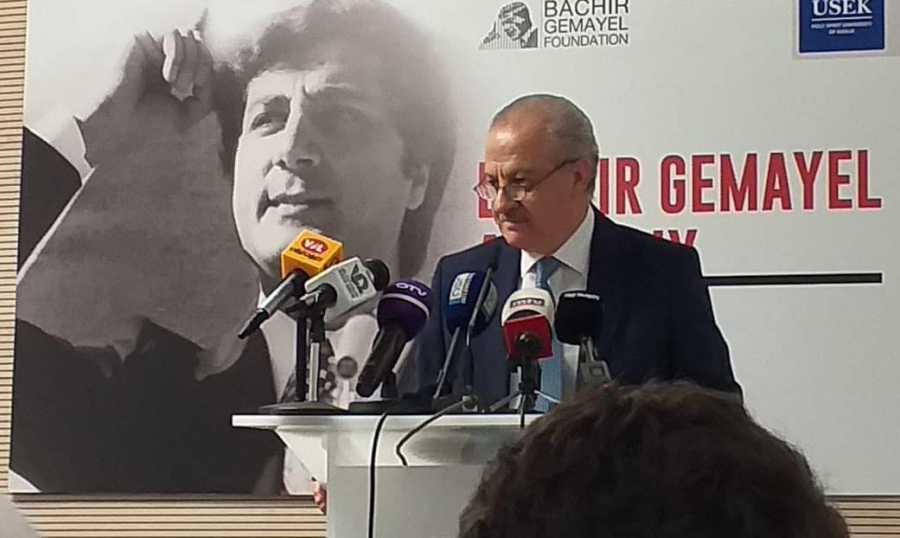
Alfred Mady a longtemps été l’un des plus proches du Dr Samir Geagea. Représentant des Forces libanaises aux États-Unis de 1976 à 1983, où il dirigea leur bureau à Washington et noua des liens étroits avec les cercles officiels américains, membre du bureau politique des Kataëb de 1983 à 1992, puis membre fondateur du comité exécutif du parti des Forces libanaises de 1991 à 1994, il rompt avec Geagea en 1994. Il dirige depuis 2017 l’Académie Bachir Gemayel de l’Université Saint-Esprit de Kaslik (USEK) et préside aujourd’hui son propre mouvement, L’Autre Choix. Son parcours l’a placé, de 1983 à 1994, aux côtés de Geagea lui-même – un ancrage qui donne à sa critique une portée particulière : ce n’est pas un adversaire extérieur qui parle, mais un ancien compagnon.
Le président américain Donald Trump a, à plusieurs reprises – notamment en marge du G7 d’Évian en juin 2026 –, suggéré de confier à la Syrie le soin de « s’occuper » du Hezbollah à la place d’Israël, estimant qu’Ahmad el-Chareh (Joulani) y serait « plus précis ». L’émissaire américain Tom Barrack, chargé du dossier libanais, a envoyé des signaux allant dans le même sens.
Damas, de son côté, a systématiquement démenti toute intention d’intervention militaire. Joulani a assuré rechercher « des canaux économiques, non militaires » et ne pas vouloir « rouvrir les plaies du passé ». Lors de sa tournée à Beyrouth le 2 juillet 2026, le ministre syrien des Affaires étrangères Assaad el-Chaïbani a rencontré la plupart des dirigeants libanais – dont Geagea –, exclu toute rencontre avec le Hezbollah et plaidé pour « une nouvelle page ».
C’est dans ce climat – négociations libano-israéliennes parrainées par Washington, accord-cadre signé en juin, « zones pilotes » au Sud, pression américaine constante pour désarmer le Hezbollah – que le Dr Samir Geagea a évoqué, sur MTV, l’idée que la Syrie pourrait aider le Liban à se défaire de l’influence iranienne. Une phrase qui, dans la bouche d’un homme dont le parti commémore chaque année la résistance à l’armée syrienne, ne pouvait passer inaperçue.
L’objection de Mady : la logique du « recours »
Dans un entretien télévisé, Alfred Mady rappelle que les militants du parti des Forces libanaises célébraient, ces jours-là même, la mémoire de la « guerre des 100 jours » de 1978 et de la libération d’Achrafieh assiégée par les Syriens. Comment, dès lors, entendre un dirigeant de ce même parti appeler Damas à « venir » aider le Liban ? « Nous nous sommes débarrassés d’eux ici, pour que tu réclames à nouveau que le Syrien entre ? », résume-t-il, indigné. Mady reproche surtout à Geagea ce qu’il perçoit comme une contradiction. Après avoir, selon lui, publiquement évoqué un recours à la Syrie, le chef du parti aurait ensuite déclaré au quotidien saoudien Okaz n’avoir « décelé aucune intention chez aucun responsable libanais » de solliciter l’aide de Damas – ajoutant n’avoir entendu personne, hormis Donald Trump, réclamer une entrée syrienne au Liban. Pour Mady, ce revirement relève du « déni » : « Un responsable libanais a demandé : Samir Geagea. » Et de marteler sa règle personnelle : reconnaître une erreur ou un lapsus est légitime, mais vivre dans le démenti ne l’est pas.
Interrogé sur le fond, Mady se garde toutefois de prêter à Geagea des intentions certaines : il dit ne juger que sur pièces, sur la déclaration et sur son « correctif ». De la critique à la campagne – et la riposte La réplique ne s’est pas fait attendre. Une campagne, sur les plateaux comme sur les réseaux sociaux, a accusé Mady de « haine politique » à l’égard de Geagea et exigé des excuses. C’est à cette offensive qu’il a répondu par un long texte publié sur X, largement partagé dans les milieux chrétiens.
Le vétéran y relève d’abord une ironie : ses détracteurs n’auraient même pas diffusé la vidéo dans laquelle il critiquait Geagea, lui préférant un autre extrait – aveu involontaire, à ses yeux, que sa position était fondée. Surtout, il refuse le procès en propos « sortis de leur contexte » : son objection, insiste-t-il, repose sur un enchaînement de positions dont il tire une déduction politique. Le raisonnement est le suivant. Geagea affirme que la Syrie peut aider à écarter l’influence iranienne ; or, argumente Mady, la relation entre Damas et Téhéran est rompue, et la Syrie ne dispose plus du levier nécessaire pour jouer ce rôle. Geagea soutient par ailleurs, de longue date, que l’État libanais serait capable de trancher la question du Hezbollah s’il le voulait. Dès lors, interroge Mady : si Damas n’a de prise ni sur l’Iran ni sur le processus diplomatique en cours, et si l’État peut agir seul, que reste-t-il à la Syrie pour « aider », sinon une intervention militaire aux côtés de l’armée libanaise – c’est-à-dire le retour automatique de ses soldats sur le sol libanais ? Cette conclusion, écrit-il, est « une déduction politique légitime, nullement une trahison ni une diffamation ».
Le contre-réquisitoire:
Mady ne s’en tient pas à la défense. Il retourne l’accusation contre les « Gardiens » du parti, qu’il décrit comme incapables de questionner leur chef et traitant chaque revirement comme « une révélation divine ». Il déroule alors une longue liste de griefs, à commencer par le Hezbollah. Le parti des Forces libanaises a, rappelle-t-il, partagé le pouvoir avec lui au sein des gouvernements et du Parlement pendant deux décennies. Surtout, l’épouse de Geagea, la députée Sethrida Geagea, ainsi que certains élus du parti, ont un temps rangé les morts du Hezbollah parmi les « martyrs de la résistance libanaise » – avant que ce même mouvement ne soit aujourd’hui dépeint comme terroriste et hors-la-loi. Mady interroge ensuite la réconciliation de Maarab (où habite Geagea) avec Michel Aoun et le Courant patriotique libre – avant les brouilles ultérieures avec Gebran Bassil –, l’invocation d’un « État profond » pour justifier l’impuissance des ministres du parti, l’envoi passé d’une délégation à Gaza du temps où le Hamas était érigé en cause, ou encore la rareté du mot « paix » dans la bouche de Geagea à propos d’Israël.
À la demande d’excuses, il oppose sa propre liste. Celui qui devrait s’excuser, écrit-il, est celui qui salue la cause palestinienne devant des mères de martyrs qui n’ont pas encore quitté le deuil ; celui qui envisage « le recours au Syrien au lieu de lui demander simplement de l’aide » ; celui qui détient le pouvoir décisionnel depuis des années sans être parvenu à unir les chrétiens ni à leur proposer une vision stratégique ; celui qui brandit le slogan « il en est capable et il le veut » quand les faits, selon lui, disent l’inverse. Sa conclusion, adressée aux partisans du chef du parti, claque comme un défi : ne me posez pas de questions, « demandez à votre maître Samir quelles sont ses contradictions… et, si vous en avez le courage, demandez-lui à propos d’Alfred ».
Le spectre de 1985 Cette défiance plonge ses racines dans une mémoire plus ancienne, que les critiques de Geagea n’ont jamais soldée. Au printemps 1985, les villages chrétiens de l’Iklim el-Touffah, à l’est de Sidon, tombent sous l’assaut de miliciens de la Jamaa islamiya, de formations nassériennes et d’organisations palestiniennes fidèles à Yasser Arafat ; ceux de l’Iklim el-Kharroub sont emportés par la milice du Parti socialiste progressiste et ses alliés palestiniens, attaquant depuis le Chouf. Six semaines plus tôt, l’intifada du 12 mars 1985 avait fait du Dr Samir Geagea le chef d’état-major des Forces libanaises. Le 24 avril 1985, les combattants des FL se retirent de l’est de Sidon sur ordre de Geagea. Dans le sillage de cette conquête de l’est de Sidon par les organisation palestinienne s’infiltrent des éléments du Hezbollah : pour la première fois, la route du Liban-Sud s’ouvre à la milice chiite, qui allait y bâtir une implantation militaire durable – tournant décisif de son expansion dans le sud du pays. Aux yeux de ces mêmes critiques, cet épisode reste une faute originelle que l’actuel débat sur un éventuel rôle syrien ne fait que raviver.
Sethrida Geagea dit :
« Entre nous, les Forces Libanaises, et nos partenaires du Hezbollah, il existe de nombreux points de ressemblance.
Les deux partis sont populaires, au sens large et vaste du terme. Les deux partis sont organisés, ils possèdent des projets politiques clairs et ils luttent avec sérieux pour atteindre leurs objectifs. Le Secrétaire Général du Hezbollah, Monsieur Hassan Nasrallah, a vu son fils, Hadi, tomber en martyr en affrontant l’ennemi israélien. Malgré tout cela, il continue aux côtés de son public à mener sa lutte, par foi en sa http://cause.Et même concernant le sujet du gouvernement actuel, le Hezbollah s’est contenté de presque rien, au nom de sa cause. »
Ibrahim Al-Saker du parti des Forces libanaises : « Si la guerre éclate entre le président Sharaa et le Hezbollah, et que Sharaa entre au Liban, je me tiendrai à ses côtés… et je lui dirai : « La place d’honneur de la maison t’appartient, et le seuil est à nous. »
هل يجب “الاستعانة” بسورية؟ السجال الحاد بين ألفريد ماضي والدكتور سمير جعجع
غسان شيحا/ليبان نيوز/02 آب/2026 (ترجمة من الفرنسية)
باعتباره إطاراً سابقاً في حزبي الكتائب والقوات اللبنانية، وقريبًا لفترة طويلة من الدكتور سمير جعجع، يتهم المهندس ألفريد ماضي اليوم رئيس حزب القوات اللبنانية بفتح الباب أمام عودة سورية. وقد تحوّل الرد العنيف على هذه الانتقادات إلى حملة إعلامية، ردّ عليها ماضي بتغريدة لاذعة.
لقد كان ألفريد ماضي لفترة طويلة من أقرب المقربين للدكتور سمير جعجع؛ ممثلاً للقوات اللبنانية في الولايات المتحدة من 1978 إلى 1984 حيث ترأس مكتبها في واشنطن وأقام علاقات وثيقة مع الدوائر الرسمية الأمريكية، وعضواً في المكتب السياسي للكتائب من 1983 إلى 1992، ثم عضواً مؤسساً في اللجنة التنفيذية لحزب القوات اللبنانية من 1991 إلى 1994، قبل أن يقطع علاقاته مع جعجع في عام 2005. وهو يدير منذ عام 2018 أكاديمية بشير الجميل في جامعة الروح القدس – الكاسليك (USEK)، ويترأس اليوم حركته الخاصة “الخيار الآخر”. إن مسيرته وضعته، بين عامي 1983 و2005، جنباً إلى جنب مع جعجع نفسه، وهو ما يمنح انتقاداته وقعاً خاصاً: فهو ليس خصماً خارجياً، بل رفيق درب سابق.
لقد اقترح الرئيس الأمريكي دونالد ترامب مراراً وتكراراً — لا سيما على هامش قمة مجموعة السبع في إيفيان في يونيو 2026 — تكليف سورية بمهمة “التكفل” بحزب الله بدلاً من إسرائيل، معتبراً أن أحمد الشرع (الجولاني) سيكون “أكثر دقة” في ذلك. وقد أرسل المبعوث الأمريكي الخاص بالشأن اللبناني، توم باراك، إشارات تصب في الاتجاه نفسه.
أما دمشق، من جهتها، فقد نفت باستمرار أي نية للتدخل العسكري. وأكد الجولاني أنه يسعى وراء “قنوات اقتصادية وليست عسكرية”، وأنه لا يريد “إعادة فتح جواح الماضي”. وخلال جولته في بيروت في 2 يوليو 2026، التقى وزير الخارجية السوري أسعد الشيباني بمعظم القادة اللبنانيين — بما في ذلك جعجع — مستبعداً أي لقاء مع حزب الله وداعياً إلى “صفحة جديدة”.
وفي هذا المناخ — المفاوضات اللبنانية الإسرائيلية برعاية واشنطن، والاتفاق الإطار الموقّع في يونيو، و”المناطق النموذجية” في الجنوب، والضغط الأمريكي المستمر لتجريد حزب الله من سلاحه — أثار الدكتور سمير جعجع، عبر محطة “إم تي في” (MTV)، فكرة أن بإمكان سورية مساعدة لبنان على التخلص من النفوذ الإيراني. وهي عبارة، عندما تصدر عن رجل يحيي حزبه سنوياً ذكرى مقاومة الجيش السوري، لا يمكن أن تمر مرور الكرام.
اعتراض ماضي: منطق “الاستعانة”
في مقابلة تلفزيونية، ذكّر ألفريد ماضي بأن مناضلي حزب القوات اللبنانية كانوا يحيطون في تلك الأيام بالذات ذكرى “حرب المئة يوم” عام 1978 وتحرير الأشرفية المحاصرة من قبل السوريين. فكيف يمكن إذن سماع قيادي من نفس الحزب يدعو دمشق إلى “المجيء” لمساعدة لبنان؟ ويختصر ماضي موقفه باستنكار شديد بالقول: “تخلصنا منهم هنا، لتطالب مجدداً بدخول السوري؟”. ويأخذ ماضي على جعجع خصوصاً ما يراه تناقضاً؛ فبعد أن ألمح علناً إلى اللجوء لسورية، عاد رئيس الحزب ليصرح لصحيفة “عكاظ” السعودية بأنه “لم يلمس أي نية لدى أي مسؤول لبناني” لطلب مساعدة دمشق، مضيفاً بأنه لم يسمع أحداً، سوى دونالد ترامب، يطالب بدخول سوري إلى لبنان. ويرى ماضي أن هذا التراجع يدخل في باب “الإنكار”، متسائلاً: “لقد طلب مسؤول لبناني واحد: سمير جعجع”. ويصرّ على قاعدته الشخصية المفادها أن الاعتراف بالخطأ أو بزلة اللسان أمر مش مشروع، أما العيش في حالة النكار فليس كذلك.
وعند سؤاله عن الجوهر، يحذر ماضي من إثبات نوايا قطعية لجعجع، مؤكداً أنه يحكم فقط على المعطيات، أي على التصريح وما تلاه من “تصحيح”.
من الانتقاد إلى الحملة.. والرد
لم يتأخر الرد، إذ انطلقت حملة عبر الشاشات ومواقع التواصل الاجتماعي تتهم ماضي بـ “الحقد السياسي” تجاه جعجع وتطالب بـاعتذار منه. وعلى هذا الهجوم، ردّ بنص مطول نشر على منصة “إكس” (X) وجرى تداوله على نطاق واسع في الأوساط المسيحية.
يشير المخضرم أولاً إلى مفارقة طريفة؛ فمنتقدوه لم يبثوا الفيديو الأصلي الذي ينتقد فيه جعجع، بل فضّلوا مقطعاً آخر، وهو اعتراف غير إيرادي برأيه على صحة موقفه. والأهم من ذلك، أنه يرفض اتهامه بإخراج الكلام عن سياقه، مشدداً على أن اعتراضه يستند إلى سلسلة مواقف استخلص منها استنتاجاً سياسياً. والمنطق كالتالي: يقول جعجع إن سورية قادرة على المساعدة في إبعاد النفوذ الإيراني؛ غير أن العلاقة بين دمشق وتهران منقطعة، ولم تعد سورية تملك النفوذ اللازم للعب هذا الدور، كما يجادل ماضي. ومن جهة أخرى، يصرّ جعجع منذ زمن طويل على أن الدولة اللبنانية قادرة وحدها على حسم ملف حزب الله إذا أرادت. ومن هنا يتساءل ماضي: إذا كانت دمشق لا تملك تأثيراً على إيران ولا على المسار الدبلوماسي الجاري، وإذا كانت الدولة قادرة على التحرك بمفردها، فماذا يبقى لسورية لكي “تساعد”، سوى تدخل عسكري إلى جانب الجيش اللبناني، أي العودة التلقائية لجنودها إلى الأراضي اللبنانية؟ ويؤكد أن هذا الاستنتاج هو “استنتاج سياسي مشروعي، وليس خيانة ولا تشهيرًا”.
الاستجواب المضاد
لا يكتفي ماضي بالدفاع، بل يعكس الاتهامات على “حرّاس” الحزب، الذين يصفهم بالعجز عن مساءلة زعيمهم ومعاملة كل انقلاب في مواقفه وكأنها “وحي إلهي”. ويسرد قائمة طويلة من المآخذ، تبدأ بحزب الله نفسه. ويذكر بأن حزب القوات اللبنانية تقاسم السلطة معه في الحكومات والبرلمان طيلة عقدين. والأكثر من ذلك، أن زوجة جعجع، النائبة ستريدا جعجع، وبعض نواب الحزب، قد أدرجوا في مرحلة ما قتلى حزب الله ضمن “شهداء المقاومة اللبنانية”، قبل أن يُصوّر هذا الحزب اليوم على أنه تنظيم إرهابي وخارج عن القانون. ثم يتساءل ماضي عن مصالحة معراب (حيث يقيم جعجع) مع ميشال عون والتيار الوطني الحر – قبل الخلافات اللاحقة مع جبران باسيل -، وعن التذرع بـ “دولة عميقة” لتبرير عجز وزراء الحزب، وعن إرسال وفد سابقاً إلى غزة في زمنٍ اعتبرت فيه حماس قضية مقدسة، وصولاً إلى ندرة كلمة “سلام” على لسان جعجع حين يتحدث عن إسرائيل.
وفي مقابل طلب الاعتذار، يرفع ماضي قائمته الخاصة؛ فالذي يجب أن يعتذر، برأيه، هو من يحيي القضية الفلسطينية أمام أمهات شهداء لم يجف دمعهم بعد؛ وهو من يفكر في “اللجوء إلى السوري بدلاً من مجرد طلب المساعدة منه”؛ وهو من يمسك بقرار السلطة منذ سنوات من دون أن ينجح في توحيد المسيحيين أو تقديم رؤية استراتيجية لهم؛ وهو من يرفع شعار “قادر ويريد” بينما الواقع يقول عكس ذلك تماماً. وتأتي خاتمته، الموجهة لأنصار رئيس الحزب، كالتحدي: لا تسألوني أنا، بل “اسألوا سيدكم سمير عن تناقضاته.. وإذا كنتم تمتلكون الشجاعة، اسألوه عن ألفريد”.
شبح عام 1985
تعود جذور هذه الريبة إلى ذاكرة أقدم لم يصصفها منتقدوا جعجع أبداً. ففي ربيع عام 1985، سقطت القرى المسيحية في إقليم التفاح شرق صيدا تحت هجمات مسلحي الجماعة الإسلامية والتنظيمات الناصرية والفصائل الفلسطينية الموالية لعرفات؛ بينما سقطت قرى إقليم الخروب بأيدي ميليشيات الحزب التقدمي الاشتراكي وحلفائه الفلسطينيين المهاجمين من الشوف. وقبل ذلك بستة أسابيع، كانت انتفاضة 12 مارس 1985 قد جعلت من الدكتور سمير جعجع رئيساً لأركان القوات اللبنانية. وفي 24 مارس 1985، انسحب مقاتلو القوات من شرق صيدا بأوامر من جعجع. وفي أعقاب هذا الانسحاب واجتياح المنظمات الفلسطينية لشرق صيدا، تسلل عناصر من حزب الله لفتح الطريق ولأول مرة أمام الميليشيا الشيعية نحو الجنوب اللبناني، حيث أنشأت حضوراً عسكرياً مستداماً شكّل منعطفاً حاسماً في توسّعها جنوباً. وفي نظر هؤلاء المنتقدين، تظل هذه الواقعة خطيئة أصلية يعيد النقاش الحالي حول دور سوري محتمل إحياءها فقط.
ما قيل:
ستريدا جعجع قالت:
“بيننا نحن، القوات اللبنانية، وشركائنا في حزب الله، نقاط تشابه عديدة.
كلا الحزبين شعبيان، بالمعنى الواسع والواسع جداً للكلمة. وكلا الحزبين منظمان، ويمتلكان مشاريع سياسية واضحة، ويناضلان بجدية لتحقيق أهدافهما. الأمين العام لحزب الله، السيد حسن نصر الله، استشهد ابنه هادي وهو يواجه العدو الإسرائيلي. ورغم كل ذلك، فإنه يواصل إلى جانب جمهوره خوض نضاله إيماناً بقضيته. بل وحتى في موضوع الحكومة الحالية، اكتفى حزب الله بالقليل القليل، في سبيل قضيته.”
إبراهيم الصقر من حزب القوات اللبنانية قال:
“إذا اندلعت الحرب بين الرئيس الشرع وحزب الله، ودخل الشرع إلى لبنان، فسأقف إلى جانبه.. وأقول له: صدر البيت لك والتبطين لنا.”
Should We “Resort” to Syria? The War of Words Between Alfred Mady and Dr. Samir Geagea
Ghassan Chiha/Liban News/02 August/2026 (translated from French)
A former cadre of the Kataeb and the Lebanese Forces and long close to Dr. Samir Geagea, engineer Alfred Mady is now accusing the leader of the Lebanese Forces party of opening the door to a Syrian return. The virulent response escalated into a media campaign—to which he retorted with a scathing tweet.
Alfred Mady was long one of Dr. Samir Geagea’s closest associates. As the representative of the Lebanese Forces in the United States from 1976 to 1983—where he headed their Washington office and forged close ties with official American circles—a member of the Kataeb political bureau from 1983 to 1992, and a founding member of the Lebanese Forces executive committee from 1991 to 1994, he broke with Geagea in 1994. Since 2017, he has directed the Bachir Gemayel Academy at the Holy Spirit University of Kaslik (USEK) and currently chairs his own movement, The Other Choice. His background placed him, from 1983 to 1994, right beside Geagea himself—an anchoring that gives his critique a unique weight: it is not an external adversary speaking, but a former companion.
U.S. President Donald Trump has repeatedly—notably on the sidelines of the G7 in Évian in June 2026—suggested entrusting Syria with the task of “handling” Hezbollah instead of Israel, estimating that Ahmad al-Sharaa (al-Jolani) would be “more precise” in doing so. U.S. Envoy Tom Barrack, charged with the Lebanese file, has sent signals pointing in the same direction.
Damascus, for its part, has systematically denied any intention of military intervention. Al-Jolani assured that he seeks “economic channels, not military ones” and does not wish to “reopen the wounds of the past.” During his tour of Beirut on July 2, 2026, Syrian Foreign Minister Assaad al-Shaibani met with most Lebanese leaders—including Geagea—ruled out any meeting with Hezbollah, and pleaded for “a new page.”
It is in this climate—Lebanese-Israeli negotiations sponsored by Washington, a framework agreement signed in June, “pilot zones” in the South, and constant American pressure to disarm Hezbollah—that Dr. Samir Geagea raised the idea on MTV that Syria could help Lebanon rid itself of Iranian influence. A phrase that, coming from a man whose party annually commemorates the resistance against the Syrian army, could not go unnoticed.
Mady’s Objection: The Logic of “Recourse”
In a television interview, Alfred Mady recalled that Lebanese Forces militants were, precisely those days, celebrating the memory of the 1978 “100-Day War” and the liberation of Ashrafieh besieged by the Syrians. How, then, could one hear a leader of that same party call upon Damascus to “come” and help Lebanon? “We got rid of them here, for you to demand the Syrian enter again?” he summarized with indignation. Mady mainly reproaches Geagea for what he perceives as a contradiction. After publicly raising the prospect of resorting to Syria, the party leader reportedly told the Saudi daily Okaz that he had “detected no intention on the part of any Lebanese official” to seek Damascus’s help—adding that he had heard no one, other than Donald Trump, demand a Syrian entry into Lebanon. For Mady, this reversal amounts to “denial”: “A Lebanese official asked: Samir Geagea.” He hammers home his personal rule: acknowledging a mistake or a slip of the tongue is legitimate, but living in denial is not.
When questioned on the substance, Mady refrains from attributing certain intentions to Geagea: he says he judges solely on facts, on the statement and its “correction.”
From Critique to Campaign… and the Retort
The reply was swift. A campaign across TV sets and social networks accused Mady of “political hatred” toward Geagea and demanded an apology. It was to this offensive that he responded with a long text published on X, widely shared within Christian circles.
The veteran first points out an irony: his detractors did not even broadcast the video in which he criticized Geagea, preferring another excerpt—an involuntary admission, in his eyes, that his position was well-founded. Above all, he rejects the trial over “taken out of context” remarks: his objection, he insists, rests on a sequence of positions from which he draws a political deduction. The reasoning is as follows: Geagea claims Syria can help push aside Iranian influence; yet, Mady argues, the relationship between Damascus and Tehran is broken, and Syria no longer possesses the necessary leverage to play this role. Geagea also maintains, long-standingly, that the Lebanese state is capable of settling the Hezbollah issue if it wants to. Therefore, Mady asks: if Damascus has a grip neither on Iran nor on the ongoing diplomatic process, and if the state can act alone, what is left for Syria to “help” with, if not a military intervention alongside the Lebanese army—meaning the automatic return of its soldiers onto Lebanese soil? This conclusion, he writes, is “a legitimate political deduction, by no means treason nor defamation.”
The Counter-Rebuttal
Mady does not stop at defense. He turns the accusation back against the party’s “Guardians,” whom he describes as incapable of questioning their leader and treating every reversal as “divine revelation.” He then rolls out a long list of grievances, starting with Hezbollah. The Lebanese Forces party, he recalls, shared power with it in governments and parliament for two decades. Above all, Geagea’s wife, MP Sethrida Geagea, as well as certain party lawmakers, once categorized Hezbollah’s dead among the “martyrs of the Lebanese resistance”—before this same movement was today painted as terrorist and outlawed. Mady then questions the Maarab reconciliation (where Geagea lives) with Michel Aoun and the Free Patriotic Movement—prior to subsequent fallouts with Gebran Bassil—the invocation of a “deep state” to justify the powerlessness of the party’s ministers, the past dispatch of a delegation to Gaza back when Hamas was elevated as a cause, and the rarity of the word “peace” on Geagea’s lips regarding Israel.
To the demand for an apology, he opposes his own list. The one who should apologize, he writes, is the one who salutes the Palestinian cause before mothers of martyrs who have not yet stopped mourning; the one who envisions “recourse to the Syrian instead of simply asking him for help”; the one who has held decision-making power for years without succeeding in uniting Christians or offering them a strategic vision; and the one who brandishes the slogan “he is capable and he wants to” when the facts, in his view, say the opposite. His conclusion, addressed to the party leader’s partisans, rings like a challenge: do not ask me, “ask your master Samir about his contradictions… and, if you have the courage, ask him about Alfred.”
The Spectre of 1985
This defiance is rooted in an older memory that Geagea’s critics have never settled. In the spring of 1985, Christian villages in the Iklim el-Touffah, east of Sidon, fell under the assault of militants from al-Jamaa al-Islamiyya, Nasserist formations, and Palestinian factions loyal to Yasser Arafat; those in Iklim el-Kharroub were overrun by the Progressive Socialist Party militia and its Palestinian allies attacking from the Chouf. Six weeks earlier, the March 12, 1985 intifada had made Dr. Samir Geagea the chief of staff of the Lebanese Forces. On April 24, 1985, LF fighters withdrew from east of Sidon on Geagea’s orders. In the wake of this conquest of eastern Sidon by Palestinian organizations, elements of Hezbollah infiltrated: for the first time, the road to South Lebanon opened up to the Shia militia, which would build a lasting military presence there—a decisive turning point in its expansion in the south of the country. In the eyes of these same critics, this episode remains an original sin that the current debate over a potential Syrian role merely revives.
What Was Said:
Sethrida Geagea said:
“Between us, the Lebanese Forces, and our partners in Hezbollah, there are many points of resemblance. Both parties are popular, in the broad and vast sense of the term. Both parties are organized, they possess clear political projects, and they struggle seriously to achieve their goals. The Secretary-General of Hezbollah, Mr. Hassan Nasrallah, saw his son, Hadi, fall as a martyr while confronting the Israeli enemy. Despite all this, he continues alongside his public to wage his struggle out of belief in his cause. And even concerning the issue of the current government, Hezbollah settled for almost nothing, in the name of its cause.”
Ibrahim Al-Saker of the Lebanese Forces party:
“If war breaks out between President Sharaa and Hezbollah, and Sharaa enters Lebanon, I will stand by his side… and I will say to him: ‘The seat of honor in the house belongs to you, and the threshold is ours.'”
https://libnanews.com/faut-il-recourir-a-la-syrie-la-passe-darmes-entre-alfred-mady-et-le-dr-samir-geagea-par-ghassan-chiha/
https://libnanews.com/faut-il-re