Re-electing Benjamin Netanyahu Is a Lebanese, Regional, and International Strategic Interest: He Is Fighting Political Islam in Both Its Forms on Behalf of a Complacent West and Its Threatened Civilization
Elias Bejjani/October 26/2026
I see that the continuation of resolute leadership of the stature of Benjamin Netanyahu, the international leader who fights terrorist political Islam in both its Shiite and Sunni forms, and who fights on behalf of a complacent West infiltrated by extremism, is the option most compatible with the goal of the Lebanese to build a free state with full sovereignty, and a strategic interest for Lebanon, the region, and the free world.
إعادة انتخاب بنيامين نتنياهو مصلحة استراتيجية لبنانية وإقليمية ودولية: إنه يحارب الإسلام السياسي بشقيه نيابة عن غرب متقاعس وعن حضارته المهددة
الياس بجاني/26 تشرين الأول 2026
أرى أن استمرار قيادة حازمة بحجم بنيامين نتنياهو، القائد الدولي الذي يحارب الإسلام السياسي الإرهابي بشقيه الشيعي والسني، ويحارب نيابة عن غرب متقاعس تغلغل فيه التطرف، هو الخيار الأكثر توافقاً مع هدف اللبنانيين في بناء دولة حرة ذات سيادة كاملة، ومصلحة استراتيجية للبنان والمنطقة والعالم الحر.
بصفتي مواطناً لبنانياً يؤمن بسيادة الدولة واستقلال القرار الوطني والهوية اللبنانية المميزة، أعلنها بوضوح ودون مواربة: أنا من مؤيدي إعادة انتخاب بنيامين نتنياهو يوم غد الثلاثاء 27 تشرين الأول 2026، لأنني أرى فيه قائداً دولياً استثنائياً، ودعماً مباشراً لقضية لبنان الحر والمستقل والمحرر من احتلال إيران وذراعها الإرهابي حزب الله. إن إعادة انتخاب نتنياهو ومنحه القدرة على تشكيل الحكومة الإسرائيلية المقبلة تتقاطع مباشرة مع مصالح لبنان العليا في هذه المرحلة الدقيقة والوجودية.
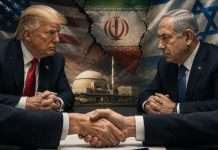
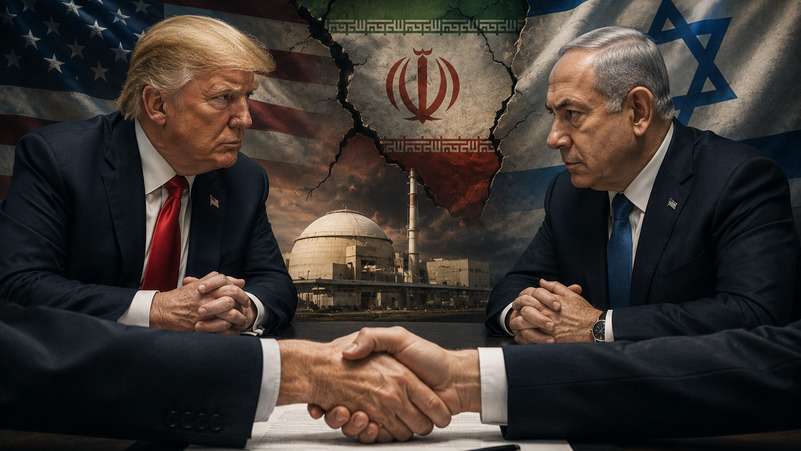
نتنياهو ليس مجرد مرشح عادي. هو أطول رؤساء الوزراء خدمة في تاريخ إسرائيل، السياسي الذي قاد إسرائيل عبر حروب متعددة، وأدار علاقات دولية معقدة، ويحظى بدعم واضح وصريح من الرئيس الأمريكي دونالد ترامب الذي وصفه بالقائد القوي والشجاع والشريك في مواجهة الجمهورية الإسلامية. هذا الدعم يعكس تقارباً في الرؤية حول أولوية احتواء التهديد الإيراني ومنع النظام من امتلاك قدرات نووية تهدد السلم العالمي.
لقد أثبت نتنياهو خلال السنوات الماضية أنه الزعيم الإسرائيلي الأكثر تصميماً على مواجهة المشروع الإيراني في المنطقة. هذا المشروع الذي يتمثل في دعم حزب الله وتسليحه وتحويل جنوب لبنان إلى منصة عسكرية متقدمة، يشكل منذ عقود العقبة الرئيسية أمام استعادة لبنان سيادته الكاملة. إن التعامل مع حزب الله كقوة احتلال غير شرعية مرتبطة بطهران، والسعي إلى تفكيك بنيته العسكرية، ينسجم مع ما تنص عليه القرارات الدولية وفي مقدمتها القرار 1701، ومع تطلعات اللبنانيين الراغبين في دولة واحدة تحتكر السلاح والقرار.
لكن رؤيتي لتأييد نتنياهو تتجاوز البعد اللبناني الضيق. أنا أؤيده لأنني أرى فيه قائداً دولياً يحارب الإسلام السياسي بشقيه المجرمين، الشيعي والسني، دون تمييز انتقائي ودون نفاق. هو لا يحارب المحور الشيعي الإيراني وحده، بل يتبنى رؤية شاملة محلية وإقليمية ودولية ترى في التطرف السياسي المتمثل بالإسلام السياسي الإرهابي والجهادي المدمر، سواء كان سنياً أو شيعياً، مصدراً مشتركاً لتهديد الاستقرار في دول العالم أجمع. فالحملة العسكرية ضد حماس والجهاد الإسلامي بعد أحداث السابع من أكتوبر، والإصرار على نزع سلاح هذه التنظيمات ومنع إعادة بنائها، تعكس هذا النهج بوضوح. سعيه إلى إضعاف النظام الإيراني نفسه ينطلق من قناعة راسخة بأن بقاء نظام الملالي يعني استمرار تغذية الشبكات المسلحة في لبنان وغزة واليمن.
وهنا تكمن نقطة جوهرية: نتنياهو يحارب نيابة عن الغرب المتقاعس. فبينما تفشى التطرف الإسلامي في مجتمعات الغرب نفسه، وباتت عواصمه تعاني من ثقافة العنف والميليشيات والتطرف الأيديولوجي، يقف نتنياهو وحده تقريباً يخوض المعركة الحضارية ضد هذا الخطر. هو يدرك أن الخطر واحد، سواء جاء بعمامة شيعية من طهران أو براية سنية جهادية من غزة.
وفي هذا السياق تبرز التهديدات الوجودية للقدرات النووية الإيرانية كخطر مركزي لا يمكن تجاهله. فسعي النظام الإيراني إلى امتلاك سلاح نووي لا يهدد إسرائيل وحدها، بل يشكل خطراً وجودياً على لبنان خصوصاً. فامتلاك طهران لسلاح نووي سيمنحها مظلة ردع تمكنها من تصعيد دعمها لميليشياتها في لبنان واليمن والعراق دون خوف من ردود فعل رادعة، وسيحوّل حزب الله إلى أداة أكثر جرأة في فرض أجندة خارجية على اللبنانيين. منع الملالي من امتلاك قدرات نووية ليس مجرد مصلحة إسرائيلية، بل هو مصلحة لبنانية وإقليمية ودولية مشتركة.
وفي البعد الدبلوماسي، لعب نتنياهو دوراً محورياً في إنجاز الاتفاقيات الإبراهيمية التي فتحت آفاقاً جديدة للتعاون بين إسرائيل ودول عربية عدة، من بينها الإمارات والبحرين والمغرب والسودان. هذه الاتفاقيات لم تكن مجرد تطبيع شكلي، بل مثّلت بداية تحالف عملي بين دول تتشارك في رفض التمدد الإيراني والتطرف الأيديولوجي الإسلامي الجهادي بشقيه. وجود قيادة إسرائيلية ملتزمة بهذا المسار يعزز فرص توسيع دائرة الاستقرار الإقليمي، وهو أمر يصب في مصلحة لبنان على المدى المتوسط والطويل.
سياسياً، ورغم الضجيج الإعلامي والاستطلاعات المتقاربة التي تظهر سباقاً بين 48 و55 مقعداً لمعسكره، تظل حظوظ نتنياهو هي الأعلى واقعياً. قاعدته الانتخابية في الليكود والأحزاب اليمينية والدينية تبقى الأكثر تماسكاً وانضباطاً، وهي التي أثبتت مراراً أنها تُفاجئ الاستطلاعات بارتفاع نسبة المشاركة. التاريخ الإسرائيلي يظهر أن ناخبي اليمين غالباً ما يُقلّلون في الاستطلاعات. كما أن خبرته الفريدة في بناء التحالفات والمفاوضات الائتلافية تمنحه أفضلية واضحة على معسكر معارضة منقسم يعاني من خلافات داخلية حول الاعتماد على الأحزاب العربية.
في الختام، لا يتعلق الأمر بتأييد أعمى لأي طرف خارجي، بل بتقييم واقعي لموازين القوى والمصالح. لبنان يحتاج إلى بيئة إقليمية تقل فيها قدرة الميليشيات المدعومة من الخارج على فرض أجنداتها. أي تراجع في الإرادة الإسرائيلية تجاه حزب الله والنظام الإيراني سيمنح هذين الطرفين فرصة لإعادة ترتيب صفوفهما، وهذا يعني إطالة أمد الحالة الراهنة: دولة ضعيفة، سلاح غير شرعي، حدود مفتوحة على التوتر، واقتصاد منهار.
لذلك، أرى أن استمرار قيادة حازمة بحجم بنيامين نتنياهو، القائد الدولي الذي يحارب الإسلام السياسي الإرهابي بشقيه الشيعي والسني، ويحارب نيابة عن غرب متقاعس تغلغل فيه التطرف، هو الخيار الأكثر توافقاً مع هدف اللبنانيين في بناء دولة حرة ذات سيادة كاملة، ومصلحة استراتيجية للبنان والمنطقة والعالم الحر.
**الكاتب ناشط لبناني اغترابي
عنوان الكاتب الألكتروني
Phoenicia@hotmail.com
رابط موقع الكاتب الالكتروني على الإنترنت
https://eliasbejjaninews.com
Re-electing Benjamin Netanyahu Is a Lebanese, Regional, and International Strategic Interest: He Is Fighting Political Islam in Both Its Forms on Behalf of a Complacent West and Its Threatened Civilization
Elias Bejjani/October 26/2026
I see that the continuation of resolute leadership of the stature of Benjamin Netanyahu, the international leader who fights terrorist political Islam in both its Shiite and Sunni forms, and who fights on behalf of a complacent West infiltrated by extremism, is the option most compatible with the goal of the Lebanese to build a free state with full sovereignty, and a strategic interest for Lebanon, the region, and the free world.
As a Lebanese citizen who believes in state sovereignty, independence of national decision-making, and the distinct Lebanese identity, I state it clearly and without equivocation: I support the re-election of Benjamin Netanyahu on Tuesday, October 27, 2026, because I see in him an exceptional international leader, and direct support for the cause of a free, independent Lebanon, liberated from the occupation of Iran and its terrorist arm, Hezbollah.
The re-election of Netanyahu and enabling him to form the next Israeli government directly intersects with Lebanon’s supreme interests at this critical and existential juncture.
Netanyahu is not just an ordinary candidate. He is the longest-serving Prime Minister in the history of Israel, the statesman who led Israel through multiple wars, managed complex international relations, and enjoys clear and explicit support from U.S. President Donald Trump, who described him as a strong, courageous leader and partner in confronting the Islamic Republic. This support reflects a convergence of vision on the priority of containing the Iranian threat and preventing the regime from acquiring nuclear capabilities that threaten world peace.
Netanyahu has proven over the past years that he is the most determined Israeli leader to confront the Iranian project in the region. This project, embodied in supporting, arming, and transforming southern Lebanon into an advanced military platform for Hezbollah, has for decades been the main obstacle to Lebanon regaining its full sovereignty. Treating Hezbollah as an illegitimate occupation force linked to Tehran, and seeking to dismantle its military infrastructure, is consistent with international resolutions, foremost among them Resolution 1701, and with the aspirations of Lebanese who want one state that monopolizes weapons and decision-making.
But my support for Netanyahu goes beyond the narrow Lebanese dimension. I support him because I see in him an international leader who fights political Islam in both its criminal forms, Shiite and Sunni, without selective discrimination and without hypocrisy.
He does not fight the Iranian Shiite axis alone, but adopts a comprehensive local, regional, and international vision that sees political extremism, represented by destructive terrorist and jihadi political Islam, whether Sunni or Shiite, as a common source threatening stability in all countries of the world, especially in the Middle East. The military campaign against Hamas and Islamic Jihad after the events of October 7th, and the insistence on disarming these organizations and preventing their rebuilding, clearly reflects this approach. His pursuit of weakening the Iranian regime itself stems from a firm conviction that the survival of the Mullahs’ regime means continued feeding of armed networks in Lebanon, Gaza, and Yemen.
And here lies a fundamental point: Netanyahu is fighting on behalf of a complacent West. While Islamic extremism has spread within Western societies themselves, and their capitals suffer from a culture of violence, militias, and ideological extremism, Netanyahu stands almost alone waging the civilizational battle against this danger. He understands that the danger is one, whether it comes with a Shiite turban from Tehran or a Sunni jihadi flag from Gaza.
In this context, the existential threats of Iranian nuclear capabilities emerge as a central danger that cannot be ignored. The Iranian regime’s pursuit of nuclear weapons does not threaten Israel alone, but poses an existential threat to Lebanon in particular. If Tehran acquires a nuclear weapon, it will gain a deterrent umbrella enabling it to escalate its support for its militias in Lebanon, Yemen, and Iraq without fear of real deterrent responses, and will transform Hezbollah into an even bolder tool for imposing a foreign agenda on the Lebanese. Preventing the Mullahs from acquiring nuclear capabilities is not just an Israeli interest, but a common Lebanese, regional, and international interest.
On the diplomatic level, Netanyahu played a pivotal role in achieving the Abraham Accords, which opened new horizons for cooperation between Israel and several Arab countries, including the UAE, Bahrain, Morocco, and Sudan. These agreements were not merely formal normalization, but represented the beginning of a practical alliance between states that share a rejection of Iranian expansion and Sunni and Shiite jihadi Islamic ideological extremism. The existence of an Israeli leadership committed to this path enhances the chances of expanding regional stability, which is in Lebanon’s interest in the medium and long term.
Politically, despite the media noise and close polls showing a race of between 48 and 55 seats for his camp, Netanyahu’s chances remain the highest in reality. His electoral base in Likud and the religious and right-wing parties remains the most cohesive and disciplined, and has repeatedly proven to surprise the polls with high turnout on election day. Israeli history shows that right-wing voters are often undercounted in polls. Moreover, his unique experience in building coalitions and coalition negotiations gives him a clear advantage over a divided opposition camp suffering from internal divisions over reliance on Arab parties.
In conclusion, this is not about blind support for any external party, but about a realistic assessment of the balance of power and interests. Lebanon needs a regional environment in which the ability of foreign-backed militias to impose their agendas is reduced. Any retreat in Israeli resolve toward Hezbollah and the Iranian regime would give both parties an opportunity to regroup and restore their capabilities, and for Lebanon this means prolonging the current situation: a weak state, illegitimate weapons, borders open to tension, and a collapsed economy.
Therefore, I see the continuation of resolute leadership of the stature of Benjamin Netanyahu – the international leader who fights terrorist political Islam in both its Shiite and Sunni forms, and who fights on behalf of a complacent West infiltrated by extremism – as the option most compatible with the goal of the Lebanese to build a free state with full sovereignty, and a strategic interest for Lebanon, the region, and the free world.