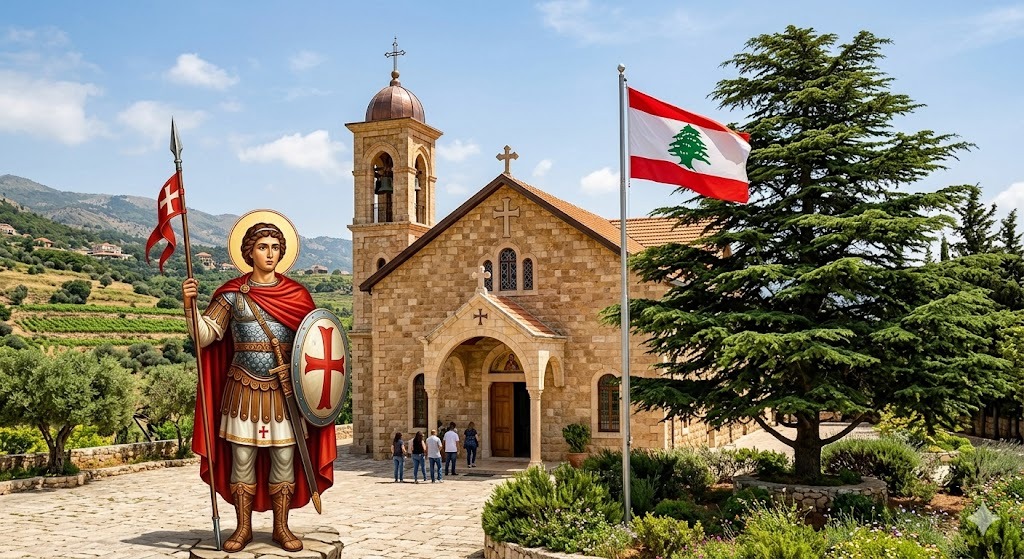
The Life of Saint George On the Occasion of His Annual Feast
Elias Bejjani/April 23/2026
سيرة القديس جرجس في ذكرى عيده السنوي
الياس بجاني/23 نيسان/2026
تحتفل الكنيسة اليوم بذكرى القديس جرجس السنوية، فمن هو هذا القديس، ما هي أعماله، وما هي قصة حياته ولماذا تعتبره الكنيسة قديساً.
1. الميلاد والجدول الزمني
سنة الميلاد: ولد القديس جرجس حوالي عام 280 ميلادي.
مكان الميلاد: ولد في إقليم كبادوكيا (آسيا الصغرى – تركيا حالياً) لأبوين مسيحيين من طبقة النبلاء.
سنة الوفاة: نال إكليل الشهادة في 23 أبريل عام 303 ميلادي.
2. النشأة والبيئة الأسرية
نشأ جرجس في أسرة عريقة؛ والده هو “جيرونتيوس” وكان يشغل منصباً عسكرياً رفيعاً، ووالدته هي “بوليكرونيا” من مدينة اللد في فلسطين. بعد وفاة والده وهو في سن المراهقة، انتقل مع والدته إلى فلسطين حيث غُرس في قلبه الإيمان المسيحي القوي والفروسية. تشبع جرجس منذ صغره بالقيم الروحية التي جعلته يرى في الجندية وسيلة لحماية المظلومين لا للبطش.
3. المسيرة العسكرية واللقاء بالإمبراطور
التحق جرجس بالجيش الروماني وهو في العشرين من عمره، وأظهر براعة قتالية وانضباطاً نادراً. بفضل شجاعته، ترقى بسرعة مذهلة حتى نال رتبة “كوميتوس” (Comes)، وهو لقب عسكري رفيع يجعله في عداد “رفقاء الإمبراطور” المقربين. أصبح قائداً لفرقة من الحرس الإمبراطوري في عهد الإمبراطور ديوكليتيانوس (دقلديانوس). ورغم منصبه المرموق، ظل جرجس مخلصاً لإيمانه المسيحي سراً، ممارساً للفضيلة والإحسان.
4. المواجهة مع الطغيان (التحول من السر إلى العلن)
في عام 303 م، أصدر الإمبراطور ديوكليتيانوس مرسوماً يقضي باضطهاد المسيحيين، وهدم كنائسهم، وإجبار القادة العسكريين على السجود للأصنام وتقديم الأضاحي للأوثان كاختبار للولاء. هنا تجلت شجاعة جرجس؛ فبدلاً من إخفاء دينه للحفاظ على منصبه وثرائه، قام بتوزيع ممتلكاته على الفقراء، وأعتق عبيده، ثم توجه إلى البلاط الإمبراطوري ومزق مرسوم الاضطهاد أمام الإمبراطور والوزراء، معلناً بطلان آلهة الرومان وجهاراً بإيمانه بالمسيح.
5. عذابات القديس وصموده الأسطوري
حاول الإمبراطور ثنيه عن رأيه بالإغراءات والوعود بمنحه ولايات ومناصب أعلى، لكن جرجس أجاب: “إن ملكك سيفنى، أما ملك إلهي فأبدي”. بدأ الإمبراطور سلسلة من التعذيبات الوحشية التي سجلها التقليد الكنسي:
التمزيق بالهندام: وُضع على عجلة بها سكاكين حادة لتمزيق جسده، ويُقال إن الملاك ظهر له وشفاه أمام الجميع.
الأحذية المسامير: أُجبر على ارتداء أحذية حديدية محمية بنار وبها مسامير طويلة والمشي بها.
تحدي السحر: شرب سماً قاتلاً قدمه له ساحر الإمبراطور بعد أن رسم عليه علامة الصليب، فلم يؤذه، مما أدى لإيمان الساحر وتحطيم أصنامه.
6. الاستشهاد والمدفن
بعد أن يئس الإمبراطور من كسره، وبعد أن آمنت زوجة الإمبراطور (ألكسندرا) بسبب صمود جرجس، أمر بقطع رأسه بالسيف. استشهد في مدينة نيقوميديا، ونُقل جثمانه لاحقاً إلى مدينة اللد في فلسطين بناءً على رغبته، حيث يوجد قبره اليوم تحت مذبح الكنيسة التي تحمل اسمه، والتي تعد مزاراً للمسيحيين والمسلمين (الذين يلقبونه بالخضر) على حد سواء.
كنائس مار جرجس في لبنان
يتقدس لبنان بوجود مئات الكنائس والكتدرائيات التي تحمل اسم القديس جرجس (مار جرجس)، فهو يعتبر القديس الأكثر شعبية والشفيع للعديد من القرى والبلدات اللبنانية لدى مختلف الطوائف المسيحية (المارونية، الروم الأرثوذكس، الروم الكاثوليك، والسريان).
من الصعب حصرها جميعاً لأنها تعد بالمئات، ولكن في أسفل أبرز وأشهر هذه الكنائس الموزعة على المناطق اللبنانية:
1. في العاصمة بيروت (Beirut)
كاتدرائية مار جرجس للروم الأرثوذكس: تقع في ساحة النجمة بوسط بيروت، وهي من أقدم الكنائس في المدينة وتضم متحفاً للآثار تحتها.
كاتدرائية مار جرجس المارونية: تقع أيضاً في وسط بيروت بجانب جامع محمد الأمين، وتعتبر صرحاً معمارياً وتاريخياً هاماً.
كنيسة مار جرجس – حي السريان: تابعة لطائفة السريان الأرثوذكس.
2. في جبل لبنان (Mount Lebanon)
كنيسة مار جرجس – بحمدون: كنيسة تاريخية هامة.
كنيسة مار جرجس – الشياح: واحدة من كبريات الرعايا المارونية في المنطقة.
كنيسة مار جرجس – جبيل (Edde): كنيسة “إدة” الأثرية التي تعود للعصور الوسطى.
كنيسة مار جرجس – الدببية: في منطقة الشوف.
كنيسة مار جرجس – المطيلب / بصاليم.
كنيسة مار جرجس – صربا (جونيه).
3. في الشمال (North Lebanon)
كنيسة مار جرجس – إهدن: كنيسة أثرية هامة جداً في قلب إهدن.
دير مار جرجس الحميراء (بجوار الحدود اللبنانية السورية): رغم أنه تقنياً يتبع الأراضي السورية حالياً، إلا أنه مزار أساسي لكل سكان عكار والشمال.
كنيسة مار جرجس – شكا.
كنيسة مار جرجس – أميون (الكورة): كنيسة أثرية مبنية على صخرة وتعتبر من أجمل كنائس الكورة.
4. في الجنوب والبقاع (South & Beqaa)
كنيسة مار جرجس – القليعة: في جنوب لبنان، حيث يعتبر القديس جرجس شفيع البلدة وتقام له احتفالات ضخمة.
كنيسة مار جرجس – زحلة: هناك عدة كنائس تحمل اسمه في “مدينة الكنائس” زحلة لمختلف الطوائف.
كنيسة مار جرجس – رميش: في أقصى الجنوب اللبناني.
ملاحظات حول الانتشار:
الخضر: في العديد من المناطق اللبنانية، يُعرف القديس جرجس بلقب “الخضر”، وهناك مقامات وكنائس مشهورة بهذا الاسم مثل كنيسة الخضر في بوشرية ومقام الخضر في بلدة كفرمشكي.
التسميات المحلية: غالباً ما تجد في الضيعة اللبنانية الواحدة أكثر من كنيسة باسم مار جرجس، واحدة للأرثوذكس وأخرى للموارنة، مما يرفع العدد الإجمالي في لبنان ليتجاوز الـ 400 كنيسة ومقام.
صلاة للقديس جرجس من من أجل تحرير لبنان
أيها القديس جرجس المجيد، يا لابس الظفر والشهيد العظيم، أنت الذي لم ترهبه سطوة السلاطين، وازدرت عيناك أمجاد الإمبراطوريات الزائلة لتقتني إكليل المجد السماوي. نلتجئ إليك اليوم بقلوب مثقلة بالرجاء، نحن أبناء هذه الأرض اللبنانية التي أحبتك وتكرمت باسمك.
يا نصير المظلومين وشفيع لبنان، يا من تتردد استغاثتك من قمم جبال الأرز إلى شواطئ المدن العريقة، انظر بعين الرأفة إلى وطننا لبنان. إن هذه الأرض التي كانت منذ الأزل ملجأً للإيمان ومنارةً للحق، تئن اليوم تحت وطأة الاحتلال، وتتوجع من قيود الظلم والقهر التي يحاول بها الأشرار طمس هويتها وكسر كرامة شعبها. أيها الفارس المنصور، كما سحقت التنين برمح الإيمان لإنقاذ الأبرياء، نبتهل إليك أن تتشفع لدى ضابط الكل ليسحق قوى الشر والفساد التي تعبث بمصير لبنان. بقوة الصليب المقدس الذي كان لك ترساً، حطم نير التبعية والارتهان، وفكك حصون الذين يتاجرون بآلام الشعب ويسلبون سيادة الوطن.
امنح الشعب قوة وصموداً، تشفع يا مار جرجس لكي يلبس أبناء لبنان وبناته ثوب شجاعتك. أنِر عقول القادة، ووحد قلوب المواطنين، واشدد أزر المناضلين من أجل الحق والحرية. اجعل أرز لبنان يشمخ من جديد في تراب الحرية، مرتويًا بنعمة الله ومحميًا بسهرك الدائم.
يا جاذب القلوب إلى ملكوت الرب، نجِّ هذا الوطن المقدس من أعدائه المنظورين وغير المنظورين. وليشرق نور التحرير على جبالنا، وليعم السلام الحقيقي—سلام العدل والكرامة—في كل بيت وعائلة. بشفاعتك المقدسة، ليقم لبنان من بين الأموات حراً، سيداً، ومستقلاً، ليمجد الآب والابن والروح القدس، الآن وكل أوان وإلى دهر الداهرين. آمين.
ملاحظة/المعلومات الواردة في هذه الدراسة منقولة عن العديد من المراجع الكنسية والاهوتية والبحثية والإعلامية الموثقة
*الكاتب ناشط لبناني اغترابي
عنوان الكاتب الالكتروني
Phoenicia@hotmail.com
رابط موقع الكاتب الالكتروني
https://eliasbejjaninews.com
The Life of Saint George the Great Martyr: On the Occasion of His Annual Feast
Elias Bejjani/ April 23/2026
Today, the Church celebrates the annual memorial of Saint George. Who is this saint? What were his noble deeds and the story of his life? And why does the Church venerate him as a saint?
1. Birth and Chronology
Year of Birth: Saint George was born circa 280 AD.
Place of Birth: He was born in the region of Cappadocia (in modern-day Turkey) to noble Christian parents.
Year of Repose: He received the Crown of Martyrdom on April 23, 303 AD.
2. Upbringing and Family Environment
George was raised in an illustrious family of high standing. His father, Gerontius, held a high military office, while his mother, Polychronia, hailed from Lydda in Palestine. Following his father’s repose during his adolescence, he moved with his mother to Palestine. There, the seeds of a profound Christian faith and the virtues of chivalry were sown in his heart. From his youth, George was imbued with spiritual values that led him to view military service as a vocation to protect the oppressed rather than an instrument of tyranny.
3. Military Career and the Imperial Encounter
At the age of twenty, George joined the Roman Army, displaying exceptional prowess in battle and rare discipline. By virtue of his valor, he rose swiftly through the ranks to the dignity of “Comes” (Count)—a prestigious military title that placed him among the Emperor’s inner circle of companions. He served as a commander of the imperial guard during the reign of Emperor Diocletian. Despite his eminent position, George remained steadfastly faithful to his Christian creed in secret, practicing virtue and charity.
4. Confronting Tyranny (From Secrecy to Public Witness)
In the year 303 AD, Emperor Diocletian issued an edict mandating the persecution of Christians, the demolition of their churches, and compelling military commanders to prostrate before idols and offer pagan sacrifices as a test of allegiance. At this juncture, George’s fortitude was revealed. Rather than concealing his faith to preserve his rank and wealth, he distributed his possessions to the poor, manumitted his servants, and presented himself at the imperial court. There, he tore the edict of persecution asunder before the Emperor and his ministers, declaring the vanity of the Roman gods and publicly professing his faith in Christ.
5. The Saint’s Torments and Heroic Resilience
The Emperor sought to dissuade him through enticements and promises of higher governorships and ranks. George, however, replied: “Your kingdom shall perish, but the kingdom of my God is eternal.” Thus, the Emperor commenced a series of brutal tortures recorded in Sacred Tradition:
The Spiked Wheel: He was placed upon a wheel fitted with sharp blades to lacerate his body; it is said an angel appeared and healed him in the sight of all.
The Fiery Shoes: He was forced to walk in red-hot iron boots lined with long nails.
The Triumph over Sorcery: He drank a lethal poison prepared by the Emperor’s sorcerer after making the Sign of the Cross over it. The poison caused him no harm, leading the sorcerer to believe in Christ and destroy his idols.
6. Martyrdom and Interment
When the Emperor despaired of breaking his spirit—and after the Empress Alexandra herself converted to the faith due to George’s steadfastness—he ordered George to be beheaded by the sword. He was martyred in the city of Nicomedia. His holy relics were later translated to the city of Lydda (Lod) in Palestine according to his wishes. Today, his tomb lies beneath the altar of the church that bears his name, serving as a sanctuary for both Christians and Muslims (who venerate him as Al-Khidr).
Churches of Saint George in Lebanon
Lebanon is sanctified by hundreds of churches and cathedrals bearing the name of Saint George (Mar Jirjis). He is considered the most popular saint and the patron of numerous Lebanese villages across various Christian denominations (Maronite, Greek Orthodox, Greek Catholic, and Syriac).
While it is difficult to enumerate them all, below are some of the most prominent and renowned churches distributed across Lebanon:
1. In the Capital, Beirut
Saint George Greek Orthodox Cathedral: Located in Nejmeh Square, Downtown Beirut; it is one of the city’s oldest churches and houses an archaeological museum beneath it.
Saint George Maronite Cathedral: Also located in Downtown Beirut, adjacent to the Mohammad Al-Amin Mosque; it is a significant architectural and historical landmark.
Saint George Church – Hayy Al-Syrian: Belonging to the Syriac Orthodox community.
2. In Mount Lebanon
Saint George Church – Bhamdoun: A significant historical church.
Saint George Church – Chyah: One of the largest Maronite parishes in the region.
Saint George Church – Edde, Byblos: An ancient medieval church.
Saint George Church – Dabbayeh: Located in the Shouf region.
Saint George Church – Mtaileb / Bsalim.
Saint George Church – Sarba (Jounieh).
3. In North Lebanon
Saint George Church – Ehden: A very significant ancient church in the heart of Ehden.
Saint George Al-Humayrah Monastery: Located near the Lebanese-Syrian border; it remains a primary pilgrimage site for the people of Akkar and the North.
Saint George Church – Chekka.
Saint George Church – Amioun (Koura): An ancient church built upon a rock, considered one of the most beautiful in Koura.
4. In the South and Beqaa
Saint George Church – Al-Qulay’ah: In South Lebanon, where Saint George is the patron of the town, celebrated with grand festivities.
Saint George Church – Zahle: Several churches bear his name in the “City of Churches” across different denominations.
Saint George Church – Rmeich: Located in the southernmost part of Lebanon.
Notes on Devotional Prevalance:
Al-Khidr: In many Lebanese regions, Saint George is known by the title “Al-Khidr.” There are famous shrines and churches under this name, such as the Church of Al-Khidr in Bauchrieh and the Shrine of Al-Khidr in Kfarmeshki.
Local Designations: It is common to find more than one Saint George church in a single Lebanese village—one for the Orthodox and another for the Maronites—bringing the total number in Lebanon to over 400 churches and shrines.
A Prayer for the Liberation of Lebanon
Through the Intercession of Saint George the Triumphant
O Holy Saint George,
Great Martyr and Triumphant Warrior of Christ, you who stood unshaken before the tyrants of old and preferred the crown of martyrdom over the vanities of an earthly empire: we turn to you this day with heavy hearts but steadfast hope.
O Patron of the Oppressed,
You who are venerated from the peaks of Mount Lebanon to the shores of its ancient cities, look down upon the Land of the Cedars. Lebanon, which has long been a sanctuary of faith and a beacon of light, now groans under the weight of occupation, the darkness of oppression, and the chains of those who seek to extinguish its spirit and sovereignty.
O Victorious Knight,
Just as you struck down the dragon to save the innocent, we beseech you to intercede with the Almighty to strike down the forces of malice and greed that hold Lebanon captive. By the power of the Holy Cross which you carried as your shield, break the yokes of foreign dominion and dismantle the strongholds of those who trade in fear and injustice.
Grant Strength to the People,
Intercede for the sons and daughters of Lebanon, that they may be clothed in your courage. Grant wisdom to its leaders, unity to its citizens, and perseverance to those who struggle for truth. May the Cedars of Lebanon flourish once more in the soil of freedom, watered by the grace of God and protected by your watchful eye.
O Saint George,
Deliver this sacred land from all its enemies, seen and unseen. May the light of liberation shine upon its mountains, and may peace—true peace born of justice—reign in every heart and home.
Through your holy intercession, may Lebanon rise again, proud and free, to sing the praises of the Father, the Son, and the Holy Spirit, now and forever and unto the ages of ages.
Amen.
NB: The information contained in this study is taken from numerous documented ecclesiastical, theological, research, and media sources.