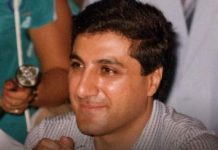
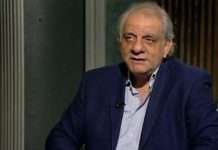
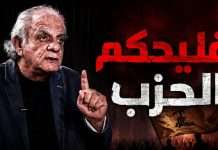
رباط فيديو مقابلة مع الكاتب والمخرج يوسف ي. الخوري من موقع “الهوية/مع نص مقاله للخوري عنوانها “دولة الكلمات… وحزب الأفعال”. 07 آذار/2026
مقدمة موقع الهوية لمقابلة اللكاتب والمخرج سوسف ي. الخوري في حلقة “كسر عظم” من برنامج قوة المنطق عبر منصة الهوية، يطلق المخرج والناشط السياسي يوسف الخوري جملة من المواقف الصادمة التي تتجاوز السقف السياسي اللبناني المعهود في حواره مع الإعلامي عبد الرحمن درنيقة. أبرز نقاط المواجهة: نهاية العهد: لماذا يطالب الخوري باستقالة الرئيس نواف سلام وقائد الجيش رودولف هيكل فوراً؟ سيناريو التقسيم: حقيقة انفصال الجنوب عن لبنان ومصير الطائفة الشيعية في المرحلة المقبلة. إعادة الإعمار: طرح قانوني ومستفز بمصادرة أموال مناصري الحزب لتعويض دمار لبنان. إغلاق الأفواه: المطالبة بفرض حالة الطوارئ ومنع بث خطابات نعيم قاسم على الشاشات اللبنانية. النازحون والسيادة: موقف حاد من ملف النزوح الداخلي وكيف أحرج الإسـ ـرائيلي الدولة اللبنانية؟
دولة الكلمات… وحزب الأفعال. الكاتب والمخرج ي. الخوري/آذار 02/2026 قرابة سنة ونصف، والدولة اللبنانية تمارس هوايتها المفضّلة: تنميق المفردات. توقّع اتفاقات تتضمّن نزع السلاح، ثم ترتجف أمام الكلمة نفسها كأنّها لفظٌ محرَّم. لم تقل “نزع السلاح”، بل قالت: حصرية السلاح بيد الدولة، بسط سيادة الدولة على كامل أراضيها، وقالت: لا سلاح إلا سلاح الدولة. وكان كلّما يشتدّ الحرج، تزداد البلاغة. أما الفعل، فكان في مكان آخر. بينما كانت السلطة تُراعي “المشاعر”، كان الأمين العام لـحزب الله، نعيم قاسم، يعلن جهارًا أنّ السلاح لن يُسلَّم. لم يهمس. لم يناور. قالها واضحة. بل وتحدّى الدولة في أكثر من محطّة رمزيّة، كحادثة إضاءة صخرة الروشة كسرًا لقرار رئيس الحكومة، في مشهد بدا أقرب إلى عرض عضلات منه إلى موقف سياسي. أمّا الدولة، فلم تقل مرة واحدة الكلمة التي وقّعت عليها: نزع السلاح. الحجّة جاهزة دائمًا: الجيش غير قادر. الجيش قد ينقسم. البلد لا يحتمل. لكنّ التاريخ لا يرحم هذا النوع من الأعذار. حين واجه الجيش الفلسطينيين عام 1973 حقّق نتائج حاسمة. حين خاض معركة نهر البارد أسقط تنظيمًا إرهابيًا متحصّنًا. وحين أطلق معركة فجر الجرود أنهى وجود “داعش” على الحدود. الجيش عندما يُعطى القرار السياسي، يقاتل. وعندما يُحيَّد، ينقسم. هكذا حصل عام 1975، حين تُرك بلا قرار، فتشظّى البلد خمسة عشر عامًا. إذن المشكلة ليست في الجيش. المشكلة في سلطة لا تريد أن تقرّر. ثمّ وصلنا إلى الحرب الأميركية – الإسرائيلية ضدّ إيران. خرج رئيس الحكومة ليراهن على “وعي اللبنانيين” بعدم الانجرار. أي لبنانيين!!؟ من يتلاعب بالحرب والسلم في هذا البلد ليس “الناس”، بل حزب واحد يملك قرار النار. وكان الأجدر أن يوجَّه الخطاب إليه مباشرة، لا إلى شعب لا يملك صاروخًا واحدًا. وخرج رئيس الجمهورية ليؤكد أن قرار الحرب والسلم بيد الدولة. وفي اليوم نفسه تُطلَق صواريخ من منطقة قيل إن الجيش أنهى تنظيفها جنوب الليطاني، وأنّه باشر تنفيذ خطته شماله. ماذا يعني ذلك؟ يعني أنّ حزب الله قال فعليًا: أنا من يقرّر. يعني أنّه ضرب هيبة الدولة أمام الداخل والخارج. يعني أنّه وضع الجيش في موقع الشك أمام المجتمع الدولي، في لحظة يستعدّ فيها لبنان لمؤتمر دعم الجيش. يعني أنّه تجاهل دعوات “الوعي”. ويعني قبل كلّ شيء أنّه جرّ لبنان إلى حافة حرب ثالثة مع إسرائيل المتفوّقة، بعد حرب 2006 وحرب الإسناد 2024. أوقع حزب الله الدولة في المأزق الذي صنعته بيديها: توقّع اتفاقات ولا تنفّذها. تُصدر بيانات ولا تطبّقها. تجبي الضرائب بكفاءة، وتعجز عن فرض قرار سيادي واحد. أمّا الأخطر، فالحزب وضعها في مواجهة مباشرة مع الأميركيين والإسرائيليين، الذين أبلغوها عبر قنوات ديبلوماسية واضحة تحذيراتهم من تدخلها في الحرب الدائرة اقليميًّا. فضمنت وبدت كأنّها ضامن لا يملك الضبط. اليوم أصدرت الحكومة بيانًا استلحاقيًّا. حظّرت أنشطة حزب الله الأمنيّة والعسكريّة، ودعته إلى الاكتفاء بالسياسة. ولم يفتها أن تتباكى أمام المجتمع الدولي لوقف الضربات الإسرائيليّة على لبنان -أي على حزب الله-، وذلك خوفًا من أن تُتَّهم بأنها “مع إسرائيل”. بيان متأخّر. والتأخّر في مسائل الحرب ليس تفصيلًا لغويًا. لو كانت هذه حكومة حازمة، لكانت أعلنت حالة الطوارئ. لأعلنت أن أيّ جهة تتصرّف خارج قرار الدولة تُعتبر خارجة على القانون وتُتّهم بالخيانة العُظمى. لحرّكت النيابة العامة للتحقيق في كل من يجرّ البلاد إلى الحرب من دون تفويض شرعي. وأوقفت أيّ خطاب تحريضي داعم للحزب الإرهابي ويدفع نحو مواجهة مدمّرة. وربطت أيّ عمل سياسي بالالتزام الصريح بقرار الدولة وحدها، لاسيّما في الحرب. هكذا تتصرّف دولة تعرف أن السيادة ليست شعارًا بل قرارًا يُنفَّذ. أما الاستمرار في لعبة المصطلحات، فلن ينقذ أحدًا. فالسيادة لا تُستعاد ببلاغة البيان، بل بوضوح القرار، والدولة التي تخاف من كلمة “نزع” لن تستطيع أن تفرض “الحصريّة”. إن لم تكن السلطة قادرة على تحمّل مسؤوليّة القرار، فعليها أن تقول ذلك بصراحة، وتستقيل أو تُقيل؛ تُقيل وزراء حزب الله من الحكومة، وتُقيل قائد الجيش من منصبه إن هو لم يستقِل. أما البقاء في المنطقة الرماديّة، فهو أخطر أشكال العجز. إنّه اليوم المئة الستّة وأربعون بعد السنة السادسة لانبعاث طائر الفينيق.
The State of Words… and the Party of Actions Youssef El. Khoury – Writer and Director (Free translation from Arabic by: Elias Bejjani) March 02, 2026 For nearly a year and a half, the Lebanese state has been practicing its favorite pastime: polishing words. It signs agreements that include disarmament, then trembles before the very word as if it were forbidden. It never says “disarmament.” Instead, it says: “weapons must be exclusively in the hands of the state,” “the state must extend its sovereignty over all its territory,” or “no weapons except those of the state.” And whenever embarrassment grows, the rhetoric becomes more elaborate. The action, however, happens somewhere else. While the authorities were busy “respecting sensitivities,” Hezbollah’s Secretary-General, Naim Qassem, openly declared that the weapons will not be handed over. He did not whisper, and he did not maneuver. He said it plainly. He even challenged the state on more than one symbolic occasion—such as the lighting of the Raouché Rock in defiance of the Prime Minister’s decision, in a scene that looked more like a display of power than a political stance. Meanwhile, the state has not uttered even once the word it actually signed onto: disarmament. The excuses are always ready: The army is not capable. The army might split. The country cannot bear it. But history shows little mercy for such excuses. When the army confronted the Palestinian forces in 1973, it achieved decisive results. When it fought the battle of Nahr al-Bared, it eliminated an entrenched terrorist organization. And when it launched the “Dawn of the Jurds” operation, it ended ISIS’s presence on the border. When the army is given a political decision, it fights. When it is sidelined, it fractures. That is what happened in 1975, when it was left without a decision—and the country shattered for fifteen years. So the problem is not the army. The problem is a leadership unwilling to decide. Then came the American–Israeli war against Iran. The Prime Minister stepped forward, betting on the “awareness of the Lebanese people” not to be dragged into it. Which Lebanese people? Those who play with war and peace in this country are not “the people,” but one party that holds the power to ignite the fire. The message should have been addressed directly to that party—not to a population that does not possess a single rocket. The President also appeared, affirming that the decision of war and peace belongs to the state. Yet on the very same day, rockets were launched from an area that the army had reportedly cleared south of the Litani River, while beginning to implement its plan north of it. What does that mean? It means Hezbollah effectively said: I decide. It means it struck the state’s authority before both domestic and international audiences. It means it placed the Lebanese army under suspicion in the eyes of the international community at a moment when Lebanon is preparing for a conference to support the army. It means it ignored calls for “restraint.” And above all, it means it dragged Lebanon to the brink of a third war with a militarily superior Israel—after the 2006 war and the 2024 “support war.” Hezbollah has pushed the state into a crisis of its own making: It signs agreements but does not implement them. It issues statements but does not enforce them. It collects taxes efficiently, yet fails to impose a single sovereign decision. Even more dangerously, the party has placed the state in direct confrontation with the United States and Israel, which had already conveyed clear diplomatic warnings against Lebanese involvement in the regional war. The state thus appeared like a guarantor without the ability to control what it guarantees. Today the government issued a belated statement. It banned Hezbollah’s security and military activities and called on the party to confine itself to political work. Yet it also hastened to plead with the international community to stop Israeli strikes on Lebanon—meaning on Hezbollah—fearing accusations of being “with Israel.” A late statement. And in matters of war, delay is not a linguistic detail. If this were a decisive government, it would have declared a state of emergency. It would have announced that any party acting outside the state’s decision is violating the law and committing high treason. It would have ordered the public prosecutor to investigate anyone dragging the country into war without legal authorization. It would have halted any inciting rhetoric supporting the terrorist party and pushing toward a destructive confrontation. And it would have made participation in political life conditional upon explicit commitment to the state’s sole authority—especially in matters of war. That is how a state acts when it understands that sovereignty is not a slogan but a decision that must be enforced. Continuing to play with terminology will save no one. Sovereignty is not restored through eloquent statements but through clear decisions. A state that fears the word “disarmament” will never be able to impose “exclusivity.” And if the authorities are incapable of bearing the responsibility of such decisions, they should say so plainly—either resign or dismiss those responsible. Dismiss Hezbollah’s ministers from the government. Dismiss the army commander from his post if he refuses to resign. Remaining in the gray zone is the most dangerous form of paralysis. Today marks the 146th day after the sixth year since the rebirth of the Phoenix.