أسوأ هدية ممكن تقديمها لنظلام الملالي في إيران هي صفقة خطيرة معه تؤمن استمارية بقائه ع مدى الحياة
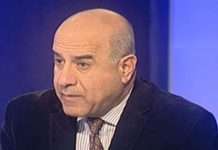
د. مجيد رافيزاده/معهد غايتستون/21 شباط/ 2026
(ترجمة إلى العربية بحرية بواسطة ناشر موقع المنسقية الياس بجاني بالإستعانة الكبيرة بمواقع ترجمة ألكترونية)
The Worst Possible Gift: A Dangerous Lifeline Deal to Iran’s Regime
Dr. Majid Rafizadeh/Gatestone Institute/February 21, 2026
A deal would also buy Iran time to rebuild and expand its military capabilities, particularly its drone and ballistic missile program — the largest in the Middle East. “Iran’s drones and ballistic missiles can finish 40,000 US troops,” US Secretary of State Marco Rubio informed the US Senate…. Survival today means strength tomorrow.
Any deal that allows the mullahs to survive to torture their citizens another day would be looked on by both the international community and history as the pinnacle of American hypocrisy: a permanent stain on the values that the United States and the Free World purport to uphold. America’s stature as the world’s guarantor of freedom and humanitarian values would be demolished overnight.
Conversely, if Trump would just do what he promised — “Help is on the way” — his place in history, as one of the greatest leaders for freedom, as in tearing down the Berlin Wall, would be forever assured. It would place him forever in a league with George Washington, Abraham Lincoln, Winston Churchill and Ronald Reagan. Let us hope he will join these winners and Make Persia Great Again.
A deal would also buy Iran time to rebuild and expand its military capabilities, particularly its drone and ballistic missile program — the largest in the Middle East. “Iran’s drones and ballistic missiles can finish 40,000 US troops,” US Secretary of State Marco Rubio informed the US Senate…. Survival today means strength tomorrow.
There is one thing the Iranian regime needs now more than anything else — something upon which its survival may depend. That lifeline is a deal.
Precisely for that reason, at this moment of maximum pressure, President Donald J. Trump’s offering Tehran an agreement — especially one that provides sanctions relief, legitimacy, or breathing room — could become the single most consequential mistake of the century.
The regime needs a deal because it needs a breath of relief. It is under pressure from several directions simultaneously. Internally, Iran has recently witnessed incessant waves of unrest, protests, and uprisings that cut across class, ethnic, and generational lines, with many Iranians calling for regime change — despite openly being gunned in the streets.
A deal would allow the authorities to intensify repression with fewer external consequences. Security forces could move more aggressively against activists, journalists, and opposition networks, confident that diplomatic engagement would temper foreign criticism. In this sense, a deal might consolidate the regime’s control internally by removing the leverage that international pressure has currently been providing to Iran’s civil society.
Morally, the Iranians risking their lives to protest the system look to the outside world for solidarity. A sweeping agreement that rehabilitates the regime without addressing human rights will be perceived, not just by them but by history, as abandonment. Any deal that allows the mullahs to survive to torture their citizens another day would be looked on by both the international community and history as the pinnacle of American hypocrisy: a permanent stain on the values that the United States and the Free World purport to uphold. America’s stature as the world’s guarantor of freedom and humanitarian values would be demolished overnight. It would signal that geopolitical considerations outweigh aspirations for freedom and that in such a quest, America could no longer be counted on to be your greatest ally. Any reach for freedom or challenging authoritarian rule from within — as seen tragically in the retreat from Afghanistan — would from now on be seen as a fatal waste of time and the United States as basically no different from any other weak, spoiled state.
Second, the regime faces acute regional pressure. Over recent years, Iran’s network of proxies — long the backbone of its regional strategy — has been weakened, degraded, or constrained. Israeli military operations have targeted Iranian assets and affiliated groups across the region, while the Trump administration’s pressure campaigns have sought to disrupt funding channels and logistics. Tehran, once confident in its arc of influence stretching from Lebanon to Yemen, now confronts pushback on multiple fronts. A deal with Washington would break this isolation, reduce the risk of confrontation, and allow Iran to rebuild its regional posture under the cover of diplomacy.
Third, Iran desperately needs sanctions relief, which is what its rulers want most, right after the survival of their regime. Sanctions have battered the economy, restricted oil exports, limited access to international banking, and fueled inflation that has eroded living standards. A deal that lifts sanctions or reintegrates Iran into the global financial system would most likely unlock billions of dollars in frozen assets and enable increased oil revenues.
Such financial relief would not merely stabilize the domestic economy — it would strengthen the state apparatus. With renewed resources, the regime could better fund security forces, patronage networks and foreign operations, and restore its war machine. Groups aligned with Tehran — such as Hezbollah, Hamas, and the Houthis — would receive expanded funding and weapon flows, exacerbating regional instability rather than reducing it.
A deal would also buy Iran time to rebuild and expand its military capabilities, particularly its drone and ballistic missile program — the largest in the Middle East. “Iran’s drones and ballistic missiles can finish 40,000 US troops,” Secretary of State Marco Rubio informed the US Senate. Tehran has long invested in drones and missiles as a deterrent and a tool of asymmetric warfare. Iran could also accelerate the transfer of missiles and missile technology to its regional proxies, multiplying the threat environment. Survival today means strength tomorrow.
Equally concerning is the nuclear dimension. Any agreement that relaxes pressure risks giving Iran the space to rebuild its nuclear capabilities. Even if Iran were not distinguished for lying and cheating under inspections, the opacity of underground facilities and covert procurement networks makes monitoring and verification extraordinarily difficult. Iran’s rulers most likely have concluded that nuclear capability is essential to regime survival, so they can pursue that objective regardless of formal commitments. A deal could therefore function less as a barrier and more as a shield behind which nuclear progress continues, shortening the path to a weapon.
The Iranian leadership has learned that diplomacy can be used to outlast adversaries. The regime operates on a long timeline, measuring success not in election cycles but in decades. Having survived wars, sanctions, and internal unrest for nearly half a century, it calculates that patience can defeat even the most determined external pressure. It may therefore seek a deal not as an end in itself but as a means to wait out a particularly hostile U.S. administration, anticipating that future leaders might adopt a more accommodating approach.
Timing matters. Promising the Iranian people — who have literally been risking everything — that “help is on the way” only to withdraw that would be a betrayal of historic enormity. Any deal that merely stabilizes the regime without fundamentally altering its behavior will only postpone the conflict to a time when Iran is militarily stronger and even more difficult to defeat – not resolve the conflict. The US would simply be passing on an unspeakable horror of governance — where the rulers are waging war on their own people — to the next generation and, God forbid, to the one after that.
The most dangerous gift to the Iranian regime today would be the one it seeks most urgently: a deal that grants relief, resources, legitimacy, and time.
Such an agreement would empower the regime, revitalize its regional network, accelerate military development, and destroy not only internal opposition but America’s and Trump’s credibility worldwide
Conversely, if Trump would just do what he promised — “Help is on the way” — his place in history, as one of the greatest leaders for freedom, as in tearing down the Berlin Wall, would be forever assured. It would place him forever in a league with George Washington, Abraham Lincoln, Winston Churchill and Ronald Reagan. Let us hope he will join these winners and Make Persia Great Again.
*Dr. Majid Rafizadeh, is a political scientist, Harvard-educated analyst, and board member of Harvard International Review. He has authored several books on the US foreign policy. He can be reached at dr.rafizadeh@post.harvard.edu
*Follow Majid Rafizadeh on X (formerly Twitter)
https://www.gatestoneinstitute.org/22287/iran-lifeline-deal
© 2026 Gatestone Institute. All rights reserved. The articles printed here do not necessarily reflect the views of the Editors or of Gatestone Institute.
أسوأ هدية ممكن تقديمها لنظلام الملالي في إيران هي صفقة خطيرة معه تؤمن استمارية بقائه ع مدى الحياة
د. مجيد رافيزاده/معهد غايتستون/21 شباط/ 2026
(ترجمة إلى العربية بحرية بواسطة ناشر موقع المنسقية الياس بجاني بالإستعانة الكبيرة بمواقع ترجمة ألكترونية)
إن أي صفقة ستمنح إيران أيضاً الوقت لإعادة بناء وتوسيع قدراتها العسكرية، ولا سيما برنامج الطائرات بدون طيار والصواريخ الباليستية — وهو الأكبر في الشرق الأوسط. فقد صرح وزير الخارجية الأمريكي ماركو روبيو أمام مجلس الشيوخ الأمريكي قائلاً: “إن طائرات إيران المسيرة وصواريخها الباليستية يمكنها القضاء على 40 ألف جندي أمريكي”… إن البقاء اليوم يعني القوة غداً.
إن أي صفقة تسمح للملالي بالبقاء لتعذيب مواطنيهم يوماً آخر سيعتبرها المجتمع الدولي والتاريخ ذروة النفاق الأمريكي: وصمة عار دائمة على القيم التي تدعي الولايات المتحدة والعالم الحر التمسك بها. إن مكانة أمريكا كضامن عالمي للحرية والقيم الإنسانية سوف تنهار بين عشية وضحاها.
وعلى العكس من ذلك، إذا فعل ترامب ما وعد به — “المساعدة في الطريق” — فإن مكانته في التاريخ، كواحد من أعظم قادة الحرية، كما هو الحال في هدم جدار برلين، ستكون مضمونة للأبد. وسوف يضعه ذلك إلى الأبد في مصاف جورج واشنطن، وأبراهام لينكولن، وونستون تشرشل، ورونالد ريغان. دعونا نأمل أن ينضم إلى هؤلاء الفائزين ويعيد لبلاد فارس عظمتها (Make Persia Great Again).
هناك شيء واحد يحتاجه النظام الإيراني الآن أكثر من أي شيء آخر — شيء قد يعتمد عليه بقاؤه. هذا الشريان للحياة هو “الصفقة”.
ولذا تحديداً، وفي هذه اللحظة من الضغط الأقصى، فإن تقديم الرئيس دونالد ج. ترامب لاتفاق لطهران — خاصة الاتفاق الذي يوفر تخفيفاً للعقوبات، أو شرعية، أو متنفساً — قد يصبح الخطأ الأكثر تأثيراً في هذا القرن.
يحتاج النظام إلى صفقة لأنه يحتاج إلى نفس من الراحة. فهو يرزح تحت ضغط من عدة اتجاهات في آن واحد. داخلياً، شهدت إيران مؤخراً موجات مستمرة من الاضطرابات والاحتجاجات والانتفاضات التي تجاوزت الطبقات والخطوط العرقية والأجيال، حيث يطالب العديد من الإيرانيين بتغيير النظام — على الرغم من تعرضهم للقتل العلني في الشوارع.
من شأن أي صفقة أن تسمح للسلطات بتكثيف القمع مع تقليل العواقب الخارجية. إذ يمكن لقوات الأمن أن تتحرك بقوة أكبر ضد الناشطين والصحفيين وشبكات المعارضة، واثقة من أن الانخراط الدبلوماسي سيخفف من حدة الانتقادات الأجنبية. وبهذا المعنى، قد تؤدي الصفقة إلى ترسيخ سيطرة النظام داخلياً من خلال إزالة أداة الضغط التي وفرها الضغط الدولي الحالي للمجتمع المدني في إيران.
أما من الناحية الأخلاقية، فإن الإيرانيين الذين يخاطرون بحياتهم للاحتجاج على النظام يتطلعون إلى العالم الخارجي طلباً للتضامن. وإن أي اتفاق شامل يعيد تأهيل النظام دون معالجة حقوق الإنسان سيُنظر إليه، ليس من قبلهم فحسب بل من قبل التاريخ أيضاً، على أنه تخلٍ عنهم. إن أي صفقة تسمح للملالي بالبقاء لتعذيب مواطنيهم يوماً آخر ستُعتبر بمثابة وصمة عار دائمة على القيم الأمريكية. وسوف يعطي ذلك إشارة بأن الاعتبارات الجيوسياسية تفوق التطلعات نحو الحرية، وأنه في مثل هذا المسعى، لم يعد من الممكن الاعتماد على أمريكا لتكون الحليف الأكبر. وأي محاولة للحرية أو تحدي الحكم الاستبدادي من الداخل — كما رأينا بشكل مأساوي في الانسحاب من أفغانستان — ستُعتبر من الآن فصاعداً مضيعة قاتلة للوقت، وسوف تُرى الولايات المتحدة في الأساس على أنها لا تختلف عن أي دولة ضعيفة ومدللة أخرى.
ثانياً، يواجه النظام ضغوطاً إقليمية حادة. فعلى مدى السنوات الأخيرة، تضعضعت شبكة وكلاء إيران — التي كانت لفترة طويلة العمود الفقري لاستراتيجيتها الإقليمية — أو تدهورت أو قُيدت. لقد استهدفت العمليات العسكرية الإسرائيلية الأصول الإيرانية والجماعات التابعة لها في جميع أنحاء المنطقة، بينما سعت حملات الضغط التي شنتها إدارة ترامب إلى تعطيل قنوات التمويل واللوجستيات. طهران، التي كانت واثقة يوماً ما في قوس نفوذها الممتد من لبنان إلى اليمن، تواجه الآن تراجعاً على جبهات متعددة. ومن شأن التوصل إلى صفقة مع واشنطن أن يكسر هذه العزلة، ويقلل من خطر المواجهة، ويسمح لإيران بإعادة بناء وضعها الإقليمي تحت غطاء الدبلوماسية.
ثالثاً، تحتاج إيران بشدة إلى تخفيف العقوبات، وهو أكثر ما يريده حكامها بعد بقاء نظامهم. لقد حطمت العقوبات الاقتصاد، وقيدت صادرات النفط، وحدت من الوصول إلى النظام المصرفي الدولي، وأججت التضخم الذي أدى إلى تآكل مستويات المعيشة. إن الصفقة التي ترفع العقوبات أو تعيد دمج إيران في النظام المالي العالمي من المرجح أن تفرج عن مليارات الدولارات من الأصول المجمدة وتمكن من زيادة عائدات النفط.
مثل هذا التخفيف المالي لن يؤدي فقط إلى استقرار الاقتصاد المحلي — بل سيعزز أجهزة الدولة. فبموارد متجددة، سيتمكن النظام من تمويل قوات الأمن وشبكات المحسوبية والعمليات الخارجية بشكل أفضل، واستعادة آلة الحرب الخاصة به. وستتلقى الجماعات المتحالفة مع طهران — مثل حزب الله وحماس والحوثيين — تمويلاً وتدفقات أسلحة موسعة، مما يؤدي إلى تفاقم عدم الاستقرار الإقليمي بدلاً من الحد منه.
كما أن الصفقة ستشتري لإيران وقتاً لإعادة بناء وتوسيع قدراتها العسكرية. وقد أبلغ وزير الخارجية ماركو روبيو مجلس الشيوخ الأمريكي أن “طائرات إيران المسيرة وصواريخها الباليستية يمكنها القضاء على 40 ألف جندي أمريكي”. لطالما استثمرت طهران في الطائرات المسيرة والصواريخ كأداة ردع وحرب غير متكافئة. ويمكن لإيران أيضاً تسريع نقل الصواريخ وتكنولوجيا الصواريخ إلى وكلائها الإقليميين. فالبقاء اليوم يعني القوة غداً.
والأمر المثير للقلق بنفس القدر هو البعد النووي. فكل اتفاق يخفف الضغط يهدد بمنح إيران المساحة لإعادة بناء قدراتها النووية. وحتى لو لم تكن إيران مشهورة بالكذب والغش تحت التفتيش، فإن غموض المنشآت تحت الأرض وشبكات المشتريات السرية يجعل المراقبة والتحقق غاية في الصعوبة. من المرجح أن حكام إيران خلصوا إلى أن القدرة النووية ضرورية لبقاء النظام، لذا يمكنهم السعي لتحقيق هذا الهدف بغض النظر عن الالتزامات الرسمية. وبالتالي، قد تعمل الصفقة كدرع يستمر خلفه التقدم النووي، مما يقصر الطريق نحو امتلاك سلاح.
لقد تعلمت القيادة الإيرانية أن الدبلوماسية يمكن استخدامها للصمود أمام الخصوم. فالنظام يعمل على مدى زمني طويل، ويقيس النجاح بالعقود وليس بالدورات الانتخابية. وبعد أن نجا من الحروب والعقوبات والاضطرابات الداخلية لما يقرب من نصف قرن، فإنه يحسب أن الصبر يمكن أن يهزم حتى أقوى الضغوط الخارجية. لذلك قد يسعى إلى صفقة ليس كغاية في حد ذاتها، بل كوسيلة لانتظار رحيل إدارة أمريكية معادية بشكل خاص، متوقعاً أن القادة المستقبليين قد يتبنون نهجاً أكثر مرونة.
التوقيت مهم. إن الوعد للشعب الإيراني — الذي خاطر بكل شيء حرفياً — بأن “المساعدة في الطريق” ثم سحب ذلك سيكون خيانة ذات ضخامة تاريخية. إن أي صفقة تكتفي بتثبيت استقرار النظام دون تغيير سلوكه بشكل جذري لن تؤدي إلا إلى تأجيل الصراع إلى وقت تكون فيه إيران أقوى عسكرياً وأكثر صعوبة في الهزيمة. ستكون الولايات المتحدة ببساطة قد نقلت رعباً لا يوصف من الحكم — حيث يشن الحكام حرباً على شعبهم — إلى الجيل القادم، وإلى الذي يليه.
إن أخطر هدية للنظام الإيراني اليوم هي تلك التي يسعى إليها بإلحاح: صفقة تمنحه الراحة والموارد والشرعية والوقت. مثل هذا الاتفاق من شأنه أن يقوي النظام، وينشط شبكته الإقليمية، ويسرع التنمية العسكرية، ويدمر ليس فقط المعارضة الداخلية، بل ومصداقية أمريكا وترامب في جميع أنحاء العالم.
وعلى العكس من ذلك، إذا فعل ترامب ما وعد به — “المساعدة في الطريق” — فإن مكانه في التاريخ كواحد من أعظم قادة الحرية سيكون مضموناً. دعونا نأمل أن ينضم إلى هؤلاء الفائزين ويعيد لبلاد فارس عظمتها.
*الدكتور مجيد رافيزاده، عالم سياسي، ومحلل متعلم في جامعة هارفارد، وعضو مجلس إدارة مجلة هارفارد الدولية.