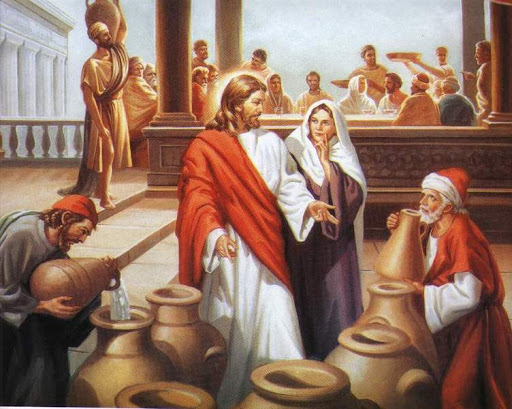
The first miracle of Jesus Christ was the turning of water into wine at the wedding in Cana of Galilee Town-South Lebanon
Colonel Charbel Barakat/February 20/2026
أول عجائب السيد المسيح كانت تحويل الماء إلى خمر في عرس بلدة قانا الجليل التي تقع في جنوب لبنان
الكولونيل شربل بركات/20 شباط/2026
أول عجائب السيد المسيح كانت تحويل الماء إلى خمر في عرس قانا الجليل وهي كانت انطلاقة البشارة ومن هنا أهميتها التاريخية وارتباطها بما يسمى حتى اليوم في جنوب لبنان بلاد البشارة فأين تقع قانا موضوع البحث ولماذا الخلط بينها وبين كفر كنا الواقعة بالقرب من الناصرة؟
هناك عدد من الباحثين في التاريخ يؤكدون على أن قانا الواردة في الكتاب المقدس، والتي حصلت فيها أعجوبتين الأولى كانت تحويل الماء إلى خمر بينما الثانية هي شفاء ابن عامل الملك وهي تذكر ايضا على أنها بلدة نتانئيل الرسول، تقع بالقرب من صور وفي الطريق إلى “صيدون الكبرى” أي أن موقعها في جنوب لبنان وليس بالقرب من الناصرة.
الدكتور يوسف الحوراني أكد موقع قانا مستندا إلى ما ورد عند اوسابيوس القيصري (260 -348) بأنها في سبط آشير (بينما كفر كنا في سبط افرايم) وعلى الطريق لصيدون الكبرى، وهو يقول بأنه وعلى تلة بالقرب منها لا يزال يقوم مقام “الجليل” الذي نسبت إليه القرية للتميز ربما وليس نسبة لجليل الأمم كما هو معتقد. كما يضيف بأن القديس أورونيموس أيضا أقر بالموقع في تثبيته للأماكن الجغرافية التي أوردها اوسابيوس في كتابه أونوماستيكون.
المؤرخ الأب بطرس ضو أيضا بحث الموضوع في موسوعته التاريخية “تاريخ الموارنة” وشدد على أهمية قياس المسافة بين قانا وكفرناحوم في أعجوبة ابن عامل الملك.
الدكتور ناجي كرم نشر كتاب سنة 2021 خصص لهذا الموضوع يتضمن بحث تاريخي مفصل يذكر فيه كافة النظريات التي انطلقت حول موضوع قانا وكفر كنا وخربة قانا وهي المواقع الثلاث التي تتشابه بالأسم. وهو يعتمد على اوسابيوس ابن المنطقة والذي كان اسقف قيصرية وأول من كتب عن تاريخ الكنيسة وقد عاش الاضطهاد الكبير على زمن الامبراطور ديوكليسيانوس خلال الأعوام 303-313 وهو معتمد ولو أنه يؤخذ عليه ميوله الآريوسية أحيانا ولكنه لا يخطئ من الناحية الجغرافية والتاريخية وقد اعتبر المنظر للأمبراطورية المسيحية وكلفه بها الأمبراطور قسطنطين وكان يدعى لحضور الاحتفالات الكبرى وتدشين الكاتدرائيات كما جرى يوم دعي لتدشين بازيليك صور (326). ومن ثم يبحث مع القديس ايرونيموس الذي ولد في كرواتيا سنة 347 وتوفي في بيت لحم سنة 420 وهو يأتي مباشرة بعد اوسابيوس. وكان درس في روما ثم تنسك في صحراء خلقيس في سوريا وبعد سيامته كاهنا في انطاكيا عاد إلى روما وعين سكرتيرا للبابا داماس الذي كلفه بترجمة الكتاب المقدس إلى اللاتينية وبعد وفاة البابا عاد إلى الشرق وسكن بيت لحم في فترة كثر فيها الحج إلى الأراضي المقدسة.
والدكتور كرم يأخذنا ببحثه إلى عملية تبدو متناقضة في اقوال القديس إيرونيموس بين الرسالة إلى باولا التي يذكر فيها موقع قانا المعروف بحسب الحجاج وبين ما ثبته فيما بعد عند تنقيحه لكتاب اوسابيوس الأونوماستيكون. وهو يناقش الكثير من طروحات البيبليين بدءً من حاج بوردو إلى روبنسون وغودي وغيران وخاصة غيران الذي حاول أن يتعمق بالموضوع وقد ذكر أنطونيني أحد الحجاج الإيطاليين في القرن السادس والذي يتكلم عن أنه وجد في كفركنا جرتين لا تزالان من ايام السيد المسيح وقد ملأ واحدة وشرب منها وقد تحولت إلى خمر وهنا يشكك غيران بالمعجرة ولكنه يثبت الموقع مع أنه لا ينتقد الفرق بين الأجرن التي كانت أيام المسيح وجرار أنطونيني فالأولى أجران حجرية تسع مقدار ثمانين ليترا من الماء ولا يمكن رفعها بينما الثانية هي جرة فخارية تسع ما يقارب خمسة عشر ليترا ما يمكن رفعها فوق كتفه.
ويذكر الدكتور كرم ايضا ابيفان اسقف سالامين في قبرص في القرن الرابع وهو من اليهودية عاش في القرن الرابع (315-403) ولم يترك بلده قبل أن يصبح اسقفا على سالامين ما يعني بأنه يعرف جغرافية المنطقة وهو يذكر “مدينة قانا الكبرى في الجليل حيث جرى العرس وحول المسيح الماء إلى خمر”.
هذه بعض الأمثلة المذكورة في البحث الجدي الذي يتضمنه الكتاب وندعو المهتمين لقرأته كما يمكن أن نذكر ما يقوله التقليد المحلي لأبناء المنطقة الشيعة إذ يعتقدون بأن مقام النبي عمران الذي لا يزالون يكرمونه بين قريتي الكنيسة والقليلة بالقرب من قانا يعود لوالد العذراء مريم يواكيم الذي يرد في القرآن الكريم بسورة آل عمران ما يدل على قراب المسافة بين الموقع الذي يسكنه أقرباء للعذراء في قانا وموقع المقام المسمى على اسم والدها والذي لا يزال السكان المحليون يكرمونه.
The first miracle of Jesus Christ was the turning of water into wine at the wedding in Cana of Galilee Town-South Lebanon
Colonel Charbel Barakat/February 20/2026
The first miracle of Jesus Christ was the turning of water into wine at the wedding in Cana of Galilee. This marked the beginning of the Gospel, hence its historical significance and its connection to what is still known today in southern Lebanon as the land of the Gospel (Blad lbshara). So, where exactly is the Cana, we are discussing, and why is it confused with Kafr Kanna, located near Nazareth?
Several historians assert that the Cana mentioned in the Bible, where two miracles occurred—the first being the turning of water into wine and the second the healing of the king’s official’s son—and which is also referred to as the town of the apostle Nathanael, is located near Tyre and on the road to “Greater Sidon.” This places it in southern Lebanon, not near Nazareth.
Dr. Youssef Hourani confirmed the location of Cana, citing Eusebius of Caesarea (260-348), who placed it in the tribe of Asher on the road to Greater Sidon (while Kafr Kana is in the tribe of Ephraim). He states that on a nearby hill still stands the site of “Galil,” to which the village was attributed, perhaps for distinction, and not in reference to Galilee of the Gentiles, as is commonly believed. He also adds that Saint Jerome of Stridon acknowledged the location in his documentation of the geographical places mentioned by Eusebius in his Onomasticon.
The historian Father Boutros Dao also discussed the subject in his historical encyclopedia, “History of the Maronites,” and emphasized the importance of measuring the distance between Cana and Capernaum in the miracle of the king’s son.
In 2021, Dr. Naji Karam published a book dedicated to this topic, including a detailed historical study that mentions all the theories surrounding the subject of Cana, Kafr Kanna, and Khirbet Qana—three sites with similar names. He relies on Eusebius, a native of the region and Bishop of Caesarea, who was the first to write about church history. Eusebius lived through the great persecution during the reign of Emperor Diocletian (303–313). While his account is considered reliable, despite occasional criticisms of his Arian leanings, he is not mistaken geographically or historically. He was considered the architect of the Christian Empire, commissioned by Emperor Constantine, and was invited to attend major celebrations and the dedication of cathedrals, as was the case when he was invited to the dedication of the Basilica of Tyre (326).
Dr. Karam then examines the work of Saint Jerome, who was born in Croatia in 347 and died in Bethlehem in 420, and who comes directly after Eusebius. He studied in Rome, then became a hermit in the desert of Chalcis in Syria. After his ordination as a priest in Antioch, he returned to Rome and was appointed secretary to Pope Damas, who commissioned him to translate the Bible into Latin. After the Pope’s death, he returned to the East and settled in Bethlehem during a period of increased pilgrimage to the Holy Land.
Dr. Karam’s research leads us to a seemingly contradictory account in the writings of St. Jerome, between his letter to Paula, in which he mentions the site of Cana, known to pilgrims, and what he later established when revising Eusebius’s Onomasticon. He discusses many of the arguments of the biblical researchers, starting from the pilgrim of Bordeaux to Robinson, Godet, and Guérin, especially Guérin, who tried to delve deeper into the subject. He mentioned Antonini, one of the Italian pilgrims in the sixth century, who spoke about finding in Kafr Kanna two jars that were still from the days of Jesus Christ. He filled one of them and drank from it, and it turned into wine. Here Guérin doubts the miracle, but he confirms the location, although he does not criticize the difference between the jars that were in the days of Christ and Antonini’s jars. The first are stone jars that hold about eighty liters of water and cannot be lifted, while the second is a clay jar that holds about fifteen liters, which can be lifted over his shoulder.
Dr. Karam also mentions Epiphanius, Bishop of Salamin in Cyprus in the fourth century. Epiphanius, who borne and lived in Judea in the fourth century (315-403), did not leave his homeland before becoming Bishop of Salamin, indicating his familiarity with the region’s geography. He mentions “the great city of Cana in Galilee, where the wedding took place and where Christ turned water into wine.”
These are some examples cited in the serious research included in the book, and we encourage those interested to read it. We can also mention the local tradition of the Shiite inhabitants of the region, who believe that the shrine of the Prophet Imran, which they still venerate between the villages of Al-Knaiseh and Al-Qalila near Cana, belongs to Joachim, the father of the Virgin Mary. Joachim is mentioned in the Quran in Surah Al Imran, which suggests the proximity between the location inhabited by relatives of the Virgin Mary in Cana and the site of the shrine named after her father, which the local inhabitants continue to venerate.
السيرة الذاتية للكولونيل شربل بركات
خبير عسكري، كاتب، شاعر، مؤرخ، ومعلق سياسي
*ضابط متقاعد من الجيش اللبناني
*متخرج من المدرسة الحربية ومجاز بالعلوم السياسية والادارية من الجامعة اللبنانية
*كلف كأحد الضباط لتنظيم الدفاع عن القرى الحدودية منذ 1976
*تسلم قيادة تجمعات الجنوب
*تسلم قيادة القطاع الغربي في جيش لبنان الحر وأصبح مساعدا للرائد سعد حداد ثم تسلم قيادة الجيش بالوكالة عندما مرض الرائد حداد واستمر بعد وفاته حتى مجيء اللواء أنطوان لحد فأصبح مساعده ثم قائدا للواء الغربي في جيش لبنان الجنوبي
*ترك العمل العسكري في 1988 وتسلم العلاقات الخارجية
*شهد أمام لجنة العلاقات الخارجية في مجلس الشيوخ الأميركي مرتين
*كاتب سياسي وباحث في التاريخ له الكثير من الكتب والمقالات السياسية التاريخية والانسانية
نشر كتابه الأول “مداميك” (1999) الذي يحكي عن المنطقة الحدودية ومعاناة أهلها، ترجم إلى العبرية ونشرته معاريف (2001) والانكليزية (2012) Madameek – Courses – A struggle for Peace in a zone of war موجود على Amazon Books
*نشر كتابه الثاني “الجنوب جرحنا وشفانا” الذي يشرح الأحداث التي جرت في المنطقة بين 1976 – 1986
*الكتاب الثالث “Our Heritage” كتاب بالانكليزية يلخص التراث اللبناني مع رسومات لزيادة الاستيعاب موجه للشباب المغترب
*كتابه السياسي الثالث “لبنان الذي نهوى” (2022) جاهز للطبع
*كتاب مجزرة عين إبل 1920 وهو بحث تاريخي عن المجزرة التي ساهمت في نشوء وتثبيت لبنان الكبير
*كتاب “المقالات السياسية 2005 – 2013” مئة ومقالة منشور على صفحته
*كتاب “الشرق الأوسط في المخاض العسير” مجموعة مقالات سياسية (2013 – 2025)
*كتاب “العودة إلى عين إبل” بحث تاريخي بشكل قصصي عن تاريخ المنطقة بين 1600 – 1900
*كتاب شعر عن المعاناة خلال الحرب الكبرى 1914 – 1918 من خلال قصيدة زجلية نقدية جاهز للطبع
*كتاب “تاريخ فناء صور الخلفي” بحث تاريخي عن المنطقة الجنوبية – قيد الانجاز
*كتاب المقالات الانسانية وكتاب عينبليات قيد الانجاز