في صراع السعودية–الإمارات، السعوديون على خطأ
مايكل روبن/واشنطن إكزامينر/28 كانون الثاني/2026
In the Saudi Arabia-UAE rivalry, the Saudis are wrong
Michael Rubin/Washington Examiner/January 28/2026
On Dec. 30, 2025, Saudi Arabian jets bombed southern Yemeni forces at the port city of Mukalla. Saudi officials said they sought to destroy arms that the United Arab Emirates sent to its allies in southern Yemen. Saudi authorities were upset that the Emirati-backed Southern Transitional Council recently consolidated its control over the Hadramawt, never mind that it did so to close off a smuggling route benefiting the Houthis.
The Emiratis had had enough. They entered Yemen alongside Saudi Arabia as the Houthis and al Qaeda in the Arabian Peninsula had overrun the country. The Emiratis and their Yemeni partners defeated al Qaeda and began building a functional state.
What the Saudis lacked in success, they made up for in jealousy. The Emiratis pulled out, allowing the Saudis to take responsibility for everything. Within days, al Qaeda returned to areas the Emiratis evacuated, the power went out, and the most secure regions of Yemen teetered on a return to chaos they had not seen in a decade. In Washington, diplomats, analysts, and journalists framed the Yemen fiasco as the latest manifestation of the Saudi-Emirati rivalry. While true, stating the obvious misses the point. Lots of countries have rivalries: Australia and New Zealand, France and the United Kingdom, Brazil and Argentina, Japan and Taiwan. None of these rivalries endangers regional security or U.S. national interests.
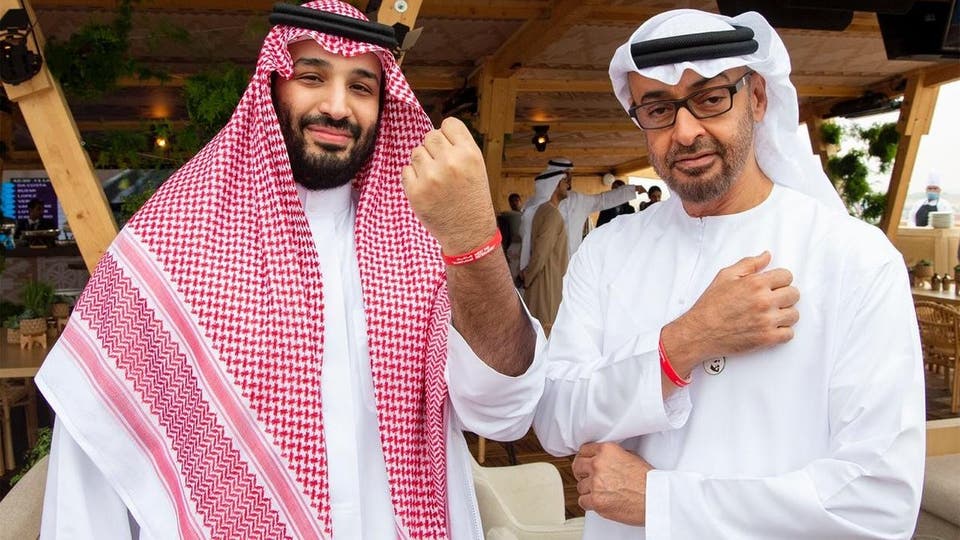
The Saudi-Emirati rivalry does for one reason. As Saudi Crown Prince Muhammad bin Salman competes with Emirati leader Muhammad bin Zayed, bin Salman remains unconstrained by any principle.
Take Yemen. Both Saudi Arabia and the UAE outlawed the Muslim Brotherhood domestically, for the same reason President Donald Trump and Secretary of State Marco Rubio designated many Muslim Brotherhood affiliates as a terrorist entity: The group is intolerant toward competitors and sanctions terrorist violence against both non-Muslims and Muslims who do not subscribe to its narrow, extremist, and cultish views. Yet, to undermine the Emiratis in Yemen, bin Salman partnered with Islah, the Muslim Brotherhood affiliate in Yemen, despite that group’s links to both al Qaeda and the Houthis.
The same holds true in Sudan. There are no angels in that country’s civil war, a conflict far bloodier than the wars in Gaza or Ukraine. Both Gen. Abdel Fattah al Burhan’s Sudanese Armed Forces and Gen. Mohamed Hamdan Dagalo (also known as Hemedti)’s Rapid Support Forces care little about collateral civilian casualties. The Emiratis support Hemedti, reportedly because he can better guarantee their commercial interests in Sudan and the routes the country opens into the interior of Africa. The Saudis join with Iran, Russia, Qatar, and Turkey to support al Burhan. Allying with the Islamic Republic of Iran should be a red line for any U.S. ally, but bin Salman does not care so long as he can play spoiler to the Emirates.
The same Saudi-Emirati rivalry plays out in Somalia, Libya, and Syria. In each case, Riyadh backs Islamist extremists, the Muslim Brotherhood, and al Qaeda affiliates, while Abu Dhabi supports more moderate, pro-Western leaders.
In Somalia, Saudi Arabia sides with Qatar and Turkey to prop up a corrupt, terrorist-riddled regime in Somalia instead of democratic Somaliland. In Libya, Saudi Arabia undermines Emirati support for secularists and instead empowers Islamist groups that cheered the murder of the U.S. ambassador in 2012. In Syria, the Saudi crown prince supports the thinly veiled al Qaeda groups at the heart of President Ahmed al Sharaa’s regime, while the Emiratis seek to limit the influence of these extremists.
Middle East analysts may pour forth rivalries to explain Saudi actions. They may also spread calumnies about the UAE supporting an “Axis of Secession” because of its support for Somaliland and southern Yemen. This misses the point.
The problem is not that the rivalry exists, but that Saudi Arabia supports the wrong side. During the Cold War, the United States and the Soviet Union had a rivalry, but Washington was right, and Moscow was wrong.
There is no moral equivalence today between Abu Dhabi and Riyadh. If Muhammad bin Salman does not grow up, Rubio and Congress should consider sanctions or even a terrorist designation.
https://aei.org/op-eds/in-the-saudi-arabia-uae-rivalry-the-saudis-are-wrong/
**Michael Rubin is a contributor to the Washington Examiner‘s Beltway Confidential. He is the director of analysis at the Middle East Forum and a senior fellow at the American Enterprise Institute.
في صراع السعودية–الإمارات، السعوديون على خطأ
بقلم مايكل روبن/واشنطن إكزامينر/28 كانون الثاني/2026
في 30 ديسمبر 2025، قصفت طائرات سعودية قوات يمنية جنوبية في مدينة المكلّا الساحلية. وقال مسؤولون سعوديون إنهم سعوا إلى تدمير أسلحة أرسلتها دولة الإمارات العربية المتحدة إلى حلفائها في جنوب اليمن. وكان المسؤولون السعوديون مستائين من أن «المجلس الانتقالي الجنوبي» المدعوم إماراتيًا قد عزّز مؤخرًا سيطرته على حضرموت، بغضّ النظر عن أنه فعل ذلك لإغلاق مسار تهريب كان يفيد الحوثيين. كان الإماراتيون قد طفح بهم الكيل. فقد دخلوا اليمن إلى جانب السعودية بعدما اجتاح الحوثيون وتنظيم القاعدة في جزيرة العرب البلاد. وهزم الإماراتيون وشركاؤهم اليمنيون تنظيم القاعدة وبدأوا ببناء دولة قابلة للحياة.
وما افتقر إليه السعوديون من نجاح عوّضوه بالغيرة. انسحب الإماراتيون، تاركين للسعوديين تحمّل المسؤولية عن كل شيء. وخلال أيام، عاد تنظيم القاعدة إلى المناطق التي أخلتها الإمارات، وانقطعت الكهرباء، وبدأت أكثر مناطق اليمن أمنًا تتأرجح على حافة عودةٍ إلى فوضى لم تشهدها منذ عقد.
في واشنطن، صوّر دبلوماسيون ومحللون وصحفيون فشل اليمن بوصفه أحدث تجليات التنافس السعودي–الإماراتي. ورغم صحة ذلك، فإن قول الواضح يفوّت جوهر المسألة. فكثير من الدول لديها تنافسات: أستراليا ونيوزيلندا، فرنسا والمملكة المتحدة، البرازيل والأرجنتين، اليابان وتايوان. ولا يهدد أي من هذه التنافسات الأمن الإقليمي أو المصالح القومية الأميركية.
غير أن التنافس السعودي–الإماراتي يفعل ذلك لسبب واحد: فبينما يتنافس ولي العهد السعودي محمد بن سلمان مع قائد الإمارات محمد بن زايد، يظل بن سلمان غير مقيَّد بأي مبدأ. خذ اليمن مثالًا. لقد حظرت كل من السعودية والإمارات جماعة الإخوان المسلمين داخليًا، وللسبب نفسه الذي دفع الرئيس دونالد ترامب ووزير الخارجية ماركو روبيو إلى تصنيف العديد من فروع الإخوان ككيان إرهابي: فالجماعة لا تتسامح مع المنافسين وتُجيز العنف الإرهابي ضد غير المسلمين وضد المسلمين الذين لا يعتنقون رؤيتها الضيقة والمتطرفة والذات طابع الطائفة. ومع ذلك، ولتقويض الإماراتيين في اليمن، تحالف بن سلمان مع «الإصلاح»، فرع الإخوان المسلمين في اليمن، رغم صلات هذه الجماعة بكلٍّ من تنظيم القاعدة والحوثيين.
وينطبق الأمر نفسه على السودان. فلا ملائكة في الحرب الأهلية هناك، وهي صراع أشد دموية بكثير من الحروب في غزة أو أوكرانيا. فكلا الفريقين—القوات المسلحة السودانية بقيادة الفريق عبد الفتاح البرهان، وقوات الدعم السريع بقيادة الفريق محمد حمدان دقلو (المعروف بحميدتي)—لا يُباليان كثيرًا بالخسائر المدنية الجانبية. تدعم الإمارات حميدتي، على ما يُقال لأنه يستطيع ضمان مصالحها التجارية في السودان والمسارات التي يفتحها البلد إلى داخل أفريقيا. أما السعوديون فيتحالفون مع إيران وروسيا وقطر وتركيا لدعم البرهان. وينبغي أن يكون التحالف مع جمهورية إيران الإسلامية خطًا أحمر لأي حليف للولايات المتحدة، لكن بن سلمان لا يهتم ما دام يستطيع إفساد حسابات الإمارات.
ويتكرر التنافس السعودي–الإماراتي ذاته في الصومال وليبيا وسوريا. ففي كل حالة، تدعم الرياض متطرفين إسلاميين وجماعة الإخوان المسلمين وفروع تنظيم القاعدة، بينما تدعم أبوظبي قادة أكثر اعتدالًا وموالين للغرب. في الصومال، تقف السعودية إلى جانب قطر وتركيا لدعم نظام فاسد ومثقل بالإرهاب في مقديشو بدلًا من «أرض الصومال» الديمقراطية. وفي ليبيا، تقوّض السعودية الدعم الإماراتي للتيار العلماني وتمكّن بدلًا من ذلك جماعات إسلامية هللت لقتل السفير الأميركي عام 2012. وفي سوريا، يدعم ولي العهد السعودي جماعات القاعدة المقنّعة التي تشكّل قلب نظام الرئيس أحمد الشرع، فيما تسعى الإمارات إلى الحد من نفوذ هؤلاء المتطرفين.
قد يفيض محللو الشرق الأوسط بسرد تنافسات لتفسير الأفعال السعودية. وقد يروّجون أيضًا افتراءات عن دعم الإمارات «محور الانفصال» بسبب دعمها لأرض الصومال وجنوب اليمن. لكن ذلك يخطئ الهدف. المشكلة ليست في وجود التنافس، بل في أن السعودية تدعم الطرف الخطأ.
خلال الحرب الباردة، كان هناك تنافس بين الولايات المتحدة والاتحاد السوفيتي، لكن واشنطن كانت على صواب وموسكو كانت على خطأ. واليوم لا توجد مساواة أخلاقية بين أبوظبي والرياض. وإذا لم ينضج محمد بن سلمان، فعلى روبيو والكونغرس النظر في فرض عقوبات أو حتى تصنيف إرهابي.