الديناميكيات العملياتية ومقارنة أوجه التشابه والاختلاف بينها
هزيمة النظام الإيراني وتحييد وكلائه أمر جوهري للحد من ديناميكيات التخريب التي يروج لها.
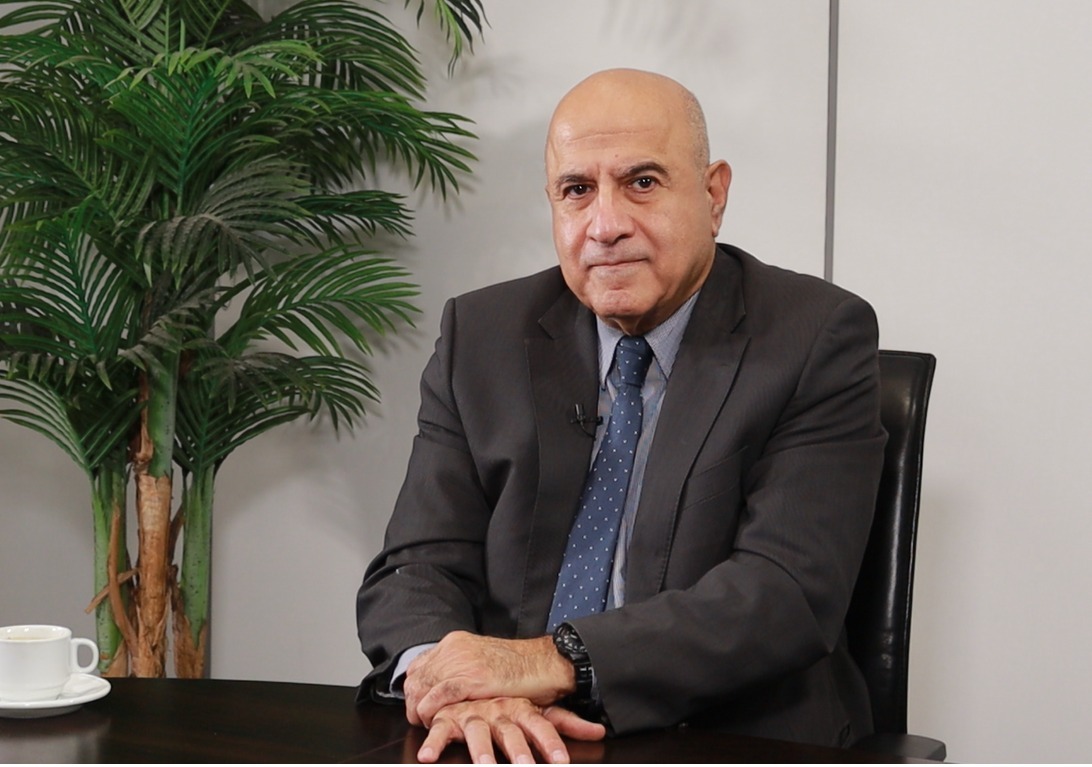
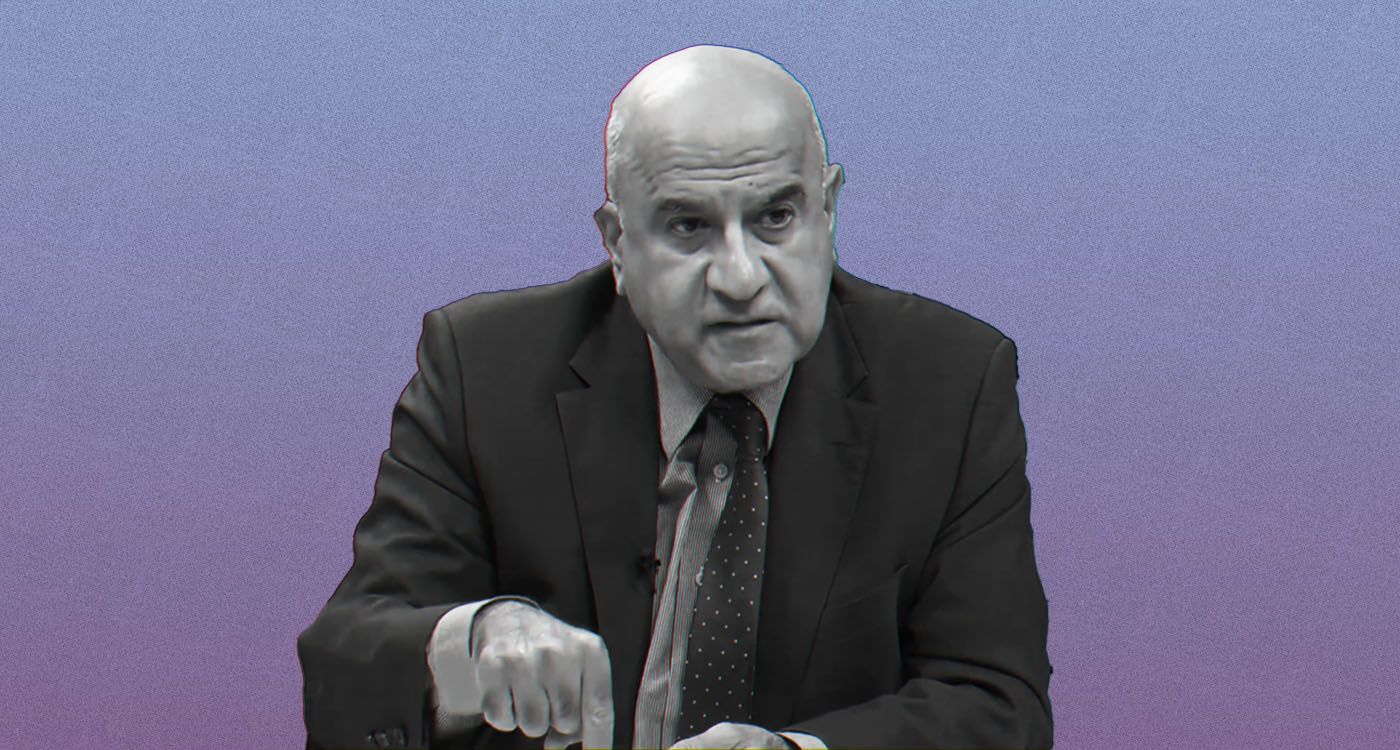
د.شارل شرتوني/نقلا عن موقع هذه بيروت/27 كانون الثاني/2026
(ترجمة من الإنكليزية بتصرف كامل بواسطة الياس بجاني)
Tectons in motion
Dr. Charles Elias Chartouni/This Is Beirut/January 26/2026
Les tectoniques en mouvement
Dr. Charles Chartouni/Citation tirée du site web de Voici Beyrouth/ 27 janvier 2026
Les tensions géopolitiques sur les différentes scènes internationales sont en plein bouleversement et semblent loin de se stabiliser. Aucune des crises n’a encore trouvé de solution durable, et elles peuvent, à tout moment, se raviver, alors que la diplomatie hésite et n’a pas encore fixé de cap précis. Ce climat d’incertitude stratégique et politique est intenable et ne peut perdurer face aux enjeux en lice. Le dénouement de ces situations est essentiel, tant aux niveaux national que régional et international.
Les conflits non résolus au Moyen-Orient (Liban, Syrie, Gaza, Irak), au Venezuela et au Groenland illustrent des dynamiques chaotiques persistantes, qui menacent la sécurité internationale dans un environnement global en état de crise. Les mécanismes de régulation internationale se sont progressivement affaiblis, en raison de la remise en question des consensus stratégiques consécutive à l’émergence de nouvelles mouvances totalitaires et de leurs équivalents sur la scène géopolitique.
La crise de l’alliance transatlantique met particulièrement en lumière les défis stratégiques croissants : ceux de la culture politique dans les démocraties occidentales, de l’exploitation des migrations massives par les islamismes de tout acabit, ainsi que du retour des politiques de subversion bolcheviques et de leurs variantes contemporaines. Il est urgent de redéfinir les repères politiques et moraux sur des bases consensuelles afin de réduire les divergences qui affectent les différents contextes géostratégiques.
La crise du Groenland a agi comme un révélateur et un précurseur des négociations politiques nécessaires pour aborder les crises persistantes au sein de l’OTAN, ainsi que les chocs civilisationnels et culturels qui secouent les démocraties occidentales. Elle a également eu des répercussions sur les crises affectant la Communauté européenne et les Nations unies. Les lignes de fracture géopolitiques évoluent, tout comme leur impact sur les cultures et les institutions politiques, tant au niveau national qu’international. Les crises en cours ne peuvent être comprises sans établir un lien entre leur évolution, les divergences normatives et intellectuelles, et leurs implications stratégiques.
La fin des grands récits de l’ordre bipolaire, ainsi que l’effondrement de l’ère post-guerre froide, expliquent l’émergence de crises teintées de nihilisme politique, de tendances totalitaires et des contradictions d’un ordre mondial de plus en plus dysfonctionnel. L’émergence du populisme et le retour à « l’âge des extrêmes » ne sont pas le fruit du hasard ; ils illustrent de manière aiguë la déliquescence de l’ère post-guerre froide et l’apparition d’un environnement chaotique où « nommer et délimiter » devient une tâche complexe. Le volontarisme politique de Donald Trump reflète les vides accumulés d’un ordre mondial en déclin et ses multiples conséquences.
Le Venezuela constitue un exemple frappant des conséquences de l’effritement de l’ordre étatique, à la croisée du terrorisme, de la criminalité organisée et du retour du totalitarisme. La dernière offensive contre le chavisme est un effort tardif qui aurait dû être entrepris plus tôt afin de prévenir des tragédies à travers les Amériques et d’anticiper le retour de scénarios propres à la guerre froide. Les dynamiques de démocratisation ont pris du retard face aux nouvelles réalités apparues après la chute du communisme et de ses narrations.
Se dégager d’un régime criminel est une entreprise complexe, qui exige d’éviter les pièges de la guerre civile et les dangers d’un chaos latent. Négocier avec un groupe criminel pose de sérieux problèmes, car sa principale préoccupation demeure la survie au pouvoir. En dehors de cet agenda, toutes les autres questions deviennent accessoires, voire inexistantes. Trouver des solutions à ces dilemmes est une tâche ardue, ce qui explique les blocages prolongés.
La configuration du Moyen-Orient suit un schéma similaire, dans lequel les enjeux liés à l’islamisme, les retournements stratégiques et les rivalités entre puissances chiites et sunnites éclairent les évolutions politiques en cours. Le Liban demeure un État otage, instrumentalisé par le régime islamique de Téhéran et servant de base à une stratégie de déstabilisation poursuivie après l’effondrement des « plateformes opérationnelles intégrées ».
Bien que difficile à cerner, cette stratégie vise à relancer des scénarios de chaos généralisé, de guerre civile et d’instabilité endémique. Le gouvernement libanais a démontré son incapacité à surmonter les obstacles d’une politique dysfonctionnelle et à traiter les divergences idéologiques qui ont marqué son histoire contemporaine. Les questions d’extraterritorialité politique et militaire témoignent d’une crise persistante de la légitimité nationale.
La nouvelle équation géostratégique redéfinit les paramètres de résolution des conflits et ajuste ses principes autour de la nécessité d’une paix négociée avec Israël, d’une nouvelle ingénierie constitutionnelle et d’une réforme de la gouvernance. Ces trois principes sont interdépendants si le Liban souhaite restaurer sa souveraineté et retrouver son statut d’État fonctionnel. La confusion entre légitimités concurrentes, extraterritorialités institutionnalisées et affaiblissement de l’État constitue un obstacle majeur. À défaut, la souveraineté libanaise sera difficilement protégeable sans un soutien stratégique américain.
Le renversement du régime Assad par un mouvement djihadiste en voie de restructuration représentait une initiative audacieuse, mais incertaine. Toutefois, l’occupation de Damas n’a pas suffi à conférer une légitimité à ce groupe rebelle, qui s’est rapproché du centre et a cherché à s’aligner sur les mandats stratégiques des États-Unis. Bien que significatif, ce repositionnement n’a pas répondu aux préoccupations des grandes minorités religieuses et ethnonationales, n’a pas, à ce stade, permis de contrôler les groupes terroristes réfractaires, de sanctuariser son autonomie politique et opérationnelle face à la politique de puissance turque, ni d’engager Israël sur la base de la nouvelle configuration géostratégique.
La situation dans le nord-est de la Syrie, marquée par le démantèlement de l’État proto-kurde, demeure instable et pourrait raviver des sentiments irrédentistes et relancer la guerre civile. Le contrôle militaire susceptible d’étendre cette dynamique vers de nouveaux extrêmes comporte de nombreux risques et menace inévitablement la paix civile ainsi que la reconstruction de l’État syrien. La surveillance de cette situation est essentielle afin d’éviter des projections démesurées.
La situation à Gaza est liée à la rupture entre le régime islamique de Téhéran et le Hamas. Ce dernier constitue un obstacle à une transition pacifique et à l’établissement d’un gouvernement fonctionnel sur un territoire contrôlé durant deux décennies par une organisation terroriste. En l’absence d’une telle transition, la guerre pourrait ressurgir. Les ambiguïtés du Qatar, de même que l’agenda du gouvernement islamiste d’Ankara, ne contribuent guère à l’émergence d’une nouvelle dynamique. Le nombre d’intervenants, porteurs de politiques de puissance et d’agendas concurrents, complique également la situation. Aborder la question de Gaza constitue une étape préalable à la résolution du conflit israélo-palestinien dans son ensemble.
La défaite de l’Iran et la neutralisation de ses mandataires sont essentielles pour réduire les dynamiques de sabotage que ce régime promeut. L’Irak représente un axe incontournable dans la mise en œuvre d’une stratégie d’endiguement. Historiquement, l’Irak a servi de vecteur à la stratégie impériale iranienne ; il est désormais temps de l’aider à reconstruire son autonomie politique et à consolider sa structure fédérale comme modèle à suivre.
Cet examen vise à éclairer les dynamiques opérationnelles, à comparer leurs similarités et à analyser leurs différences. Si nous échouons à comprendre les dynamiques sous-jacentes, ainsi que leurs références idéologiques et stratégiques, les chances de résoudre ces crises et de favoriser la paix seront compromises, rendant les perspectives de paix presque inconcevables.
Tectons in motion
Charles Elias Chartouni/This Is Beirut/January 26/2026
Geopolitical tensions on the various international stages are in full turmoil and seem far from stabilizing. None of the crises have found a sustainable solution yet, and they can, at any moment, revive, while diplomacy hesitates and has not yet set a specific course. This climate of strategic and political uncertainty is unstable and cannot endure in the face of the issues at hand. The solution to these situations is essential, both at the national, regional and international levels.
The unresolved conflicts in the Middle East (Lebanon, Syria, Gaza, Iraq), Venezuela, and Greenland illustrate persistent chaotic dynamics that threaten international security in a global crisis environment. International regulatory mechanisms have gradually weakened, due to the questioning of strategic consensus following the emergence of new totalitarian movements and their counterparts on the geopolitical scene.
The crisis of the transatlantic alliance highlights in particular the growing strategic challenges: those of political culture in Western democracies, the exploitation of massive migrations by Islamisms of all-out, and the return of Bolshevik subversion policies and their contemporary variants. It is urgent to redefine political and moral benchmarks on a consensus basis in order to reduce the differences that affect different geostrategic contexts.
The Greenland crisis has acted as an eye-opener and precursor to the political negotiations necessary to address the ongoing crises in NATO, as well as the civilization and cultural shocks that shake Western democracies. It has also had an impact on the crises affecting the European Community and the United Nations. Geopolitical fracture lines are evolving, as do their impact on cultures and political institutions, both at the national and international levels. Ongoing crises cannot be understood without linking their evolution, policy and intellectual differences, and their strategic implications.
The end of the great narratives of the bipolar order, as well as the collapse of the post-cold war era, explain the emergence of tinted crises of political nihilism, totalitarian tendencies and contradictions of an increasingly dysfunctional world order. The emergence of populism and the return to the “age of extremes” are not the result of chance; they sharply illustrate the delicacy of the post-cold war era and the emergence of a chaotic environment where “naming and delimiting” becomes a complex task. Donald Trump’s political volunteerism reflects the accumulated emptiness of a declining world order and its many consequences.
Venezuela is a striking example of the consequences of the friction of state order, at the crossroads of terrorism, organized crime and the return of totalitarianism. The latest offensive against Chavism is a late effort that should have been undertaken earlier to prevent tragedies across America and anticipate the return of Cold War scenarios. The dynamics of democratization have lagged behind the new realities emerged after the fall of communism and its narratives.
Getting rid of a criminal regime is a complex undertaking, which requires avoiding the traps of civil war and the dangers of latent chaos. Negotiating with a criminal group poses serious problems as their primary concern remains survival in power. Outside this agenda, all other issues become accessories, even non-existent. Finding solutions to these dilemmas is a daunting task, which explains the extended blockages.
The configuration of the Middle East follows a similar pattern, in which the issues related to Islamism, strategic reversals, and rivalries between Shia and Sunni powers shed light on the ongoing political developments. Lebanon remains a hostage state, instrumentalised by the Islamic regime of Tehran and serving as the basis of a destabilization strategy following the collapse of the “integrated operational platforms”.
Although difficult to identify, this strategy aims to revive scenarios of widespread chaos, civil war and endemic instability. The Lebanese government has demonstrated its incapability to overcome the obstacles of dysfunctional politics and to address the ideological differences that have marked its contemporary history. Issues of political and military extraterritoriality indicate a persistent crisis of national legitimacy.
The new geostrategic equation redefines the parameters for conflict resolution and adjusts its principles around the need for a negotiated peace with Israel, new constitutional engineering, and governance reform. These three principles are interdependent if Lebanon wishes to restore its sovereignty and restore its functional statehood. The confusion between competing legitimacy, institutionalized extraterritorialities and weakening of the state constitutes a major obstacle. By default, Lebanese sovereignty will be difficult to protect without US strategic support.
The overthrowing of the Assad regime by a restructuring jihadist movement represented a bold, yet uncertain initiative. However, the occupation of Damascus was not enough to confer legitimacy to this rebel group, which moved closer to the center and sought to align itself with US strategic mandates. Although significant, this repositioning has not addressed the concerns of large religious and ethnic minorities, has not, at this point, allowed to control refractory terrorist groups, sanctify its political and operational autonomy against the politics of Turkish power, nor engage Israel on the basis of the New geostrategic configuration.
The situation in northeastern Syria, marked by the dismantling of the proto-Kurdish state, remains volatile and could revive irredent sentiments and reignite the civil war. Military control likely to extend this dynamic to new extremes carries many risks and inevitably threatens civil peace and the reconstruction of the Syrian state. Monitoring this situation is essential in order to avoid excessive projections.
The situation in Gaza is linked to the breakup between the Islamic regime of Tehran and Hamas. The latter is an obstacle to a peaceful transition and the establishment of a functional government on a territory controlled by a terrorist organization for two decades. In the absence of such a transition, war could reborn. Qatar’s ambiguity, as well as the agenda of the Islamic government in Ankara, do little to the emergence of a new dynamic. The number of stakeholders, power policies and competing agendas, also complicates the situation. Addressing the Gaza issue is a step ahead of resolving the Israeli-Palestinian conflict as a whole.
Defeating Iran and neutralizing its agents is key to reducing the sabotage dynamics this regime promotes. Iraq is an essential focus in implementing a mitigation strategy. Historically, Iraq has served as a vector for Iran’s imperial strategy; now it is time to help it rebuild its political autonomy and consolidate its federal structure as a role model.
This examination aims to shed light on operational dynamics, compare their similarities and analyze their differences. If we fail to understand the underlying dynamics, as well as their ideological and strategic references, the chances of resolving these crises and promoting peace will be compromised, making prospects for peace almost inconceivable.
الديناميكيات العملياتية ومقارنة أوجه التشابه والاختلاف بينها
هزيمة النظام الإيراني وتحييد وكلائه أمر جوهري للحد من ديناميكيات التخريب التي يروج لها.
د.شارل شرتوني/نقلا عن موقع هذه بيروت/27 كانون الثاني/2026
(ترجمة من الإنكليزية بتصرف كامل بواسطة الياس بجاني)
تشهد التوترات الجيوسياسية على مختلف الساحات الدولية تحولات جذرية، وتبدو بعيدة كل البعد عن الاستقرار. فلم تجد أي من الأزمات الحالية حلاً مستداماً بعد، بل إنها مرشحة للاشتعال في أي لحظة، في وقت تتردد فيه الدبلوماسية ولم تحدد مساراً دقيقاً بعد. إن هذا المناخ من عدم اليقين الاستراتيجي والسياسي لا يمكن أن يستمر أمام جسامة التحديات الراهنة، حيث أصبح حسم هذه المواقف ضرورة ملحة على المستويات الوطنية والإقليمية والدولية.
تجسد الصراعات غير المحسومة في الشرق الأوسط (لبنان، سوريا، غزة، العراق)، وفنزويلا، وغرينلاند، ديناميكيات فوضوية مستمرة تهدد الأمن الدولي في بيئة عالمية متأزمة. وقد ضعفت آليات الضبط الدولي تدريجياً نتيجة تقويض التوافقات الاستراتيجية، إثر بروز حركات توتالية (شمولية) جديدة وما يعادلها على الساحة الجيوسياسية.
كما تسلط أزمة التحالف عبر الأطلسي الضوء على التحديات الاستراتيجية المتزايدة، لا سيما ما يتعلق بالثقافة السياسية في الديمقراطيات الغربية، واستغلال الهجرات الجماعية من قبل الحركات الإسلاموية بمختلف أطيافها، وعودة سياسات التخريب “البلشفية” بصورها المعاصرة. لقد أضحى من الضروري إعادة تعريف المرجعيات السياسية والأخلاقية على أسس توافقية للحد من الانقسامات التي تعصف بالسياقات الجيواستراتيجية المختلفة. لقد عملت أزمة “غرينلاند” ككاشف ومؤشر للمفاوضات السياسية اللازمة لمعالجة الأزمات المستمرة داخل حلف شمال الأطلسي (الناتو)، فضلاً عن الصدمات الحضارية والثقافية التي تهز الديمقراطيات الغربية، كما امتدت تداعياتها لتطال الاتحاد الأوروبي والأمم المتحدة. إن خطوط الصدع الجيوسياسي تتطور، وكذلك تأثيرها على الثقافات والمؤسسات السياسية محلياً ودولياً. ولا يمكن فهم الأزمات الراهنة دون ربط تطورها بالخلافات المعيارية والفكرية وتداعياتها الاستراتيجية.
إن نهاية “السرديات الكبرى” للنظام ثنائي القطب، وانهيار حقبة ما بعد الحرب الباردة، يفسران ظهور أزمات مشوبة بالعدمية السياسية والنزعات التوتالية، وتناقضات نظام عالمي يزداد خللاً. ولم يكن صعود الشعبوية والعودة إلى “عصر المتطرفين” وليد الصدفة، بل هو تجسيد حاد لتهالك حقبة ما بعد الحرب الباردة وظهور بيئة فوضوية تصعب فيها عملية “التسمية والترسيم”. وفي هذا السياق، يعكس النهج الإرادي لدونالد ترامب الفراغات المتراكمة لنظام عالمي آفل وتبعاته المتعددة.
وتقدم فنزويلا مثالاً صارخاً على عواقب تآكل مؤسسات الدولة، حيث تتقاطع قوى الإرهاب والجريمة المنظمة مع عودة الحكم الشمولي. إن الهجوم الأخير على “التشافيزية” هو جهد متأخر كان ينبغي القيام به سابقاً لمنع المآسي في الأمريكيتين واستباق عودة سيناريوهات الحرب الباردة. لقد تأخرت ديناميكيات التحول الديمقراطي في مواجهة الحقائق الجديدة التي ظهرت بعد سقوط الشيوعية وسردياتها. إن التخلص من نظام إجرامي عملية معقدة تتطلب تجنب فخاخ الحرب الأهلية ومخاطر الفوضى الكامنة. فالتفاوض مع جماعة إجرامية يطرح معضلات جدية، كون هاجسها الأساسي يظل البقاء في السلطة، وما دون ذلك يصبح ثانوياً أو معدوماً. إن إيجاد حلول لهذه المعضلات مهمة شاقة، وهو ما يفسر حالات الانسداد المطولة.
أما في الشرق الأوسط، فيتبع المشهد نمطاً مماثلاً، حيث تضفي قضايا الإسلاموية والتحولات الاستراتيجية والتنافس بين القوى الشيعية والسنية بظلالها على التطورات السياسية. ولا يزال لبنان “دولة رهينة”، يتم توظيفها من قبل النظام الإسلامي في طهران كقاعدة لاستراتيجية زعزعة الاستقرار التي استمرت حتى بعد انهيار “المنصات العملياتية المتكاملة”.
وتهدف هذه الاستراتيجية، رغم صعوبة تحديد ملامحها بدقة، إلى إعادة إحياء سيناريوهات الفوضى الشاملة والحرب الأهلية وعدم الاستقرار المزمن. وقد أثبتت الحكومة اللبنانية عجزها عن تجاوز عقبات السياسة المختلة ومعالجة الانقسامات الأيديولوجية التي طبعت تاريخها المعاصر. كما تعكس قضايا “السيادة العابرة للحدود” (السياسية والعسكرية) أزمة مستمرة في الشرعية الوطنية. إن المعادلة الجيواستراتيجية الجديدة تعيد تعريف معايير حل النزاعات، وترتكز على ضرورة التوصل إلى سلام متفاوض عليه مع إسرائيل، وهندسة دستورية جديدة، وإصلاح الحوكمة. وهذه المبادئ الثلاثة مترابطة إذا ما أراد لبنان استعادة سيادته ودوره كدولة فاعلة. إن الخلط بين الشرعيات المتنافسة، ومأسسة القوى الخارجة عن إطار الدولة، وإضعاف مؤسساتها، يشكل عائقاً جوهرياً. وبخلاف ذلك، ستكون السيادة اللبنانية صعبة الحماية دون دعم استراتيجي أمريكي.
من جهة أخرى، كان إسقاط نظام الأسد على يد حركة جهادية في طور إعادة الهيكلة مبادرة جريئة ولكن محفوفة بالمخاطر. ومع ذلك، فإن السيطرة على دمشق لم تكن كافية لمنح الشرعية لهذه المجموعة المتمردة التي حاولت الاقتراب من “الوسط” والتماشي مع التوجهات الاستراتيجية الأمريكية. ورغم أهمية هذا التموضع، إلا أنه لم يطمئن الأقليات الدينية والإثنية الكبرى، ولم يسمح حتى الآن بالسيطرة على الجماعات الإرهابية الرافضة، أو تأمين استقلاليتها السياسية والعملياتية تجاه السياسة التركية، أو الانخراط مع إسرائيل بناءً على التكوين الجيواستراتيجي الجديد. وفي شمال شرق سوريا، يظل الوضع الناجم عن تفكيك “شبه الدولة” الكردية غير مستقر، مما قد يحيي النزعات الانفصالية ويشعل الحرب الأهلية من جديد. إن الرقابة العسكرية التي قد تدفع بهذه الديناميكية نحو تطرف جديد تحمل مخاطر جمة وتهدد السلم الأهلي وإعادة بناء الدولة السورية. لذا، فإن مراقبة هذا الوضع ضرورية لتجنب أي تداعيات كارثية.
أما في غزة، فالوضع مرتبط بالقطيعة بين النظام الإيراني وحركة حماس. وتشكل الأخيرة عائقاً أمام انتقال سلمي وتأسيس حكومة فاعلة في منطقة خضعت لسيطرة منظمة إرهابية لعقدين. وبدون هذا الانتقال، قد تتجدد الحرب. ولا يساهم الغموض القطري، ولا أجندة الحكومة الإسلاموية في أنقرة، في خلق ديناميكية جديدة، كما أن كثرة المتدخلين وأجنداتهم المتضاربة تزيد المشهد تعقيداً. إن معالجة قضية غزة هي خطوة استباقية لا غنى عنها لحل الصراع الفلسطيني الإسرائيلي برمته.
ختاماً، إن هزيمة إيران وتحييد وكلائها أمر جوهري للحد من ديناميكيات التخريب التي يروج لها هذا النظام. ويشكل العراق محوراً لا غنى عنه في تنفيذ استراتيجية الاحتواء. فتاريخياً، استُخدم العراق كأداة للاستراتيجية الإمبريالية الإيرانية، وقد آن الأوان لمساعدته على استعادة استقلاليته السياسية وترسيخ نظامه الفيدرالي كنموذج يحتذى به.
إن هذا الاستعراض يهدف إلى تسليط الضوء على الديناميكيات العملياتية ومقارنة أوجه التشابه والاختلاف بينها. فإذا فشلنا في فهم المحركات الكامنة ومرجعياتها الأيديولوجية والاستراتيجية، فإن فرص حل هذه الأزمات وتحقيق السلام ستكون في مهب الريح، مما يجعل آفاق الاستقرار بعيدة المنال.