Ecclesiastical Study on the Life of Saint Nicholas the Wonderworker
Elias Bejjani/December 06/ 2025
بحث كنسي عن حياة القدّيس نقولا العجائبي
الياس بجاني/06 كانون الأول/2025
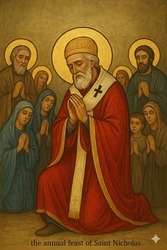
تحتفل الكنيسة اليوم 06 كانون الأول بالذكرى السنوية لعيد القديس العجابئ ما نقولا، فمن هو وما هي قصة حياته الكنسية والإيمانية
أولاً: من هو القدّيس نقولا العجائبي؟
يُعدُّ القدّيس نقولا العجائبي (St. Nicholas of Myra) أحد أشهر قديسي الكنائس المشرقية والغربية، وواحداً من أكثر القديسين حضوراً في الوعي المسيحي العالمي. اشتهر بالقداسة، والكرم، وصنع العجائب، والدفاع عن الإيمان القويم. يعود لُقبه “العجائبي” إلى كثرة المعجزات التي جرت على يديه خلال حياته وبعد وفاته.هو شفيع البحّارة، والتجّار، والأطفال، والرهائن، وقد دخلت سيرته إلى تراث الكنائس الغربية أيضاً، وصار الملهم لشخصية “سانتا كلوز”.
ثانياً: اسمه الأصلي، عائلته، وبلده
الاسم: نقولا (Νικόλαος باليونانية) ومعناه: “غالب الشعب” أو “منتصِر للشعب”.
الأصل والعائلة: ينتمي إلى عائلة يونانية مسيحية تقيّة.
البلد: وُلد في مدينة باتارا في إقليم ليكية جنوب الأناضول (تركيا الحالية)، وكان هذا الإقليم مركزاً مسيحياً مهماً في القرون الأولى.
ثالثاً: سنة ولادته ومكانها
وُلد بين عامَي 260 – 270 م في باتارا، في زمن الاضطهادات الوثنية التي كانت تضرب المسيحية. تربّى في بيتٍ غنيّ ولكنه تقي، وقد كرّس والداه ثروتهما لخدمة الفقراء.
رابعاً: عمله وخدمته الكنسية
كان منذ شبابه ميّالاً إلى الحياة التقوية والزهد. وبعد وفاة والديه وزّع جزءاً كبيراً من ثروته على المحتاجين سرّاً. سامه عمّه أسقف باتارا شماساً ثم كاهناً.
وبعد وفاة أسقف مدينة ميرا، اختاره الإكليروس والشعب أسقفاً للمدينة، فأصبح أسقف ميرا العجائبي. عُرف بإدارته الحكيمة للكنيسة، وإصلاحه لفساد بعض الكهنة، وبحمايته لتعاليم الإيمان المستقيم.
خامساً: إيمانه ونشأته المسيحية
نشأ القدّيس نقولا في بيئة مسيحية ملتزمة. ولُقّب منذ صغره بـ“الولد القدّيس” لالتزامه بالصلاة والصوم ومحبّة الفقراء.شارك في مجمع نيقية الأول سنة 325 م حيث وقف مدافعاً عن لاهوت المسيح ضد تعاليم آريوس. ويُقال في التقليد إنه لطَم آريوس دفاعاً عن العقيدة.
سادساً: إنجازاته وعجائبه
ارتبط اسم القدّيس نقولا بعدد كبير من المعجزات والأعمال الخيّرة، ومنها:
العجائب والأعمال البارزة: إنقاذ ثلاث فتيات فقيرات من الانحراف عبر تقديم مهرٍ سريّ من دون أن يعرف أحد هويته، تهدئة العاصفة وإنقاذ البحّارة، لذلك دُعي “شفيع البحّارة”، شفاء المرضى وإقامة بعض الموتى وفق التقليد الكنسي، إنقاذ ثلاثة جنود من الإعدام بعدما دافع عن براءتهم، إطعام الشعب خلال مجاعة ميرا بمعجزة تكثير القمح من سفن البحارة، إخراج الشياطين من أشخاص كانوا تحت تأثير الشر…ولهذا السبب لُقّب في الكنائس المشرقية بـ “العجائبي”.
سابعاً: صفاته الشخصية والروحية
تميّز القدّيس نقولا بصفات جعلته محطّ محبّة المؤمنين: الرحمة والكرم السخيّ وخصوصاً العطاء السري، الغيرة على الإيمان القويم والدفاع عنه بلا مساومة، التواضع والزهد على الرغم من أنه جاء من عائلة غنيّة، الشجاعة الروحية، إذ وقف بوجه الولاة الظالمين، الحكمة في إدارة شؤون كنيسته، وحب الأطفال ورعايتهم، وقد بقيت هذه السمعة حيّة حتى اليوم.
ثامناً: متى وكيف استشهد؟
رغم أنه تعرّض للسجن والتعذيب أثناء الاضطهاد الذي نفّذه الإمبراطور دقلديانوس (303 – 311 م)، إلا أن نقولا لم يُستشهد. توفي ميتة طبيعية سنة 343 م في مدينة ميرا. دُفن في كنيسته، وصار قبره مزاراً للشفاء والعجائب. سنة 1087 نُقلت رفاته إلى مدينة باري الإيطالية حيث لا تزال حتى اليوم. إذاً القدّيس نقولا لم يُستشهد، لكنّه معترِف بالإيمان لأنه احتمل العذاب والسجن دفاعاً عن المسيحية.
تاسعاً: هل كان رجل دين أم مدني أم عسكري؟
كان القدّيس نقولا رجل دين بالكامل: شماساً، كاهناً، ومن ثم أسقفاً على مدينة ميرا، ولم يعمل في أي سلك مدني أو عسكري.
عاشراً: العادات التي يمارسها اللبنانيون في عيده (6 كانون الأول)
يحتفظ اللبنانيون بتقاليد قديمة مرتبطة بمار نقولا، أبرزها:قدّاس خاص في الكنائس المارونية والروم الكاثوليك والروم الأرثوذكس، توزيع الحلوى على الأطفال تيمّناً بكرم القديس، زيارات عائلية وطقوس مصالحة ومحبّة، إنارة الشموع على نية المرضى وطلب شفاعته، في بعض القرى الساحلية، يُقام طقس مائيّ رمزاً لكونه شفيع البحّارة… في مديمة صيدا خاصةً، حيث هو شفيع المدينة، تُقام احتفالات كبيرة وقداديس مطوّلة.
الحادي عشر: الكنائس التي تحمل اسمه في لبنان
يوجد في لبنان عدد كبير من الكنائس والأديرة التي تحمل اسم القديس نقولا، منها:
*في بيروت: كاتدرائية مار نقولا للروم الأرثوذكس – الأشرفية (إحدى أشهر الكنائس)، كنيسة مار نقولا للروم الكاثوليك – المصيطبة.
في جبل لبنان: كنيسة مار نقولا – أنطلياس، دير مار نقولا – بلونة، كنيسة مار نقولا – الدكوانة، كنيسة مار نقولا – الشوير، كنيسة مار نقولا – عاليه
*في الشمال: مار نقولا – طرابلس، مار نقولا – كوسبا، مار نقولا – إهدن، مار نقولا – تنورين
*في الجنوب: كاتدرائية مار نقولا – صيدا (شفيع المدينة)، كنيسة مار نقولا – جزين، كنيسة مار نقولا – مغدوشة
*في البقاع: مار نقولا – راشيا، مار نقولا – زحلة ووالقائمة تطول لأن القدّيس نقولا من أكثر القديسين انتشاراً.
صلاة للبنان المحتل في ذكرى عيد القديس نقولا العجائبي
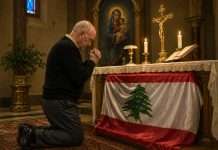
يا مار نقولا العجائبي،أيها الأسقف المملوء رحمة وغيرة،يا من أحببت الفقراء، ودافعت عن المظلومين،وكنت شفيع البحارة والمسافرين والأطفال،أنظر إلى لبنان اليوم،هذا الوطن الجريح الذي تُمزّقه الحروب والاحتلالات،وتنهشه قوى الظلام والفساد. نتضرّع إليك في ذكراك المقدّسة،أن ترفع شفاعتك إلى الرب يسوع،فتمنح هذا الوطن خلاصاً وسلاماً،وتعيد لشعبه الحرية والكرامة،وتحمينا من الظلم، من السلاح غير الشرعي،ومن كل يد تمتدّ لتسرق مستقبل أولادنا.
يا مار نقولا،أشرق بنعمتك على أرض الأرز،واعضد الكنيسة المارونية وسائر الكنائس،واحفظ أبناء لبنان المنتشرين في العالم.واجعل من عيدك بشارة رجاءٍ جديد في وطن نترجّى قيامته.
آمين.
**الكاتب ناشط لبناني اغترابي
عنوان الكاتب الألكتروني
Phoenicia@hotmail.com
رابط موقع الكاتب الالكتروني على الإنترنت
https://eliasbejjaninews.com
**ملاحظة/بعض الكنائس تحتفل بعيد القديس نقولا العجائبي في 19 كانون الأول، فيما الكنيسة المارنية وكثر من الكنائس الأخرى تحتفل بعيده في السادس من كانون الأول من كل سنة.
**المعلومات الواردة في هذه لدراسة منقولة عن العديد من المراجع الكنسية والاهوتية والبحثية والإعلامية الموثقة
Ecclesiastical Study on the Life of Saint Nicholas the Wonderworker
Elias Bejjani/December 06/ 2025
Today, December 6, the Church celebrates the annual feast of Saint Nicholas the Wonderworker. Who is he, and what is the story of his ecclesiastical and spiritual life?
First: Who Is Saint Nicholas the Wonderworker?
Saint Nicholas the Wonderworker (St. Nicholas of Myra) is one of the most renowned saints in both Eastern and Western Churches, and among the most prominent figures in global Christian consciousness. He was known for holiness, generosity, miracles, and his defense of the true faith. His title “the Wonderworker” comes from the many miracles attributed to him during his life and after his repose. He is the patron saint of sailors, merchants, children, and captives. His life entered Western Christian tradition as well, and he eventually became the inspiration for the figure of “Santa Claus.”
Second: His Original Name, Family, and Homeland
Name: Nicholas (Νικόλαος in Greek), meaning “victory of the people” or “he who triumphs for the people.”
Origin and Family: He came from a devout Christian Greek family.
Homeland: He was born in the city of Patara in the region of Lycia in southern Anatolia (modern-day Turkey), an important early Christian center.
Third: His Birth and Historical Context
He was born between 260–270 AD in Patara, during the period of pagan persecutions against Christians.
He grew up in a wealthy yet pious household, and his parents dedicated their wealth to serving the poor.
Fourth: His Ecclesiastical Life and Ministry
From a young age, he was inclined toward piety and asceticism. After the death of his parents, he secretly distributed much of his inheritance to the needy. His uncle, the Bishop of Patara, ordained him a deacon and later a priest. After the death of the Bishop of Myra, the clergy and faithful chose Nicholas as their bishop—thus becoming Nicholas of Myra the Wonderworker. He became known for wise leadership, reforming corrupt clergy, and safeguarding the orthodox teachings of the faith.
Fifth: His Faith and Christian Formation
Saint Nicholas was raised in a devout Christian environment. From childhood, he was called “the holy boy” for his commitment to prayer, fasting, and helping the poor. He participated in the First Council of Nicaea in 325 AD, where he defended the divinity of Christ against the teachings of Arius. Tradition recounts that he even struck Arius in defense of the true doctrine.
Sixth: His Works and Miracles
Many miracles and acts of mercy are attributed to Saint Nicholas, including: Saving three impoverished young women from a life of immorality by secretly providing their dowries, Calming a storm at sea and rescuing sailors—thus known as “Patron of Sailors,” Healing the sick and raising the dead, according to ecclesiastical tradition, Saving three soldiers from execution by proving their innocence, Miraculously providing grain to feed the people of Myra during a famine, Casting out demons from those afflicted by evil. For these reasons, he is called “the Wonderworker” in Eastern Churches.
Seventh: His Personal and Spiritual Qualities
Saint Nicholas was loved by the faithful for his: Mercy and generous charity, especially in secret giving, Zeal for the true faith and uncompromising defense of orthodoxy, Humility and asceticism despite being born into wealth, Spiritual courage in confronting unjust rulers, Wisdom in shepherding his flock andTender love for children—an image that remains alive today.
Eighth: His Death—Was He Martyred?
Although he endured imprisonment and torture during Emperor Diocletian’s persecution (303–311 AD), Saint Nicholas was not martyred.
He died a natural death in 343 AD in the city of Myra.
He was buried in his church, which became a shrine known for healing and miracles.
In 1087, his relics were transferred to Bari, Italy, where they remain today.
Thus, he is not a martyr, but a confessor of the faith for enduring suffering for Christ.
Ninth: Was He Clergy, Civil, or Military?
Saint Nicholas was entirely a man of the Church: Deacon, Priest, Bishop of Myra. He held no civil or military roles.
Tenth: Lebanese Traditions Celebrated on His Feast (December 6)
Lebanese Christians maintain ancient customs associated with Saint Nicholas: Special liturgies in Maronite, Greek Catholic, and Greek Orthodox churches, Distribution of sweets to children in memory of his generosity, Family visits, reconciliation, and acts of kindness, Lighting candles for the sick and seeking his intercession, Maritime rituals in some coastal villages, as he is the patron of sailors, and Large celebrations and extended liturgies in Sidon, where he is the patron saint of the city
Eleventh: Churches Named After Him in Lebanon
Lebanon has many churches and monasteries dedicated to Saint Nicholas, including:
*In Beirut: St. Nicholas Greek Orthodox Cathedral – Achrafieh, St. Nicholas Greek Catholic Church – Msaytbeh
*In Mount Lebanon: St. Nicholas – Antelias, St. Nicholas Monastery – Ballouneh,St. Nicholas – Dekwaneh,St. Nicholas – Shweir, St. Nicholas – Aley
*In the North: St. Nicholas – Tripoli, St. Nicholas – Kousba, St. Nicholas – Ehden,St. Nicholas – Tannourine.
*In the South: St. Nicholas Cathedral – Sidon, St. Nicholas – Jezzine, St. Nicholas – Maghdousheh.
*In the Bekaa: St. Nicholas – Rachaya, St. Nicholas – Zahle.
The list is long, as Saint Nicholas is among the most widely venerated saints in Lebanon.
A Prayer for Occupied Lebanon on the Feast of Saint Nicholas the Wonderworker
O Saint Nicholas the Wonderworker, merciful and zealous bishop, lover of the poor, defender of the oppressed, patron of sailors, travelers, and children— look upon Lebanon today, this wounded nation torn by wars and occupations, devoured by the forces of darkness and corruption. We beseech you on your holy feast to lift your intercession to the Lord Jesus, granting this nation salvation and peace, restoring to its people freedom and dignity, and protecting us from injustice, from unlawful weapons, and from every hand that steals the future of our children.
O Saint Nicholas, shine your grace upon the land of the Cedars, strengthen the Maronite Church and all churches, and protect the sons and daughters of Lebanon scattered across the world. Let your feast be a herald of new hope for a homeland whose resurrection we await.
Amen.
**Note: Some churches celebrate the feast of Saint Nicholas on December 19, while the Maronite Church and many others celebrate it on December 6 each year.
**The information in this study is cited from various documented ecclesiastical, theological, research, and media references.