الجدل العالمي حول الهجرة لا يهدأ
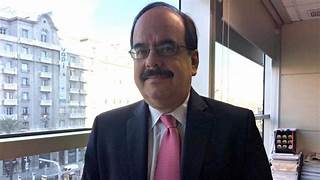
السفير ألبرتو م. فرنانديز/إنترناشيونال كاثوليك ريجستر/ 19 شباط/ 2026
The Global Debate on Immigration Isn’t Cooling Down
Alberto M. Fernandez /International Catholic Register/February 19, 2026
COMMENTARY: Recent events in Spain, South Africa and Kuwait have underscored the scope of the challenge and the seemingly intractable nature of issues surrounding immigration, citizenship and national identity.
In early 2026 one would have thought that America — maybe even Minneapolis — was the capital of the globe. News of clashes and two deaths at anti-ICE actions in Minnesota circled the globe and, especially in Western Europe, became staples of progressive discourse.
Some observers noted that the turmoil in America over immigration, and the two activists killed by government agents, seemed like a bigger issue than the tens of thousands of protesters killed by the Iranian regime over the same period.
Americans and American Catholics may think that the immigration issue is a particularly American crisis. Catholic bishops in the U.S. have spoken out repeatedly on the issue in recent months, most recently decrying last month “the current climate of fear and polarization, which thrives when human dignity is disregarded.”
But recent events in Spain, South Africa and Kuwait have underscored the global scope of the challenge and the seemingly intractable and explosive nature of issues surrounding immigration, citizenship and national identity.
In Spain, socialist Prime Minister Pedro Sánchez garnered progressive applause worldwide when he announced that he would regularize the status of 500,000 illegal migrants currently in his country. Estimates are that, including dependents, the number may be closer to 1.35 million people. Sánchez made the announcement without clearing it with the European Union.
The move was particularly applauded by Sánchez’s allies, like former Equality Minister Irene Montero, who asserted that “I hope so, great replacement theory, I hope we can sweep this country clean of right-wingers and racists with migrant people.”Montero made the statement right before regional elections in Aragon, which saw her party and Sánchez’s Socialist Workers Party decimated at the ballot box by right-wing parties on Feb. 8. According to the Madrid daily El Español, 67% of all Spaniards reject the “regularization” initiative. Among the young (age 17-35), it was rejected by 89.3%. A sizeable majority (69%) thought that the government’s move will worsen the labor market and bring about even more illegal immigration. And 41% believed that the goal is to replace citizens with foreigners.
Even before the latest announcement, Sánchez had already regularized 1.4 million foreigners, and 1 million more of them will be eligible to vote in 2027 than did in the 2023 elections that Sánchez lost (but was able to keep power by making deals with separatist regional parties).
If the Spanish are unhappy about immigration, so is King Misuzulu Sinqobile kaZwelithini of the Zulus. On Feb. 1, the hereditary Zulu king in South Africa, a powerful traditional position among that 12-million-strong community, triggered a national backlash when he not only called for foreigners to leave the country but also used a highly offensive term to describe the millions of foreign migrants who have come to South Africa from neighboring countries.
South African President Cyril Ramaphosa on Feb. 12 called illegal immigration “a risk to the country’s security and economic stability.” Both Spain and South Africa have extremely high levels of youth unemployment, 26.6% and 46%, respectively.
While the turmoil in Spain and South Africa point to popular unrest on the issue, in Kuwait it is the government that is taking steps on citizenship unheard of in any Western country. Kuwaiti citizens are a minority in their own country (the same is true in most Arab Gulf states), making up only 32% of the population. A citizen is entitled to many privileges in the oil-rich state, while foreign guest workers have few rights.
In 1991, the Kuwaiti government expelled hundreds of thousands of Palestinians, many of whom had been born and lived in Kuwait for decades, when the Palestine Liberation Organization (PLO) favored Saddam Hussein in the 1990-1991 war. Kuwait also expelled many members of its own illegal migrant community, the so-called “Bidoon” (Bedouin, the word means “without” in Arabic, as in “without nationality”) from Iraq and Syria. But Kuwait’s latest actions since 2024 are different. Since that date, the government has withdrawn Kuwaiti citizenship from an estimated 3% of its citizens (50,000 out of 1.5 million). Some observers say that the actual number could be far higher, as much as a quarter of a million. Among those who have had their citizenship revoked have been prominent figures, such as famous soccer star Ahmed Al-Tarabulsi, and even the serving Kuwaiti ambassador to the United Kingdom, Badr Mohammed Al-Awadhi. The legal grounds for revocation or denaturalization have been various: that citizenship was acquired initially under false pretenses or through corruption; that the citizen holds other passports, or because of actions deemed against the best interests of the Kuwaiti state. One in the latter category seems to have been radical Islamist Tareq Al-Suwaidan, a highly influential figure in regional extremist circles. He is now a former Kuwaiti citizen. Ironically, the fiercely anti-American Al-Suwaidan has an American-citizen daughter at Harvard. Mafaz Al-Suwaidan was born in Oklahoma when her father studied there.
The Kuwaiti policy shift saves money, roots out corruption, and sharpens and reshapes the Kuwaiti identity. It seems to be more controversial, or at least treated more negatively, outside Kuwait than within. The country has been harshly condemned by various international human-rights groups for the decision.
Do Zulus or Kuwaitis have an inherent right to a specific identity? Do they have a right not to be overwhelmed and to take drastic actions in protecting their identity? Can they also do this — as seems to be at least partially the case in Kuwait — to save money? And how do these principles apply, if at all, to Western countries like Spain or the United States? Kuwaitis are Muslims, but the South Africans and Spaniards are Christians. The temperature seems to have dropped in Minneapolis, and that is something to be grateful for, but the larger questions of migration, citizenship, legality and identity aren’t going away.
الجدل العالمي حول الهجرة لا يهدأ
السفير ألبرتو م. فرنانديز/إنترناشيونال كاثوليك ريجستر/ 19 شباط/ 2026
(ترجمة إلى العربية بحرية بواسطة ناشر موقع المنسقية الياس بجاني بالإستعانة الكبيرة بمواقع ترجمة ألكترونية)
أكدت الأحداث الأخيرة في إسبانيا وجنوب إفريقيا والكويت حجم التحدي والطبيعة المستعصية على ما يبدو للقضايا المحيطة بالهجرة والمواطنة والهوية الوطنية.
في أوائل عام 2026، كان المرء ليظن أن أمريكا — وربما مينيابوليس تحديداً — هي عاصمة العالم. فقد طافت أنباء الاشتباكات ومقتل شخصين خلال احتجاجات ضد وكالة إنفاذ قوانين الهجرة والجمارك (ICE) في مينيسوتا أرجاء المعمورة، وأصبحت، خاصة في أوروبا الغربية، مادة أساسية في الخطاب التقدمي.
لاحظ بعض المراقبين أن الاضطرابات في أمريكا بسبب الهجرة، ومقتل الناشطين على يد قوى امنية حكوميين، بدت وكأنها قضية أكبر من عشرات الآلاف من المتظاهرين الذين قتلهم النظام الإيراني خلال الفترة نفسها.
قد يعتقد الأمريكيون والكاثوليك الأمريكيون أن قضية الهجرة هي أزمة أمريكية بامتياز. وقد تحدث الأساقفة الكاثوليك في الولايات المتحدة مراراً وتكراراً حول هذا الموضوع في الأشهر الأخيرة، وكان آخرها تنديدهم الشهر الماضي بـ “مناخ الخوف والاستقطاب الحالي، الذي يزدهر عندما يتم تجاهل الكرامة الإنسانية”.
لكن الأحداث الأخيرة في إسبانيا وجنوب إفريقيا والكويت أكدت النطاق العالمي لهذا التحدي، والطبيعة الانفجارية والمستعصية للقضايا المتعلقة بالهجرة والمواطنة والهوية الوطنية.
في إسبانيا، نال رئيس الوزراء الاشتراكي بيدرو سانشيز تصفيقاً تقدمياً في جميع أنحاء العالم عندما أعلن أنه سيقوم بتسوية أوضاع 500,000 مهاجر غير شرعي متواجدين حالياً في بلاده. وتشير التقديرات إلى أن العدد، بما في ذلك الذين يحق لهم الإنتخاب، قد يقترب من 1.35 مليون شخص. وقد أصدر سانشيز هذا الإعلان دون التنسيق مع الاتحاد الأوروبي. وقد حظيت هذه الخطوة بإشادة خاصة من حلفاء سانشيز، مثل وزيرة المساواة السابقة إيرين مونتيرو، التي أكدت قائلة: “آمل ذلك، نظرية الاستبدال العظيم، آمل أن نتمكن من تطهير هذا البلد من اليمينيين والعنصريين بواسطة المهاجرين”.
أدلت مونتيرو بهذا التصريح قبيل الانتخابات الإقليمية في أراغون، والتي شهدت سحق حزبها وحزب العمال الاشتراكي الذي يتزعمه سانشيز في صناديق الاقتراع من قبل أحزاب اليمين في 8 فبراير.
وفقاً لصحيفة “إل إسبانيول” المدريدية، فإن 67% من الإسبان يرفضون مبادرة “تسوية الأوضاع”. وبين الشباب (من سن 17 إلى 35 عاماً)، بلغت نسبة الرفض 89.3%. ورأت أغلبية كبيرة (69%) أن خطوة الحكومة ستؤدي إلى تفاقم وضع سوق العمل وتجلب المزيد من الهجرة غير الشرعية. كما اعتقد 41% أن الهدف هو استبدال المواطنين بالأجانب.
وحتى قبل الإعلان الأخير، كان سانشيز قد قام بالفعل بتسوية أوضاع 1.4 مليون أجنبي، وسيكون مليون إضافي منهم مؤهلين للتصويت في عام 2027 مقارنة بانتخابات 2023 التي خسرها سانشيز (لكنه تمكن من الاحتفاظ بالسلطة من خلال عقد صفقات مع الأحزاب الإقليمية الانفصالية).
وإذا كان الإسبان غير راضين عن الهجرة، فإن الملك ميسوزولو سينكوبيلي كازويليثيني، ملك الزولو، يشاطرهم هذا الشعور. ففي الأول من فبراير، أثار ملك الزولو الوراثي في جنوب إفريقيا — وهو منصب تقليدي قوي وسط مجتمع يضم 12 مليون نسمة — رد فعل وطني عنيفاً عندما لم يكتفِ بالمطالبة برحيل الأجانب من البلاد، بل استخدم أيضاً مصطلحاً مسيئاً للغاية لوصف ملايين المهاجرين الأجانب الذين قدموا إلى جنوب إفريقيا من الدول المجاورة.
ووصف رئيس جنوب إفريقيا سيريل رامافوزا في 12 فبراير الهجرة غير الشرعية بأنها “خطر على أمن البلاد واستقرارها الاقتصادي”. يذكر أن كلاً من إسبانيا وجنوب إفريقيا تعانيان من مستويات مرتفعة للغاية من بطالة الشباب، حيث تبلغ 26.6% و46% على التوالي.
وبينما تشير الاضطرابات في إسبانيا وجنوب إفريقيا إلى اضطراب شعبي حول هذه القضية، فإن الحكومة في الكويت هي التي تتخذ خطوات بشأن المواطنة لم يسمع بها في أي دولة غربية. يمثل المواطنون الكويتيون أقلية في بلدهم (وهو حال معظم دول الخليج العربي)، حيث يشكلون 32% فقط من السكان. ويتمتع المواطن بالعديد من الامتيازات في الدولة الغنية بالنفط، بينما يتمتع العمال الوافدون بحقوق قليلة.
في عام 1991، طردت الحكومة الكويتية مئات الآلاف من الفلسطينيين، الذين ولد وعاش الكثير منهم في الكويت لعقود، عندما انحازت منظمة التحرير الفلسطينية إلى صدام حسين في حرب 1990-1991. كما طردت الكويت العديد من أفراد مجتمع المهاجرين غير الشرعيين، ومنهم من يوصف بـ “البدون” (وتعني بدون جنسية) من العراق وسوريا.
لكن إجراءات الكويت الأخيرة منذ عام 2024 تبدو مختلفة. فمنذ ذلك التاريخ، سحبت الحكومة الجنسية الكويتية من حوالي 3% من مواطنيها (50,000 من أصل 1.5 مليون). ويقول بعض المراقبين إن العدد الفعلي قد يكون أعلى بكثير، وقد يصل إلى ربع مليون شخص. ومن بين الذين سُحبت جنسياتهم شخصيات بارزة، مثل نجم كرة القدم الشهير أحمد الطرابلسي، وحتى سفير الكويت لدى المملكة المتحدة، بدر محمد العوضي.
تعددت المسوغات القانونية لإسقاط الجنسية أو سحبها: فمنها أن الجنسية اكتسبت في البداية بناءً على ادعاءات كاذبة أو من خلال الفساد؛ أو أن المواطن يحمل جوازات سفر أخرى، أو بسبب أفعال تعتبر ضد المصالح العليا للدولة الكويتية. ويبدو أن الإسلامي الراديكالي طارق السويدان، وهو شخصية مؤثرة للغاية في الدوائر المتطرفة الإقليمية، يندرج تحت الفئة الأخيرة؛ فهو الآن مواطن كويتي سابق. ومن المفارقات أن السويدان، المناهض بشدة لأمريكا، لديه ابنة تحمل الجنسية الأمريكية تدرس في جامعة هارفارد؛ حيث ولدت مفاذ السويدان في أوكلاهوما عندما كان والدها يدرس هناك.
يؤدي هذا التحول في السياسة الكويتية إلى توفير المال، واجتثاث الفساد، وتدقيق وإعادة تشكيل الهوية الكويتية. ويبدو أن هذا التوجه يثير جدلاً أكبر، أو على الأقل يُعامل بسلبية أكبر، خارج الكويت مقارنة بداخلها. وقد تعرضت البلاد لإدانات شديدة من قبل منظمات دولية مختلفة لحقوق الإنسان بسبب هذا القرار.
فهل يملك الزولو أو الكويتيون حقاً متأصلاً في هوية محددة؟ وهل لديهم الحق في ألا تكتسحهم الديموغرافيا وفي اتخاذ إجراءات صارمة لحماية هويتهم؟ وهل يمكنهم فعل ذلك أيضاً — كما يبدو الحال جزئياً في الكويت — لتوفير المال؟ وكيف تنطبق هذه المبادئ، إن كانت تنطبق أصلاً، على الدول الغربية مثل إسبانيا أو الولايات المتحدة؟ الكويتيون مسلمون، لكن الجنوب أفريقيين والإسبان مسيحيون. يبدو أن حدة التوتر قد انخفضت في مينيابوليس، وهذا أمر يستحق الامتنان، لكن الأسئلة الأكبر المتعلقة بالهجرة والمواطنة والقانون والهوية لن تختفي.
ألبرتو م. فرنانديز هو دبلوماسي أمريكي سابق ومساهم في شبكة EWTN الإخبارية.