La déconstruction d’un ordre mondial qui se défait
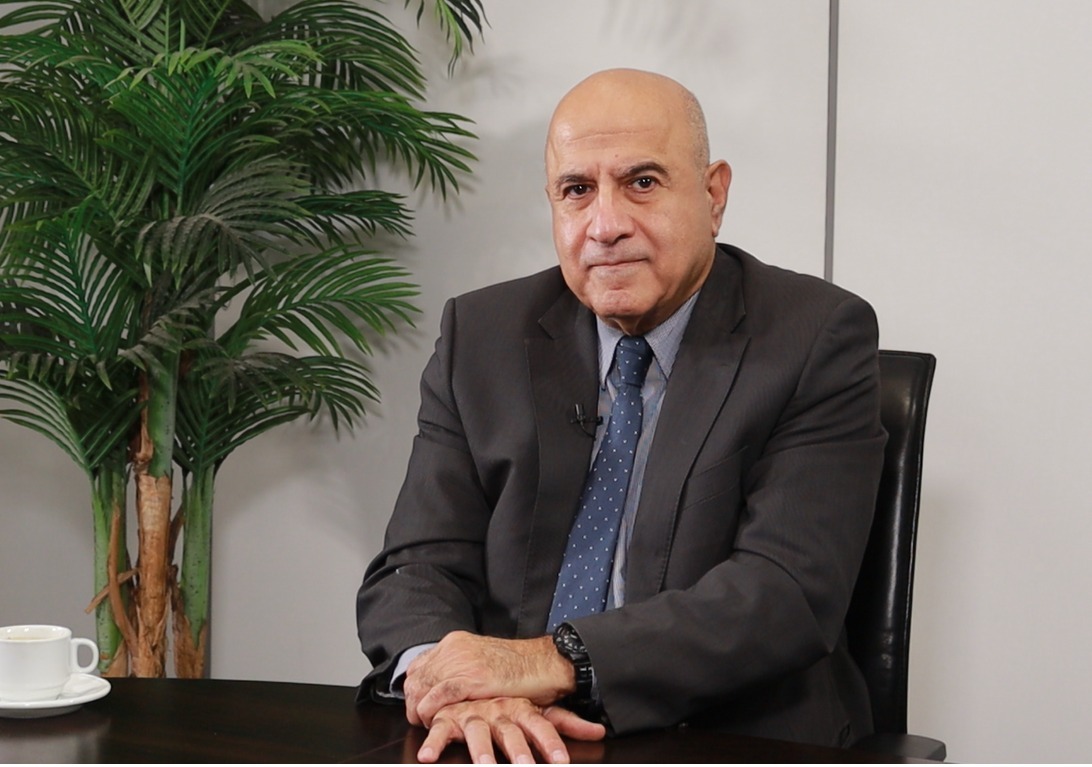
Dr. Charles Elias Chartouni/This Is Beirut/January 23/2026
The deconstruction of a world order that is falling apart
Dr. Charles Elias Chartouni/This Is Beirut/January 23/2026
تفكيك نظام عالمي يتهاوى
د. شارل إلياس شرتوني/موقع هذه بيروت/23 كانون الثاني/2026
(ترجمة من الإنكليزية بحرية بواسطة الياس بجاني)
تتطور أزمة الحياة الدولية بوتيرة متسارعة منذ نهاية الحرب الباردة، وهي أزمة تتسم بتراجع الثنائية القطبية، وبروز تعددية قطبية ذات تحولات متغيرة، و”توحّش” العالم إثر فشل الدول، وهشاشة النظام الدولتي، وصعود الإرهاب الإسلاموي، وانهيار التوافقات داخل الديمقراطيات في عالم تغير فيه الهجرات الجماعية المتغيرات الديموغرافية وتشكك في الأسس المعيارية (الناموسية) للديمقراطيات، فضلاً عن ترهل النموذج “ما بعد الدولتي” الذي يجسده الاتحاد الأوروبي. يُضاف إلى ذلك قصور الفضاء القانوني والحوكمة التنظيمية، اللذين وُضعا موضع تساؤل بسبب غياب “سردية كبرى” (Méta-narrativité) وركيزة أنثروبولوجية معترف بها بالإجماع.
إن “الوطنية الدستورية” (Verfassungspatriotismus)، على أهميتها، لا يمكنها العمل بمفردها في غياب “مجتمع القيم” (Sittlichkeit)، مما يضعف “الجمهورية الإجرائية” ويشكك في حيادها المبدئي (اللاأدري). إن العودة القوية للهويات الصلبة ليست وليدة الصدفة، بل تنبع من الخوف أمام فراغ يسائل النموذج الحضاري وتجلياته السياسية والمدنية، لصالح جمهورية إجرائية تفتقر إلى مرجعية معيارية. فبينما يعيد اليمين، بتياراته المتعددة، تأكيد أولوية الهويتين الحضارية والوطنية، يعاني اليسار من فقدان السردية منذ نهاية العصر الصناعي وتقادم الإرث الاشتراكي. وقد أعادت الهجرات الجماعية، التي تتقدم بشكل غير منظم، تشكيل الديناميكيات السياسية عند تقاطع الداخل بالخارج.
كانت التوافقات الأيديولوجية التي بني عليها النظام السياسي الغربي تستند إلى دعائم متعددة، في حين أن الواقع السياسي الناشئ اليوم يتحدى القواعد الإجرائية ورؤى العالم التي جعلتها ممكنة. علاوة على ذلك، فإن المؤسسات السياسية الدولية التي أسستها الولايات المتحدة في أعقاب الحرب العالمية الثانية ليست سوى انعكاسات مباشرة للديمقراطية الليبرالية، بينما الوافدون الجدد بعيدون كل البعد عن الالتزام بالعقيدة الديمقراطية والليبرالية، وبالسردية الكبرى للميثاق العالمي لحقوق الإنسان ومصادره المعيارية. وهكذا، يتم تقويض النظام الدولي لصالح سرديات معادية للديمقراطية الليبرالية والثقافات السياسية والقانونية المنبثقة عنها.
وفي محاولة لتوصيف النموذج الأوروبي الناشئ، تحدث عالم السياسة السوري-الألماني بسام طيبي عن “أوروبا بلا هوية” (Europa ohne Identität)، حيث يؤدي الانصهار الثقافي الذي تروج له “تعددية ثقافية” غير نقدية (Multikulti) في نهاية المطاف إلى خلق ظروف حرب أهلية، هي “حرب الكل ضد الكل”. إن النظام الليبرالي والديمقراطي، كي يعمل، يتطلب توافقات قوية ومؤسسات صلبة لتحصين نفسه ضد سياسات التخريب الناتجة عن الهجرات الجماعية غير المنظمة، والإسلاموية المسلحة، وفشل المواطنة في “الفضاءات العامة العارية” (Naked Public Square)، والعودة القوية للأنظمة الشمولية “الشيوعية المستترة”، وإعادة ظهور “الزعماء المنقذين”.
إن التشكيك في العقيدة الليبرالية يتم في ظل هذه الانهيارات المجتمعة. ومن ناحية أخرى، ساهمت تقلبات النيوليبرالية الاقتصادية، وهيمنة الاقتصاد المالي، وإعادة هيكلة الاقتصاد والطيف المهني، في تفكك النسيج الاقتصادي والاجتماعي وشككت في إمكانية إعادة تكوينه. لقد أصبحت الأمم المتحدة الآن تكتلاً لدول تباعدت فيها موازين القوى والروابط القانونية وتشوّهت بعمق. وهي تعمل اليوم كحلبة لصراعات القوى التي تتعارض تماماً مع المصادر المعيارية لـ “عصبة الأمم” هذه، وجذورها في “القانون الطبيعي” (Jus Naturalis) وتفرعاته.
إن الخلافات بين الولايات المتحدة وأوروبا تعود إلى ما قبل حقبة ترامب بكثير؛ فهي تندرج في إطار إخفاقات المجتمع عبر الأطلسي، حيث تخلت أوروبا عن التزاماتها بينما تحملت الولايات المتحدة تكلفة التحالف. وتجد أوروبا نفسها اليوم يدركها واقع أمريكا القوية بخياراتها وقدراتها الاستراتيجية والعسكرية، وهو واقع يتردد صداه داخل المجتمعات الأوروبية المنقسمة بشدة، حيث تلتقي الانقسامات السياسية مع انقسامات اليمين القومي الأمريكي. نحن إذاً أمام مشهد سياسي “هلامي” يتطور على هامش المؤسسات القائمة، وسينتهي به الأمر إلى توليد ديناميكيات سياسية ومؤسسية بديلة.
إن سيادة الدبلوماسيات الشخصية، والتكوين الأمني الجديد الذي يطرحه الرئيس ترامب (مجلس السلام)، وسياسة التعديلات الجمركية وتوظيفها السياسي، تقابلها سياسة التخلي عن الاستثمار الأمني والاستراتيجي من قبل أوروبا التي خفضت التزاماتها في هذا المجال إلى الحد الأدنى. لقد أعاد “الإنذار الأوكراني”، والتهديد الإرهابي الإسلاموي العابر للحدود، والثغرات في التحصين الاستراتيجي – حالة منطقة القطب الشمالي وجرينلاند بشكل خاص – دفع أمريكا نحو ديناميكية إمبراطورية جديدة. في هذه الديناميكية، يحل العمل على التحصين الجيوسياسي والترابط العابر للحدود والتدخلية الانتقائية محل ثقل الأمم المتحدة وتواطؤاتها المتعددة، ومحل التباسات الجماعة الأوروبية الغارقة في مرجعية ذاتية تقنوقراطية مختلة تروج لحياد قيمي زائف.
إن مرحلة ترامب ستمر، لكن الأسئلة التي أثارتها ستبقى، وستكون موضوعاً لإعادة هيكلة شاملة لمؤسسات الحياة الدولية وما يقابلها على المستوى المحلي. تكشف هذه الأزمة المتعددة الأبعاد عن الفجوات والمسكوت عنه في نظام سياسي يتطور انطلاقاً من جهل بالواقع والتمثيلات الأيديولوجية التي كانت وراء نشأته. إن الانتشار المفاجئ للقوات الأوروبية في أراضي جرينلاند يمثل خطوة متأخرة لكنها في الاتجاه الصحيح، غير أنها تترك سؤال هيكلية التحالف الجديد عبر الأطلسي معلقاً. علاوة على ذلك، يجب إعادة التفكير في مسألة الأمم المتحدة بالكامل انطلاقاً من المخطط “الكانطي” وهندسة نظام دولي بديل. إن الإرادة السياسية للرئيس ترامب تسلط الضوء على الإخفاقات الأمنية والاستراتيجية، وعلى ضرورة مواجهة التحديات الشمولية التي يمثلها “توحش العالم”، وانتشار الجريمة المنظمة، وانبعاث الأيديولوجيات والممارسات الشيوعية المستترة، وهيكلة “إسلام شمولي” عنيف ومتحلل من القيود.
The deconstruction of a world order that is falling apart
Dr. Charles Elias Chartouni/This Is Beirut/January 23/2026
The crisis of international life has been evolving at an accelerated pace since the end of the Cold War, marked by the decline of bipolarity, the emergence of multipolarity to mutant declines, the wilding of the world following the bankruptcy of states, the fragile state order, the rise of Islamic terrorism, the collapse consensus within democracies in a world where mass migrations alter demographic variables and challenge the nomothetical foundations of democracies, as well as the decline of the post-state model embodied by the European community. Added to it are the inadequacies of the legal space and regulatory governance, challenged by the absence of a meta-narrative and a unanimously recognized anthropological base.
Constitutional patriotism (Verfassungspatriotismus), although important, cannot function alone in the absence of a community of values (Sittlichkeit), which weakens the institutional republic and calls into question its agnosticism of principle. The return of strong identities is not a result of chance: it comes from fear of a vacuum that questions the civilized model and its political and civic modulations, in favor of a procedure republic devoid of a normative anchor. The right, in its multiple variants, reaffirms the priority of civilized and national identities, while the left has been in a bad narrative since the end of the industrial era and the obsolescence of the socialist repertoire. Mass migrations, which are progressing disorganized, have reconfigured political dynamics at the intersection of outside and inside.
The ideological consensus around which the Western political order has been structured benefited from multiple layers, while emerging political realities challenge the procedures and worldviews that made them possible. Besides, the international political institutions established by the United States after World War II are only direct emanations of liberal democracy, while the newcomers are far from adhering to the democratic and liberal creed and to the meta-narrative of the Universal Charter of Rights of man and his normative sources. The international order is thus subverted to the benefit of defending narratives of liberal democracy and the political and legal cultures that emerge from it.
Seeking to classify the emerging European model, Syro-German political scientist Bassam Tibi spoke of a “Europe without identity” (Europa ohne Identität), where cultural indifferentiation promoted by unproblematic multiculturalism (Multikulti) eventually creates the conditions for a civil war, the one of all-against-all war. The liberal and democratic order, to be able to operate, requires strong consensus and strong institutions to prevent the subversion policies generated by massive and unregulated migrations, militant Islamism, the failures of civility in naked public spheres (Naked Public Square), the return in force Cryptocommunist totalitarianisms and the re-emergence of provisional politicians.
The challenge of the liberal creed operates in favor of these conjugal slavery. Among other things, the avenues of economic neoliberalism, the predominance of the financial economy and the restructuring of the economy and the professional spectrum have encouraged the deagregistration of economic and social fabrics and questioned their possibility of recomposition. The UN is now a conglomerate of States where relations of strength and legal links are distanced and deeply distorted. Today it serves as an arena for power struggles that contradict in all aspects the norms of this “Society of Nations” and its anchoring in natural law (Jus Naturalis) and its modulations.
The differences between the United States and Europe go far beyond the Trump era; they are part of the failures of the transatlantic community, where Europeans disregarded their obligations while the U.S. supported the cost of the transAtlantic alliance. Europe is being caught up with a strong America of its choices and strategic and military capabilities, echoing in deeply divided European corporations, where political divisions join those of the American nationalist right. We are thus facing an ectoplasmic political scene that is developing on the margin of the institutions in place and will eventually generate alternative political and institutional dynamics.
The prevalence of personal diplomacy, the new security configuration envisaged by President Trump (the Peace Council), the policy of tariff modulations and their political instrumentalization are hampered by the security and strategic deinvestment policy of Europe that has minimized its commitments to the field. The Ukrainian alert, the ubiquity of the Islamic terrorist threat, and failing strategic sanctuaries – the case of the Arctic and Greenland in particular – have resurrected America into a new imperial dynamic, where the work of geopolitical sanctuaries, transnational mesh, and electoral interventionism is being replaced by the burden and multiple complications of the UN, as well as the equivocals of a European community engulfed in dysfunctional technocratic self-referentiality professing axiological pseudo-neutrality.
Trump’s interlude will pass, but the questions he raised will remain and will be subject to a structural reshuffle of the institutions of international life and their correlations at the domestic level. This multi-ramp crisis reveals the ins and outs of a political order that evolves from an ignorance of the realities and ideological representations behind it. The sudden deployment of European forces to the territories of Greenland is a quirky act in the right direction, but it leaves the question of the configuration of a new transatlantic alliance entirely. Besides, the issue of the UN must be completely rethought from the Kantian scheme and the architecture of an alternative international order. President Trump’s political voluntaryism highlights security and strategic failings, as well as the need to address totalitarian challenges of world savagery, the spread of organized crime, the resurgence of cryptocommunist ideologies and practices, and the structure of a violent and totalitarian Islam. uncomplicated.
La déconstruction d’un ordre mondial qui se défait
Dr. Charles Elias Chartouni/This Is Beirut/January 23/2026
La crise de la vie internationale évolue à un rythme accéléré depuis la fin de la guerre froide, marquée par le déclin de la bipolarité, l’émergence d’une multipolarité aux déclinaisons mutantes, l’ensauvagement du monde consécutif à la faillite des États, la fragilisation de l’ordre étatique, l’essor du terrorisme islamiste, l’effondrement des consensus au sein des démocraties dans un monde où les migrations de masse modifient les variables démographiques et remettent en question les fondements nomothétiques des démocraties, ainsi que l’affaissement du modèle post-étatique incarné par la communauté européenne. S’y ajoutent les insuffisances de l’espace de droit et de la gouvernance réglementaire, mises en cause par l’absence d’une méta-narrativité et d’un socle anthropologique unanimement reconnu.
Le patriotisme constitutionnel (Verfassungspatriotismus), quoique important, ne peut à lui seul fonctionner en l’absence d’une communauté de valeurs (Sittlichkeit), ce qui fragilise la république procédurale et remet en question son agnosticisme de principe. Le retour en force des identités fortes n’est pas un effet du hasard : il procède de la peur face à un vide qui interroge le modèle civilisationnel et ses modulations politiques et civiques, au profit d’une république procédurale dépourvue d’ancrage normatif. La droite, dans ses variantes multiples, réaffirme la priorité des identités civilisationnelle et nationale, tandis que la gauche est en mal de récit depuis la fin de l’ère industrielle et l’obsolescence du répertoire socialiste. Les migrations de masse, qui progressent de manière désordonnée, ont reconfiguré les dynamiques politiques à l’intersection de l’extérieur et de l’intérieur.
Les consensus idéologiques autour desquels s’est structuré l’ordre politique occidental bénéficiaient d’étayages multiples, alors que les réalités politiques émergentes contestent les règles procédurales et les visions du monde qui les ont rendus possibles. Par ailleurs, les institutions politiques internationales instituées par les États-Unis au lendemain de la Seconde Guerre mondiale ne sont que les émanations directes de la démocratie libérale, tandis que les nouveaux venus sont loin d’adhérer au credo démocratique et libéral, ainsi qu’à la méta-narrativité de la Charte universelle des droits de l’homme et à ses sources normatives. L’ordre international est ainsi subverti au bénéfice de récits pourfendeurs de la démocratie libérale et des cultures politiques et juridiques qui en émanent.
Cherchant à qualifier le modèle européen en émergence, le politologue syro-allemand Bassam Tibi parlait d’une « Europe sans identité » (Europa ohne Identität), où l’indifférenciation culturelle promue par un multiculturalisme non problématisé (Multikulti) finit par créer les conditions d’une guerre civile, celle de la guerre de tous contre tous. L’ordre libéral et démocratique, pour pouvoir opérer, requiert des consensus forts et des institutions solides afin de se prémunir contre les politiques de subversion générées par les migrations massives et non réglementées, l’islamisme militant, les défaillances du civisme dans des sphères publiques dénudées (Naked Public Square), le retour en force des totalitarismes cryptocommunistes et la réémergence des hommes politiques providentiels.
La contestation du credo libéral s’opère à la faveur de ces affaissements conjugués. Par ailleurs, les aléas du néolibéralisme économique, la prédominance de l’économie financière et les restructurations de l’économie et du spectre professionnel ont favorisé la désagrégation des tissus économique et social et mis en question leur possibilité de recomposition. L’ONU est désormais un conglomérat d’États où les rapports de force et les liens juridiques sont distanciés et profondément faussés. Elle sert aujourd’hui d’arène à des luttes de pouvoir qui contredisent en tous points les sources normatives de cette « Société des Nations » et son ancrage dans le droit naturel (Jus Naturalis) et ses modulations.
Les différends entre les États-Unis et l’Europe remontent bien au-delà de l’ère Trump ; ils s’inscrivent dans le cadre des défaillances de la communauté transatlantique, où les Européens se sont défaussés de leurs obligations tandis que les États-Unis endossaient le coût de l’alliance transatlantique. L’Europe se voit rattrapée par une Amérique forte de ses choix et de ses capacités stratégiques et militaires, qui font écho au sein de sociétés européennes profondément clivées, où les clivages politiques rejoignent ceux de la droite nationaliste américaine. Nous sommes ainsi face à une scène politique ectoplasmique qui se développe en marge des institutions en place et qui finira par générer des dynamiques politiques et institutionnelles alternatives.
La prévalence des diplomaties personnelles, la nouvelle configuration sécuritaire envisagée par le président Trump (le Conseil de la paix), la politique des modulations tarifaires et leur instrumentalisation politique font pendant à la politique de désinvestissement sécuritaire et stratégique d’une Europe ayant réduit au minimum ses engagements en la matière. L’alerte ukrainienne, l’ubiquité de la menace terroriste islamiste et les sanctuarisations stratégiques défaillantes – le cas de la zone arctique et du Groenland en particulier – ont relancé l’Amérique dans une nouvelle dynamique impériale, où le travail de sanctuarisation géopolitique, de maillage transnational et d’interventionnisme électif se substitue à la lourdeur et aux complicités multiples de l’ONU, ainsi qu’aux équivoques d’une communauté européenne engluée dans une autoréférentialité technocratique dysfonctionnelle et professant une pseudo-neutralité axiologique.
L’interlude Trump passera, mais les questions qu’il a suscitées demeureront et feront l’objet d’une refonte structurelle des institutions de la vie internationale et de leurs corrélats au niveau domestique. Cette crise aux ramifications multiples révèle les béances et les non-dits d’un ordre politique qui évolue à partir d’une méconnaissance des réalités et des représentations idéologiques qui en sont à l’origine. Le déploiement impromptu de forces européennes sur les territoires du Groenland constitue un acte décalé allant dans la bonne direction, mais il laisse entière la question de la configuration d’une nouvelle alliance transatlantique. Par ailleurs, la question de l’ONU doit être entièrement repensée à partir du schéma kantien et de l’architecture d’un ordre international alternatif. Le volontarisme politique du président Trump met en lumière des défaillances sécuritaires et stratégiques, ainsi que la nécessité de faire face aux défis totalitaires que représentent l’ensauvagement du monde, la propagation du crime organisé, la résurgence des idéologies et des pratiques cryptocommunistes, et la structuration d’un islam totalitaire, violent et décomplexé.