Spiritual & Historical Reflections on the Annual Feast of Saint Mar Matanios – The Hermit Mor Mattai
Elias Bejjani/January 17/2026
Who Is Saint Mar Matanios?
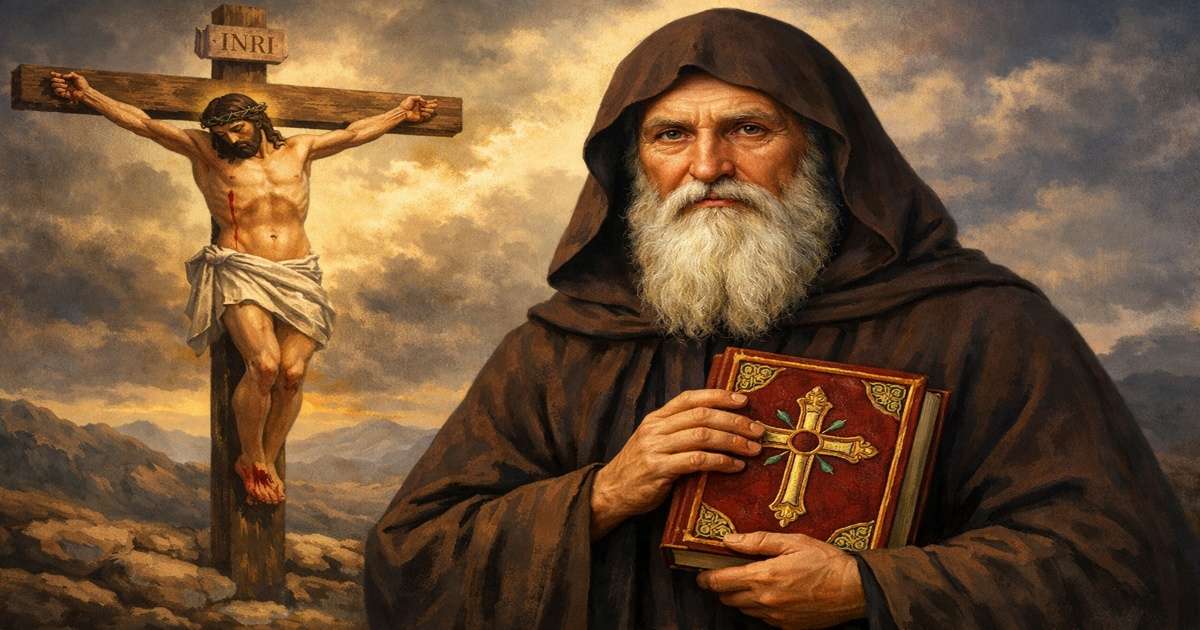
Saint Mar Matanios, known in the Syriac tradition as Mar Matthew the Hermit (Mor Mattai), is one of the pillars of Eastern monasticism in the fourth Christian century and the founder of the renowned Monastery of Mar Mattai near Nineveh. He is regarded as one of the great ascetics who contributed to strengthening the faith and spreading monastic life in the Church of the East. The Syriac and Maronite Churches commemorate his annual feast on January 17.
Historical Timeline and Biography
Year of birth: approximately the first quarter of the fourth century (c. 300–305 AD)
Place of birth: the city of Amida (Diyarbakir) in Mesopotamia
Social background: from a family of status and influence, in a non-Christian environment
Conversion to Christianity: in his youth, following a profound spiritual experience that led him to faith in Christ
Entrance into monastic life: around 330–335 AD
First place of ascetic life: the mountains and wilderness near Nineveh (present-day Iraq)
Foundation of the monastery: the nucleus of the Monastery of Mar Mattai around 363 AD, which later became a major monastic and spiritual center
Year of death: approximately 410–420 AD
Place of death: in his monastery near Nineveh
Recognition of sainthood (canonization): not by a conciliar decree as in the Latin concept, but by the consensus of the Church and living tradition since the fifth century; his name was included in the Syriac and Maronite Synaxaria
His Ascetic and Monastic Life
Mar Matanios chose the path of total renunciation, living a strict ascetic life of fasting and vigil, constant prayer, inner silence, obedience, and humility, rejecting all worldly glory. Many disciples gathered around him, and his ascetic experience developed into an organized monastic movement that became one of the foundations of Eastern Syriac monasticism.
His Miracles According to Church Tradition
The Synaxaria and spiritual biographies affirm that God glorified His saint through many miracles, most notably the healing of the sick from incurable physical illnesses, the casting out of evil spirits through prayer and the sign of the Cross, the protection of believers and monks during times of persecution and turmoil, and numerous miracles through his intercession after his death, especially for the sick and the weak. These miracles are understood as signs of the saint’s union with God, not as ends in themselves.
His Impact on Church and Monastic Life
Monastic impact:
The establishment of the model of communal monasticism in the East
The formation of generations of monks and bishops
The transformation of the Monastery of Mar Mattai into a spiritual and theological school
Ecclesial impact:
The strengthening of Christian faith in religiously diverse regions
The consolidation of Syriac spiritual and liturgical identity
The offering of a living witness of holiness that drew believers to the Church
What the Maronite Synaxarion Says About the Saint
The Maronite Synaxarion presents Saint Mar Matanios as a holy ascetic monk who abandoned wealth and worldly glory, dwelt in the wilderness out of love for Christ, founded a monastery that became a beacon of holiness, and became renowned for his powerful prayer and miracles. The Church celebrates his feast annually on January 17, highlighting his ascetic virtues and effective intercession.
The Relationship of Saint Mar Matanios with Lebanon
Although the saint’s life unfolded in Mesopotamia, his veneration reached Lebanon through the Syriac–Maronite tradition. This is manifested in churches bearing his name according to local tradition, ancient churches and monasteries dedicated to him in Mount Lebanon and the North, especially in areas influenced by Syriac heritage, as well as altars or side altars dedicated to him in some Maronite churches.
Monasteries:There is a spiritual bond between Maronite monasteries in Lebanon and Syriac monasticism that originated from the School of Mar Mattai. His name is mentioned in liturgical books and monastic biographies circulated in monasteries. It is worth noting that the spread of his name in Lebanon is primarily spiritual and liturgical rather than directly historical.
Asceticism, and love are the true path to the salvation of humanity and of nations
While, Saint Mar Matanios remains a witness that holiness shapes history, and that the ascetic monk can be a father to generations and nations. On his glorious feast, the Church renews her faith that prayer, asceticism, and love are the true path to the salvation of humanity and of nations.
A Prayer to Saint Mar Matanios for Lebanon
O Saint of God, Mar Matanios, you who knew the path of peace in the heart of the desert, and who made prayer a wall and a protection, we ask you today for wounded Lebanon: protect its people from wars and destruction, ward off every occupation, domination, and terrorism, bring an end to violence, killing, and corruption, and deliver it from all the forces of evil that have disfigured its face and suffocated its freedom.
Intercede, O Saint of God, that peace may return to the Land of the Cedars, that the state may rise in truth and justice, and that the Lebanese may live in dignity and security. Amen.
Clarifying Note: This text refers to Saint Mar Matanios (Mar Matthew the Hermit), founder of the Monastery of Mar Mattai near Nineveh in Mesopotamia, and should not be confused with Saint Matanios the Desert Dweller who lived in the Egyptian wilderness, as they are two distinct saints belonging to different ecclesial traditions.
NB: The information in this study is cited from various documented ecclesiastical, theological, research, and media references.