An Ecclesiastical Study on Saint Mar Ignatius of Antioch….Bishop of Antioch – Theophoros – Apostolic Father and Martyr
Elias Bejjani/December 20/2025
السيرة الذاتية للقديس مار اغناطيوس الإنطاكي…أسقف أنطاكية – حامل الله – من الآباء الرسوليّين – شهيد الإيمان
الياس بجاني/20 كانون الأول/2025
مقدمة
تحتفل الكنيسة الكاثوليكية، ولا سيّما الكنائس الشرقية الكاثوليكية، بعيد القديس مار اغناطيوس الإنطاكي في 20 كانون الأوّل من كل سنة، إحياءً لذكرى أحد أعظم آباء الكنيسة الرسوليّين، وشاهدٍ أمينٍ للمسيح سفك دمه في سبيل الإيمان. ويحتلّ هذا القديس مكانة مركزية في تاريخ الكنيسة الأولى، إذ جمع في شخصه بين العمق اللاهوتي، والقيادة الكنسية، والشهادة البطولية حتى الاستشهاد.
هوية القديس مار اغناطيوس الإنطاكي وسياقه التاريخي
القديس مار اغناطيوس الإنطاكي هو أحد آباء الكنيسة في أواخر القرن الأوّل وبداية القرن الثاني للميلاد. وُلد وعاش في مدينة أنطاكية، الواقعة في سوريا الحالية، وهي من أهم مراكز المسيحية الأولى، وفيها دُعي أتباع المسيح لأول مرة “مسيحيين”.
الإطار الزمني لحياته
وُلد اغناطيوس حوالي سنة 35 ميلادية، وعاش في زمن قريب جدًا من عصر الرسل، ما جعله حلقة وصل حيّة بين الجيل الرسولي والكنيسة الناشئة. وقد استُشهد حوالي 107–110 ميلادية في عهد الإمبراطور الروماني تراجان⁴.
وتشير التقاليد الكنسية القديمة إلى أنّه كان تلميذًا للرسل، ولا سيّما القديس يوحنا الحبيب، كما ارتبط اسمه بكرسي أنطاكية الذي أسّسه القديس بطرس الرسول.
استشهاده – الزمان والمكان والطريقة
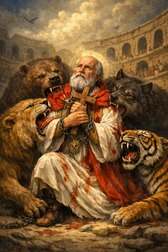
استُشهد القديس مار اغناطيوس في مدينة روما، عاصمة الإمبراطورية الرومانية بأمر من السلطات الرومانية، نُقل اغناطيوس مقيّدًا بالسلاسل من أنطاكية إلى روما، حيث حُكم عليه بالإعدام وأُلقي للوحوش المفترسة في المدرّج الروماني، وهي عقوبة كانت تُفرض على من يُعتبرون خطرًا دينيًا أو سياسيًا على الدولة، وقد عبّر القديس نفسه عن شوقه للاستشهاد في رسائله، قائلاً: «دعوني أكون طعامًا للوحوش، فبهم أبلغ إلى الله».
وضعه الكنسي ورتبته في الكنيسة
كان مار اغناطيوس أسقف أنطاكية، إحدى أهم الكراسي الرسولية في الكنيسة الأولى. وبحسب التقليد الكنسي، يُعتبر ثالث أسقف لأنطاكية بعد القديس بطرس الرسول والقديس أفوديوس، هذا و لم يعرف عصره التدرّج الإداري المعروف لاحقًا في المناصب الكنسية، بل أُقيم أسقفًا بسبب قداسته، وحكمته، وأمانته لتعليم الرسل، وغيرته على وحدة الكنيسة. عاش القديس اغناطيوس في زمن ما قبل إجراءات إعلان القداسة الرسمية، لذلك لم يُعلن قديسًا بمرسوم بابوي. غير أنّ الكنيسة الجامعة اعترفت بقداسته منذ القرون الأولى بإجماع آبائها ومؤمنيها.
أعماله وتعليمه وما ميّزه ليصل إلى مرتبة القداسة
تتجلّى عظمة مار اغناطيوس في عدّة عناصر أساسية هي عمقه اللاهوتي، ولا سيّما في تعليمه عن: سرّ تجسّد الكلمة، الإفخارستيا كجسد ودم حقيقيين للمسيح، رسائله السبع الشهيرة التي كتبها أثناء رحلته إلى الاستشهاد، والموجّهة إلى: كنائس أفسس، مغنيسية، ترالس، روما، فيلادلفيا، سميرنا وإلى القديس بوليكربوس أسقف سميرن .. دفاعه الواضح عن وحدة الكنيسة، دور الأسقف كعلامة وحدة وضمانة للإيمان القويم، رفض البدع، ولا سيّما التي أنكرت إنسانية المسيح الحقيقية، عيشه العملي للاستشهاد، إذ طلب صراحةً من المؤمنين ألّا يتدخّلوا لمنع موته.
الأسباب التي من أجلها رُمي للوحوش
حُكم على القديس مار اغناطيوس بالموت للأسباب التالية:
رفضه عبادة الأوثان والآلهة الوثنية
رفضه الاشتراك في عبادة الإمبراطور
إعلانه الصريح أن يسوع المسيح هو الرب والمخلّص الوحيد
قيادته العلنية للكنيسة وتشجيعه المؤمنين على الثبات في الإيمان
اعتبار المسيحية طريق خلاص لا خطرًا سياسيًا
صفاته الروحية وقدرته على التحمّل والمواجهة
تميّز القديس مار اغناطيوس بفضائل روحية وإنسانية رفيعة، أبرزها:
شجاعة استثنائية أمام الألم والموت
سلام داخلي عميق نابع من الإيمان
طاعة كاملة لمشيئة الله
تواضع حقيقي رغم مركزه الأسقفي
محبة عميقة للمسيح والكنيسة
قدرة مذهلة على تحمّل العذاب دون خوف أو تراجع.
تراثه الروحي ومكانته في الكنيسة
يُلقّب مار اغناطيوس بـ “حامل الله” (Theophoros) ويُعدّ من الآباء الرسوليّين وقد أسهم بشكل حاسم في: تطوير لاهوت الكنيسة الأولى، ترسيخ مفهوم الأسقفية، وفهم الاستشهاد كمشاركة في ذبيحة المسيح. هذا ولا لا تزال رسائله مرجعًا أساسيًا في الدراسات الآبائية حتى اليوم.
الكنائس التي تحمل اسم مار اغناطيوس في لبنان
توجد في لبنان عدة كنائس وأديرة ومؤسسات كنسية تحمل اسم مار اغناطيوس الإنطاكي، ولا سيّما ضمن:
الكنيسة السريانية الكاثوليكية
الكنيسة السريانية الأرثوذكسية
بعض الكنائس المارونية
وتنتشر هذه الكنائس في مناطق مثل: بيروت، المتن، زحلة، إضافة إلى أديار ومراكز رعوية تحمل اسمه تكريمًا لإرثه الرسولي¹⁸.
صلاة إلى القديس مار اغناطيوس الإنطاكي من أجل السلام في العالم ولبنان
يا قديس الله العظيم، يا مار اغناطيوس الإنطاكي، يا شاهد الحق وحامل الله، الذي أحببت المسيح حتى بذل الذات، وتقدّمت إلى الاستشهاد بفرحٍ وسلام…تشفع بنا أمام عرش النعمة، أن يمنح الرب سلامه للعالم المضطرب، ويُطفئ نيران الحروب والكراهية، ويزرع في قلوب البشر روح المصالحة والعدل. وبوجه خاص، نستودع بين يديك وطننا لبنان، احمه من الانقسام، ثبّت أبناءه في الرجاء، واجعل من آلامه طريق قيامة جديدة. يا من لم تخف الوحوش ولا السيوف، علّمنا أن نثبت في الإيمان،وأن نشهد للمسيح بالمحبة والحق.آمين.
ملاحظة/المعلومات الواردة في المقالة منقولة عن العديد من المراجع الكنسية والاهوتية والبحثية والإعلامية الموثقة
**الكاتب ناشط لبناني اغترابي
عنوان الكاتب الألكتروني
Phoenicia@hotmail.com
رابط موقع الكاتب الألكتروني
https://eliasbejjaninews.com
An Academic Ecclesiastical Study on Saint Mar Ignatius of Antioch….Bishop of Antioch – Theophoros – Apostolic Father and Martyr
Elias Bejjani/December 20/2025
Introduction
The Catholic Church, and in particular the Eastern Catholic Churches, commemorates the feast of Saint Mar Ignatius of Antioch annually on December 20. This celebration honors one of the most eminent Apostolic Fathers of the Church and a faithful witness to Christ who sealed his confession of faith with martyrdom. Saint Ignatius occupies a central place in early Christian history, as he embodied a profound synthesis of theological depth, ecclesial authority, and heroic witness unto death.
The Identity of Saint Mar Ignatius of Antioch and His Historical Context
Saint Mar Ignatius of Antioch was a leading ecclesiastical figure of the late first and early second centuries. He was born and lived in the city of Antioch, located in present-day Syria, one of the principal centers of early Christianity, where the disciples of Christ were first designated as “Christians.”
Chronological Framework
Approximate date of birth: c. 35 AD
Active during the first century and the early decades of the second century
Date of death and martyrdom: c. 107–110 AD
According to ancient ecclesiastical tradition, Saint Ignatius was a disciple of the Apostles, particularly Saint John the Evangelist, and is also associated with the apostolic ministry of Saint Peter the Apostle.
Martyrdom – Time, Place, and Circumstances
Place of Martyrdom, Rome, Italy.
Circumstances and Manner of Martyrdom: Saint Ignatius was arrested and transferred under guard from Antioch to Rome by order of the Roman imperial authorities. He was condemned to death and exposed to wild beasts in the Roman amphitheater, a form of execution reserved for those accused of subverting Roman religious and political norms. His martyrdom was the direct result of his public profession of the Christian faith and his refusal to renounce allegiance to Jesus Christ. In his epistolary testimony, Saint Ignatius expressed a conscious and voluntary acceptance of martyrdom, famously writing: “Permit me to be food for the beasts, through whom it will be granted me to attain to God.”
Ecclesiastical Office and Hierarchical Status
Saint Mar Ignatius served as:
Bishop of Antioch, one of the most significant episcopal sees of the early Church
Traditionally regarded as the third Bishop of Antioch, following:
Saint Peter the Apostle
Saint Evodius
Unlike later ecclesiastical careers characterized by formal hierarchical progression, Saint Ignatius was entrusted with the episcopal office on the basis of his recognized holiness, doctrinal fidelity, apostolic zeal, and pastoral authority.
Recognition of His Sainthood
Saint Ignatius lived prior to the institutionalization of formal canonization procedures. His sanctity was acknowledged universally by the Church from the earliest centuries. Consequently, his recognition as a saint cannot be attributed to a specific papal decree or pontificate, as it predates the structured canonical processes of the post-Constantinian era.
Works, Witness, and Qualities Leading to Sainthood
Saint Mar Ignatius is distinguished by several enduring contributions and virtues:
Theological depth, particularly in his articulation of:
The mystery of the Incarnation
The Eucharist as the true Body and Blood of Christ
The seven authentic epistles, composed during his journey to martyrdom, addressed to:
The Churches of Ephesus, Magnesia, Tralles, Rome, Philadelphia, and Smyrna
Saint Polycarp of Smyrna
A clear and systematic defense of: Ecclesial unity
The central role of the bishop as a principle of communion
Orthodox Christology in opposition to docetic tendencies
A lived theology of martyrdom, exemplified by his explicit request that the faithful refrain from intervening to prevent his execution.
Reasons for His Condemnation to the Wild Beasts
Saint Mar Ignatius was sentenced to death because he:
Rejected the worship of pagan deities
Refused participation in the imperial cult
Publicly proclaimed Jesus Christ as the sole Lord and Savior
Exercised visible leadership within the Christian community
Affirmed Christianity as a salvific truth rather than a political or social threat
Spiritual Virtues and Capacity for Endurance
The spiritual and moral character of Saint Ignatius is marked by:
Exceptional courage in the face of suffering and death
Profound interior peace grounded in faith
Complete obedience to the will of God
Authentic humility despite his episcopal authority
Intense love for Christ and the Church
Remarkable resilience and perseverance amid extreme hardship
Spiritual Legacy and Ecclesial Significance
Saint Ignatius bears the title “Theophoros” (Bearer of God)
He is recognized as one of the Apostolic Fathers of the Church
His writings have exercised a lasting influence on:
Early Christian theology
The development of episcopal ecclesiology
The theology of martyrdom as participation in the redemptive sacrifice of Christ
His epistles remain foundational sources for the study of the early Church
Churches Dedicated to Saint Ignatius in Lebanon
Although an exact enumeration is difficult, numerous churches, monasteries, and ecclesiastical institutions in Lebanon bear the name of Saint Ignatius, particularly within: The Syriac Catholic Church, The Syriac Orthodox Church, Certain Maronite communities. Such dedications are found in regions including:
Beirut.Mount Lebanon (Metn) Zahle as well as in various monastic and pastoral institutions honoring his apostolic legacy.
Prayer to Saint Mar Ignatius of Antioch For Peace in the World and in Lebanon
O glorious Saint of God, Saint Mar Ignatius of Antioch, faithful witness to the Truth and Bearer of God,
who loved Christ unto the total gift of self and advanced toward martyrdom with joy and serenity,
Intercede for us before the throne of divine grace, that the Lord may bestow His peace upon our troubled world, extinguish the flames of war and hatred, and instill in human hearts the spirit of justice, reconciliation, and mercy. In a particular manner, we entrust to your intercession our homeland, Lebanon: preserve it from division, strengthen its people in hope, and transform its sufferings into a path of renewed resurrection.
O you who feared neither beasts nor swords, teach us steadfastness in faith and fidelity in witnessing to Christ in love and truth.Amen.
NOTE: The information in this article is cited from various documented ecclesiastical, theological, research, and media references.