بعد عام على الشرق الأوسط الجديد: المخاوف من أيديولوجية حزب الله وسوريا لا تزال قائمة
ساريت زهافي/جيروزاليم بوست/18 كانون الأول/2025
(ترجمة من الإنكليزية بحرية بواسطة الياس بجاني بالإستعانة بمواقع ترجمة ألكترونية)
A year into the new Middle East, concerns over Hezbollah and Syria’s ideology remain – opinion
Sarit Zehavi/Jerusalem Post/December 19/2025
Despite Israel’s remarkable military victory a year ago, questions regarding the jihadist narrative in Syria and Hezbollah’s military capabilities remain.
This month, we mark one year since the fall of the Assad regime and the rise of the new government in Syria. This anniversary comes shortly after the one-year anniversary of the ceasefire between Israel and Hezbollah in Lebanon. Has Israel – and the region – become safer since then?
At first glance, the answer appears to be affirmative. Israel’s military achievements have been phenomenal, and its subsequent policies have prevented terrorist organizations from flourishing beyond the border.
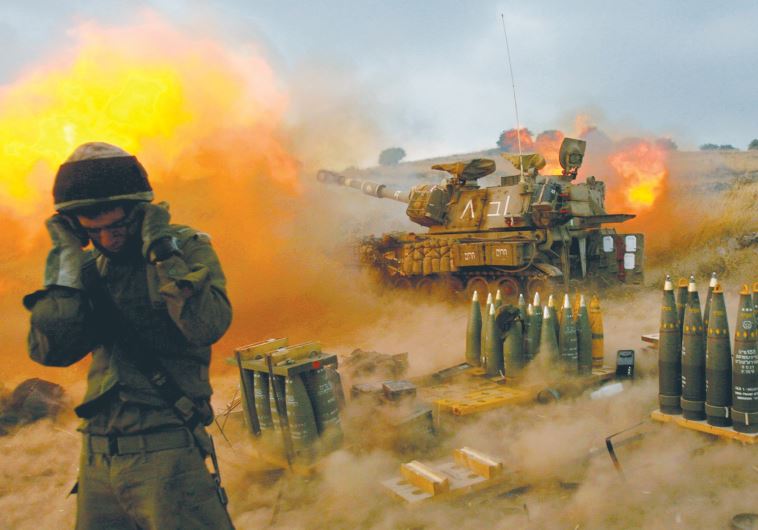
In Lebanon, the victory over Hezbollah was clear and decisive: the elimination of its entire leadership, including the new chief of staff about a month ago; an 80% reduction in rockets and aerial arsenal; the elimination or neutralization of command levels and field commanders thanks to the “pagers attack”; and the destruction of Hezbollah’s ability to carry out an invasion into Israel. All of this has been reinforced by ongoing daily Israeli strikes targeting Hezbollah’s rehabilitation efforts.
Despite Syria’s new leadership, Hezbollah, Sharaa has not abandoned radical Islamist ideology
In Syria, the new leadership is also fighting Hezbollah’s attempts to smuggle weapons into Lebanon, as well as battling ISIS. It appears that Syrian President Ahmed al-Sharaa is working to establish his position in the West as a leader seeking to bring prosperity and a new era to Syria.
But the reality in the Middle East is more complex.
Unfortunately, neither Hezbollah, despite its defeat, nor Sharaa, despite his victory, has abandoned its radical Islamist ideology.
Hezbollah adheres to the radical Shi’ite ideology driven by Iran’s Islamic Revolution, while Sharaa does not deny his loyalty to al-Qaeda’s ideology. He commanded its Syrian branch, Hayat Tahrir al-Sham (HTS), before taking control of the entire state.
In an interview during the Doha Forum on December 6, Sharaa clarified that he is not, and never was, a terrorist.
He implicitly accused the United States and Israel of terrorism when he said, “We saw the wars in Iraq and Afghanistan, where the ones killed were innocent, and those who killed them labeled others as terrorists. So now, after 25 years, there is a better understanding of who is a terrorist.”
The events surrounding Syria’s leadership transition this year exposed the depth of the problem. Syria is becoming an Islamist, anti-Israel state whose military reference scenario is war against Israel.
The chant “Khaybar Khaybar, O Jews” appears both in popular demonstrations and among military personnel – proof that extremist discourse has become embedded in the official narrative. Khaybar was a Jewish tribe defeated by the Prophet Muhammad during the early Islamic conquests of the Arabian Peninsula.
In celebrations in Damascus, flags of Syria and HTS (al-Qaeda’s Syrian branch) were waved alongside Hamas flags – evidence that Syria’s new regime, with unmistakable jihadist roots, is using hostility toward Israel as a central engine for building national identity and consolidating political power.
October 7 taught us not to underestimate threats of this nature. This is a declaration of intent by a young regime enjoying broad Western support and already receiving Turkish weaponry and American backing.
In Lebanon, it has become clear to all stakeholders in recent weeks that the Lebanese Armed Forces are not delivering – they do not enter private areas where Hezbollah stores its weapons and do not act seriously to disarm it. Despite its declarations of a disarmament plan, the Lebanese government is not truly willing to confront a group that insists it will not abandon its “resistance” path or its weapons.
In conclusion, despite Israel’s remarkable military victory a year ago, which indirectly contributed to the collapse of the Assad regime in Syria, there is deep concern about how events may unfold.
Will Hezbollah rebuild its military capabilities despite the IDF’s efforts to prevent it? And how can we prevent Syria from transforming into a jihadist state when, both in the streets and within the Syrian military, the jihadist narrative and hatred of Israel have already taken deep root, encouraged by the new regime?
This is a wake-up call for the international community. Terrorism must not be allowed to flourish; there is no reason to lift sanctions on HTS nor to extend leniency to the Lebanese government or to Sharaa in Syria.
https://www.jpost.com/opinion/article-880702
بعد عام على الشرق الأوسط الجديد: المخاوف من أيديولوجية حزب الله وسوريا لا تزال قائمة
ساريت زهافي/جيروزاليم بوست/18 كانون الأول/2025
(ترجمة من الإنكليزية بحرية بواسطة الياس بجاني بالإستعانة بمواقع ترجمة ألكترونية)
على الرغم من الانتصار العسكري الملحوظ الذي حققته إسرائيل قبل عام، لا تزال هناك تساؤلات قائمة بشأن الخطاب الجهادي في سوريا والقدرات العسكرية لحزب الله.
نحيي هذا الشهر مرور عام على سقوط نظام الأسد وصعود الحكومة الجديدة في سوريا. تأتي هذه الذكرى السنوية بعد وقت قصير من الذكرى السنوية الأولى لوقف إطلاق النار بين إسرائيل وحزب الله في لبنان. فهل أصبحت إسرائيل -والمنطقة- أكثر أماناً منذ ذلك الحين؟
للوهلة الأولى، يبدو أن الإجابة بالإيجاب؛ فقد كانت الإنجازات العسكرية الإسرائيلية استثنائية، كما منعت سياساتها اللاحقة المنظمات الإرهابية من الازدهار وراء الحدود.
في لبنان، كان الانتصار على حزب الله واضحاً وحاسماً: تصفية قيادته بالكامل، بما في ذلك رئيس الأركان الجديد قبل نحو شهر؛ وتقليص ترسانته الصاروخية والجوية بنسبة 80%؛ والقضاء على المستويات القيادية والقادة الميدانيين أو تحييدهم بفضل “هجوم أجهزة البيجر”؛ وتدمير قدرة حزب الله على تنفيذ غزو للأراضي الإسرائيلية. وقد تعزز كل ذلك من خلال الضربات الإسرائيلية اليومية المستمرة التي تستهدف جهود إعادة التأهيل التي يقوم بها حزب الله.
على الرغم من القيادة السورية الجديدة، الشرع لم يتخلَّ عن الأيديولوجية الإسلامية الراديكالية
في سوريا، تقاتل القيادة الجديدة أيضاً محاولات حزب الله لتهريب الأسلحة إلى لبنان، فضلاً عن محاربة تنظيم داعش. ويبدو أن الرئيس السوري أحمد الشرع يعمل على ترسيخ مكانته في الغرب كزعيم يسعى لتحقيق الرخاء وعصر جديد لسوريا.
لكن الواقع في الشرق الأوسط أكثر تعقيداً.
للأسف، لم يتخلَّ حزب الله -رغم هزيمته- ولا الشرع -رغم انتصاره- عن أيديولوجيتهما الإسلامية الراديكالية. فحزب الله متمسك بالأيديولوجية الشيعية الراديكالية التي تقودها الثورة الإسلامية الإيرانية، بينما لا ينكر الشرع ولاءه لأيديولوجية القاعدة؛ حيث قاد فرعها السوري “هيئة تحرير الشام” قبل السيطرة على الدولة بأكملها. وفي مقابلة خلال منتدى الدوحة في 6 ديسمبر، أوضح الشرع أنه ليس إرهابياً ولم يكن كذلك قط، واتهم الولايات المتحدة وإسرائيل ضمنياً بالإرهاب حين قال: “رأينا الحروب في العراق وأفغانستان، حيث كان القتلى من الأبرياء، والذين قتلوهم وصموا الآخرين بالإرهاب. لذا الآن، بعد 25 عاماً، هناك فهم أفضل لمن هو الإرهابي”.
إن الأحداث المحيطة بانتقال السلطة في سوريا هذا العام كشفت عن عمق المشكلة؛ حيث تتحول سوريا إلى دولة إسلامية معادية لإسرائيل، وسيناريو مرجعيتها العسكرية هو الحرب ضد إسرائيل. إن هتاف “خيبر خيبر يا يهود” يظهر في المظاهرات الشعبية وبين العسكريين على حد سواء، وهو دليل على أن الخطاب المتطرف أصبح متجذراً في الرواية الرسمية. (وخيبر كانت قبيلة يهودية هزمها النبي محمد خلال الفتوحات الإسلامية المبكرة في شبه الجزيرة العربية).
وفي الاحتفالات التي شهدتها دمشق، رُفعت أعلام سوريا وهيئة تحرير الشام (فرع القاعدة في سوريا) إلى جانب أعلام حماس، وهو دليل على أن نظام سوريا الجديد، ذو الجذور الجهادية الواضحة، يستخدم العداء تجاه إسرائيل كمحرك مركزي لبناء الهوية الوطنية وتعزيز السلطة السياسية.
لقد علمنا السابع من أكتوبر ألا نستهين بتهديدات من هذا النوع. هذا إعلان نوايا من نظام شاب يتمتع بدعم غربي واسع، ويتلقى بالفعل أسلحة تركية ودعماً أمريكياً.
وفي لبنان، أصبح من الواضح لجميع الأطراف المعنية في الأسابيع الأخيرة أن القوات المسلحة اللبنانية لا تقوم بواجبها؛ فهي لا تدخل المناطق الخاصة حيث يخزن حزب الله أسلحته، ولا تعمل بجدية لنزع سلاحه. ورغم تصريحاتها حول خطة نزع السلاح، فإن الحكومة اللبنانية ليست مستعدة حقاً لمواجهة جماعة تصر على أنها لن تتخلى عن نهج “المقاومة” أو سلاحها.
ختاماً، وعلى الرغم من الانتصار العسكري الإسرائيلي الملحوظ قبل عام، والذي ساهم بشكل غير مباشر في انهيار نظام الأسد في سوريا، إلا أن هناك قلقاً عميقاً بشأن كيفية تطور الأحداث. هل سيعيد حزب الله بناء قدراته العسكرية رغم جهود الجيش الإسرائيلي لمنع ذلك؟ وكيف يمكننا منع سوريا من التحول إلى دولة جهادية بينما ترسخت الرواية الجهادية وكراهية إسرائيل بعمق في الشوارع وداخل الجيش السوري، بتشجيع من النظام الجديد؟ هذه صرخة تنبيه للمجتمع الدولي؛ يجب عدم السماح للإرهاب بالازدهار، ولا يوجد سبب لرفع العقوبات عن هيئة تحرير الشام، ولا لإبداء التساهل مع الحكومة اللبنانية أو مع الشرع في سوريا.