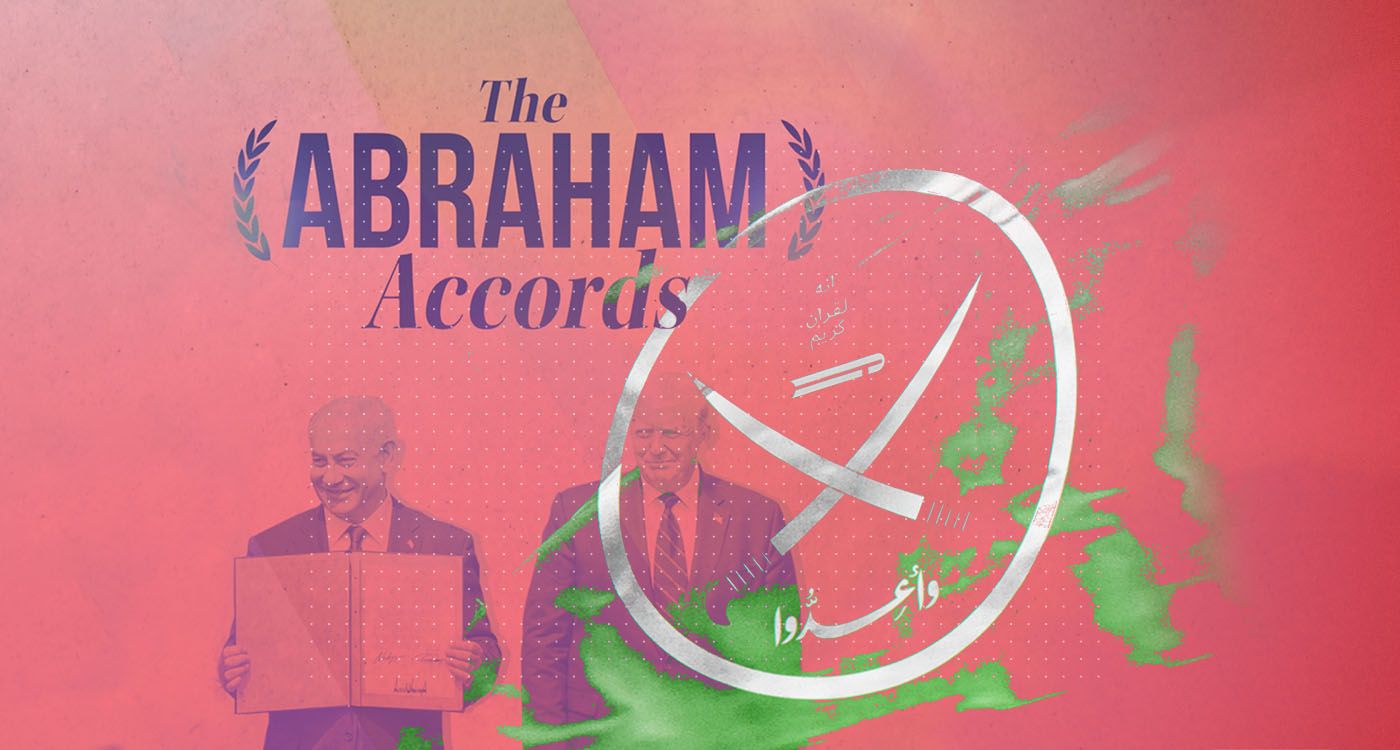
على لبنان أن يختار الإتفاقيات الإبراهمية بدلاً من الإخوان المسلمين
حسين عبد الحسين /نقلاً عن موقع هذه بيروت/15 كانون الأول/2025
(ترجمة بحرية من الإنكليزية بواسطة الياس بجاني)
Lebanon Must Pick the Abraham Accords over the Muslim Brotherhood
Hussain Abdul-Hussain/This is Beirut/December 15, 2025
It would be a grave mistake for Lebanon to swap the Islamist resistance axis of Iran for the Muslim Brotherhood of Turkey and Qatar.
Lebanon must pick a side in the regional map of alliances. One seeks peace, prosperity and higher standards of living for all and consists of the United Arab Emirates, Israel, Bahrain, and Morocco, enshrined by the Abraham Accords. The rival alliance—Qatar, its ATM, and Turkey, its NATO muscle, as well as Syria, Algeria, and Tunisia—dismisses Western systems of governance as degenerate and aims to replace it with Muslim Brotherhood–style Islamist regimes.
Islamist Iran, whose theocracy is built on a Shia version of the Muslim Brotherhood’s supremacist government, was, until recently, the dominant Islamist regional force—especially in Lebanon—until Israel crushed its proxies across the region and severely bruised the Iranian regime.
The countries hunkering down and hedging include Saudi Arabia, Egypt, Jordan, Kuwait, Oman, and Mauritania. As they wait and see, they endorse a populist rhetoric sometimes articulated by the claim that “Israel is a greater danger to Arabs than Iran.” The only reason these countries argue as such is because they fear the retaliatory fury of Islamist Iran—and Turkey and Qatar—but are not scared of Israel, which never comes after anyone for their opinion, even if it is in favor of spilling Jewish blood.
Meanwhile, Lebanon, Iraq, Libya, and Yemen are struggling to choose a side. Lebanon has faced this dilemma since its independence in 1943. On the brink of civil war in 1975, Christian organizations argued that Lebanon should remain neutral in the war between Israel and the Palestinians. The Christians presented a historical narrative about themselves—whether real or imagined—that portrayed them as part of the West, not the Arab or Muslim worlds.
Lebanon’s Muslims—who had not accepted Lebanon as an independent state and who demanded that Lebanon join an imagined pan-Arab nation or Islamic caliphate—countered by calling the Christians isolationists and pawns of the imperial West and evil Zionism. Along such fault lines, the Lebanese fought 15 years of bloody civil war, during which Palestinian factions played a major role in fanning the flames under the banner of “liberating Palestine.”
When the war ended in 1990, both sides made concessions. Christians agreed that Lebanon would define itself as an Arab country, while Muslims endorsed Lebanon’s sovereignty and independence as a final destination, not a temporary arrangement awaiting accession to the imagined greater Arab nation. But then, a new disagreement emerged: what should post-civil war Lebanon look like?
This time, the division was not along Christian-Muslim lines, but between capitalism and anti-imperialism. Rafic Hariri, a Sunni billionaire with strong connections to Saudi Arabia, had a plan and a vision that would have made Beirut what Dubai is today. Shia Hezbollah, however, had something else in mind. In the words of Naim Qassem—then its second-in-line and now its chief—in his book “The State of Resistance,” Lebanon should stay on its toes thereafter, engaged in perpetual conflict on the side of the downtrodden—especially including the “liberation of Palestine”—against the “arrogant powers,” Iranian code word for America and the West.
Syria’s Assad forced Lebanon to remain aligned with Hezbollah’s so-called “resistance axis.” When the U.S. war in Iraq weakened this axis, Hariri and Druze chief Walid Jumblatt saw an opportunity to assert themselves. Minority leaders like Jumblatt rarely take risks and always bet on who they think would be a winning horse. America seemed adamant about spreading democracy in the Middle East.
In 2005, Assad and Hezbollah assassinated Hariri, sparking a revolution that ejected Assad’s forces from Lebanon. As the Lebanese rushed to fill the vacuum and decide the country’s direction post-Assad, the witty Jumblatt summarized his country’s choices by quipping that Lebanon should decide whether it wants to be “Hanoi or Hong Kong,” the first being famous for a bloody war that ejected America while the second was focused on economic development that brought it enormous prosperity.
But Islamism won the day. In 2006, Hezbollah inaugurated the model of Lebanon as a “resistance state” by taking the country into a devastating war with Israel that ended in a stalemate. Both sides started preparing for the next round that came 17 years later when Hezbollah launched a war to support Gaza on October 8, 2023.
Israel has decimated Hezbollah and given Beirut a chance to switch from perpetual war to peace, economic growth and prosperity. This would mean Lebanon abandoning the Islamist resistance and joining the Abraham Accords.
Lebanon’s leaders, however, find it easier to hunker down and save their careers than to stand up and save their country. Beirut has not even attached itself to another irrelevant country, Saudi Arabia, and instead are watching events unfold, making statements like pundits, and hoping for the best. But the best will not come. Israel will likely intensify its maintenance strikes to ensure that Hezbollah remains at the same strength it was on the eve of the ceasefire last year. If the Jewish state manages to eradicate Hezbollah fully, Lebanon will find itself stuck with the other branch of crazy Islamism: The Muslim Brotherhood of Qatar and Turkey. Doha already bankrolls the Lebanese Armed Forces (LAF) to the tune of $144 million a year. Syria’s Ahmad al-Sharaa, formerly al-Jolani of al-Qaeda, seems to be a joint Turkish-Qatari venture, and will likely play an instrumental role facilitating the expansion of Sunni Islamism into Lebanon. The Muslim Brotherhood types already swept the Sunni vote in the municipal election earlier this year, while Sunnis of Lebanon celebrated the accession of Sharaa to power last week, ignoring the patriotism they had long urged their Shia compatriots to uphold. It would be a grave mistake for Lebanon to swap the Islamist resistance axis of Iran for the Muslim Brotherhood of Turkey and Qatar, much like it replaced Palestinian terrorism with Hezbollah’s “resistance.”
Lebanon’s salvation needs bold leadership that pulls it away from Islamist Iran, Turkey and Qatar as well as the irrelevant and toothless Saudi Arabia, Egypt and Jordan. Lebanon’s leaders should step up, be bold, join the Abraham Accords, the West, and prioritize economic growth and national interests over anything else.
Lebanon should pick Abraham Accords over the Muslim Brotherhood.
على لبنان أن يختار الإتفاقيات الإبراهمية بدلاً من الإخوان المسلمين
حسين عبد الحسين /نقلاً عن موقع هذه بيروت/15 كانون الأول/2025
(ترجمة بحرية من الإنكليزية بواسطة الياس بجاني)
سيكون خطأً فادحًا للبنان أن يستبدل محور الممانعة الإسلامي الإيراني بجماعة الإخوان المسلمين التركية والقطرية.
يجب على لبنان أن يختار طرفًا في خريطة التحالفات الإقليمية. طرف يسعى إلى السلام والازدهار ومستويات معيشة أعلى للجميع، ويتألف من الإمارات العربية المتحدة وإسرائيل والبحرين والمغرب، وهي دول مُكرّسة بـاتفاقيات إبراهيم. أما التحالف المنافس—قطر (بمثابة الصراف الآلي)، وتركيا (بمثابة العضلات العسكرية لحلف الناتو)، بالإضافة إلى سوريا والجزائر وتونس—فهو يرفض الأنظمة الغربية للحكم ويعتبرها منحلة ويهدف إلى استبدالها بأنظمة إسلامية على طراز الإخوان المسلمين.
إيران الإسلامية، التي تقوم ثيوقراطيتها على نسخة شيعية من حكومة الإخوان المسلمين المتطرفة، كانت حتى وقت قريب القوة الإسلامية الإقليمية المهيمنة—وخاصة في لبنان—إلى أن سحقت إسرائيل وكلاءها في جميع أنحاء المنطقة وألحقت ضررًا بالغًا بالنظام الإيراني.
الدول التي تحاول التزام الحياد والموازنة تشمل المملكة العربية السعودية ومصر والأردن والكويت وعُمان وموريتانيا. بينما تنتظر وترى، فإنها تؤيد خطابًا شعبويًا يُعبر عنه أحيانًا بالقول إن “إسرائيل خطر أكبر على العرب من إيران”. والسبب الوحيد الذي يجعل هذه الدول تقول ذلك هو أنها تخشى الغضب الانتقامي لإيران الإسلامية—وتركيا وقطر—لكنها لا تخاف من إسرائيل، التي لا تلاحق أحدًا بسبب رأيه، حتى لو كان لصالح سفك الدم اليهودي.
في هذه الأثناء، يكافح لبنان والعراق وليبيا واليمن لاختيار جانب. يواجه لبنان هذه المعضلة منذ استقلاله في عام 1943. على حافة الحرب الأهلية في عام 1975، جادلت المنظمات المسيحية بضرورة أن يظل لبنان محايدًا في الحرب بين إسرائيل والفلسطينيين. قدم المسيحيون رواية تاريخية عن أنفسهم—سواء كانت حقيقية أو متخيّلة—تصورهم كجزء من الغرب، وليس العالمين العربي أو الإسلامي.
المسلمون اللبنانيون—الذين لم يقبلوا لبنان كدولة مستقلة وطالبوا بانضمامه إلى أمة عربية جامعة أو خلافة إسلامية متخيلة—ردوا بوصف المسيحيين بـ”الانعزاليين” و”بيادق للإمبريالية الغربية والصهيونية الشريرة”. وعلى طول هذه الخطوط الفاصلة، خاض اللبنانيون 15 عامًا من الحرب الأهلية الدموية، لعبت خلالها الفصائل الفلسطينية دورًا رئيسيًا في تأجيج النيران تحت شعار “تحرير فلسطين”.
عندما انتهت الحرب في عام 1990، قدم الطرفان تنازلات. وافق المسيحيون على أن لبنان سيعرّف نفسه كدولة عربية، بينما أيّد المسلمون سيادة واستقلال لبنان كوجهة نهائية، وليس ترتيبًا مؤقتًا ينتظر الانضمام إلى الأمة العربية الكبرى المتخيلة. لكن بعد ذلك، ظهر خلاف جديد: كيف يجب أن يبدو لبنان ما بعد الحرب الأهلية؟
هذه المرة، لم يكن الانقسام على أساس مسيحي-مسلم، بل بين الرأسمالية ومناهضة الإمبريالية. رفيق الحريري، الملياردير السني ذو الصلات القوية بالسعودية، كان لديه خطة ورؤية كان يمكن أن تجعل بيروت ما هي عليه دبي اليوم. لكن حزب الله الشيعي كان لديه شيء آخر في الاعتبار. على حد تعبير نعيم قاسم—الذي كان آنذاك الرجل الثاني والآن أمينه العام—في كتابه “الدولة المقاوِمة”، يجب على لبنان أن يظل مستنفرًا بعد ذلك، منخرطًا في صراع دائم إلى جانب المستضعفين—بما في ذلك “تحرير فلسطين” بشكل خاص—ضد “القوى المستكبرة”، وهو الاسم الرمزي الإيراني لأمريكا والغرب.
أجبر الأسد في سوريا لبنان على البقاء متحالفًا مع ما يسمى “محور الممانعة” لحزب الله. عندما أضعفت الحرب الأمريكية في العراق هذا المحور، رأى الحريري والزعيم الدرزي وليد جنبلاط فرصة لتأكيد الذات. نادرًا ما يخاطر قادة الأقليات مثل جنبلاط ويراهنون دائمًا على من يعتقدون أنه سيكون الفرس الرابح. بدت أمريكا مصممة على نشر الديمقراطية في الشرق الأوسط.
في عام 2005، اغتال الأسد وحزب الله الحريري، مما أشعل ثورة طردت قوات الأسد من لبنان. بينما سارع اللبنانيون لملء الفراغ وتحديد اتجاه البلاد بعد الأسد، لخص جنبلاط بذكاء خيارات بلاده بمزحة مفادها أن لبنان يجب أن يقرر ما إذا كان يريد أن يكون “هانوي أم هونغ كونغ”، الأولى مشهورة بحرب دموية طردت أمريكا بينما الثانية ركزت على التنمية الاقتصادية التي جلبت لها ازدهارًا هائلاً.
لكن الإسلاموية هي التي انتصرت. ففي عام 2006، دشّن حزب الله نموذج لبنان كـ”دولة ممانِعة” من خلال جر البلاد إلى حرب مدمرة مع إسرائيل انتهت بجمود. بدأ الجانبان التحضير للجولة التالية التي جاءت بعد 17 عامًا عندما شن حزب الله حربًا لدعم غزة في 8 تشرين الأول 2023.
لقد قضت إسرائيل على حزب الله ومنحت بيروت فرصة للانتقال من الحرب الدائمة إلى السلام والنمو الاقتصادي والازدهار. وهذا يعني أن يتخلى لبنان عن الممانعة الإسلامية وينضم إلى اتفاقيات إبراهيم.
لكن زعماء لبنان يجدون أنه من الأسهل التراجع وحماية مسيرتهم المهنية بدلاً من الوقوف وإنقاذ بلدهم. لم يرتبطت بيروت حتى بدولة أخرى غير ذات صلة، وهي السعودية، وبدلاً من ذلك يراقبون الأحداث، ويدلون بتصريحات كالمحللين، ويأملون في الأفضل. لكن الأفضل لن يأتي. من المرجح أن تكثف إسرائيل ضرباتها للحفاظ على الوضع الراهن لضمان بقاء حزب الله بنفس القوة التي كان عليها عشية وقف إطلاق النار العام الماضي. إذا نجحت الدولة اليهودية في القضاء على حزب الله بالكامل، فسيجد لبنان نفسه عالقًا مع الفرع الآخر من الإسلاموية المجنونة: الإخوان المسلمين في قطر وتركيا. تمول الدوحة بالفعل الجيش اللبناني بمبلغ 144 مليون دولار سنويًا. ويبدو أن أحمد الشرع السوري، المعروف سابقًا بالجولاني من القاعدة، هو مشروع تركي-قطري مشترك، ومن المرجح أن يلعب دورًا فعالًا في تسهيل توسع الإسلاموية السنية في لبنان. لقد اكتسحت جماعات الإخوان المسلمين بالفعل الأصوات السنية في الانتخابات البلدية في وقت سابق من هذا العام، بينما احتفل سُنّة لبنان بتولي الشرع السلطة الأسبوع الماضي، متجاهلين الوطنية التي طالما حثوا مواطنيهم الشيعة على التمسك بها. سيكون خطأً فادحًا للبنان أن يستبدل محور الممانعة الإسلامي الإيراني بجماعة الإخوان المسلمين التركية والقطرية، تمامًا كما استبدل الإرهاب الفلسطيني بـ”مقاومة” حزب الله.
إن خلاص لبنان يحتاج إلى قيادة جريئة تسحبه بعيدًا عن إيران وتركيا وقطر الإسلامية، وكذلك عن السعودية ومصر والأردن غير المهمة والضعيفة. يجب على قادة لبنان أن يخطوا خطوة جريئة، وأن ينضموا إلى اتفاقيات إبراهيم، وإلى الغرب، وأن يضعوا النمو الاقتصادي والمصالح الوطنية فوق أي شيء آخر. على لبنان أن يختار اتفاقيات إبراهيم بدلاً من الإخوان المسلمين. هل تودّ أن أقوم بتلخيص النقاط الرئيسية في المقال أو أن أقدم لك معلومات حول أي من الدول المذكورة؟