كيف يمكن لقطر مساعدة لبنان؟
ديفيد داود وناتالي إيكانو /نقلا عن موقع Real Clear World
15 كانون الأول 2025
How Qatar Can Help Lebanon
David Daoud and Natalie Ecanow/Real Clear World/December 15/2025
Hezbollah’s efforts to regenerate have seemingly reached a critical juncture. In one of the most escalatory actions since the ceasefire took effect in Lebanon last November, Israel eliminated Hezbollah’s de facto military chief of staff Haitham Ali Tabatabai on November 23. Israel and Hezbollah may be closer to war than at any point over the last twelve months.
Another round of fighting is not in Israel’s or Lebanon’s interest. Nor is it in the interest of Lebanon’s Gulf benefactors, most of whom have grown particularly disillusioned after receiving no return on their investments in various Lebanese politicians, movements, and governments. Decades of overpromising and underdelivering on countering Hezbollah — not to mention political reform and combating corruption — have lost support in Lebanon.
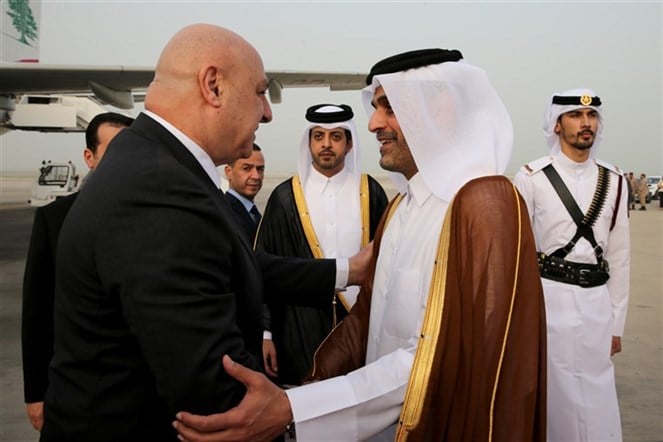
Exceptionally, Qatar remains willing to engage and entertain, aiding Lebanon. Senior Lebanese officials, including Lebanese Armed Forces (LAF) Commander Rodolphe Haykal, visited Doha throughout 2025 seeking Qatari aid, including for the LAF. But any future Qatari aid will only perpetuate Lebanon’s self-destructive status quo unless preconditioned on meaningful Lebanese efforts to disarm Hezbollah.
Hezbollah’s yearlong war with Israel, which ended in November 2024, significantly weakened the group militarily. Almost 40 years after the Taif Agreement, which ended Lebanon’s civil war by requiring all sectarian militias to disarm, Beirut now has a historic opportunity to rid itself of its most problematic and enduring vestige, Hezbollah.
But, so far, Hezbollah has managed to deftly navigate Lebanon’s post-war environment, retaining the overwhelming support of Lebanese Shiites — and demonstrating that support at several critical milestones since the war’s end. In effect, Lebanon’s social and political dynamics, which empower Hezbollah and have deterred successive Lebanese governments from disarming or restraining it for fear of provoking a civil war, remained virtually unchanged.
Thus, in February, Hezbollah received two ministries and corollary influence in Lebanon’s new cabinet. Now, that same government, which came to power in February, ostensibly promising to disarm Hezbollah, has ceded the initiative on disarmament to the group itself. Of course, Hezbollah has consistently refused to surrender its arsenal. Therefore, on September 5, the Lebanese government — deterred by Hezbollah’s popularity — declined to unambiguously adopt the LAF’s disarmament plan and kept its contents and progress secret. Senior Lebanese officials insisted Hezbollah’s forcible disarmament was not being considered.
The Lebanese government has since jumped through linguistic hoops to tacitly shift from a policy of “disarming” the group to a policy of inaction. The government hopes passive “containment” of Hezbollah’s arsenal will, in time, destroy what Israel hasn’t, even as the group is actively regenerating.
Meanwhile, as Lebanon musters, at best, token responses to Hezbollah’s open defiance, it is nevertheless seeking tangible benefits from the international community, including Qatari aid, for its irresolute and largely symbolic disarmament efforts.
Qatar has engaged Lebanon several times under similar circumstances in the past, seeking to sustain Lebanon over the long-term through creating increments of short-term stability. But that has only reinforced the country’s decades-long downward spiral.
After the 2006 Israel-Hezbollah war, Doha unconditionally pledged $300 million toward the $2.3 billion reconstruction funds Lebanon required, alleviating from Hezbollah the burden of rebuilding what its war with Israel had destroyed. Two years later, Qatar brokered the Doha Agreement to resolve the ongoing deadlock between Fuad Siniora’s Western-backed government and the Hezbollah-led opposition, which had erupted into street fighting. The negotiated stability it produced, however, was only a veneer, coming at the price of granting Hezbollah and its allies a veto over government decisions. Meanwhile, Lebanon’s structural problems remained unresolved.
Almost a decade later, as a result, Lebanon suffered a total economic collapse, which the World Bank described as “one of the worst economic crises globally since the mid-nineteenth century.” This disaster was compounded by the August 4, 2020, Beirut Port explosion, one of history’s largest-ever non-nuclear explosions and perhaps the most egregious example of Lebanese governmental negligence, corruption, and incompetence. Qatar again stepped into the breach, immediately airlifted medical aid into Lebanon, deployed search and rescue personnel, and pledged another $50 million to help reconstruction efforts — all without demanding any meaningful change from Beirut.
By October of 2022, another presidential crisis gripped Lebanon. The Qataris — alongside France, Egypt, Saudi Arabia, and the United States — sought to help, but without endorsing the preferred candidate of either the Hezbollah-aligned factions or their opponents. The presidency, Doha maintained, was “an internal Lebanese matter.”
Ultimately, the recent Israel-Hezbollah war broke Lebanon’s political deadlock and domestically humbled Hezbollah enough to deny the ideologically pro-“resistance” Suleiman Frangieh the presidency. Instead, the preferable but far from ideal Joseph Aoun took office on January 9.
Given the uncompromising anti-Westernism promoted by its various soft-power platforms, Qatar may be nefariously seeking to allow Lebanon’s political processes to run their natural course, strengthening Hezbollah and weakening American regional influence in the process. More realistically, however, Doha understands that Lebanon’s structural dysfunction cannot be cured easily or swiftly, and that pursuing deeper and sustained change will, in the immediate term, likely shatter the country’s veneer of stability. Even if Qatar were willing to upend the status quo, it’s difficult to predict whether a successful or stable Lebanon would emerge, or whether more chaos would ensue. So, Qatar falls back on the Faustian bargain routinely made by the Lebanese themselves of subsisting on short-term fixes that delay confronting the country’s corrosive elements.
That approach, however, is no longer tenable, especially as the Trump administration leans more heavily on Doha to promote regional stability. The administration has made clear that it wants genuine progress in Lebanon, not reversion to self-destructive patterns or continued hedging and inaction against Hezbollah. Doha, meanwhile, possesses tools to be the productive partner the United States wants and the one that Lebanon needs — even if it cannot, alone, solve all the country’s problems, or any of them in the short term.
Qatar possesses influential charitable funds and state-owned media outlets that Doha traditionally uses to promote radicalization. But they can likewise be influential tools that can, gradually and perhaps over many years, function as part of a comprehensive process to strengthen credible Shiite competitors to Hezbollah. If that momentum grows into sustained and widespread Lebanese Shiite opposition to the group, the risk that restraining Hezbollah would spark a civil war will recede. Over time, this will give Beirut increased flexibility to strip Hezbollah of its freedom of action – and then, ultimately, its arms.
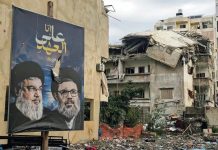
In the interim, Qatar can condition incremental aid packages upon Beirut consistently enforcing the rule of law against all non-state actors, including Hezbollah. This can begin with ordering Lebanese security forces to prevent Hezbollah and all such actors from defying governmental decisions, and the Lebanese judiciary to punish them if they do. For example, Doha can press Lebanon to arrest and prosecute the Hezbollah entities and officials involved in publicly projecting the image of its late secretary-general, Hassan Nasrallah, onto Lebanon’s iconic Raouche rock in late September in violation of Beirut’s prohibition, and prevent similar acts of defiance in the future.
The accumulation and normalization of such measures will, in time, ensure that Beirut’s will by default trump the sectarian militias. Qatar can then condition further aid upon serious Lebanese efforts to cut off Hezbollah’s fundraising channels, including expanding Beirut’s largely symbolic ban on the arrival of Iranian airliners into thorough, transparent inspections of all arriving aircraft that could plausibly be carrying money destined for any militia. When social conditions are ripe, this can expand to delicensing Hezbollah’s social and financial apparatuses while the Central Bank incrementally clamps down on Lebanon’s shadow economy, where those organs operate.
In time, this can set the stage for Qatar funding the LAF, but only on the precondition that Beirut consistently demonstrates it is willing to order the Lebanese army to operate against Hezbollah. Even then, Doha’s aid should be disbursed in batches, as the LAF seizes and destroys Hezbollah’s arms and assets north of the Litani River, where the group has rejected disarmament. This will ensure that Qatari assistance rewards clear demonstrations of Lebanese intentions, and not merely its words.
Qatar alone can’t save Lebanon. None of Beirut’s international partners can. That task must be assumed, first and foremost, by the Lebanese themselves. But Doha can position itself as part of a constellation of helpful partners, using the unique tools at its disposal to nudge and guide Lebanon towards self-correction rather than continuing in its role as a reinforcer and enabler of Beirut’s excesses.
**David Daoud is a senior fellow at the Foundation for Defense of Democracies (FDD), where Natalie Ecanow is a senior research analyst. Follow David on X @DavidADaoud and Natalie @NatalieEcanow.
https://www.realclearworld.com/articles/2025/12/12/how_qatar_can_help_lebanon_1153015.html
Read in Real Clear World
كيف يمكن لقطر مساعدة لبنان؟
ديفيد داود وناتالي إيكانو /نقلا عن موقع Real Clear World
15 كانون الأول 2025
(ترجمة بحرية من الإنكليزية بواسطة الياس بجاني)
يبدو أن جهود حزب الله لإعادة بناء قوته قد وصلت إلى منعطف حرج. في إحدى أكثر الإجراءات تصعيدًا منذ سريان وقف إطلاق النار في لبنان تشرين الثاني/نوفمبر الماضي، قامت إسرائيل بتصفية القائد العسكري الفعلي لهيئة الأركان في حزب الله، هيثم علي طبطبائي، في 23 تشرين الثاني/نوفمبر. قد تكون إسرائيل وحزب الله أقرب إلى الحرب مما كانا عليه في أي وقت خلال الأشهر الاثني عشر الماضية.
إن جولة أخرى من القتال ليست في مصلحة إسرائيل أو لبنان. كما أنها ليست في مصلحة الدول الخليجية المانحة للبنان، التي أصيب معظمها بخيبة أمل خاصة بعد عدم جني أي عائد على استثماراتها في مختلف السياسيين والحركات والحكومات اللبنانية. عقود من الوعود المبالغ فيها والتقصير في التنفيذ فيما يتعلق بمواجهة حزب الله – ناهيك عن الإصلاح السياسي ومكافحة الفساد – أفقدت الدعم في لبنان.
بشكل استثنائي، تظل قطر مستعدة للانخراط والمساعدة، وتقديم العون للبنان. زار مسؤولون لبنانيون رفيعو المستوى، بمن فيهم قائد الجيش اللبناني رودولف هيكل، الدوحة طوال عام 2025 طلبًا للمساعدة القطرية، بما في ذلك للجيش. لكن أي مساعدة قطرية مستقبلية لن تؤدي إلا إلى إدامة الوضع الراهن المدمر للذات في لبنان ما لم تُشترط بجهود لبنانية جادة لنزع سلاح حزب الله.
لقد أدت حرب حزب الله التي استمرت عامًا كاملاً مع إسرائيل، والتي انتهت في تشرين الثاني/نوفمبر 2024، إلى إضعاف المجموعة عسكريًا بشكل كبير. بعد ما يقرب من 40 عامًا من اتفاق الطائف، الذي أنهى الحرب الأهلية اللبنانية بطلب نزع سلاح جميع الميليشيات الطائفية، أصبح لدى بيروت الآن فرصة تاريخية للتخلص من أكثر بقاياها إشكالية وديمومة، وهو حزب الله.
لكن، حتى الآن، تمكن حزب الله ببراعة من التنقل في بيئة ما بعد الحرب في لبنان، محافظًا على الدعم الساحق للشيعة اللبنانيين — وأظهر هذا الدعم في عدة محطات حاسمة منذ نهاية الحرب. في الواقع، بقيت الديناميكيات الاجتماعية والسياسية في لبنان، التي تمكّن حزب الله وردعت الحكومات اللبنانية المتعاقبة عن نزع سلاحه أو تقييده خوفًا من إثارة حرب أهلية، كما هي تقريبًا.
وهكذا، في شباط/فبراير، حصل حزب الله على وزارتين ونفوذ موازٍ في التشكيلة الحكومية الجديدة في لبنان. الآن، تلك الحكومة نفسها، التي وصلت إلى السلطة في شباط/فبراير، واعدة ظاهريًا بنزع سلاح حزب الله، تخلت عن المبادرة لنزع السلاح لصالح المجموعة نفسها. بالطبع، رفض حزب الله باستمرار تسليم ترسانته. لذلك، في 5 أيلول/سبتمبر، رفضت الحكومة اللبنانية – التي ردعتها شعبية حزب الله – تبني خطة نزع سلاح الجيش اللبناني بشكل لا لبس فيه وأبقت محتوياتها وتقدمها سريين. وأصر مسؤولون لبنانيون كبار على أن نزع سلاح حزب الله بالقوة ليس قيد النظر.
انتقلت الحكومة اللبنانية منذ ذلك الحين عبر قفزات لغوية لتحويل سياستها ضمنيًا من “نزع سلاح” المجموعة إلى سياسة عدم اتخاذ إجراء. تأمل الحكومة أن يؤدي “احتواء” ترسانة حزب الله السلبي، بمرور الوقت، إلى تدمير ما لم تدمره إسرائيل، حتى في الوقت الذي تعيد فيه المجموعة بناء قوتها بنشاط.
وفي الوقت نفسه، وبينما يحشد لبنان، في أحسن الأحوال، استجابات رمزية لتحدي حزب الله العلني، فإنه يسعى مع ذلك للحصول على فوائد ملموسة من المجتمع الدولي، بما في ذلك المساعدة القطرية، لجهوده غير الحاسمة والرمزية إلى حد كبير لنزع السلاح.
لقد انخرطت قطر مع لبنان عدة مرات في ظل ظروف مماثلة في الماضي، سعيًا لدعم لبنان على المدى الطويل من خلال خلق زيادات في الاستقرار على المدى القصير. لكن هذا لم يؤد إلا إلى تعزيز الانهيار الهبوطي الذي استمر عقودًا في البلاد.
بعد حرب 2006 بين إسرائيل وحزب الله، تعهدت الدوحة دون شروط بمبلغ 300 مليون دولار من أصل 2.3 مليار دولار من أموال إعادة الإعمار التي طلبها لبنان، مما خفف عن حزب الله عبء إعادة بناء ما دمرته حربه مع إسرائيل. بعد عامين، توسطت قطر في اتفاق الدوحة لحل الجمود المستمر بين حكومة فؤاد السنيورة المدعومة من الغرب والمعارضة التي يقودها حزب الله، والذي كان قد اندلع في قتال شوارع. لكن الاستقرار الذي نتج عن التفاوض كان مجرد غطاء، جاء بثمن منح حزب الله وحلفائه حق النقض على القرارات الحكومية. في غضون ذلك، بقيت المشاكل الهيكلية في لبنان دون حل.
ونتيجة لذلك، وبعد ما يقرب من عقد من الزمان، عانى لبنان من انهيار اقتصادي كامل، وصفه البنك الدولي بأنه “واحدة من أسوأ الأزمات الاقتصادية العالمية منذ منتصف القرن التاسع عشر”. وتفاقمت هذه الكارثة بسبب انفجار مرفأ بيروت في 4 آب/أغسطس 2020، وهو واحد من أكبر الانفجارات غير النووية في التاريخ وربما أكثر مثال صارخ على الإهمال والفساد وعدم الكفاءة الحكومية اللبنانية. تدخلت قطر مرة أخرى، ونقلت على الفور المساعدات الطبية جوًا إلى لبنان، ونشرت أفراد البحث والإنقاذ، وتعهدت بـ 50 مليون دولار أخرى للمساعدة في جهود إعادة الإعمار – كل ذلك دون المطالبة بأي تغيير جاد من بيروت.
بحلول تشرين الأول/أكتوبر 2022، سيطرت أزمة رئاسية أخرى على لبنان. سعى القطريون – إلى جانب فرنسا ومصر والسعودية والولايات المتحدة – للمساعدة، لكن دون تأييد المرشح المفضل لأي من الفصائل المتحالفة مع حزب الله أو خصومها. وأكدت الدوحة أن الرئاسة “مسألة لبنانية داخلية”.
في نهاية المطاف، كسرت الحرب الأخيرة بين إسرائيل وحزب الله الجمود السياسي في لبنان وأذلت حزب الله محليًا بما يكفي لحرمان سليمان فرنجية المؤيد أيديولوجيًا لـ “الممانعة” من الرئاسة. وبدلاً من ذلك، تولى جوزيف عون، الأفضل ولكنه أبعد ما يكون عن المثالي، منصبه في 9 كانون الثاني/يناير.
بالنظر إلى معاداة الغرب التي لا هوادة فيها والتي تروج لها منصاتها المختلفة للقوة الناعمة، قد تسعى قطر بشكل خبيث للسماح للعمليات السياسية في لبنان بأخذ مسارها الطبيعي، مما يقوي حزب الله ويضعف النفوذ الإقليمي الأمريكي في هذه العملية. ومع ذلك، وبشكل أكثر واقعية، تدرك الدوحة أن الخلل الهيكلي في لبنان لا يمكن علاجه بسهولة أو سرعة، وأن السعي لتغيير أعمق ومستدام من المرجح أن يحطم، على المدى القريب، مظهر الاستقرار في البلاد. وحتى لو كانت قطر مستعدة لقلب الوضع الراهن، فمن الصعب التنبؤ بما إذا كان سيظهر لبنان ناجح أو مستقر، أو ما إذا كانت ستنجم المزيد من الفوضى. لذا، تعود قطر إلى صفقة فاوست التي يعقدها اللبنانيون أنفسهم بشكل روتيني وهي الاكتفاء بالإصلاحات قصيرة الأجل التي تؤخر مواجهة العناصر المسببة للتآكل في البلاد.
لكن هذا النهج لم يعد مستدامًا، خاصة وأن إدارة ترامب تعتمد بشكل أكبر على الدوحة لتعزيز الاستقرار الإقليمي. أوضحت الإدارة أنها تريد تقدمًا حقيقيًا في لبنان، وليس العودة إلى الأنماط المدمرة للذات أو استمرار الموازنة وعدم اتخاذ إجراء ضد حزب الله. في غضون ذلك، تمتلك الدوحة أدوات لتكون الشريك المنتج الذي تريده الولايات المتحدة والشريك الذي يحتاجه لبنان – حتى لو لم تتمكن، بمفردها، من حل جميع مشاكل البلاد، أو أي منها على المدى القصير.
تمتلك قطر صناديق خيرية مؤثرة ومنافذ إعلامية مملوكة للدولة تستخدمها الدوحة تقليديًا لتعزيز التطرف. لكن يمكن أن تكون هذه الأدوات كذلك وسائل مؤثرة يمكن أن تعمل، تدريجياً وربما على مدى سنوات عديدة، كجزء من عملية شاملة لتعزيز المنافسين الشيعة الموثوق بهم لحزب الله. إذا نما هذا الزخم ليصبح معارضة شيعية لبنانية مستدامة وواسعة النطاق للمجموعة، فإن خطر أن يؤدي تقييد حزب الله إلى إشعال حرب أهلية سيتراجع. بمرور الوقت، سيعطي هذا لبيروت مرونة متزايدة لتجريد حزب الله من حرية عمله – ومن ثم، في نهاية المطاف، من سلاحه.
في غضون ذلك، يمكن لقطر أن تشترط حزم المساعدات التدريجية على قيام بيروت بإنفاذ سيادة القانون باستمرار ضد جميع الجهات الفاعلة غير الحكومية، بما في ذلك حزب الله. يمكن أن يبدأ هذا بإصدار الأوامر لقوى الأمن اللبنانية بمنع حزب الله وجميع هذه الجهات الفاعلة من تحدي القرارات الحكومية، وللقضاء اللبناني بمعاقبتهم إذا فعلوا. على سبيل المثال، يمكن للدوحة أن تضغط على لبنان لاعتقال ومحاكمة كيانات ومسؤولي حزب الله المتورطين في عرض صورة أمينه العام الراحل، حسن نصر الله، علنًا على صخرة الروشة الشهيرة في أواخر أيلول/سبتمبر، في انتهاك للحظر الذي فرضته بيروت، ومنع أعمال التحدي المماثلة في المستقبل.
إن تراكم وتطبيع مثل هذه الإجراءات سيضمن، بمرور الوقت، أن تتفوق إرادة بيروت بشكل افتراضي على الميليشيات الطائفية. يمكن لقطر بعد ذلك أن تشترط المزيد من المساعدات على جهود لبنانية جادة لقطع قنوات جمع التبرعات لحزب الله، بما في ذلك توسيع الحظر الرمزي إلى حد كبير الذي تفرضه بيروت على وصول الطائرات الإيرانية ليشمل عمليات تفتيش شاملة وشفافة لجميع الطائرات الوافدة التي يمكن أن تحمل على نحو معقول أموالاً مخصصة لأي ميليشيا. عندما تكون الظروف الاجتماعية ناضجة، يمكن أن يتوسع هذا ليشمل إلغاء تراخيص الأجهزة الاجتماعية والمالية لحزب الله بينما يشدد المصرف المركزي تدريجياً على الاقتصاد الموازي في لبنان، حيث تعمل تلك الأجهزة.
بمرور الوقت، يمكن أن يمهد هذا الطريق لتمويل قطر للجيش اللبناني، ولكن فقط بشرط أن تثبت بيروت باستمرار أنها مستعدة لإصدار الأوامر للجيش اللبناني بالعمل ضد حزب الله. وحتى في تلك الحالة، يجب صرف مساعدات الدوحة على دفعات، بينما يقوم الجيش اللبناني بالاستيلاء على أسلحة وأصول حزب الله وتدميرها شمال نهر الليطاني، حيث رفضت المجموعة نزع السلاح. وهذا سيضمن أن تكافئ المساعدة القطرية الإظهار الواضح للنوايا اللبنانية، وليس مجرد أقوالها.
لا تستطيع قطر وحدها إنقاذ لبنان. لا يستطيع أي من شركاء بيروت الدوليين ذلك. يجب أن يتولى هذه المهمة، أولاً وقبل كل شيء، اللبنانيون أنفسهم. ولكن يمكن للدوحة أن تضع نفسها كجزء من كوكبة من الشركاء المفيدين، باستخدام الأدوات الفريدة المتاحة لها لدفع لبنان وتوجيهه نحو التصحيح الذاتي بدلاً من الاستمرار في دورها كمعزز وممكّن لتجاوزات بيروت.