المسيحيون في سوريا الجديدة: مقبولون، ولكنهم تحت التهديد
آرون واي. زيلين/معهد واشنطن/09 كانون الأول/2025
(ترجمة بحرية من العربية بواسطة الياس بجاني بالإستعانة بمواقع ترجمة ألكترونية)
Christians in the New Syria: Accepted, But At-Risk
Aaron Y. Zelin/The Washington Institute/December 09/2025
Although some Christians have been targeted post-Assad, these incidents are hardly an attempted “genocide,” but rather part of the broader internal security challenge affecting all communities in Syria, including the majority population.
Syria is home to one of the oldest Christian communities in the world. In Maaloula, locals still speak the ancient language of Aramaic to this day. After the dawn of Islam in the Levant, generally speaking, Christians were allowed to practice their faith without much harassment, but were second-class “citizens” politically. In modern history, there was the infamous massacre of Christians in Damascus in 1860. However, since then, they have been relatively free and safe.
Since the fall of the Assad regime a year ago, many have been worried about the fate and future of Christians in the new Syria. Overall, they are allowed to live and worship, but there have been a number of incidents where they have been targeted. These greater risks must be confronted by the new authorities but should be seen in concert with broader risks to all communities in Syria, including the majority population. No one is safe from vigilante attacks in Syria nowadays. Therefore, it is a complex picture worth unfolding to better understand the current situation.
HTS and Christians Prior to the Fall of the Regime
Prior to the fall of the Assad regime, the current authorities were an insurgent group that controlled northwest Syria under the name Hayat Tahrir al-Sham (HTS). In the years prior to the fall of the regime, HTS began to reconcile with minority communities under its rule that they previously either ignored or had adversarial relations with. In particular, the current Syrian president Ahmad al-Sharaa (at that time Abu Muhammad al-Jawlani) first openly engaged with Christians in the Idlib region in July 2022. Prior to this, living under HTS rule was deeply unpleasant for minorities. HTS had previously confiscated at least 550 properties from Christians, including homes and shops; the practice originally began in 2015. Following the detente in 2022, Christians were allowed to resume religious ceremonies and fix/rebuild their churches. Plus, a majority of Christian property disputes were resolved and property was returned to its original owner. The biggest changes for Christians initially under this more friendly approach by HTS were the improvement in the security situation, ejection of foreign fighters from their neighborhoods, and being able to administer their own courts again. That being said, politically, Christians—as with other minorities in HTS areas—were second-class citizens insofar as not having any political representation in the General Shura Council and only being represented by the Directorate of Minority Affairs, which wasn’t run by a minority.
Engagement Following the Fall of the Regime
In the offensive that led to the fall of the Assad regime, the aforementioned Directorate of Minority Affairs signaled in a statement that Christians would remain safe under a new Syrian government. Since the fall of the regime, the community continues to be an engaged partner with the transitional authorities. Christian leaders met with al-Sharaa as early as late December 2024 and included representatives from many denominations: Greek Orthodox, Roman Catholic, Syriac Orthodox, Syriac Catholics, Armenian Catholics, Maronite, National Evangelical, and Latin. This engagement has continued throughout the first year of the transition, including the recent visit in late October 2025 by al-Sharaa with Patriarch John X Yazigi, Greek Orthodox Patriarch of Antioch and All the East, at the Patriarchate. Both reaffirmed each other’s duties toward one another in safeguarding Syrian Christianity and supporting the state. The Patriarch presented al-Sharaa with an alleged ancient Muslim document granting safety to and a covenant with the Christians of Damascus. Patriarch John X Yazigi then told al-Sharaa “we uphold the covenant,” and al-Sharaa responded “and we uphold the covenant of our ancestors.”
This also plays into a theme of Umayyadism that Syrian Sunnis and the state have pursued since the fall of the regime. At least for some Christians, who are buying into this new Syrian project, they feel they have a part to play in this as well and can rely upon the historical support Christians gave to the Umayyad state as a way to wrap themselves in the new state of affairs. For example, Nawar Najmeh, a Christian and spokesperson for the parliamentary elections committee, explained in a video about Christian contributions to building the Umayyad state, noting that this is why he seeks to help the new Syrian state.
Targeting and Violence Against Christians Since the Fall of the Regime
While the Christian community has generally been safe security-wise since the fall of the regime, there have also been a number of larger incidents. These are definitely dynamics to be concerned about. However, within certain online circles they have been turned into fabricated stories about a genocide against Christians, which is simply not true. This is one example where disinformation campaigns have warped outsiders’ understanding of the reality on the ground. That does not mean the local community or those outside of Syria should not raise awareness and advocacy if there are legitimate issues, but pushing claims of genocide for political reasons is detrimental.
For example, during the Coastal massacre against Alawites in March, disinformation filtered into some Western and Israeli online echo chambers that morphed into false reports about a massacre against Christians. A few Christians were indeed killed, but it was more a circumstance of being at the wrong place at the wrong time. Most of the victims killed during the Coastal massacre were Alawites and Sunnis. Christian churches in Latakia even put out a joint statement urging individuals not to be swayed by rumors. Unfortunately, months later when there was a massacre against Druze in Sweida in mid-July, the Greek Melkite Church of St. Michael in the village of al-Sura was attacked and set ablaze.
Outside of those events, there was also the following: during Christmas 2024, the burning of a Christmas tree by foreign fighters; on February 17, a group of youth destroyed crosses in a cemetery in rural Homs; on April 6, assailants attempted to burn down a church in Damascus; on May 17, the car of a Christian family in Hama city was burned, and threatening leaflets were left in the area; and on June 8, a church in Homs city was shot at.
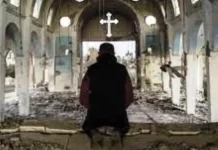
In addition, the Christian community has been a huge target for the Islamic State (IS) since the fall of the regime. According to the Syrian Ministry of Interior, IS suspects confessed that they were planning to conduct a car bombing attack against a church in Maaloula on New Year’s Day. Most notable was the June 22 suicide attack targeting the Mar Elias Greek Orthodox church in the Damascus neighborhood of Dweila, killing at least twenty-five people and injuring sixty-three—the largest attack against Syria’s Christian community since 1860. It was claimed by a shadowy group called Saraya Ansar al-Sunnah, which is an IS front group.
The Syrian government was swift and united in condemning the Damascus church attack. In addition to appropriate statements from top political and religious officials, civil defense units quickly assessed the damage at the site, while Damascus Governor Maher Marwan (al-Sharaa’s brother-in-law) and Social Affairs Minister Hind Kabawat (a Christian herself) visited the church and met with neighborhood residents. Al-Sharaa also offered condolences over the phone to Greek Orthodox Archbishop Romanos al-Hannat. While Syria’s government viewed the steps it took as sufficient, many Christians and other minorities suspect that Damascus was somehow complicit in the attack. Such beliefs are prevalent even after the government visibly enhanced security in Christian neighborhoods in general and around churches during Christmas, Good Friday, and Easter.
Christian Issues With the Syrian Democratic Forces
Outside of the Syrian government-controlled areas, we have also recently seen Christians in the SDF-controlled areas attempting to use the new Syrian government’s school curriculum so that students can sync their education with the new authorities. However, due to the continued issues and negotiations between Damascus and the SDF, the Autonomous Administration has shut down these churches since they go against the local administration. Highlighting the worries over Christians in Syria should not solely be focused on government-controlled areas, even though in this instance the SDF ended up backing down weeks later.
The above highlights that the situation for Christians in this new Syria is complicated, although it is not the same as if the Islamic State or al-Qaeda was ruling the area. Damascus has made a concerted effort to engage with the Christian community. At the same time, the community has been targeted by vigilantes and the Islamic State in particular. This has created an atmosphere within the community of unrest and suspicions regarding whether the new authorities are truly willing to protect them, even while the Syrian government has provided better security at its churches. Therefore, the only way forward is to build more trust and for the new Syrian government to continue to show it takes the safety of the Christian community seriously. Otherwise, similar to Iraq, an ancient community might decide to become refugees in the West and leave a historic legacy behind.
https://www.washingtoninstitute.org/policy-analysis/christians-new-syria-accepted-risk
**Aaron Y. Zelin is the Gloria and Ken Levy Senior Fellow at The Washington Institute and author of its new study “Institutions and Governance in the New Syria: Continuity and Change from the Idlib Model.” This article was originally published on the Hoover Institution website.
المسيحيون في سوريا الجديدة: مقبولون، ولكنهم تحت التهديد
آرون واي. زيلين/معهد واشنطن/09 كانون الأول/2025
(ترجمة بحرية من العربية بواسطة الياس بجاني بالإستعانة بمواقع ترجمة ألكترونية)
على الرغم من أن المسيحيين استُهدفوا في بعض الحوادث بعد سقوط نظام الأسد، فإن هذه الوقائع لا ترقى إطلاقاً إلى مستوى محاولة “إبادة جماعية”. بل هي جزء من التحدي الأمني الداخلي الأوسع الذي تواجهه جميع مكونات المجتمع السوري، بما في ذلك الأغلبية.
تُعد سوريا موطناً لواحدة من أقدم المجتمعات المسيحية في العالم. ففي معلولا، لا يزال السكان يتحدثون اللغة الآرامية القديمة حتى يومنا هذا. بعد ظهور الإسلام في بلاد الشام، سُمح للمسيحيين عموماً بممارسة شعائرهم الدينية دون مضايقات تُذكر، ولكنهم كانوا يُعتبرون “مواطنين” من الدرجة الثانية سياسياً. في التاريخ الحديث، وقعت مجزرة دمشق الشهيرة للمسيحيين عام 1860. لكن منذ ذلك الحين، تمتعوا بحرية وأمان نسبيين.
منذ عام على سقوط نظام الأسد، تزايد القلق بشأن مصير ومستقبل المسيحيين في سوريا الجديدة. بشكل عام، يُسمح لهم بالعيش والعبادة، لكن وقعت عدة حوادث استُهدفوا فيها. يجب على السلطات الجديدة مواجهة هذه المخاطر المتصاعدة، لكن ينبغي النظر إليها ضمن سياق المخاطر الأوسع التي تهدد جميع الطوائف في سوريا، بمن فيهم الأغلبية. لا أحد اليوم في مأمن من هجمات “العقاب الذاتي” (Vigilante attacks) في سوريا. لذلك، فإن المشهد معقد ويتطلب تحليلاً دقيقاً لفهم الوضع الحالي.
هيئة تحرير الشام والمسيحيون قبل سقوط النظام
قبل سقوط نظام الأسد، كانت السلطات الحالية ممثلة بجماعة مسلحة تسيطر على شمال غرب سوريا تحت اسم هيئة تحرير الشام (HTS). في السنوات التي سبقت سقوط النظام، بدأت هيئة تحرير الشام سياسة مصالحة مع الأقليات الخاضعة لحكمها، بعد أن كانت إما تتجاهلها أو تعاديها. على وجه الخصوص، بدأ الرئيس السوري الحالي أحمد الشرع (الذي كان يُعرف آنذاك باسم أبو محمد الجولاني) أول تواصل علني مع المسيحيين في منطقة إدلب في يوليو 2022. قبل ذلك، كان العيش تحت حكم هيئة تحرير الشام صعباً للغاية على الأقليات.
كانت هيئة تحرير الشام قد صادرت ما لا يقل عن 550 عقاراً للمسيحيين، بما في ذلك منازل ومحلات تجارية، وهي ممارسة بدأت أصلاً في عام 2015. بعد الانفراج عام 2022، سُمح للمسيحيين باستئناف الاحتفالات الدينية وإصلاح كنائسهم وإعادة بنائها. كما تم حل غالبية النزاعات العقارية وإعادة الممتلكات إلى أصحابها الأصليين. تمثلت أهم التغييرات للمسيحيين في ظل هذا النهج الأكثر ودية الذي تبنته هيئة تحرير الشام في البداية بتحسن الوضع الأمني، وطرد المقاتلين الأجانب من أحيائهم، واستعادة القدرة على إدارة محاكمهم الخاصة. ومع ذلك، سياسياً، ظل المسيحيون—شأنهم شأن الأقليات الأخرى في مناطق سيطرة هيئة تحرير الشام—مواطنين من الدرجة الثانية، إذ لم يكن لديهم تمثيل سياسي في مجلس الشورى العام، واقتصر تمثيلهم على “مديرية شؤون الأقليات” التي لم يكن يديرها أحد من الأقليات.
الانخراط بعد سقوط النظام
في سياق الهجوم الذي أدى إلى سقوط نظام الأسد، أصدرت “مديرية شؤون الأقليات” بياناً أكدت فيه أن المسيحيين سيظلون آمنين تحت الحكومة السورية الجديدة. ومنذ سقوط النظام، تواصل الطائفة كونها شريكاً فاعلاً مع السلطات الانتقالية. التقى القادة المسيحيون بالشرع في وقت مبكر من أواخر ديسمبر 2024، وشمل اللقاء ممثلين عن العديد من الطوائف: الروم الأرثوذكس، الروم الكاثوليك، السريان الأرثوذكس، السريان الكاثوليك، الأرمن الكاثوليك، الموارنة، الإنجيلية الوطنية، واللاتين.
استمر هذا التواصل طوال السنة الأولى من المرحلة الانتقالية، بما في ذلك الزيارة الأخيرة للشرع في أواخر أكتوبر 2025 إلى البطريرك يوحنا العاشر يازجي، بطريرك أنطاكية وسائر المشرق للروم الأرثوذكس، في البطريركية. وأكد الطرفان التزامهما المتبادل بحماية المسيحية السورية ودعم الدولة. وقدم البطريرك للشرع وثيقة إسلامية قديمة يُزعم أنها تمنح الأمان وتُبرم عهداً مع مسيحيي دمشق. ثم قال البطريرك يوحنا العاشر يازجي للشرع: “نحن نتمسك بالعهد”، ورد الشرع: “ونحن نتمسك بعهد أجدادنا”.
يساهم هذا أيضاً في تعزيز فكرة “الأموية” التي يتبناها السنة السوريون والدولة منذ سقوط النظام. بعض المسيحيين، الذين يتبنون هذا المشروع السوري الجديد، يشعرون أن لديهم دوراً في هذا السياق، ويمكنهم الاعتماد على الدعم التاريخي الذي قدمه المسيحيون للدولة الأموية كوسيلة لتوحيد صفوفهم مع الشأن العام الجديد. على سبيل المثال، أوضح نوار نجمة، وهو مسيحي ومتحدث باسم لجنة الانتخابات البرلمانية، في مقطع فيديو حول مساهمات المسيحيين في بناء الدولة الأموية، أن هذا هو الدافع وراء سعيه لمساعدة الدولة السورية الجديدة.
الاستهداف والعنف ضد المسيحيين منذ سقوط النظام
بينما تمتع المجتمع المسيحي بأمان عام منذ سقوط النظام، فقد وقع عدد من الحوادث الكبيرة التي تُثير القلق. إلا أن هذه الحوادث حُوّلت في بعض الأوساط الإلكترونية إلى قصص ملفقة عن إبادة جماعية ضد المسيحيين، وهو ما يتنافى مع الحقيقة. هذا مثال على كيفية تشويه حملات التضليل لفهم المراقبين الخارجيين للواقع الميداني. لا يعني هذا أنه لا ينبغي للمجتمع المحلي أو لمن هم خارج سوريا رفع الوعي والمطالبة بالحقوق إذا كانت هناك قضايا مشروعة، لكن الترويج لادعاءات الإبادة الجماعية لدوافع سياسية هو أمر ضار.
على سبيل المثال، خلال مذبحة الساحل ضد العلويين في مارس، تسربت معلومات مغلوطة إلى بعض الأوساط الغربية والإسرائيلية على الإنترنت وتحولت إلى تقارير كاذبة عن مجزرة ضد المسيحيين. قُتل بالفعل عدد قليل من المسيحيين، لكن ذلك كان نتيجة التواجد في المكان الخطأ في الوقت الخطأ. معظم الضحايا الذين سقطوا خلال مذبحة الساحل كانوا من العلويين والسنة. حتى أن الكنائس المسيحية في اللاذقية أصدرت بياناً مشتركاً يحث الأفراد على عدم الانصياع للشائعات. لسوء الحظ، بعد أشهر، وعندما وقعت مذبحة ضد الدروز في السويداء في منتصف يوليو، تعرضت كنيسة القديس ميخائيل للروم الملكيين الكاثوليك في قرية الصورة للاعتداء وأُضرمت فيها النيران.
بعيداً عن تلك الأحداث، وقعت أيضاً الوقائع التالية: خلال عيد الميلاد 2024، أحرق مقاتلون أجانب شجرة عيد الميلاد؛ في 17 فبراير، دمرت مجموعة من الشباب صلباناً في مقبرة بريف حمص؛ في 6 أبريل، حاول مهاجمون إحراق كنيسة في دمشق؛ في 17 مايو، أُحرقت سيارة عائلة مسيحية في مدينة حماة، وتُركت منشورات تهديد في المنطقة؛ وفي 8 يونيو، أُطلقت النار على كنيسة في مدينة حمص.
بالإضافة إلى ذلك، كان المجتمع المسيحي هدفاً كبيراً لتنظيم الدولة الإسلامية (داعش) منذ سقوط النظام. وفقاً لوزارة الداخلية السورية، اعترف مشتبه بهم من تنظيم الدولة الإسلامية بأنهم كانوا يخططون لتنفيذ هجوم بسيارة مفخخة ضد كنيسة في معلولا في رأس السنة. وكان أبرزها الهجوم الانتحاري الذي استهدف كنيسة مار إلياس للروم الأرثوذكس في حي دويلة بدمشق في 22 يونيو، مما أسفر عن مقتل ما لا يقل عن خمسة وعشرين شخصاً وإصابة ثلاثة وستين—وهو أكبر هجوم ضد الطائفة المسيحية في سوريا منذ عام 1860. وقد أعلنت مسؤوليتها مجموعة غامضة تُدعى “سرايا أنصار السنة”، وهي مجموعة واجهة لتنظيم الدولة الإسلامية.
رد فعل الحكومة السورية
أدانت الحكومة السورية هجوم كنيسة دمشق بشكل سريع وموحد. إضافة إلى التصريحات المناسبة من كبار المسؤولين السياسيين والدينيين، قامت وحدات الدفاع المدني بتقييم الأضرار في الموقع على الفور، بينما زار محافظ دمشق ماهر مروان (صهر الشرع) ووزيرة الشؤون الاجتماعية هند كباوات (وهي مسيحية) الكنيسة والتقيا بسكان الحي. كما قدم الشرع تعازيه عبر الهاتف لرئيس أساقفة الروم الأرثوذكس رومانوس الحنات.
في حين رأت الحكومة السورية أن الإجراءات المتخذة كانت كافية، يشتبه العديد من المسيحيين والأقليات الأخرى في أن دمشق كانت متواطئة بشكل ما في الهجوم. تسود مثل هذه المعتقدات حتى بعد أن عززت الحكومة الأمن بشكل ملحوظ في الأحياء المسيحية وحول الكنائس خلال أعياد الميلاد والجمعة العظيمة وعيد الفصح.
قضايا المسيحيين مع قوات سوريا الديمقراطية
خارج المناطق التي تسيطر عليها الحكومة السورية، شهدنا مؤخراً محاولة من المسيحيين في مناطق سيطرة قوات سوريا الديمقراطية (SDF) لاستخدام المناهج التعليمية التابعة للحكومة السورية الجديدة لتوحيد نظام التعليم لطلابهم مع السلطات الجديدة. ومع ذلك، وبسبب الخلافات والمفاوضات المستمرة بين دمشق وقوات سوريا الديمقراطية، أغلقت الإدارة الذاتية تلك الكنائس، بحجة تعارضها مع الإدارة المحلية. يجب ألا ينحصر تسليط الضوء على المخاوف بشأن المسيحيين في سوريا على المناطق التي تسيطر عليها الحكومة فقط، على الرغم من تراجع قوات سوريا الديمقراطية عن قرارها بعد أسابيع في هذه الحالة.
ما سبق يؤكد أن وضع المسيحيين في سوريا الجديدة معقد، رغم أنه ليس مماثلاً للوضع لو كان تنظيم الدولة الإسلامية أو القاعدة يحكم المنطقة. لقد بذلت دمشق جهداً كبيراً للتواصل مع الطائفة المسيحية. وفي الوقت نفسه، تعرضت الطائفة للاستهداف من قبل جماعات العقاب الذاتي وتنظيم الدولة الإسلامية بشكل خاص. وقد خلق هذا مناخاً من القلق والشكوك داخل المجتمع المسيحي حول مدى استعداد السلطات الجديدة لحمايتهم، حتى مع توفير الحكومة السورية أماناً أفضل لكنائسهم. لذلك، فإن الطريق الوحيد للمضي قدماً هو بناء المزيد من الثقة، وأن تواصل الحكومة السورية الجديدة إظهار أنها تأخذ سلامة الطائفة المسيحية على محمل الجد. وإلا، وعلى غرار ما حدث في العراق، قد يقرر هذا المجتمع العريق الهجرة كلاجئين إلى الغرب، ليترك وراءه إرثاً تاريخياً.