التحدي الملح الذي يفرضه الانفتاح الدبلوماسي الإسرائيلي على لبنان
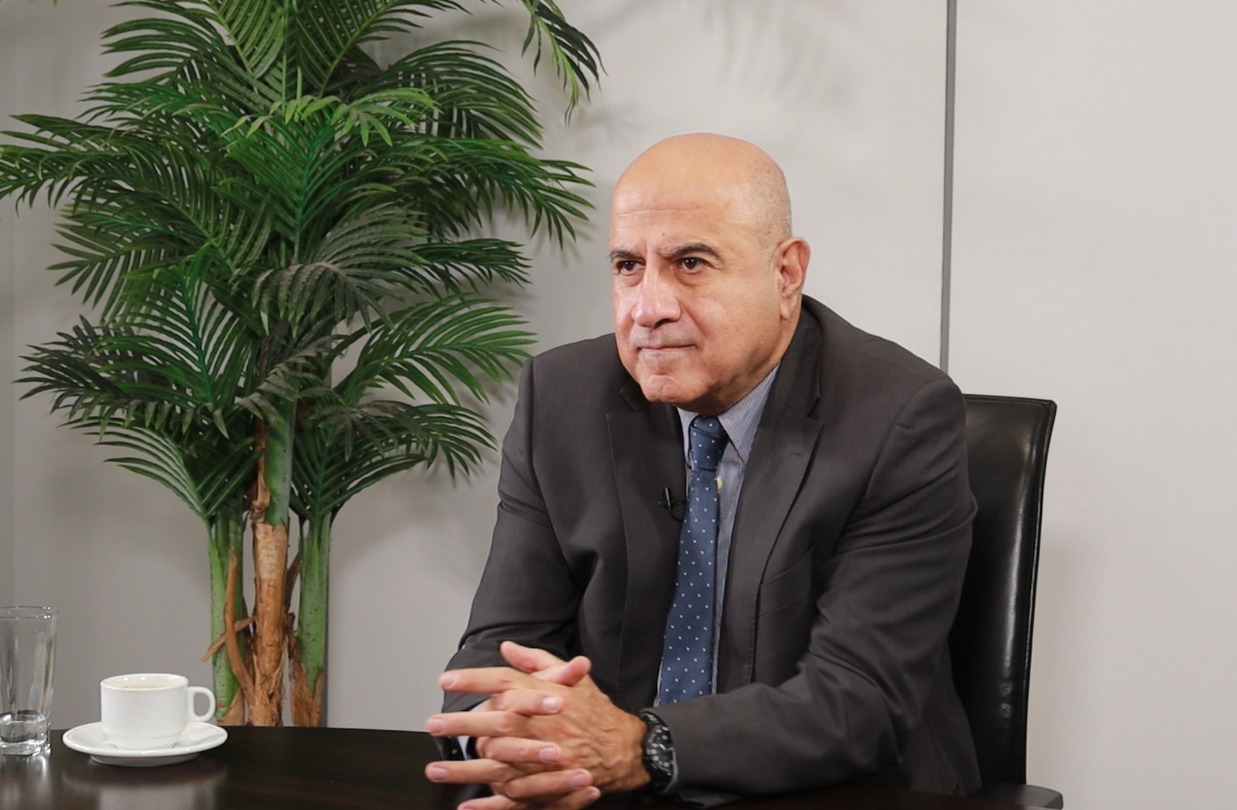
د. شارل شرتوني/نقلاً عن موقع “هذه بيروت”/08 كانون الأول 2025
(ترجمة من الإنكليزية بحرية بالإستعانة بمواقع ترجمة الأكترونية)
The Compelling Challenge of Israel’s Diplomatic Opening to Lebanon
Dr. Charles Chartouni/This Is Beirut/December 08/2025
Israeli Ambassador to the U.S. Michael Leiter’s diplomatic opening to Lebanon is a major turning point amid the encumbered political horizons, uncertainties, and doomsaying enveloping the country. Coming at the heels of Prime Minister Netanyahu’s peace offer, the benevolence and the moral density of this statement cannot be overlooked by the Lebanese government and the Lebanese people at large.
The ongoing negotiations cannot move forward unless Lebanon’s stakeholders pay attention to the messages issued by Israeli authorities and start engaging with them on this very basis. The arrogant dismissal of peace offers betrays political immaturity and an inability to come to terms with the challenges posed by the state of war, festering hostilities, and institutionalized political impasses that have consolidated over time.
The Israeli ambassador is offering Lebanon an open political horizon along which the negotiations should proceed if we were to put an end to vicious cycles of violence and their pervasive destructiveness. This appeal comes when the Lebanese authorities struggle defining the scope of these negotiations driven by crippling incapacities and cumulative emergencies. Lebanese authorities have engaged in negotiations since they had no other choice to do otherwise.
However, the very nature of these negotiations behooves a change of perspective since the curtailed vision of peace is inevitably going awry. The failure of the Lebanese authorities to approach the negotiations comprehensively and the narrowing of their scope to tactical military redeployment is inevitably recoiling on the limited agendas they set.
The Israeli ambassador is proposing a major intellectual, political, and strategic inflection, which would facilitate Lebanon’s political and strategic repositioning. While engaging in negotiations, Lebanese executives are bound to reassess their political and strategic interests away from the ideological and situational constraints set by Iran’s Islamic regime, reclaim their moral and political autonomy, and start operating independently.
Ambassador Leiter’s vision is compelling and cannot be dismissed lightly: We have no claims of any nature on your territories; we “want to live in peace and harmony with you.” However, the ongoing talks do not preclude military interventions if the threats against Israeli security are not addressed and if Hezbollah is not decommissioned. The comprehensive nature of the negotiations is contingent upon demilitarization and the restoration of Lebanese sovereignty.
Simply listening to the Israeli ambassador’s elaborate statement should draw attention to the absence of political civility in this region and to the very nature of democratic diplomacy: the discursive nature of politics and their ethical framing, which contrasts strikingly with the state of political relations between states in this part of the world. The Lebanese government must pursue its negotiations on an unequivocal basis and stop mincing words. The reduction of scope of the ongoing negotiations is likely to stall their momentum and kill their underlying dynamics.
Lebanon cannot retreat behind the constraints imposed by Hezbollah and its conditionalities without compromising its political independence and moral authority. Hezbollah’s restrictions should never be part of the intellectual subtext of negotiations nor their modus operandi. The pattern of paradoxical communication adopted by Lebanon’s executives has called into question the consistency of the country’s purported constitutional democracy and its international credibility.
The scope of Israeli diplomacy is clearly defined and well-articulated, whereas Lebanon’s absent diplomatic stature betrays the notional and political inconsistencies of a failed state unable to formulate a policy course. A country cannot engage in diplomacy if the notional and operational conditions of working statehood have consistently defaulted. The negotiation process cannot proceed in a constructive manner unless its premises are clearly stated and upheld by the engaging parties.
Prime Minister Netanyahu and Ambassador Leiter’s statements were comprehensive in nature, linking the success of the negotiations to political, economic, and human considerations that should frame strategic and military chapters. Lebanese authorities adhere, mutatis mutandis, to the conventional ideological and political narrative that prevails in Islamic and Arab societies and make theirs the political doxa of Hezbollah and its clones.
Without acknowledging Israel’s legitimacy and repudiating Lebanon’s political theodicies and their apocalypticism, the prospects for normalization and open political conversation is undermined from the very outset. Lebanon must move beyond the restrictions mandated by antisemitism, Islamic totalitarianism, ideological politics, and their strategic vectors if it is to oversee an end to seven decades of protracted conflicts and institutionalized enmity. If the negotiations are to proceed, Lebanon must move beyond the ideological blindfolds and mandates of Iranian imperial politics and their religious framing.
Lebanon cannot navigate the tumultuous waters of a murderous dystopia and await anything other than the cumulative outcomes of open-ended conflicts, endemic civil wars, and destructive Islamic radicalization. US diplomacy has strived throughout the last year to help Lebanon make its transition towards normalization, conflict resolution, and working diplomatic mediations to no avail.
Rather than seizing the strategic opportunities offered by the Israeli strategic disruptions and innovative geostrategic dynamics, the new incumbents’ self-defeating politics have undermined Lebanon’s rising political opportunities and chances to break away from the hold of Hezbollah and the pathologies of a failed political state and its lurking pitfalls.
التحدي الملح الذي يفرضه الانفتاح الدبلوماسي الإسرائيلي على لبنان
الدكتور شارل شرتوني/نقلاً عن موقع “هذه بيروت”/08 كانون الأول 2025
(ترجمة من الإنكليزية بحرية بالإستعانة بمواقع ترجمة الأكترونية)
يمثّل الانفتاح الدبلوماسي الذي أطلقه السفير الإسرائيلي لدى الولايات المتحدة مايكل لايتر تجاه لبنان تحوّلًا مهمًا في لحظة سياسية شديدة التعقيد للبنان. فهذه المبادرة تأتي امتدادًا لعرض السلام الذي قدّمه رئيس الوزراء الإسرائيلي بنيامين نتنياهو، وهي خطوة تحمل نوايا واضحة ورغبة حقيقية في إنهاء الصراع. وليس من الحكمة أن تتجاهلها الدولة اللبنانية أو تتعامل معها بخفّة.
الفرصة التي يرفض لبنان رؤيتها
المفاوضات الحالية لن تتقدم ما لم يدرك اللبنانيون—حكومةً وشعبًا—المضمون الحقيقي للرسائل الإسرائيلية. فالتعامل برفض متكبّر مع عروض السلام لم يعد دليل قوة، بل دليل نقص في النضج السياسي، وعجز عن مواجهة حقيقة الوضع: لبنان غارق في حرب مفتوحة، وعجز اقتصادي، وانهيار مؤسسي.
إسرائيل تطرح أفقًا سياسيًا واضحًا للخروج من دائرة العنف. أما لبنان، فذهب إلى المفاوضات ليس اقتناعًا، بل لأنه لم يعد أمامه خيار آخر.
فشل الرؤية اللبنانية
جوهر المفاوضات يتطلب تغييرًا جذريًا في نظرة الدولة اللبنانية للسلام. فحصر النقاش في “إعادة انتشار” أو “وقف إطلاق نار تكتيكي” لا يصنع سلامًا ولا يبني دولة. هذه مقاربة قصيرة النظر تعكس ضيق الأجندة السياسية التي تتحكم بالقرار الرسمي اللبناني اليوم.
السفير لايتر طرح رؤية واضحة:
لا مطالب إسرائيلية من لبنان، والرغبة هي العيش بسلام ووئام.
لكن هذا السلام مرتبط حتما ودون مواربة بنزع سلاح حزب الله ومنع أي تهديد جديد لأمن إسرائيل. من دون ذلك، لا مفاوضات حقيقية.
المعضلة الأساسية: حزب الله
لا يمكن للبنان أن يتفاوض كدولة بينما هو خاضع لشروط ميليشيا تفرض أجندتها على الحكومة، وتتحكم بقرار الحرب والسلم.
فخضوع السلطة اللبنانية لهذه الشروط يدمّر ما تبقى من سيادتها ويقضي على صدقيتها في الداخل والخارج.
ولا يجوز أن يتحوّل خطاب حزب الله وإملاءاته إلى “نص غير معلن” يحكم المفاوضات. فذلك يسقط فكرة الدولة من أساسها.
غياب الدبلوماسية اللبنانية
بينما تعرض إسرائيل رؤية واضحة ومتماسكة، تبدو الدبلوماسية اللبنانية غائبة ومفككة. فالدولة التي تعجز عن صياغة موقف سياسي واضح لا يمكن أن تمارس دبلوماسية ناجحة.
المفاوضات تحتاج إلى وضوح، وثبات، وإلى طرح افتراضات صريحة يلتزم بها الطرفان. وهذا ما تفعله إسرائيل، وما تعجز عنه السلطة اللبنانية.
التحرر من الأيديولوجيات
لا يمكن للبنان أن يدخل عصر السلام وهو مقيّد بخطاب أيديولوجي قديم: معاداة السامية، وشعارات الممانعة، والرؤية الأبوكاليبتية التي غذّاها النظام الإيراني لعقود. لبنان لن يتقدم ما لم يتحرر من الفكر السياسي الذي فرضته القوى الإسلامية الراديكالية، ومن الإمبريالية الدينية الإيرانية التي حولته إلى ساحة صراع.
لا مستقبل… إذا استمرت العقلية نفسها
لبنان اليوم أمام مفترق طرق: إما أن يكسر دائرة الوهم والعداء، وإما أن يواصل مسيرته داخل ديستوبيا قاتلة تفرخ النزاعات والحروب والانهيارات المتتالية. الدبلوماسية الأمريكية بحثت طوال العام الماضي عن فرصة لإنقاذ لبنان وإدخاله في مسار حلّ وتطبيع، لكن الفشل كان سيد الموقف، بسبب انعدام الإرادة السياسية لدى السلطة، وخضوعها لحزب الله.
خلاصة
بدل أن يستفيد لبنان من فرصة نادرة فتحتها التحولات الإسرائيلية والديناميكيات الإقليمية الجديدة، بدّد فرصته بسبب سياسات الوافدين الجدد المعدومين للخبرة، وبسبب سيطرة حزب الله الكاملة على القرار. إن لم يتحرر لبنان من قيود حزب الله، ومن الأيديولوجيات المدمّرة، ومن الإملاءات الإيرانية، فلن يعرف يومًا طريق السلام، ولا حتى طريق الدولة.